How to Repair Driveway Cracks for Homeowners (Step-by-Step Guide)

The ancient proverb suggests that for want of a nail, the shoe was lost, and eventually, the kingdom fell. This sentiment captures the essence of modern homeownership perfectly. A tiny, overlooked gap in your front walkway or parking pad might seem like a minor cosmetic blemish today. However, in the world of residential asset management, these small openings are the primary entry points for long-term property degradation.
Navigating the Transition to Proactive Property Management
The shift from renting to owning requires a fundamental change in how you view your physical surroundings. As a renter, a blemish on the pavement was someone else’s problem; as an owner, it is a ticking financial clock. This transition often brings a mix of pride and a heavy sense of responsibility for every square inch of your lot.
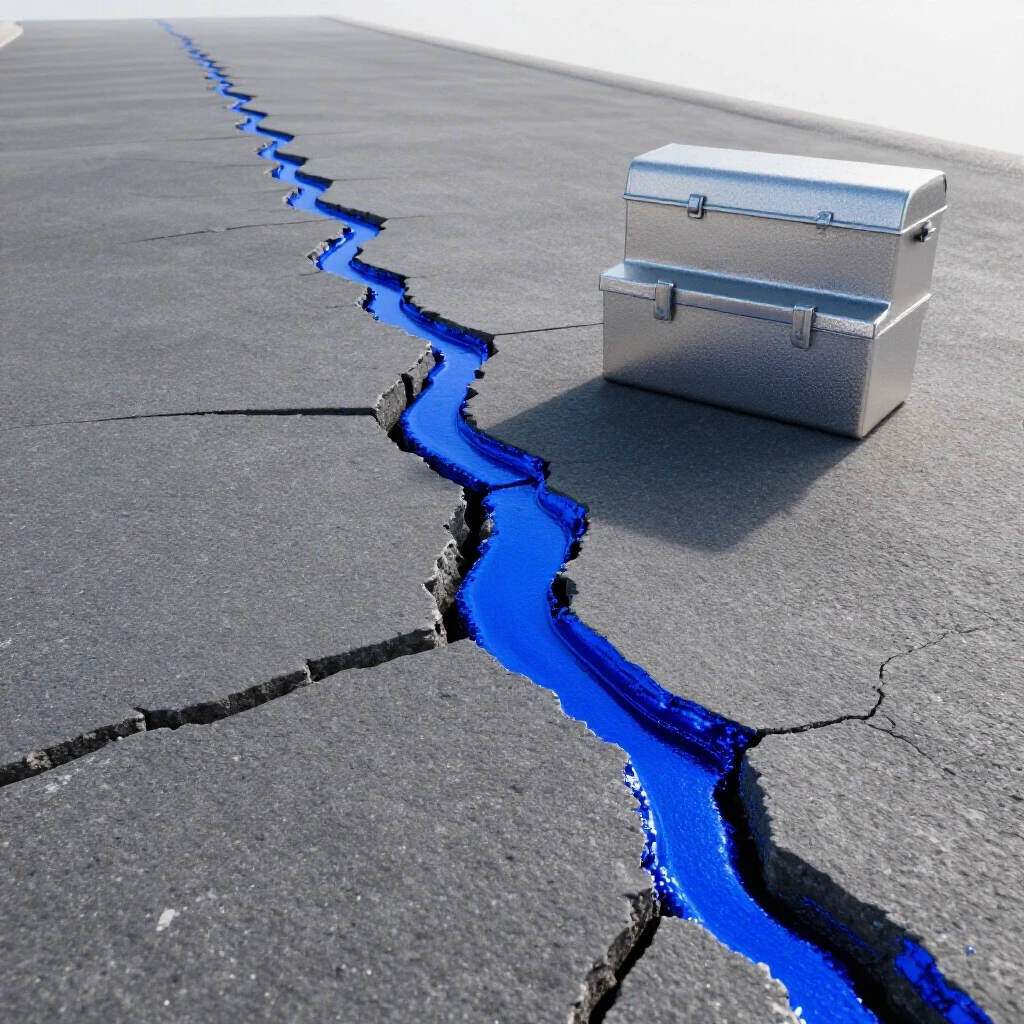
When I bought my first home fourteen years ago, I treated the exterior like a static object. I assumed that if the concrete looked solid on move-in day, it would stay that way forever. My personal home logs from that era show a glaring lack of exterior inspections. By year three, those tiny lines I ignored had turned into wide gaps. This taught me that homeownership is less about big renovations and more about the quiet, consistent act of stewardship.
According to the U.S. Census Bureau’s American Housing Survey, the median age of a home in the United States is about 40 years. This means most first-time buyers are stepping into properties that have already faced decades of weathering. Understanding that your home is a living system that reacts to the environment is the first step toward reducing the anxiety of upkeep.
Establishing a Realistic Maintenance Reserve
A maintenance reserve is a dedicated savings fund used strictly for the upkeep and repair of your home’s existing structures and systems. Most experts recommend setting aside 1% to 3% of your home’s purchase price annually to cover these recurring needs.
For a $300,000 home, this means saving between $3,000 and $9,000 per year. While that might sound daunting to a young family, it is far more manageable than a sudden, large-scale replacement. In my second home, I tracked every dollar spent on exterior care. I found that spending roughly $150 a year on high-quality sealants and cleaning supplies saved me from much larger expenditures later.
| Maintenance Category | Annual Budget (Estimated) | Impact on Property Value |
|---|---|---|
| Surface Sealing & Patching | $100 – $250 | High (Curb Appeal) |
| Landscaping & Edging | $200 – $500 | Moderate |
| Gutter Cleaning & Care | $50 – $100 | High (Water Diversion) |
| Power Washing | $0 – $50 (DIY) | Moderate |
Why Small Gaps in Concrete Require Immediate Attention
Concrete is a porous material that expands and contracts with temperature changes. When a small fissure appears, it creates a pathway for water to move beneath the surface, which can lead to erosion or shifting.
In my experience evaluating residential properties, I’ve seen how seasonal cycles accelerate this process. During winter, water enters a gap, freezes, and expands. This “freeze-thaw” cycle acts like a slow-motion jackhammer, widening the opening bit by bit. By addressing these openings while they are less than a quarter-inch wide, you maintain the surface’s integrity and prevent water from compromising the ground underneath.
Identifying Different Types of Surface Fissures
Not all marks on your driveway are created equal, and knowing which ones to prioritize can help manage your weekend “to-do” list. Hairline fractures are common and often cosmetic, but anything wide enough to fit a coin requires a closer look.
Interestingly, my logs from 2016 show that I spent more time worrying about cosmetic stains than actual structural gaps. I eventually learned that a stain won’t hurt the house, but an open seam will. Focus your energy on any opening where you can see dirt or where weeds have started to sprout. These are the “active” areas that need your intervention to keep the weather out.
Building Your Essential DIY Maintenance Toolkit
A maintenance toolkit is a collection of specialized tools and materials kept on hand to perform routine repairs without needing a trip to the store. Having these items ready reduces the friction of starting a project and helps you stay on top of your schedule.
For working with concrete surfaces, you don’t need heavy machinery. Most of the work involves preparation and precision application. Over the years, I have refined my kit to include only the essentials that actually get the job done.
- Stiff-Bristle Wire Brush: This is your most important tool for removing loose debris, old filler, and vegetation from the gap.
- Shop Vacuum or Leaf Blower: You must have a bone-dry, dust-free surface for modern sealants to bond correctly.
- Hammer and Masonry Chisel: Occasionally, you’ll need to widen a very narrow, shallow crack to give the filler enough “meat” to grab onto.
- Backer Rod: This is a foam rope used to fill deep gaps so you don’t waste expensive sealant on the bottomless parts of a hole.
- High-Quality Flexible Sealant: Look for polyurethane or epoxy-based products specifically labeled for concrete; these stay flexible as the ground moves.
- Putty Knife or Trowel: Used for smoothing the surface to ensure a flush finish with the rest of the driveway.
A Step-by-Step Guide to Filling Concrete Gaps
Filling gaps in your driveway is a straightforward process that rewards patience and attention to detail. It is best performed on a dry day when temperatures are between 50 and 80 degrees Fahrenheit to ensure the chemicals cure at the right speed.
When I first tried this, I rushed the cleaning phase. The sealant peeled up within six months because it was sticking to dust rather than the concrete itself. Since then, I have followed a much stricter preparation routine that has kept my current driveway looking solid for over five years.
Step 1: Deep Cleaning the Area
Use your wire brush to scrub the inside of the gap vigorously. You want to see the “bright” concrete beneath any gray oxidation or dirt. If there are weeds, pull them out by the root and consider using a small amount of vinegar or herbicide a few days before you start the work. Once scrubbed, use a vacuum to suck out every last grain of sand.
Step 2: Preparing the Depth
If the gap is deeper than half an inch, do not fill the whole thing with sealant. This is where the backer rod comes in. Press the foam rod into the crack until it sits about a quarter-inch below the surface. This creates a “floor” for your sealant and allows it to bond to the two side walls, which is essential for a long-lasting seal.
Step 3: Precise Application
Cut the tip of your sealant tube at a 45-degree angle. Slowly move the caulking gun along the gap, overfilling it slightly. You want the material to be slightly higher than the surrounding concrete at first. This ensures that as it settles and shrinks slightly during the drying process, it doesn’t leave a dip where water can pool.
Step 4: Smoothing and Curing
Use a damp putty knife to “tool” the sealant, pressing it firmly into the edges and leveling it with the driveway surface. Most modern epoxies and polyurethanes will be tack-free in an hour but require 24 to 48 hours before you should drive a vehicle over them. My personal rule is to keep the cars on the street for two full days just to be safe.
The Financial Benefits of Proactive Surface Care
Proactive care refers to the practice of performing small, inexpensive repairs today to avoid large, unavoidable costs in the future. In real estate analysis, we often look at the “replacement vs. repair” ratio to determine the health of a property’s management.
In my 14 years of tracking home costs, the math is clear. A tube of high-end concrete sealant costs about $15 to $25. A full afternoon of work might cost you a bit of sweat and a few gallons of water. Compare this to the cost of a full driveway tear-out and pour, which can easily reach five figures. By spending $50 and four hours every two years, you are essentially “buying” another decade of life for your existing driveway.
| Action | Frequency | Estimated Cost | Potential Savings |
|---|---|---|---|
| Inspecting for Gaps | Bi-Annually | $0 | Prevents hidden erosion |
| Filling Small Fractures | As Needed | $25 – $50 | Saves $5,000+ in replacement |
| Surface Power Washing | Annually | $0 (if tool owned) | Prevents moss/mold damage |
| Applying Surface Sealer | Every 3-5 Years | $150 – $300 | Extends life by 10+ years |
Managing Homeowner Fatigue and Decision Paralysis
Homeowner fatigue is the emotional exhaustion that comes from the never-ending list of tasks required to maintain a property. For young professionals and families, this can lead to “maintenance paralysis,” where the list gets so long that you end up doing nothing at all.
To combat this, I recommend the “One Project a Month” rule. Don’t try to fix every gap, paint every room, and weed every garden bed in a single weekend. In my household, we dedicate the third Saturday of every month to one specific exterior task. Last month was gutter checks; this month is checking the concrete seams. Breaking it down into small, digestible chunks makes the responsibility feel like a hobby rather than a second job.
Tracking Your Progress with a Digital Home Log
A digital home log is a record of all repairs, inspections, and upgrades made to a property, often stored in a spreadsheet or a dedicated app. This log serves as a “medical history” for your house, which is incredibly valuable for your own planning and for future buyers.
I started my log in a simple notebook, but I now use a cloud-based spreadsheet. I record the date of the repair, the specific product used (e.g., “SikaFlex Self-Leveling Sealant”), and how much I spent. This allows me to see exactly how long a repair lasts. If a certain filler only lasted two years, I know to try a different brand next time. It also gives me a sense of accomplishment to see how much I’ve protected my investment over the years.
- Date of Task: When did you perform the repair?
- Location: Which part of the driveway or walkway was addressed?
- Materials Used: Keep the labels or take a photo of the tube.
- Weather Conditions: Was it a humid day or very dry?
- Cost: Track your “sweat equity” vs. material costs.
Long-Term Asset Protection and Curb Appeal
Your driveway is often the first thing people see when they pull up to your home. Beyond the structural benefits, keeping the surface smooth and well-maintained significantly impacts your home’s “curb appeal.”
HUD reports consistently show that well-maintained exteriors correlate with higher appraisal values. A buyer who sees a driveway with neglected, weed-filled gaps will naturally wonder what else has been ignored inside the house. By staying on top of these small repairs, you are sending a signal to the world—and to yourself—that this home is well-loved and carefully managed.
Moving Forward with Confidence
The transition to homeownership is a journey of a thousand small steps. Addressing the fissures in your concrete is one of the most practical ways to start that journey. It requires very little technical knowledge, a modest budget, and a bit of time.
Start by walking your property this weekend. Look closely at where the car tires travel and where water tends to sit after a rain. Identify just two or three areas that need attention. By taking this small action, you are moving from a state of overwhelm to a state of control. You aren’t just “fixing a crack”; you are mastering the art of home maintenance and securing your financial future one seam at a time.
Frequently Asked Questions
What is the best time of year to fix concrete gaps?
The ideal time is late spring or early fall. You want consistent temperatures between 50°F and 80°F. Avoid days with high humidity or a high chance of rain within 24 hours, as moisture can prevent the sealant from bonding to the concrete walls.
How do I know if a gap is too big for a DIY fix?
If the gap is wider than an inch or if one side of the concrete has sunk significantly lower than the other, it might indicate a more complex issue. However, for most common fissures caused by age and weather, standard DIY fillers and backer rods are perfectly sufficient.
Can I use regular caulk for my driveway?
No, you should avoid standard interior or window caulk. Driveways require “self-leveling” or “non-sag” sealants specifically designed for masonry. These products are formulated to withstand UV exposure, heavy vehicle weight, and the constant expansion of outdoor concrete.
Why did my previous repair fail so quickly?
The most common reason for failure is poor preparation. If there is any dust, oil, or moisture inside the gap, the sealant won’t stick. Another reason is “three-point bonding,” where the sealant sticks to the bottom of the crack. Using a backer rod prevents this and allows the sealant to stretch properly.
Do I need to seal the entire driveway after filling the cracks?
While not strictly necessary, applying a liquid surface sealer over the whole driveway after the patches have cured can provide a uniform look and an extra layer of protection. It’s a great way to blend the new repairs with the older concrete.
How long will a typical DIY repair last?
With high-quality polyurethane sealant and proper cleaning, a repair can last anywhere from 5 to 10 years. In areas with extreme winters, you may need to do minor touch-ups every 3 years to ensure no new openings have formed.
Is it okay to fill gaps with sand or gravel instead?
Sand and gravel are temporary at best. They don’t block water, and they provide a perfect environment for weeds to grow. A flexible, waterproof sealant is the only way to truly protect the structure from water damage and the freeze-thaw cycle.
What should I do if there are weeds growing in the gaps?
You must remove the weeds entirely, including the roots. Using a wire brush or a small hand tool is effective. You can also use a blowtorch specifically designed for weeds to dry out the area and kill any remaining seeds before applying your filler.
Can I drive on the driveway immediately after filling the gaps?
Most products require at least 24 hours to become “traffic-ready.” Driving over fresh sealant too early can cause it to deform or pull away from the edges. Always check the specific cure time on the product label, as some epoxies may take longer.
How much money can I save by doing this myself?
By doing the work yourself, you typically only pay for the cost of materials. Over a five-year period, this proactive approach can save you thousands of dollars by preventing the need for a total surface replacement, which is one of the most expensive exterior home projects.
(This article was written by one of our staff writers, Michael Morrison. Visit our Meet the Team page to learn more about the author and their expertise.)