How to Fix Floor Leveling Issues Twice for a Smooth Finish (Guide)

When you choose a new floor for your kitchen or living room, you likely think about the color, the texture, and the ease of care. A smooth, easy-to-clean surface is a top priority for most homeowners. However, after 18 years in construction coordination, I have learned that the beauty of a floor is only as good as the surface underneath it. If the subfloor is wavy or sloped, even the most expensive hardwood will eventually creak, gap, or crack.
In my own first home renovation, I ignored a slight dip in the hallway. I thought the thick padding under the laminate would hide it. Within six months, the floor felt like a trampoline every time I walked to the bathroom. I eventually had to pull up the entire floor, buy more materials, and do the job again. This guide is designed to help you avoid that “fix it twice” scenario by planning your subfloor preparation correctly the first time.
Understanding Subfloor Flatness and Its Impact on Your Project
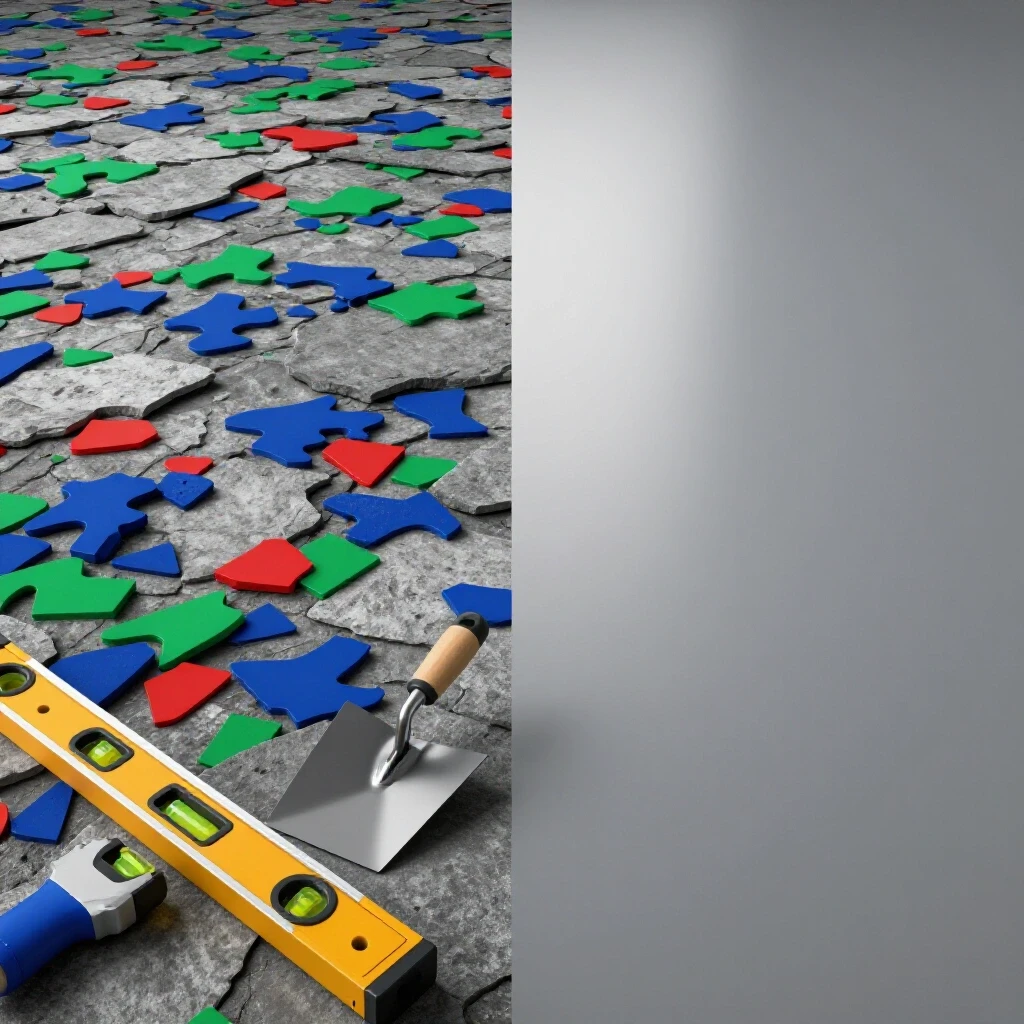
Subfloor flatness refers to how even the surface is across a specific distance, usually measured with a straightedge. It ensures that finish materials like tile or hardwood sit securely without cracking or shifting. Achieving this requires identifying dips or peaks before any decorative flooring is laid.
Many people confuse “level” with “flat.” A floor can be flat but slightly sloped, which is often fine in an old house. However, a floor that is not flat—meaning it has humps or valleys—is a recipe for disaster. Most manufacturers of Luxury Vinyl Plank (LVP) or engineered wood require the floor to be flat within 1/8 of an inch over a 10-foot span. If your subfloor deviates more than that, the locking mechanisms on your planks will eventually snap under the pressure of foot traffic.
During a kitchen remodel I managed three years ago, the homeowner wanted large-format porcelain tiles. These tiles are beautiful but very unforgiving. Because the subfloor had a 1/2-inch sag near the refrigerator, the tiles would have “lipped,” creating a tripping hazard. We had to pause the project to grind down high spots and fill the low spots, adding three days to the schedule but saving the floor from cracking later.
Estimating the Cost of Surface Correction and Materials
Budgeting for these repairs involves calculating the volume of patching compounds or the amount of plywood needed to create a uniform plane. Since these issues are often hidden under old carpet or tile, a contingency fund is necessary to cover the labor and materials required for unexpected corrections.
Using data from RSMeans, a standard resource for construction costs, you can expect to pay between $2.50 and $5.50 per square foot for professional subfloor preparation. This price varies based on the severity of the unevenness and the materials used. For example, a simple patch in a small area is much cheaper than a full pour of self-leveling underlayment across an entire floor.
| Correction Method | Estimated Material Cost (per sq. ft.) | Estimated Labor Cost (per sq. ft.) | Best Use Case |
|---|---|---|---|
| Self-Leveling Underlayment | $1.50 – $2.50 | $1.00 – $2.50 | Deep dips or whole-room sloping |
| Plywood Shimming | $0.80 – $1.20 | $2.00 – $3.50 | Large-scale height adjustments |
| Grinding Concrete | N/A | $1.50 – $3.00 | High spots on a slab foundation |
| Feather Finish Patching | $0.50 – $1.00 | $0.75 – $1.50 | Minor imperfections or seams |
I always recommend a 15% to 25% contingency buffer specifically for “hidden conditions” like this. In a recent project, we pulled up old linoleum only to find that the subfloor had been patched with three different types of wood over thirty years. The cost to make that surface uniform was $1,200 more than the initial estimate.
The Iterative Process: Why Some Surfaces Require Multiple Passes
Sometimes, a single application of a leveling agent isn’t enough to fix deep depressions or significant slopes. An iterative approach means applying layers gradually, allowing for drying time and re-checking the surface with a level between each step. This prevents over-pouring and ensures a more precise result.
I remember a project where we used a self-leveling compound on a badly sloped plywood subfloor. The contractor poured the liquid, but it all ran to the lowest corner, leaving the middle section still too low. We had to wait 24 hours for it to dry, prime the surface again, and do a second pour to get it right. This is why I tell homeowners to expect a “two-step” process for major corrections.
If you try to fix a one-inch dip in a single pour, the material might shrink or crack as it cures. It is often better to use a “scratch coat” first, which fills the bulk of the hole, followed by a thinner “finish coat” to create a glass-smooth surface. This double-fix approach is actually the professional way to ensure the base is stable enough for your final flooring choice.
Sequencing Construction to Avoid Surface Damage
Critical path sequencing is the order of tasks that must be completed to keep a project on schedule. In flooring, surface correction must happen after heavy structural work but before cabinetry or trim installation. Missing this window can lead to logistical bottlenecks and increased labor costs.
One of the biggest mistakes I see is homeowners installing cabinets before the subfloor is corrected. If you level the floor around the cabinets, you end up with “sunken” appliances. If your dishwasher ever leaks or needs replacement, you might find it trapped behind a lip of leveling compound and new flooring. Always aim to have a flat, uniform surface across the entire room before anything is bolted to the floor.
- Phase 1: Demolition and structural repairs.
- Phase 2: Subfloor inspection and moisture testing.
- Phase 3: Initial surface correction (grinding or shimming).
- Phase 4: Final pour or patching of underlayment.
- Phase 5: Installation of finish flooring.
- Phase 6: Cabinetry and baseboard installation.
Contractor Vetting and Quality Control Benchmarks
Managing the crew involves setting clear expectations for surface tolerances before they begin the installation. It requires verifying that the subfloor is clean, dry, and structurally sound. Effective oversight ensures that the installer doesn’t rush into laying the finish floor over an uneven base to save time.
When interviewing contractors, ask them specifically how they check for floor flatness. If they say they “just eyeball it,” keep looking. A professional should use a 6-foot or 10-foot straightedge and a flashlight. By shining the light behind the level, they can see exactly where the gaps are.
I also suggest asking about their experience with different primers. Many leveling compounds fail because the installer didn’t prime the wood or concrete correctly. The liquid compound gets absorbed too fast or fails to bond, leading to a crunchy, hollow sound when you walk on it later. A good contractor will insist on a “bond test” if they are unsure about the surface.
Why Hidden Structural Surprises Blow Budgets
Hidden structural issues are problems you cannot see until the demolition phase is complete, such as mold on the subfloor or rotted joists. These surprises can stop a project in its tracks and require immediate financial and logistical adjustments. In older homes, these issues are almost guaranteed.
During a bathroom remodel I oversaw, we found that a slow leak from a toilet had rotted the subfloor and the tops of two joists. We couldn’t just pour leveler over that; we had to replace the structural wood first. This added $800 in labor and materials and two days of drying time for the new lumber.
| Property Age | Recommended Contingency Buffer | Common Subfloor Issues |
|---|---|---|
| 0 – 15 years | 10% | Settling cracks, poor initial construction |
| 15 – 40 years | 15% | Plywood delamination, minor water damage |
| 40 – 70 years | 20% | Sloping joists, outdated patching methods |
| 70+ years | 25%+ | Rot, insect damage, significant structural sag |
Navigating Change Orders for Subfloor Adjustments
A change order is a formal amendment to your construction contract that outlines a change in the scope of work, price, or schedule. When a contractor discovers that your subfloor needs more work than expected, they will issue a change order. It is important to handle these quickly to keep the project moving.
Don’t view every change order as a “rip-off.” Instead, ask for a detailed breakdown of the extra labor hours and material costs. For example, if they need five extra bags of self-leveler, that is a verifiable cost. I always advise my clients to sign change orders only after seeing the problem in person. If the contractor says the floor is wavy, go over there with a level and see it for yourself. This transparency prevents disputes and ensures you are paying for necessary work.
Tools and Resources for Tracking Your Progress
To keep your project on track, you should use a few basic management tools. You don’t need to be a pro to use these, but they will help you speak the same language as your contractor.
- Digital Leveling Apps: While not as accurate as a physical tool, apps like “Bubble Level” can give you a quick idea of how bad a slope is.
- Project Management Templates: Use a simple spreadsheet to track every bag of material and every hour of labor dedicated to floor prep.
- Humidity Meters: These are essential for checking if your subfloor is dry enough for the leveling compound or the final wood floor.
- Daily Log: Write down what was done each day. If the contractor poured leveler on Tuesday, note if it was dry by Wednesday.
Conclusion and Next Steps
Fixing a subfloor twice is a frustrating and expensive experience. However, by understanding the difference between “flat” and “level,” budgeting for the right materials, and insisting on a multi-step correction process, you can ensure your renovation lasts for decades. Your next step should be to clear the room and use a long straightedge to check your own floors. If you find gaps larger than a nickel, it is time to call in a professional for a formal estimate.
Frequently Asked Questions
How do I know if my subfloor needs correction before I start?
You can check this by taking a 10-foot straightedge or a long, straight piece of lumber and laying it across various parts of the room. If you see gaps between the floor and the board that are larger than 3/16 of an inch, your floor needs attention. You should also listen for squeaks or look for “bounce” when you walk, as these indicate loose subfloor panels that need to be secured first.
Can I just use thicker underlayment to hide an uneven floor?
No, this is a common mistake that often leads to failure. While thick foam or cork underlayment can soften the feel of a floor, it cannot bridge a structural dip. Over time, the heavy weight of furniture and foot traffic will compress the underlayment into the dip, causing the locking joints of your flooring to flex and eventually break.
How long does self-leveling compound take to dry?
Most products are “walkable” within 4 to 6 hours, but that does not mean they are ready for flooring. Depending on the thickness of the pour and the humidity in your home, you may need to wait 24 to 72 hours before installing moisture-sensitive materials like hardwood or laminate. Always check the manufacturer’s instructions for “final cure” times.
What is the difference between a patch and a self-leveler?
A patch is a thick, paste-like material used to fill small holes, seams, or minor imperfections. It stays where you put it. A self-leveling underlayment is a thin, liquid-like cement that flows into low spots using gravity to create a flat surface. Patches are for “spot fixing,” while levelers are for “area fixing.”
Is it normal for a contractor to charge extra for floor prep?
Yes, it is very common. Most flooring quotes assume a “clean, dry, and flat” subfloor. If the contractor arrives and finds that the floor is wavy, they must charge for the extra labor and materials to fix it. This is why having a 20% contingency fund is vital for any remodeling project.
Can I pour leveling compound over old adhesive or paint?
Generally, no. Most leveling compounds require a clean, porous surface to bond correctly. If there is old “cutback” adhesive (the black stuff under old tile) or thick paint, the leveler might peel off later. You usually need to grind the surface or use a specialized “high-bond” primer designed for non-porous surfaces.
What happens if the contractor doesn’t fix the floor and just installs over it?
The most common result is “floor failure.” This looks like gaps opening up between boards, a “clicking” sound when you walk, or tiles cracking along a specific line. In many cases, the flooring manufacturer will void your warranty if they find the subfloor was not prepared according to their flatness standards.
Why did my floor need to be fixed a second time?
This usually happens because of shrinkage or poor estimation of the dip. If a contractor pours a thin layer over a deep hole, the material can settle or shrink as it dries, leaving a smaller but still noticeable dip. A second “finish coat” is often required to achieve the perfect flatness needed for modern flooring materials.
Can I do subfloor correction myself?
It is possible for a dedicated DIYer, but it is physically demanding and time-sensitive. Once you mix a bag of self-leveler, you only have about 10 to 15 minutes to get it on the floor and smoothed out before it starts to harden. If you have a large area, it is usually safer to hire a professional who has a crew to help mix and pour simultaneously.
Does a flat floor increase the value of my home?
While a flat subfloor isn’t something buyers see, the result is. A home with floors that don’t creak, don’t have gaps, and feel solid underfoot gives the impression of a well-maintained, high-quality house. Conversely, bouncy or uneven floors are a major red flag during a home inspection.
(This article was written by one of our staff writers, David Langford. Visit our Meet the Team page to learn more about the author and their expertise.)