How to Live Comfortably in One Room During Renovation (Guide)

As the frost begins to thaw and spring planning starts, many homeowners look at their dated kitchens or cramped bathrooms and decide this is the year for a change. I remember my first major project where my wife and I spent four months sleeping, eating, and working out of a single twelve-by-twelve bedroom while the rest of the house was a skeleton of studs and subfloors. It was a test of patience, but my 18 years as a project coordinator taught me that survival in a construction zone is about planning your boundaries as much as your blueprints.
Defining the Scope for a Single-Zone Sanctuary
A scope of work is a detailed document that lists every task, material, and expectation for a project. When you are residing in your home during a build, this document must also define the boundaries between the construction zone and your remaining living space. It ensures that both you and the contractor know which areas are off-limits to dust and debris.
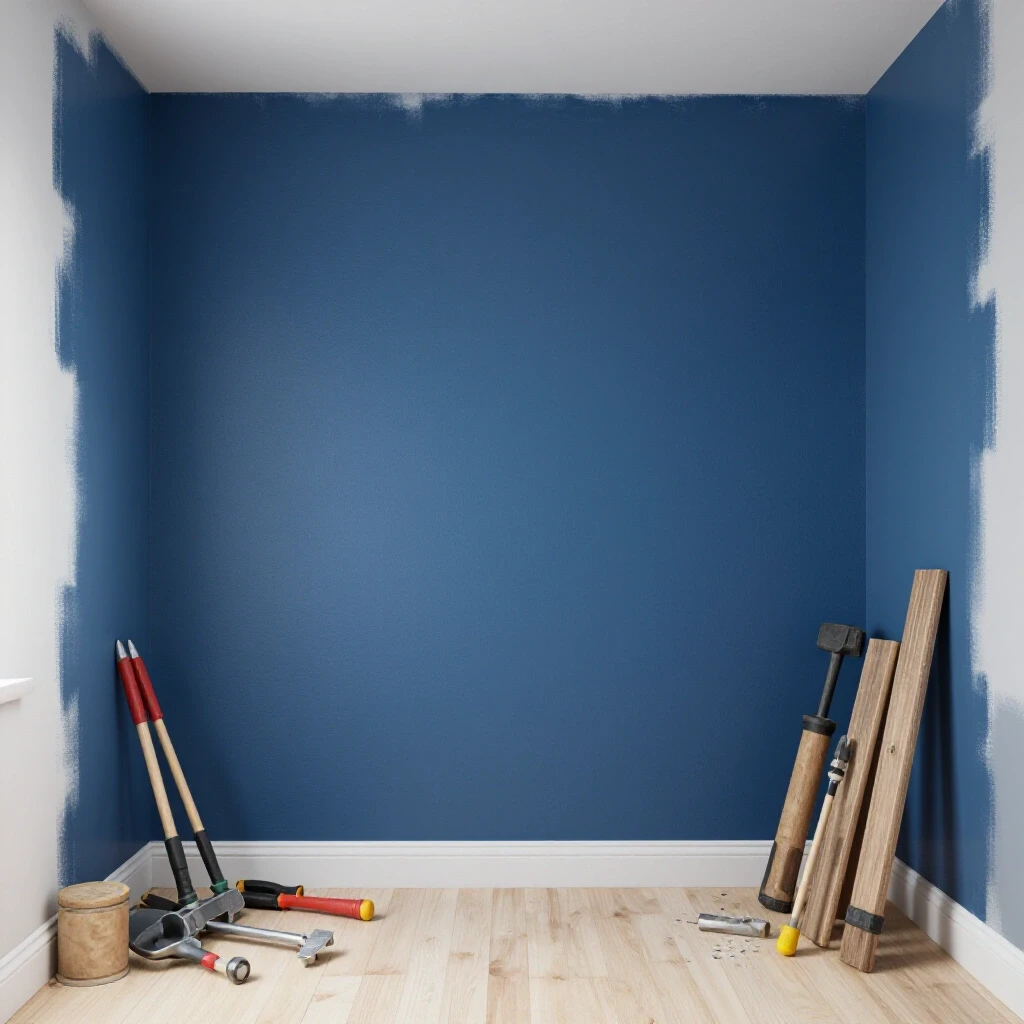
In my professional experience, the most successful projects start with a clear “site logistics plan.” This plan identifies where the “clean zone” ends and the “work zone” begins. When I renovated my second home, I used 6-mil polyethylene plastic and zip-poles to create a pressurized seal around our one functional room. This prevented fine drywall dust from migrating into our sleeping area.
Residential renovation planning requires you to think about daily functions like coffee, hygiene, and internet access. If the kitchen is gutted, your one-room setup needs a designated “kitchenette” corner with a microwave and a gallon-water dispenser. I often advise clients to include “temporary facility costs” in their initial scope to cover things like a portable sink or a small induction burner.
| Renovation Phase | Impact on Daily Living | Adaptation Strategy |
|---|---|---|
| Demolition | High Noise and Dust | Seal all vents; use HEPA air scrubbers. |
| Rough-In | Utility Interruptions | Schedule water/power shut-offs for mid-day. |
| Drywall/Sanding | Extreme Fine Dust | Double-tape door seals; change HVAC filters weekly. |
| Flooring/Painting | Strong Odors | Increase ventilation; plan a night away if sensitive. |
| Finish Carpentry | Low Impact | Clear paths for tool movement and staging. |
Budgeting for the Confined Renovation
Budget forecasting is the process of estimating the total cost of materials, labor, and permits before any work starts. For a project where you are staying on-site, the budget must account for the inefficiencies of working around a resident. Contractors may charge a small premium because they have to clean up more thoroughly at the end of each day.
Using RSMeans construction data, we know that a mid-range kitchen remodel typically costs between $150 and $250 per square foot. However, when you are living in the home, you should add a “living expense” line item. This isn’t just for the materials; it is for the extra takeout meals or the laundromat trips you will inevitably make.
Building a contingency fund is your best defense against the “while we are at it” trap. I recommend a 15% to 25% buffer depending on the age of your home. If your house was built before 1978, your budget must include a specific allocation for lead paint testing and abatement. These hidden costs can easily eat up $2,000 to $5,000 before the first new cabinet is even ordered.
| Property Age | Recommended Contingency | Common Hidden Issues |
|---|---|---|
| 0–15 Years | 10% | Minor settling, builder-grade material failure. |
| 16–40 Years | 15% | Outdated plumbing (polybutylene), aging HVAC. |
| 41–70 Years | 20% | Galvanized pipes, ungrounded wiring, asbestos. |
| 71+ Years | 25%+ | Knob-and-tube wiring, structural rot, lath and plaster. |
Contractor Management from the Inside Out
A contractor management guide focuses on the systems you use to vet, hire, and oversee the professionals working in your home. When you are living in one room, the “vetting” process becomes more personal because these individuals will be near your private space for eight hours a day. You are not just hiring a skill set; you are hiring a guest.
During my 18 years in the field, I’ve found that communication style is the biggest predictor of a smooth project. I always ask potential contractors how they handle “site protection” and “daily cleanup.” If a contractor scoffs at the idea of using floor protection or dust barriers, they are likely to be careless with your remaining living area as well.
Interestingly, the best way to avoid disputes is to have a “communication log” located right outside your door. I used a simple whiteboard in my own renovations. It allowed me to see which subcontractors were expected each day. This prevented the “surprise” of a plumber walking into the house while we were still in our bathrobes.
- Verify all licenses and insurance certificates directly with the issuing agency.
- Request a list of at least three references from projects where the owners stayed on-site.
- Establish “house rules” regarding bathroom use, smoking, and radio volume.
- Use a formal contract that includes a “clean site” clause for the end of each workday.
Critical Path Scheduling in Tight Quarters
Construction sequencing is the logical order of operations required to complete a build. The “critical path” is the specific sequence of tasks that, if delayed, will push back the final completion date. Understanding this helps you manage your expectations for how long you will be confined to a small space.
Building on this, you must understand the difference between “rough-in” and “finish” phases. Rough-in plumbing and electrical happen behind the walls and usually involve the most noise and utility shut-offs. Finish phases involve installing cabinets, lights, and faucets. These are much quieter and signal that your period of living in one room is nearing its end.
As a result of tight scheduling, material lead times can become a major bottleneck. I once managed a project where the custom kitchen cabinets were delayed by six weeks. Because we were living on-site, that meant six extra weeks of washing dishes in the bathtub. To prevent this, never start demolition until 100% of your long-lead items, like windows or cabinets, are physically in your garage or a local warehouse.
- Phase 1: Planning and Permitting. (4–8 weeks) No physical impact on the home.
- Phase 2: Demolition and Structural. (1–2 weeks) The loudest and messiest stage.
- Phase 3: Rough-Ins. (2–3 weeks) Expect frequent water and power interruptions.
- Phase 4: Drywall and Paint. (2 weeks) The peak of dust migration issues.
- Phase 5: Cabinetry and Flooring. (2 weeks) The “cleaner” phase begins.
- Phase 6: Finish Trades and Punch List. (1–2 weeks) Final fixtures and touch-ups.
Handling Site Management and Hidden Structural Issues
Structural inspection checklists are tools used to identify problems like mold, rot, or outdated wiring as soon as the walls are opened. When you are living in the house, these discoveries can feel like a personal crisis. However, finding these issues during the “rough-in” phase is actually a success, as it allows you to fix them before they are covered up again.
In one of my personal remodels, we pulled back the bathroom drywall to find a slow leak that had rotted the floor joists. A floor joist is a horizontal beam that supports the floor. Because we were living right there, I was able to see the damage immediately. We paused for two days to sister the joists—a process of adding new wood alongside the old—which cost an extra $800 but saved us from a structural failure later.
Managing “scope creep” is also vital during this stage. Scope creep happens when you add “just one more thing” to the project. When you are living in a construction zone, the desire to finish quickly is strong. Every change order—a formal document that modifies the original contract—usually adds at least three to five days to the schedule.
- Check for Mold: Look for black or green staining on studs.
- Inspect Wiring: Ensure no “knob and tube” or frayed insulation is present.
- Verify Plumbing: Look for signs of corrosion on copper or galvanized pipes.
- Test Subfloors: Walk the area to identify any soft spots or squeaks that need screws.
Quality Control and Resolving the Punch List
A punch list is a final document created at the end of a project that lists small items needing repair or completion before the final payment is made. This is the “home stretch” of your time in a confined living space. It is tempting to just pay the contractor and get your house back, but this is when your leverage is highest.
I recommend a “walk-through” with a high-powered flashlight. Shine the light sideways across walls to find paint drips or drywall humps. Check every outlet with a $10 circuit tester to ensure they are grounded correctly. In my professional coordination work, I never release the final 10% of the contract price until every single item on that list is checked off.
Post-occupancy evaluations are simply a way to check how the new space works for you after a few weeks of use. Sometimes, you might find that a cabinet door swings the wrong way or a light switch is in an awkward spot. Most reputable contractors offer a one-year warranty on labor. Keep a running list of these minor issues and have the contractor come back once, three months later, to handle them all at once.
Practical Tools for Managing the Build
- Buildertrend or CoConstruct: These are apps many contractors use to share schedules and photos.
- HomeZada: A digital tool for tracking your home’s assets, warranties, and remodel costs.
- MagicPlan: An app that lets you create floor plans using your phone’s camera to help with furniture layout in your temporary room.
- RSMeans Data Online: For verifying if a contractor’s quote for “extra work” is within the national average.
- Lien Waiver Templates: Documents you should have subcontractors sign every time you pay them to protect yourself from legal claims.
Conclusion: Preparing for the Long Haul
Navigating a major renovation while staying in the home is a marathon, not a sprint. It requires a blend of rigid project management and flexible daily living. By defining your scope early, keeping a healthy contingency fund, and maintaining a clear “clean zone,” you can reduce the friction that usually leads to contractor disputes.
The key is to remember that the dust is temporary, but the structural integrity and design choices are permanent. Take the time to vet your team thoroughly and don’t be afraid to ask for daily updates. Your goal is to move out of that one room and back into a house that was built right, on time, and within a realistic budget.
Frequently Asked Questions
How do I keep dust out of my sleeping area during a remodel?
You should use a combination of physical barriers and air pressure. Install heavy-duty plastic sheeting with specialized “zip-poles” to create a tight seal. Additionally, place a box fan in a window within the construction zone, blowing outward. This creates “negative air pressure,” which pulls dust away from your clean living space.
What is a realistic contingency fund for a bathroom remodel?
For a bathroom, where water damage is often hidden behind tiles, I recommend a 20% contingency fund. If your quote is $15,000, you should have $3,000 set aside for unexpected issues like rotted subfloors or outdated plumbing that doesn’t meet current building codes.
How do I handle a contractor who isn’t following the schedule?
First, refer back to your “critical path” schedule in the contract. Hold a formal meeting to discuss the delays. If the delay is due to poor management rather than material shortages, you may need to issue a “notice to cure,” which is a formal letter giving them a set number of days to get back on track before you seek other options.
Is it safe to stay in the house during lead paint or asbestos removal?
Generally, no. If your home tests positive for lead or asbestos, the law often requires a professional abatement team to seal the area completely. During the actual removal and “hot” phase, it is best to stay in a hotel for 24 to 48 hours until the air has been cleared and tested by a third party.
What should I include in a “house rules” document for contractors?
Include specific start and end times (e.g., 8:00 AM to 4:30 PM). Specify which bathroom the crew should use. State your policy on smoking on the property and where they can park their trucks. These small details prevent daily friction when you are living in close quarters.
How do I wash dishes without a kitchen for a month?
Many homeowners use a large plastic tub in the bathtub for washing. However, a better solution is to set up a temporary station in your “one room” with a five-gallon water dispenser and a bucket for “gray water” (used water). Use compostable paper plates as much as possible to minimize the need for washing.
What are “lien waivers” and why do I need them?
A lien waiver is a receipt from a subcontractor or material supplier stating they have been paid in full for their work. Even if you pay your general contractor, if they don’t pay the plumber, the plumber can put a “lien” on your house. Always collect signed waivers before making your final payment.
How can I tell if a wall is load-bearing before the project starts?
A load-bearing wall supports the weight of the roof or the floor above it. You can often tell by looking in the attic or basement; if walls are aligned directly over a beam or run perpendicular to the floor joists, they are likely load-bearing. Always have a structural engineer verify this before demolition begins.
How do I manage my pet’s stress during a renovation?
Pets are very sensitive to the noise and “stranger danger” of a remodel. If possible, keep your pet in your designated “clean room” with a white noise machine to drown out the sound of power tools. Ensure contractors know to keep exterior doors closed to prevent any accidental escapes.
What is the “rough-in” phase of a remodel?
The rough-in phase occurs after demolition but before the walls are closed with drywall. This is when the “guts” of the home—the electrical wires, plumbing pipes, and HVAC ducts—are installed. This is the most critical time for inspections, as the city inspector must see the work before it is hidden.
(This article was written by one of our staff writers, David Langford. Visit our Meet the Team page to learn more about the author and their expertise.)