How to Prevent Garage Floor Coating Peeling (Step-by-Step Guide)

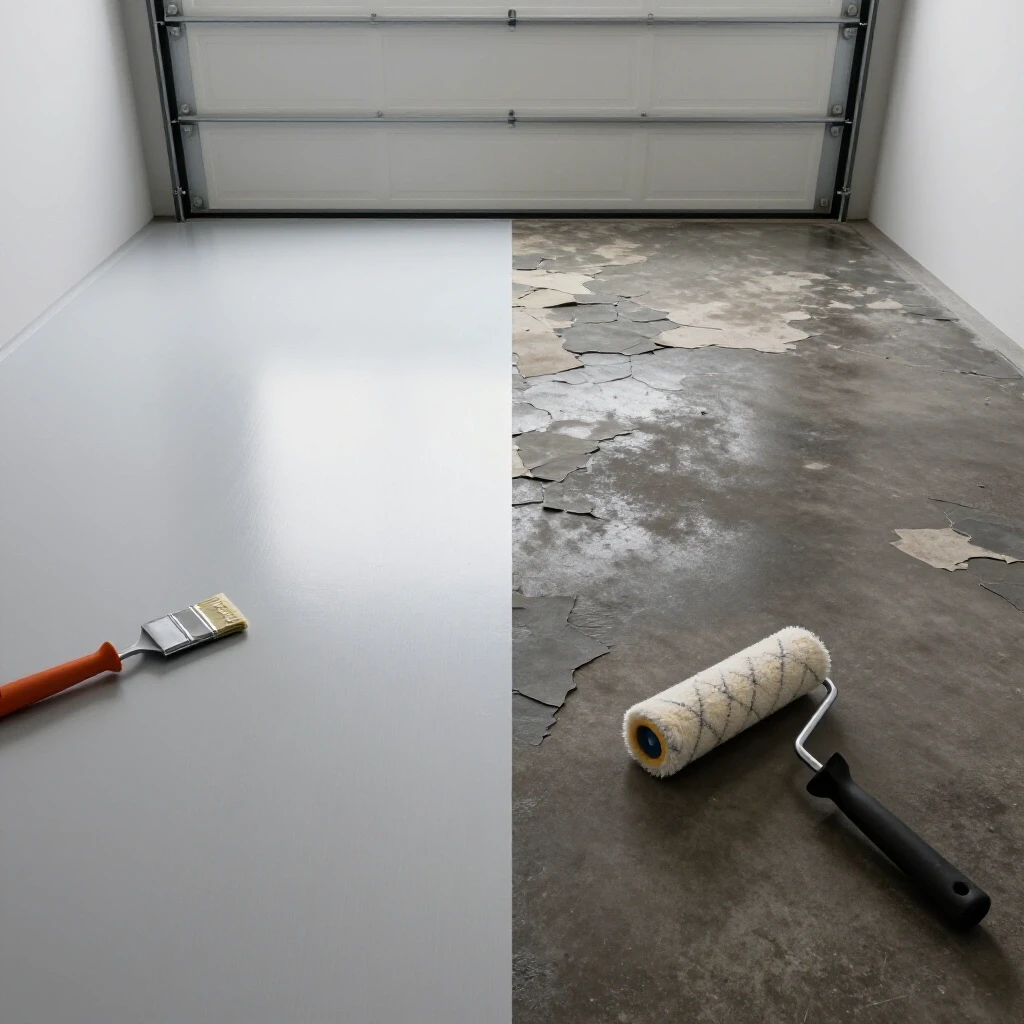
The garage floor is often the last thing on a homeowner’s mind during a major kitchen or whole-house remodel, but it is frequently the first surface to show significant wear-and-tear once the heavy equipment leaves. In my 18 years as a project coordinator, I have seen many homeowners invest six figures into a beautiful interior only to have the garage floor fail within six months. This failure usually looks like unsightly bubbling or large flakes of grey paint sticking to car tires, a process known as delamination.
Early in my career, I managed a full-home renovation where we treated the garage floor as a quick weekend task at the end of the project. We didn’t account for the moisture levels in the old concrete slab or the drop in temperature during the late autumn application. Within three weeks of the owners moving back in, the finish began to lift in large sheets. That mistake cost us three times the original budget to grind down the failed material and start over. It taught me that surface treatments require as much planning as a structural foundation.
Establishing the Scope for Concrete Surface Treatments
Defining the scope of work means listing every task a contractor must perform to ensure a finish sticks to the concrete. This document prevents “scope creep,” where the project grows in size and cost because the initial plan was too vague.
When you are planning a residential renovation, the garage floor should be treated as a high-traffic zone rather than a storage area. A proper scope of work for a resinous finish includes mechanical surface preparation, crack repair, and a multi-layer application process. Many homeowners make the mistake of accepting a bid that only mentions “painting” the floor. In the world of construction, “painting” and “coating” are not the same thing. A coating is a high-performance chemical bond, while paint simply sits on top of the surface and is prone to failure.
I always advise clients to look for “mechanical profiling” in their estimates. This is the process of using a diamond grinder to scuff the concrete surface. This creates a texture similar to medium-grit sandpaper, which allows the resin to “bite” into the stone. If a contractor suggests only using a liquid acid wash, be wary. In my experience, acid etching rarely provides the deep profile needed for long-term durability, especially on older slabs with existing oil stains or sealers.
- Verify if the bid includes grinding or just washing.
- Ensure the contractor identifies and fills all spider cracks.
- Confirm the number of layers (primer, base coat, and topcoat).
- Check if the quote includes moving heavy appliances or built-in cabinets.
Realistic Budgeting Using Construction Estimating Data
Budget forecasting involves using industry-standard data to predict costs before you sign a contract. Using resources like RSMeans helps you identify if a contractor’s bid is suspiciously low or unnecessarily high for your specific region.
For a standard two-car garage (approximately 400 to 500 square feet), professional resinous finishes typically range from $5 to $9 per square foot. This price fluctuates based on the condition of your concrete and the type of material used, such as epoxy or polyaspartic resins. If you receive a bid for $2 per square foot, the contractor is likely skipping the essential preparation steps or using low-grade materials that will peel within a year.
In my own home renovations, I always set aside a 20% contingency fund specifically for the garage. Why? Because you never know what is under the old sealer until you start grinding. You might find “soft” concrete that requires more primer or hidden oil patches that need specialized degreasers. Below is a breakdown of how professional bids usually compare to national averages for a 400-square-foot space.
| Expense Category | RSMeans National Average | High-End Professional Bid | Why the Difference? |
|---|---|---|---|
| Surface Preparation | $1.50 / sq. ft. | $2.50 / sq. ft. | Diamond grinding vs. basic cleaning. |
| Material Costs | $2.00 / sq. ft. | $3.50 / sq. ft. | Industrial-grade solids vs. DIY kits. |
| Labor & Overhead | $2.00 / sq. ft. | $3.00 / sq. ft. | Experienced crews with dust collection. |
| Total Estimated Cost | $2,200 | $3,600 | Quality of bond and longevity. |
Sequencing the Floor Finish in a Whole-House Remodel
Construction sequencing is the art of scheduling trades so they don’t get in each other’s way or ruin previous work. The garage floor treatment must be timed perfectly to avoid damage from other renovation phases.
A common mistake is applying the floor finish too early in a whole-house remodel. I once coordinated a project where the garage floor was finished first so the owners could store their new kitchen cabinets there. Unfortunately, the plumbers and electricians had to walk across that floor with heavy boots and ladders for the next two months. By the time the house was finished, the garage floor was covered in scratches and drywall dust that had been ground into the finish.
The ideal time for a garage surface treatment is near the very end of the project, specifically during the “finish phase.” This is after the heavy “rough-in” work (plumbing, electrical, and framing) is done and after the interior painting is complete. However, it should be done before the final “punch list” items. This prevents dust from the garage grinding process from settling on your newly painted interior walls.
- Phase 1: Demolition and structural work (Keep garage clear).
- Phase 2: Rough-ins and drywall (Use garage for staging materials).
- Phase 3: Interior painting and flooring (Garage remains a work zone).
- Phase 4: Garage floor preparation and application (No traffic for 48-72 hours).
- Phase 5: Final move-in and landscaping.
Why Moisture and Temperature Cause Finish Failures
Moisture Vapor Transmission (MVT) is the movement of water through a concrete slab from the ground below. If there is too much moisture, it will push the coating off the surface, leading to those frustrating bubbles and peels.
Before you invest in a floor treatment, you must perform a simple moisture test. You can do this yourself by taping a 2-foot by 2-foot square of clear plastic to the garage floor with duct tape. Seal all four sides tightly. Leave it for 24 to 48 hours. If you see beads of water under the plastic or if the concrete looks darker when you peel it up, you have a moisture problem.
In my professional coordination work, I have seen $5,000 floors fail because the homeowner ignored a high water table. If your test shows moisture, you must use a “moisture vapor barrier” primer. This is a specialized resin designed to block the water pressure. It adds about $1.50 per square foot to the cost, but it is the only way to prevent peeling in damp environments. Temperature also plays a role; most resins require the concrete to be at least 50 degrees Fahrenheit. Applying these materials on a freezing slab is a recipe for a sticky, uncurred mess.
Vetting Contractors and Avoiding Disputes
Contractor vetting is the process of verifying a professional’s skills and history before hiring them. In the specialized world of concrete finishes, you need someone who understands chemistry, not just someone who can swing a roller.
When interviewing contractors, ask them about their “dust mitigation” strategy. Diamond grinding creates an incredible amount of fine white dust that can coat everything in your home if not managed. A professional will use industrial vacuums with HEPA filters attached directly to their grinders. If a contractor tells you they will just “sweep up afterward,” they are not the right person for a high-quality residential project.
Another way to avoid disputes is to clarify the “curing time” in the contract. Curing is the chemical process where the liquid resin turns into a hard solid. Many homeowners assume they can drive on the floor the next day. In reality, while you might be able to walk on it in 24 hours, car tires can cause “hot tire pick-up” if driven on too soon. This is when the heat from your tires softens the finish and pulls it right off the floor. Ensure your contractor provides a written care guide that specifies when you can return your vehicles to the garage.
- Ask for photos of projects that are at least three years old.
- Request a written explanation of their moisture testing protocol.
- Verify they carry specific liability insurance for floor applications.
- Ensure the contract includes a “lien waiver” upon final payment.
Managing the Critical Path and Site Coordination
The critical path is the sequence of project steps that determines the minimum time needed to finish a job. If one step on the critical path is delayed, the whole remodel is delayed.
Garage floor treatments are a “bottleneck” task. Because the material needs time to cure and the garage must be completely empty, it stops all other work in that area. I recommend using a digital scheduling tool or a simple Gantt chart to visualize this. If your contractor says the floor will take three days, you should actually schedule five days of “float time.” Float time is a buffer that accounts for high humidity slowing down the drying process or a surprise equipment breakdown.
During the application, site coordination is vital. You must ensure that no other subcontractors—like landscapers or painters—enter the garage. I have seen a beautiful floor ruined because a neighbor’s cat walked across the wet resin or a gardener blew grass clippings into the open garage door while the topcoat was tacky. Physical barriers and clear “Do Not Enter” signs are low-tech but essential tools for a successful outcome.
Quality Control Benchmarks and the Punch List
A punch list is a final checklist of small items that must be fixed before the contractor receives their final payment. For a garage floor, this happens once the material is fully cured and you can inspect it in daylight.
When inspecting the finished work, look for “outgassing” bubbles. These look like tiny pinholes and happen when air escapes the concrete while the resin is drying. A few are normal, but a surface covered in them indicates the contractor didn’t prime the floor correctly. Also, check the edges along the baseboards or walls. The finish should be crisp and consistent, without “holidays”—which is industry slang for spots that were missed by the roller.
If you find issues, do not pay the final balance until they are addressed. A reputable contractor will have no problem coming back to touch up a spot. However, if the entire floor is peeling or feels sticky after 72 hours, there was a fundamental error in the mixing or preparation. This is why milestone payments are so important. Never pay more than 30% upfront; keep at least 10% of the total cost as a “retention” payment until the punch list is complete.
- Check for consistent color and flake distribution.
- Verify the surface is slip-resistant if that was in the scope.
- Ensure no resin has splashed onto the bottom of your walls or water heater.
- Test that the garage door still seals correctly against the new surface height.
Post-Occupancy Evaluation and Long-Term Maintenance
A post-occupancy evaluation is a review of how the project is performing after you have lived with it for a few months. For a garage floor, this is the time to see if your planning paid off.
Maintenance is the key to preventing future wear-and-tear. Even the best industrial finish can be damaged by sand and grit acting like sandpaper under your tires. I recommend a simple cleaning routine: sweep weekly and mop with a pH-neutral cleaner once a month. Avoid using harsh bleach or ammonia, as these can dull the shine of the topcoat over time.
Reflecting on my 18 years in the field, the most successful renovations are those where the homeowner was an active manager of the process. By understanding the “why” behind surface preparation and moisture control, you move from being a frustrated bystander to an informed decision-maker. A garage floor that stays put isn’t a matter of luck; it’s a result of respecting the chemistry and the sequence of the build.
FAQ: Common Concerns Regarding Garage Surface Failures
Why did my floor start peeling right where I park my car? This is often “hot tire pick-up.” When you drive, your tires get hot. When you park, that heat can soften a low-quality or improperly cured finish. As the tires cool, they shrink slightly and grab the finish. When you pull out the next morning, the tire pulls the finish off the concrete. Using a high-solids polyaspartic or industrial epoxy usually prevents this.
Can I apply a new finish over an old, peeling one? No. If the original layer is peeling, it means the bond to the concrete has failed. Applying a new layer on top is like building a house on a sinking foundation. The old material must be mechanically removed via grinding or shot-blasting until you reach “virgin” concrete.
How long do I really have to wait before walking on the floor? Most professional resins are “tack-free” in 8 to 12 hours, meaning you can walk on them in clean socks. However, I always recommend waiting a full 24 hours for foot traffic and at least 72 hours (or up to 7 days for some epoxies) before parking a vehicle. Check the manufacturer’s data sheet for “full cure” times.
What is the difference between a DIY kit and a professional application? DIY kits found at big-box stores are typically water-based and have a low “solids content” (around 30-40%). This means as they dry, most of the product evaporates, leaving a very thin film. Professional products are often 100% solids, meaning the thickness you apply is the thickness that remains, resulting in a much tougher surface.
Will a new finish hide the cracks in my garage floor? Only if they are repaired first. Resins are liquids and will sink into cracks, often making them more visible. A professional will use a “crack chaser” (a small saw) to clean the crack and then fill it with a rigid epoxy paste before applying the main floor treatment.
Is acid etching enough preparation for an older garage? Rarely. Acid etching only works if the concrete is “open” and porous. If your floor has ever been sealed, or if there are oil spills, the acid won’t reach the concrete. Diamond grinding is the industry gold standard because it physically removes the top layer of the slab, ensuring a clean bond.
What should I do if I see bubbles forming while the contractor is still there? Point them out immediately. Bubbles are often caused by “outgassing,” where the concrete “breathes” as the temperature rises. Experienced contractors will often apply finishes in the late afternoon when the slab temperature is falling to prevent this. They can often “back-roll” the area to pop the bubbles before the resin sets.
How does humidity affect the application? High humidity can cause some resins, especially certain polyurethanes, to cure too quickly or turn cloudy (a phenomenon called “blushing”). If the humidity is over 85%, most professionals will postpone the application until conditions improve.
Does a garage floor finish add value to my home? According to various cost-vs-value reports, a clean, finished garage floor improves the “perceived value” of a home. While it may not offer a 1-to-1 financial return like a kitchen remodel, it often helps a home sell faster by making the garage feel like a finished, usable part of the living space.
What is a “moisture vapor barrier” and do I need one? It is a specialized primer that can withstand the pressure of water vapor pushing up through the slab. If your plastic sheet test showed any moisture, or if your home is in a low-lying area with a high water table, this is a mandatory step to prevent future peeling.
(This article was written by one of our staff writers, David Langford. Visit our Meet the Team page to learn more about the author and their expertise.)