How to Prevent Garage Floor Epoxy Peeling (Step-by-Step Guide)

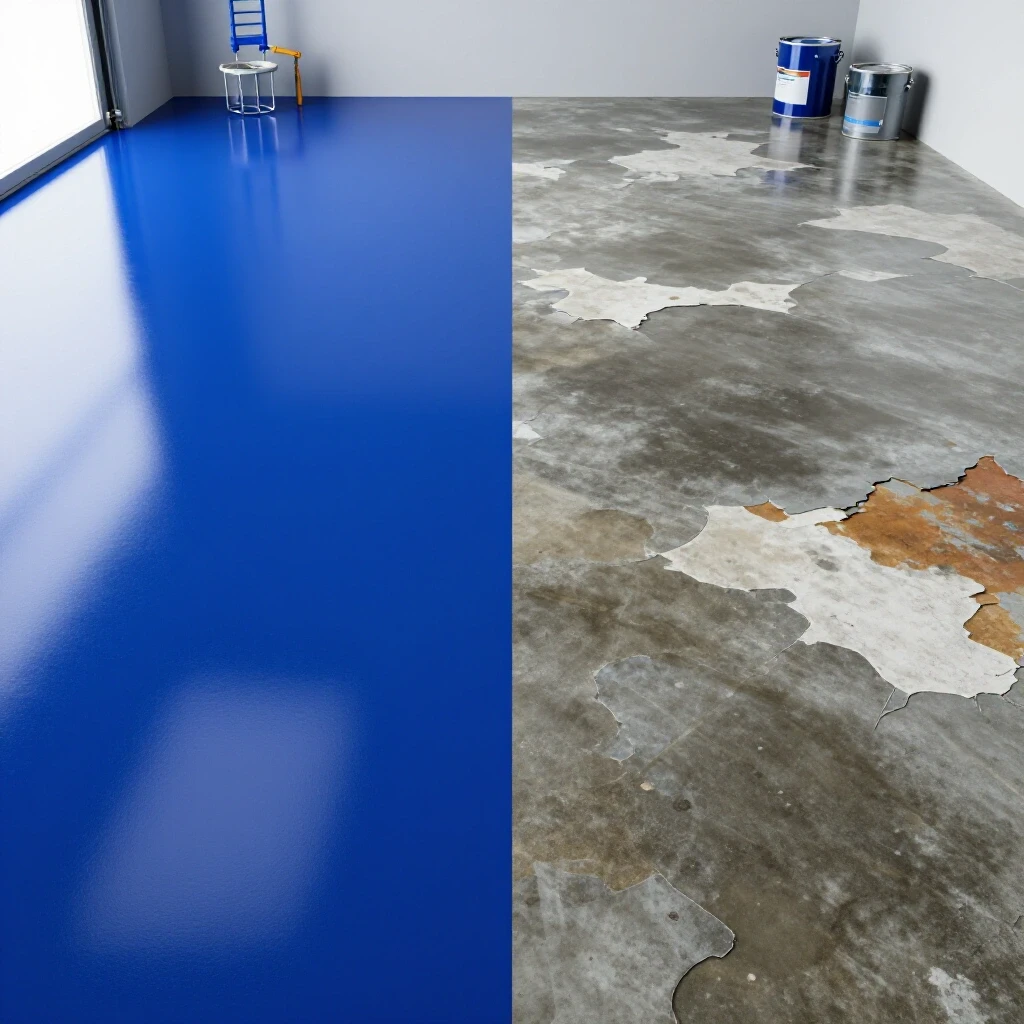
When you prepare a home for sale, the garage is often the first thing a buyer sees after the driveway. A clean, finished floor can boost resale value by making the space feel like a functional extension of the living area rather than a cold utility room. However, choosing the wrong material can lead to a messy, peeling disaster that actually hurts your home’s appeal.
In my 13 years as a supply chain analyst, I have evaluated thousands of home materials based on how they perform in the real world. I have seen homeowners spend thousands on high-end finishes only to watch them fail because they ignored technical specs. My own experience with a failed DIY coating taught me that the cheapest upfront option often carries the highest long-term cost. This guide will help you navigate the technical trade-offs of garage floor coatings so you can choose a system that lasts.
Technical Standards for Garage Floor Coatings
Technical standards for garage coatings define how well a material bonds to concrete and resists wear over time. These metrics, often set by organizations like ASTM International, measure things like hardness, thickness, and moisture tolerance. Understanding these specs helps you look past marketing claims to see how a product will actually perform in your home environment.
Understanding Concrete Surface Profiles (CSP)
The Concrete Surface Profile (CSP) is a standard scale from 1 to 9 that describes the roughness of a concrete surface. For a coating to stick, the concrete must be “open” enough for the resin to soak in and grab hold. Most residential coatings require a CSP of 2 or 3, which feels like medium-grit sandpaper.
If you skip the grinding or etching process, the concrete remains too smooth for the coating to bond. This is the primary reason most DIY kits fail within the first two years. Without the right profile, the material simply sits on top of the concrete rather than becoming part of it.
Measuring Coating Thickness in Mils
Thickness in the world of resinous flooring is measured in mils, where one mil is equal to 1/1000th of an inch. A standard big-box store kit might only provide a dry film thickness of 2 to 3 mils. Professional-grade systems often range from 15 to 30 mils, providing a much thicker wear layer.
A thicker coating is more than just a luxury; it hides imperfections in the concrete and provides a more durable surface. When you compare materials, always look for the “solids content” percentage. A 100% solids product stays the same thickness as it dries, while a 50% solids product will shrink by half as the water or solvent evaporates.
Evaluating the True Cost of Premature Coating Failure
The true cost of a home material includes the initial purchase price, the labor for installation, and the cost of future repairs. When a floor coating peels, you cannot simply paint over the bad spots. You must remove the entire floor and start over, which often costs twice as much as the first attempt.
Why Higher Upfront Costs Don’t Always Guarantee Durability
Price and durability are not always perfectly linked, but there is a baseline cost for quality resin and proper preparation. A cheap kit might cost $150, but it often lacks the UV stability and bond strength of a $2,000 professional installation. The trade-off is usually between your time and the material’s longevity.
Six years ago, I tried to save money by using a water-based epoxy kit on my two-car garage. I spent a weekend cleaning the floor and rolling on the product. Within 18 months, the coating began to lift where my tires sat. The “hot tire pick-up” was a result of the low-quality resin softening under heat and pulling away from the smooth concrete.
Side-by-Side Material Performance Specifications
| Specification | DIY Water-Based Epoxy | High-Solids Epoxy | Polyaspartic Coating |
|---|---|---|---|
| Solids Content | 40% – 50% | 90% – 100% | 70% – 90% |
| Dry Film Thickness | 2 – 4 mils | 10 – 20 mils | 15 – 30 mils |
| Adhesion Strength | Low (200 psi) | High (400+ psi) | Very High (500+ psi) |
| UV Resistance | Poor (Yellows) | Moderate | Excellent |
| Cure Time | 3 – 7 days | 24 – 48 hours | 4 – 24 hours |
Comparing Resin Types: Epoxy vs. Polyaspartic
Choosing between different resin types requires a balance of budget, climate, and how you use your garage. Epoxy is the traditional choice known for its strong bond, while polyaspartic is a newer technology that offers faster curing and better resistance to sunlight. Both have specific technical requirements for a successful application.
The Trade-Offs of Traditional Epoxy Systems
Epoxy is a thermosetting polymer that creates a hard, plastic-like surface through a chemical reaction between a resin and a hardener. It is excellent for filling small cracks and creating a level surface. However, most epoxies are sensitive to moisture in the concrete and will turn yellow if exposed to direct sunlight.
- Pros: High bond strength, lower material cost, long “pot life” for easier application.
- Cons: Slow cure time, prone to yellowing, sensitive to temperature during installation.
The Advantages of Polyaspartic Technology
Polyaspartic coatings are a sub-category of polyurethanes that cure much faster than epoxy and remain flexible. This flexibility allows the coating to move slightly with the concrete as temperatures change, reducing the risk of cracking. They are also UV-stable, meaning they won’t change color if you leave your garage door open.
- Pros: Fast installation (often one day), UV resistant, high impact resistance.
- Cons: Very short working time (20-30 minutes), higher material cost, requires professional tools.
The Critical Role of Surface Preparation
Surface preparation is the most important step in any flooring project, yet it is the one most homeowners try to rush. If the concrete is not clean, dry, and rough, even the most expensive resin will eventually peel. Proper prep ensures the material can achieve a mechanical bond with the substrate.
Testing for Moisture Vapor Transmission
Moisture vapor transmission (MVT) is the movement of water through the concrete slab from the ground below. If too much moisture pushes upward, it creates pressure that can pop the coating off the surface. You can test this by taping a 2×2 foot piece of plastic to your floor for 48 hours; if beads of water appear under the plastic, your floor has a moisture issue.
For floors with high moisture, you must use a specialized moisture-mitigation primer. This adds to the upfront cost but prevents a total floor failure later. Most standard DIY kits do not include these primers, which is why they frequently fail in humid climates or on older slabs without a vapor barrier.
Upfront Cost vs. 15-Year Maintenance Outlay
| Expense Category | DIY Epoxy Kit | Professional Epoxy | Professional Polyaspartic |
|---|---|---|---|
| Initial Cost (500 sq ft) | $300 | $2,500 | $3,500 |
| Expected Lifespan | 2 – 4 years | 10 – 15 years | 15 – 20 years |
| Recrating/Repair Cost | $2,500 (Full Strip) | $500 (Top coat) | $300 (Cleaning) |
| Total 15-Year Cost | $7,800 (3 failures) | $3,000 | $3,800 |
Sourcing and Supply Chain Recommendations
Finding the right materials and installers requires a systematic approach to vetting suppliers. The supply chain for garage coatings ranges from consumer-grade products at local hardware stores to industrial-grade resins sold only to certified contractors. Knowing where your material comes from can tell you a lot about its quality.
How to Evaluate a Coating Specification Sheet
When comparing products, ask the manufacturer for a Technical Data Sheet (TDS). This document lists the actual performance of the material in standardized tests. Look specifically for ASTM D4541, which measures the “pull-off strength” of the coating. A quality floor coating should be stronger than the concrete itself, meaning the concrete should break before the bond fails.
- Check the Solids Content: Ensure the product is at least 85% solids for a durable build.
- Review the VOC Levels: Volatile Organic Compounds (VOCs) can create strong odors that linger in your home for weeks.
- Verify the Pot Life: This tells you how long you have to apply the product once it is mixed.
- Confirm the Recommended CSP: Make sure the product’s required surface profile matches your prep method.
Finding a Qualified Installer
If you decide to hire a professional, your goal is to find someone who prioritizes preparation over speed. A good contractor will spend 70% of their time preparing the floor and only 30% applying the material. Ask them what equipment they use; industrial diamond grinders are the gold standard for creating the necessary surface profile.
- Ask for a moisture test: A professional should always test your slab before starting.
- Inquire about the warranty: Does it cover “hot tire pick-up” or “delamination”?
- Request a sample kit: Seeing the actual thickness and texture of the cured product is better than looking at a photo.
Lifetime Maintenance and Financial Trade-Offs
A well-installed garage floor requires very little maintenance, but it is not “set it and forget it.” Regular cleaning prevents dirt and grit from acting like sandpaper on the surface. Over a 15-year period, the maintenance costs for a high-quality system are significantly lower than the cost of repeatedly fixing a cheap one.
Routine Cleaning Regimens
To keep the finish looking new, you should sweep or leaf-blow the floor weekly to remove abrasive debris. For deeper cleans, use a pH-neutral cleaner mixed with water and a microfiber mop. Avoid using harsh acids or citrus-based cleaners, as these can dull the finish of an epoxy topcoat over time.
Interestingly, polyaspartic floors are often easier to clean because they are denser and less porous than epoxy. This means they resist staining from common household spills much better. If you use your garage for messy projects, the higher upfront price of polyaspartic might be worth the reduced cleaning effort.
Environmental Sensitivity Ratings
| Environmental Factor | Epoxy Sensitivity | Polyaspartic Sensitivity |
|---|---|---|
| Direct Sunlight | High (Will yellow) | Very Low |
| High Humidity | Moderate (Blushing) | Low |
| Cold Temps (during install) | High (Won’t cure) | Very Low |
| Standing Water | Low | Low |
Conclusion: Making a Confident Decision
Choosing a garage floor coating is a classic exercise in trade-off analysis. If you are on a tight budget and plan to move within a year, a DIY kit might provide a temporary cosmetic boost. However, if you want a floor that stands up to a decade of use and adds real value to your home, investing in professional-grade materials and mechanical surface preparation is the only logical path.
My own mistake taught me that you cannot cheat the physics of adhesion. By focusing on technical specs like CSP, mil thickness, and moisture transmission, you can avoid the frustration of a peeling floor. Take the time to evaluate the data, test your concrete, and choose a system that fits your long-term goals for your home.
FAQ
Why is my garage floor coating peeling off in large flakes?
Peeling is almost always caused by poor surface preparation or moisture under the slab. If the concrete was not ground down to a rough “sandpaper” texture, the coating has nothing to grip. Additionally, if moisture is rising through the concrete, it can break the bond between the resin and the floor, causing it to lift.
Can I apply a new coating over an old, peeling one?
No, you cannot successfully coat over a failing floor. The new layer will only be as strong as the old one beneath it. If the bottom layer is peeling, the new layer will peel right along with it. You must mechanically grind the floor down to bare concrete to ensure a proper bond for the new system.
How do I know if my concrete is too smooth for epoxy?
A simple way to check is the “water drop test.” Pour a few ounces of water onto different areas of your garage floor. If the water beads up, the concrete is sealed or too smooth. If the water soaks in and turns the concrete dark, the surface is porous enough to accept a coating.
Is professional installation really worth the extra cost?
For most homeowners, yes. Professionals have access to industrial diamond grinders that create a better surface profile than chemical etchants. They also use high-solids materials that are 5 to 10 times thicker than DIY kits. The longevity of a professional floor usually makes it cheaper on a “per year” basis.
What is “hot tire pick-up” and how do I avoid it?
This happens when tires get hot from driving and then sit on a low-quality coating. The heat softens the resin, and as the tires cool, they contract and grab the coating. When you move the car, the tires pull the coating off the floor. Using a high-solids epoxy or polyaspartic with a proper bond prevents this.
How long do I have to wait before walking or driving on a new floor?
This depends entirely on the material. Polyaspartic coatings can often be walked on in 4 to 6 hours and driven on in 24 hours. Traditional epoxies usually require 24 hours for foot traffic and 3 to 7 days before you can park a vehicle on them.
Does a coated floor make the garage slippery when wet?
Smooth coatings can be very slippery when wet. To prevent this, you should always include an anti-slip additive, such as aluminum oxide or decorative flakes, in the topcoat. These provide texture and grip without making the floor difficult to clean.
What is the difference between a “kit” and “industrial” materials?
Kits are usually water-based and have a low solids content, meaning they are mostly water that evaporates, leaving a very thin film. Industrial materials are usually 100% solids, meaning they don’t shrink as they cure, resulting in a much thicker and more durable surface.
Can I coat my garage floor if the concrete has cracks?
Yes, but the cracks must be repaired first. Most professionals use a rigid epoxy crack filler that is ground flush with the floor before the main coating is applied. If you just paint over a crack, it will likely show through the finished floor as the concrete shifts.
Is a polyaspartic coating better than epoxy for every garage?
Not necessarily. While polyaspartic is more UV-stable and faster to cure, it is also more expensive and has a very short working time, making it difficult for DIYers. Epoxy is often a better choice for leveling uneven floors because it flows more easily into low spots.
(This article was written by one of our staff writers, Andrew Morrison. Visit our Meet the Team page to learn more about the author and their expertise.)