Gas vs Electric Range Cost Comparison: Real Bill Analysis (Guide)

I stood in my kitchen last Tuesday, holding a clipboard and a digital thermometer, watching a pot of water reach a rolling boil. Over the last 13 years, I have managed three different home renovations, each time obsessing over the technical data of my major appliances. In my first home, I chose a traditional blue-flame setup, convinced that professional-grade hardware was the only way to cook. Five years later, in a modern condo, I switched to a smooth-top system to save space and simplify cleanup. Now, in my current property, I am looking at the long-term data I have gathered on energy use, component wear, and repair cycles.
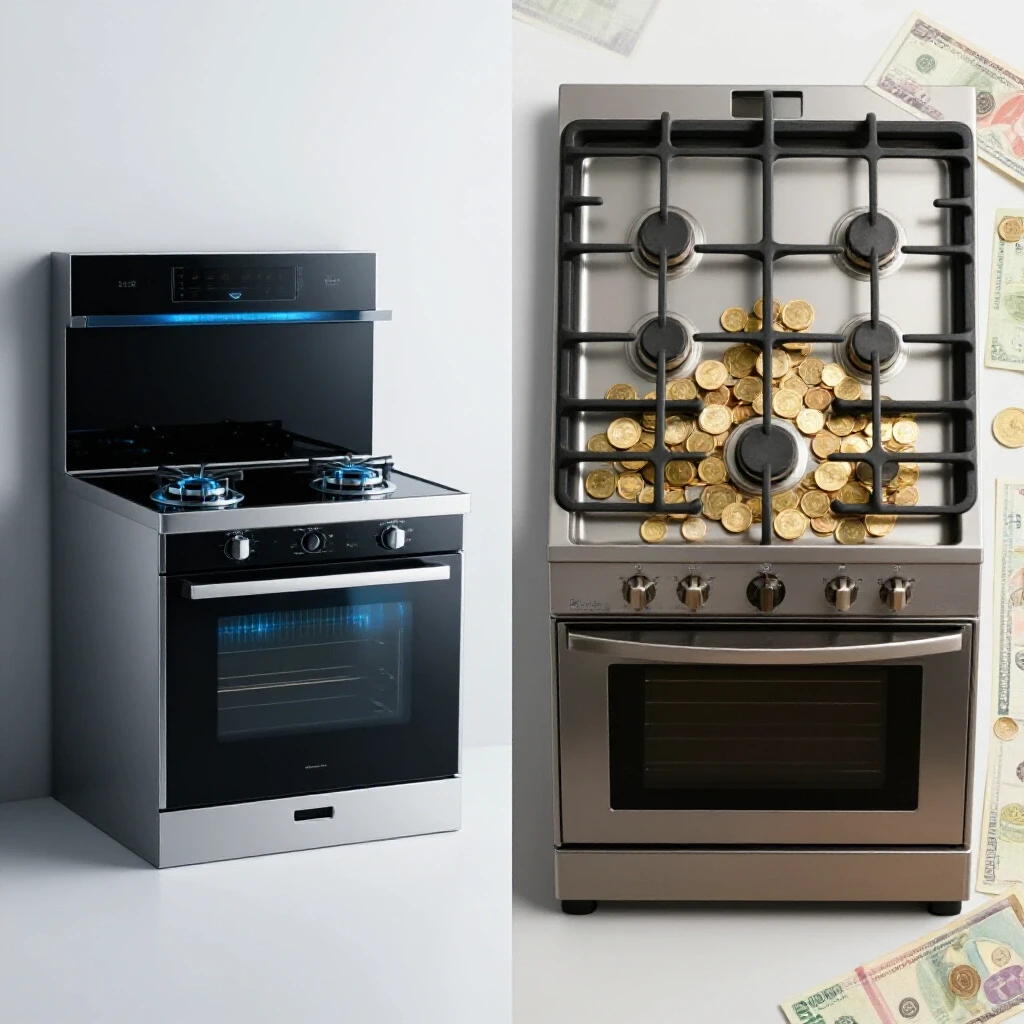
Choosing between a gas-fed system and an electric-powered unit is rarely about which one cooks better. Instead, it is a complex trade-off analysis involving energy prices, material durability, and how much time you want to spend scrubbing surfaces. My background in supply chain analysis has taught me that the cheapest sticker price often hides the highest long-term cost. By looking at the technical specifications and my own recorded energy outlays, we can determine which system truly fits a high-performance home.
Understanding Technical Material Specifications in Cooking Technology
Technical material specifications refer to the measurable physical properties of an appliance’s components, such as thermal conductivity and surface hardness. These metrics determine how well a unit transfers heat to your cookware and how easily the surface will degrade under daily use. Understanding these specs helps homeowners move past marketing claims and into evidence-based purchasing.
In the world of kitchen appliances, we look at how different materials handle stress. For example, the grates on a gas-burning unit are usually made of cast iron with a porcelain coating. This material is chosen for its high heat capacity, meaning it holds onto warmth for a long time. However, it is also porous and can chip if handled roughly. On the other side, electric smooth-tops use a glass-ceramic composite. This material is engineered for thermal shock resistance, allowing it to go from cold to hot without cracking.
Thermal Efficiency and Energy Transfer Rates
Thermal efficiency is the percentage of energy produced by a heat source that actually enters the food being cooked. Higher efficiency ratings mean less wasted energy and shorter cooking times, which directly impacts your monthly utility outlays. This metric is a primary driver in the total cost of ownership over a 15-year period.
- Traditional gas burners typically offer an efficiency of about 40% to 55%.
- Standard electric radiant coils or smooth-tops usually reach 70% to 75% efficiency.
- Advanced electromagnetic induction systems can hit 85% to 90% efficiency.
Building on this, the “wasted” energy in a gas system does not just disappear. It heats up your kitchen, which can increase the load on your cooling system during the summer months. Interestingly, while gas is often cheaper per unit of energy, the lower efficiency means you need more of it to do the same amount of work as an electric unit.
Surface Hardness and Scratch Resistance
Surface hardness is measured by the ability of a material to resist permanent indentation or scratching, often referenced by the Mohs scale. For a kitchen appliance, this determines how the surface will look after years of sliding heavy stainless steel or cast iron pans across it. A durable surface maintains the home’s resale value and reduces the need for specialized cleaning tools.
Glass-ceramic tops are surprisingly hard, often ranking around a 6 or 7 on the Mohs scale. This makes them more resistant to scratches than the stainless steel frames often found on gas units. However, they are susceptible to “pitting” if sugary liquids boil over and are not cleaned immediately. Cast iron grates do not scratch in the traditional sense, but the porcelain enamel can wear down, exposing the raw metal to moisture and potential oxidation.
Evaluating the Real Trade-Offs of Monthly Operating Expenses
Monthly operating expenses are the recurring costs associated with powering an appliance based on local utility rates and household usage patterns. While the upfront price of an appliance is a one-time hit, the energy draw continues for the life of the machine, which is typically 13 to 15 years. Analyzing these costs requires looking at both the fuel price and the machine’s efficiency.
Based on the data I have tracked across multiple properties, the cost of running these appliances varies significantly. Gas-fed units generally cost between $15 and $40 per month for an average family. Electric models, depending on the local price per kilowatt-hour, typically run between $25 and $55. While the gas unit looks cheaper on paper, the installation of high-end ventilation can sometimes offset these monthly savings.
Side-by-Side Material Performance Specifications
| Feature | Gas-Fed Burners | Electric Smooth-Top | Induction Composite |
|---|---|---|---|
| Surface Material | Cast Iron / Porcelain | Glass-Ceramic | Glass-Ceramic |
| Energy Efficiency | 40% – 55% | 70% – 75% | 85% – 90% |
| Thermal Response | Instant | Slow (Residual Heat) | Instant |
| Surface Temperature | Very High | High | Low (Pan-only heat) |
| Cleaning Complexity | High (Removable parts) | Low (Flat surface) | Very Low (No burnt food) |
As shown in the table, the material choice dictates the cleaning routine. My logs show that I spent an average of 15 minutes per day cleaning my gas range to keep it looking new. In contrast, the smooth-top electric unit required only five minutes. Over a year, that is a difference of roughly 60 hours of labor.
Upfront Cost vs. 15-Year Maintenance Outlay
The 15-year maintenance outlay includes the initial purchase price plus the cost of repairs, replacement parts, and energy used over the appliance’s expected lifespan. This calculation provides a much clearer picture of value than the price tag at the store. A cheaper unit that breaks often or uses excessive energy is rarely a bargain.
- Initial Purchase: Electric ranges often have a lower entry price, while high-end gas models command a premium for heavy-duty components.
- Part Durability: Gas valves and igniters are mechanical and can fail over time. Electric heating elements are subject to “burnout” after thousands of cycles.
- Energy Totals: Over 15 years, the energy cost for an electric unit can be $1,500 to $3,000 higher than gas, depending on your local grid.
- Cleaning Supplies: Smooth-tops require specific non-abrasive creams, while gas units often need heavy-duty degreasers.
Why Higher Upfront Costs Don’t Always Guarantee Durability
Durability is the ability of an appliance to remain functional and aesthetically pleasing under standard operating conditions without significant degradation. Many homeowners assume that a more expensive, professional-looking range will last longer. However, supply chain data suggests that complexity can actually lead to more frequent maintenance needs.
In my second renovation, I purchased a high-end range with complex electronic control boards located near the heat source. Within three years, the heat had caused the solder joints on the board to fail. Interestingly, a simpler, mid-range model in my previous home had lasted a decade without a single service call. When evaluating high-end home materials, look for “over-engineered” mechanical parts rather than “over-featured” electronic ones.
The Science of Thermal Shock and Material Fatigue
Thermal shock resistance is the ability of a material to withstand rapid changes in temperature without fracturing. In a kitchen, this happens when a cold pot is placed on a hot burner or when a spill occurs. Material fatigue is the progressive structural damage that occurs when a material is subjected to cyclic loading (heating and cooling).
- Glass-Ceramic: Highly resistant to thermal shock but can crack if hit by a heavy object (impact failure).
- Stainless Steel: Will not crack but can “blue” or discolor when exposed to extreme heat for long periods.
- Cast Iron: Extremely durable against impact but can crack if quenched in cold water while red hot.
Understanding these properties helps you match the appliance to your lifestyle. If you are a high-volume cook who moves heavy pots quickly, the impact resistance of a metal-heavy gas range might be better. If you prefer a pristine, minimalist look and are careful with your movements, the glass-ceramic top offers a superior aesthetic.
Maintenance Cycles and Long-Term Cleaning Regimens
A maintenance cycle is the scheduled frequency of cleaning and inspecting an appliance to ensure it operates at peak performance. Long-term cleaning regimens involve the specific chemicals and tools required to maintain the surface integrity of the materials. Neglecting these cycles can lead to reduced efficiency and permanent surface damage.
For gas systems, the maintenance cycle includes soaking the grates and deep-cleaning the burner ports. If the ports get clogged with boiled-over grease, the flame pattern becomes uneven, reducing efficiency. For electric smooth-tops, the regimen is about preventing “bake-on.” Because the glass surface gets hot, any food residue can be carbonized, requiring a razor scraper to remove.
Technical Material Comparison: Porosity and Stain Resistance
Porosity is a measure of the void spaces in a material, which determines how easily it absorbs liquids and stains. In the kitchen, low porosity is the gold standard for hygiene and ease of maintenance. Materials like stainless steel and glass-ceramic are non-porous, meaning they do not harbor bacteria or soak up oils.
- Porcelain Enamel: Generally non-porous but can develop micro-cracks over time where stains can hide.
- Raw Cast Iron: Highly porous; must be “seasoned” with oil to create a synthetic non-porous barrier.
- Glass-Ceramic: Zero porosity; the most hygienic option for modern kitchens.
As a result of these material properties, the “total cost of cleanliness” is often overlooked. If you value your time at $30 an hour, the extra cleaning time required for a gas range could cost you thousands of dollars in “labor” over the life of the appliance.
Practical Steps for Evaluating Your Next Range
When you are ready to make a purchase, you need a systematic way to compare your options. I recommend creating a “Trade-Off Matrix” that scores each model based on your specific priorities. Do not rely on the salesperson’s pitch; instead, look at the manufacturer’s technical spec sheet.
- Check the BTU or Wattage Output: For gas, look for at least one high-output burner (15,000+ BTU). For electric, ensure the main elements are at least 2,500 watts.
- Verify the Surface Hardness: Ask if the glass top is a branded composite like Schott Ceran, which has established durability data.
- Evaluate the Grate Material: For gas, heavy continuous grates allow you to slide pots without lifting, reducing the risk of dropping them and chipping the porcelain.
- Review the Warranty Limits: Look closely at what is covered. Many warranties cover the heating elements for years but only cover the glass top or cosmetic parts for 30 days.
Actionable Metric: The 15-Year Cost Tracker
To truly understand the financial impact, use this simple formula: (Purchase Price + Installation) + (Monthly Energy Cost x 180 months) + (Estimated Repair Cost $500) = Total Lifecycle Cost.
When I ran this for my current home, the results were surprising. The “expensive” induction range actually had a lower lifecycle cost than the “budget” gas range because the energy savings and reduced cleaning time more than made up for the higher upfront price.
Final Supply Chain and Material Recommendations
Choosing a cooking appliance is a major investment in your home’s infrastructure. From my 13 years of tracking these data points, I have seen that the best choice depends on your local utility costs and your tolerance for maintenance. If you live in an area with very high electricity rates, the efficiency of gas may be your best bet despite the cleaning hurdles.
However, if you are looking for the best material performance, modern composites found in electric and induction tops are hard to beat. They offer a level of precision and ease of care that traditional metal burners cannot match. Always prioritize the quality of the base materials—thick steel, high-grade glass, and heavy-duty knobs—over “smart” features that may become obsolete in a few years.
FAQ: Common Questions on Appliance Material and Performance
Does a glass-ceramic top scratch easily with heavy pans?
Glass-ceramic is very hard, usually a 6 or 7 on the Mohs scale. It resists scratches from most stainless steel and aluminum pans. However, dragging a cast iron pan with a rough, sandy bottom can cause micro-scratches over time. It is best to lift pans rather than slide them.
Why is gas often considered “professional” if electric is more efficient?
The “professional” label comes from the visual feedback of the flame and the ability to use rounded-bottom pans like woks. Gas provides immediate heat changes that you can see. However, in terms of technical energy transfer, electric and induction are objectively more efficient at getting heat into the food.
Can I use my existing cookware on all surface types?
Gas works with almost any material, including copper, glass, and clay. Standard electric radiant tops also work with most flat-bottomed pans. Induction, however, requires “ferromagnetic” cookware—essentially anything a magnet will stick to, such as cast iron or magnetic stainless steel.
How long do the heating elements typically last?
Most heating elements, whether gas igniters or electric coils, are rated for about 10,000 to 15,000 cycles. In a typical home, this translates to roughly 12 to 15 years of use. High-end models often use thicker gauge wire or more robust valves to extend this lifespan.
Is the cleaning really that different between the two?
Yes. A smooth-top electric surface can be wiped clean with a microfiber cloth in seconds. A gas range has multiple parts—grates, burner caps, and the stovetop well—that all collect grease and burnt food. My tracking shows gas ranges require about 300% more cleaning time annually.
Does the surface material affect how fast water boils?
The surface material itself acts as a bridge. In electric smooth-tops, the glass must heat up before it can heat the pan. In gas, the air is heated first. Induction bypasses the surface material entirely and heats the pan directly using a magnetic field, making it the fastest method.
What is the most common part to fail on a modern range?
On modern units, the electronic control board is the most common failure point. These boards are sensitive to the high heat generated by the oven or the stovetop. When buying, look for models that have the controls positioned away from the main heat vents.
Are there any materials I should avoid for durability?
Avoid thin-gauge stainless steel (which can warp) and plastic knobs that are painted to look like metal. These plastic components often crack or melt over time when exposed to the heat from the oven door or large pots. Always opt for solid metal or high-heat polymer controls.
(This article was written by one of our staff writers, Andrew Morrison. Visit our Meet the Team page to learn more about the author and their expertise.)