Guest Room Update Budget Breakdown: What to Skip (Cost Guide)

When we talk about comfort, we often think of high-end hotels or expensive resort suites. For a homeowner, providing that same feeling to guests usually brings up images of high price tags. I have spent a decade tracking every cent spent on my own properties. I have learned that a welcoming space for visitors does not require a five-figure investment. In fact, some of my most successful projects involved doing less rather than more.
As a financial planner, I look at every room through the lens of a spreadsheet. My goal is always to maximize the return on my life while protecting my net worth. When I decided to refresh my own secondary bedroom, I applied a strict cost-conscious framework. I focused on high-impact visual changes and ignored everything else. By choosing what to omit, I kept the project within a modest cash-only limit. This approach prevents the common trap of over-improving a space that stays empty most of the year.
Establishing a Financial Framework for Secondary Bedroom Refreshes
A financial framework is a set of rules that dictates how much you can spend based on your current savings and home value. It acts as a guardrail to keep a minor project from turning into a major debt burden.
Before I bought a single gallon of paint, I looked at my remodeling expense tracker. For a secondary room, I generally advise a spending cap of 1% of the home’s total value. If your home is worth $400,000, spending more than $4,000 on a guest room refresh might not yield a high return. For this specific project, I aimed much lower. I wanted to see how far I could get with a few hundred dollars by using a “skip list” of expensive upgrades.
I also used a “sinking fund” approach. This means I saved a small amount of cash each month until I reached my goal. This avoids the use of high-interest credit cards. Using cash also forces you to make harder choices about materials. When you see the balance in your account drop, you become much more likely to compare prices at different hardware stores.
Why Selective Upgrades Outperform Full-Scale Remodels
Selective upgrades are targeted improvements that change the look and feel of a room without touching the structure or expensive systems. These are the most cost-effective ways to improve a home because they have a high cost-to-value ratio.
According to data from Remodeling Magazine’s Cost vs. Value reports, minor cosmetic updates often recoup more of their cost at resale than major overhauls. This is especially true for guest rooms. These spaces do not see daily wear and tear. Therefore, they do not need the same level of durability as a kitchen or a primary bathroom.
Building on this, I analyzed my own personal remodeling portfolios. I found that guests rarely notice if the flooring is new. They do, however, notice if the room is clean, brightly lit, and has a comfortable place to sit. By focusing on these elements, I achieved a “refreshed” look for about 15% of the cost of a full renovation.
Strategic Omissions: What I Skipped to Maintain a Low-Cost Refresh
Strategic omissions are the items you deliberately choose not to buy or fix because the cost outweighs the benefit. This is the most important part of a home renovation budget for those who want to avoid financial strain.
When I planned my visitor space update, I created a “Do Not Buy” list. This list included items that many people think are necessary but actually drain a budget quickly.
- Professional Painting: I skipped hiring a pro. A professional might charge $600 to $1,000 for a small room. By doing it myself, I only paid for the paint and some tape.
- New Flooring: I skipped replacing the carpet. Instead, I spent $30 on a rental steam cleaner. The carpet looked nearly new afterward.
- Structural Lighting: I skipped adding recessed lights. This would have required an electrician and drywall repair. I used high-quality floor lamps instead.
- Custom Window Treatments: I skipped custom blinds. I used standard-sized blackout curtains from a big-box store that cost $40 instead of $400.
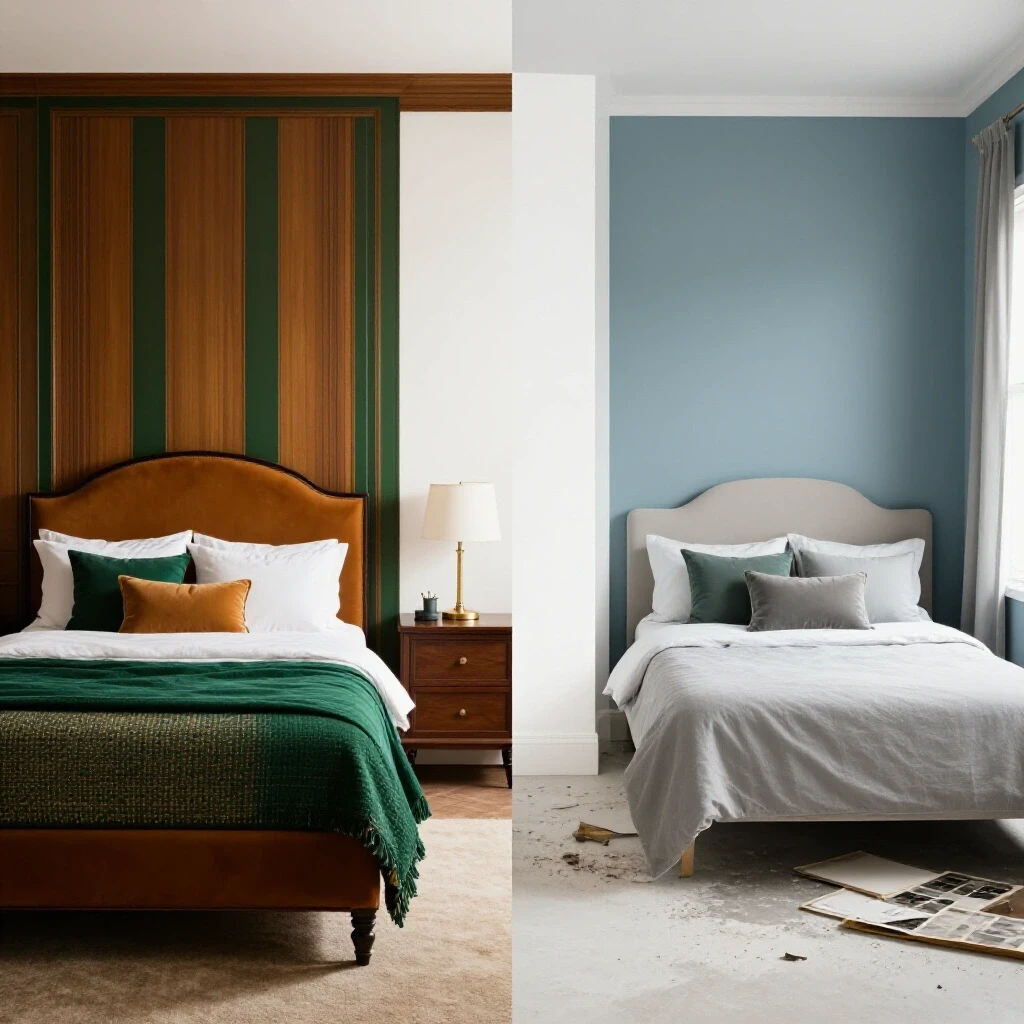
By skipping these four items, I saved over $3,000. Interestingly, the room still felt entirely different once the walls were painted and the furniture was rearranged.
The Line-Item Breakdown of a Modest Visitor Space Update
A line-item breakdown is a detailed list of every single expense in a project. It allows you to see exactly where your money is going and where you might be overspending.
I use a simple spreadsheet to track these costs. I compare my “Projected” cost with my “Actual” cost. This helps me identify “budget creep,” which is when small, $10 purchases slowly destroy your financial plan.
| Item Category | Projected Cost | Actual Cost | Variance |
|---|---|---|---|
| Paint and Primer (2 Gallons) | $110 | $125 | +$15 |
| Painting Supplies (Brushes/Tape) | $40 | $35 | -$5 |
| Used Nightstands (Second-hand) | $60 | $50 | -$10 |
| New Bedding Set | $120 | $145 | +$25 |
| Floor Lamp | $45 | $40 | -$5 |
| Decorative Pillows | $50 | $30 | -$20 |
| Total Project Cost | $425 | $425 | $0 |
As you can see, I went over budget on paint and bedding. However, because I found a better deal on nightstands and pillows, my total cost stayed exactly on track. This is why tracking every line item is vital.
Analyzing Labor-to-Material Ratios in DIY Projects
The labor-to-material ratio is the comparison between the cost of the physical products and the cost of the work required to install them. In professional renovations, labor often accounts for 50% to 60% of the total bill.
For a cost-conscious refresh, the goal is to drive the labor cost to zero. I call this “sweat equity valuation.” By doing the work myself, I am essentially paying myself the hourly rate a contractor would charge. If a painter takes eight hours to prep and paint a room at $75 per hour, I have “earned” $600 in savings by doing it on a Saturday.
However, you must be realistic about your skills. If a DIY project goes wrong, the “re-do” cost can be double the original estimate. I stick to simple tasks like painting, basic furniture assembly, and cleaning. I avoid anything involving wires or pipes, as those carry higher risks of hidden fees and permit costs.
Hidden Preparation and Disposal Fees
Preparation and disposal fees are the costs associated with getting a space ready for work and getting rid of the trash afterward. These are often the “hidden fees” that surprise homeowners mid-project.
Even in a small room update, you will have waste. You might have old curtains, broken lamps, or empty paint cans. Some municipalities charge for the disposal of hazardous materials like oil-based paints. I always set a 10% contingency buffer in my remodeling expense tracker to cover these small surprises.
For my project, I needed to buy a specific primer to cover a dark wall color. This was an extra $30 I hadn’t planned for. Because I had a buffer in my financial planning, I didn’t have to take money from my grocery budget to cover it.
Long-Term Impact on Market Value and Tax Assessments
A tax assessment is the value placed on your home by the local government to determine your property taxes. A market value is what a buyer is willing to pay.
The beauty of a cosmetic refresh is that it rarely increases your tax assessment. Since I didn’t pull a building permit or change the square footage, my taxes stayed the same. However, the market value of the home likely improved slightly. A clean, updated guest room makes for better listing photos.
In personal finance, we call this “lifestyle value.” While the ROI (Return on Investment) might not be a direct dollar-for-dollar increase in home equity, the value of having a comfortable space for family is high. Because I skipped the high-cost items, I don’t have to worry about “over-improving” the house past the local market ceiling.
Tools for Tracking Your Home Renovation Budget
To keep your project on track, you need the right tools. I recommend using a mix of digital and manual tracking methods.
- Spreadsheet Software: Use Excel or Google Sheets to create a cost vs value home improvement tracker.
- Price Comparison Apps: Use these to check the price of paint or decor at multiple retailers before leaving the house.
- Local Labor Calculators: Even if you DIY, use online calculators to see what a pro would charge. This helps you appreciate the money you are saving.
- Digital Receipt Folders: Take a photo of every receipt immediately. This prevents lost data at the end of the month.
- Project Management Apps: Use these to set deadlines for yourself so the room isn’t a construction zone for months.
Avoiding Common Financial Traps
One of the biggest traps in home improvement is the “while we’re at it” syndrome. This happens when you start painting and decide you might as well replace the baseboards, too. Then you decide the baseboards look too good for the old door, so you buy a new door.
To avoid this, I use a “strict scope” document. I write down exactly what I will touch and exactly what I will skip. If it isn’t on the list, I don’t buy it. This discipline is what keeps a budget from exploding.
Another trap is buying “cheap” tools that break. If you are going to paint, buy one high-quality brush and clean it well. It will last for years. Buying five cheap brushes that shed hair into your paint is a waste of money and time.
Practical Next Steps for Your Room Refresh
If you are ready to start, follow these steps to ensure your finances stay protected.
- Audit your space: Identify the three things that make the room look the oldest. Focus only on those.
- Create your skip list: Explicitly name the expensive items you will not buy.
- Set a hard cash limit: Do not allow yourself to go over this number.
- Shop your own house: See if a lamp or rug from another room works better in the guest space.
- Track every cent: Use your spreadsheet daily.
By following this data-driven approach, you can create a space that guests love without the financial stress of a major renovation. My guest room is now a favorite spot for visitors, and I have the peace of mind knowing it didn’t cost me my financial security.
Frequently Asked Questions
How do I determine a realistic budget for a guest room refresh? Start by looking at your liquid savings. A safe budget for a cosmetic update is usually between $500 and $1,500. This should cover paint, some new linens, and minor decor. Avoid spending more than 1% of your home’s value on a secondary bedroom unless you are doing structural work.
What is the most cost-effective way to change the look of a room? Paint is consistently the highest ROI improvement. For less than $150 in materials, you can completely change the mood of a space. Pair this with updated lighting, such as new lamps or higher-wattage LED bulbs, to make the room feel larger and cleaner.
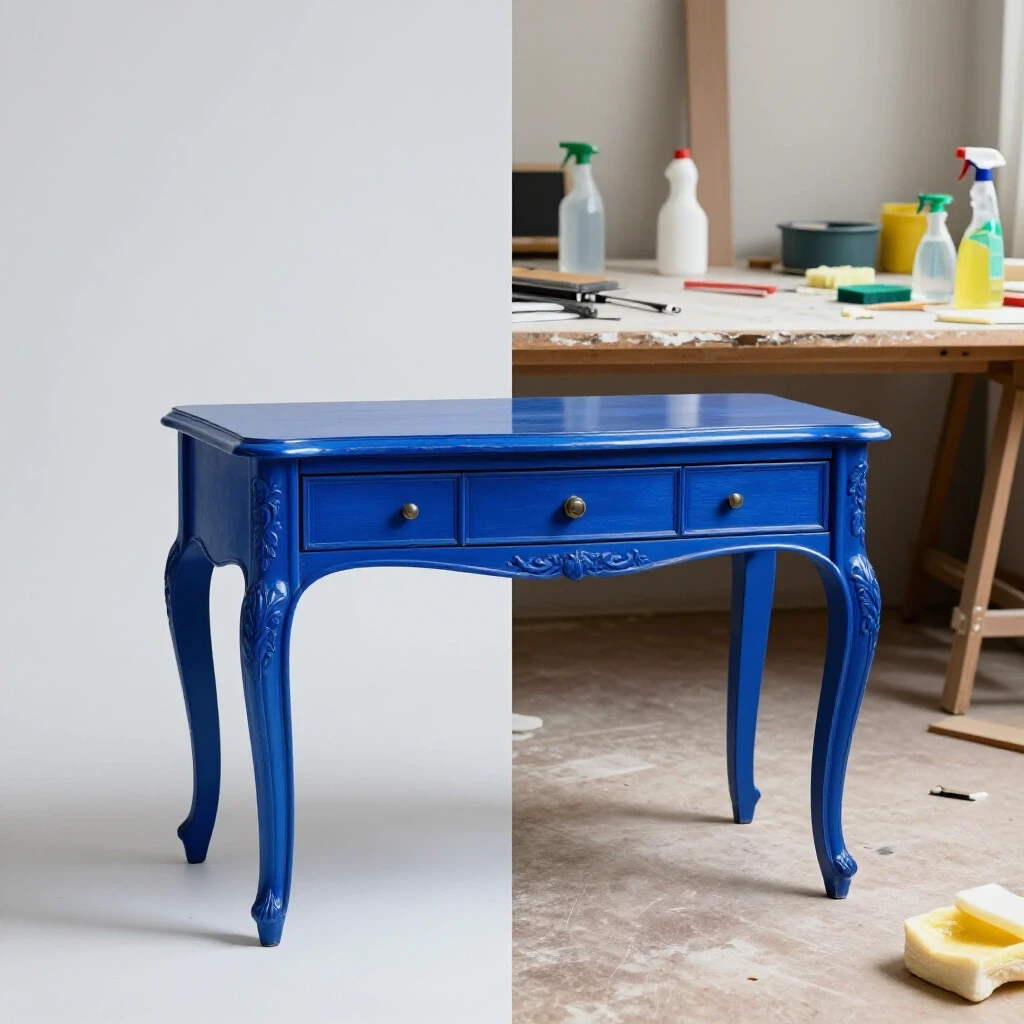
Should I replace the furniture in my guest room to increase home value? Generally, no. Furniture is considered personal property and does not add to the appraised value of your home. If your current furniture is functional, consider refreshing it with new hardware or a coat of paint rather than buying new sets.
How much should I set aside for a contingency buffer? For DIY cosmetic projects, a 10% to 15% buffer is usually enough. This covers small items like extra sandpaper, specialized primers, or a slightly more expensive curtain rod than you originally planned.
Is it worth it to hire a professional for a small room update? If the project is purely cosmetic, the labor costs will often exceed the material costs. For a cost-conscious homeowner, hiring a pro for a guest room often leads to a poor return on investment. Saving that labor cost allows you to buy higher-quality materials.
How do I avoid over-improving for my neighborhood? Look at local real estate listings. If most homes in your price range have basic carpet and standard trim, installing high-end crown molding or hardwood in a guest room is “over-improving.” You likely won’t get that money back when you sell.
What are the most common hidden costs in a room refresh? The most common hidden costs are “prep” materials. This includes wood filler, caulking, high-adhesion primers, and cleaning supplies. Disposal fees for old mattresses or furniture can also add $50 to $100 to your total.
Can a guest room update impact my property taxes? In most jurisdictions, cosmetic changes like painting, new flooring, or changing light fixtures do not trigger a tax reassessment. Major structural changes or adding a closet (which could change the room count) are more likely to impact your taxes.
How do I track my spending if I buy items over several months? Use a dedicated “Home Improvement” tab in your monthly budget spreadsheet. Record every purchase as it happens, even if it is just a $5 box of nails. This prevents the “slow leak” of funds that happens over a long project timeline.
What should I prioritize if my budget is under $200? Prioritize deep cleaning and paint. A steam-cleaned carpet and fresh, neutral walls will do more for the room’s comfort than any piece of cheap furniture or art. Lighting would be the next priority if funds remain.
(This article was written by one of our staff writers, Steven Fletcher. Visit our Meet the Team page to learn more about the author and their expertise.)