Heated Floors vs Radiators: Which Is Better for Home Comfort? (Guide)

Many homeowners believe that a higher price tag for a heating system automatically guarantees lower monthly bills and a more comfortable home. In my 13 years as a supply chain analyst, I have found that the most expensive systems often fail to deliver value if they are mismatched with the home’s building materials. Real winter comfort is not about the heat source alone but how that heat interacts with your specific floors, walls, and lifestyle.
Understanding the Technical Standards of Residential Heat Transfer
Thermal performance in a home is governed by how energy moves through materials via radiation, conduction, and convection. For homeowners, understanding these three mechanisms is vital because they dictate how quickly a room warms up and how long it stays that way after the system cycles off.
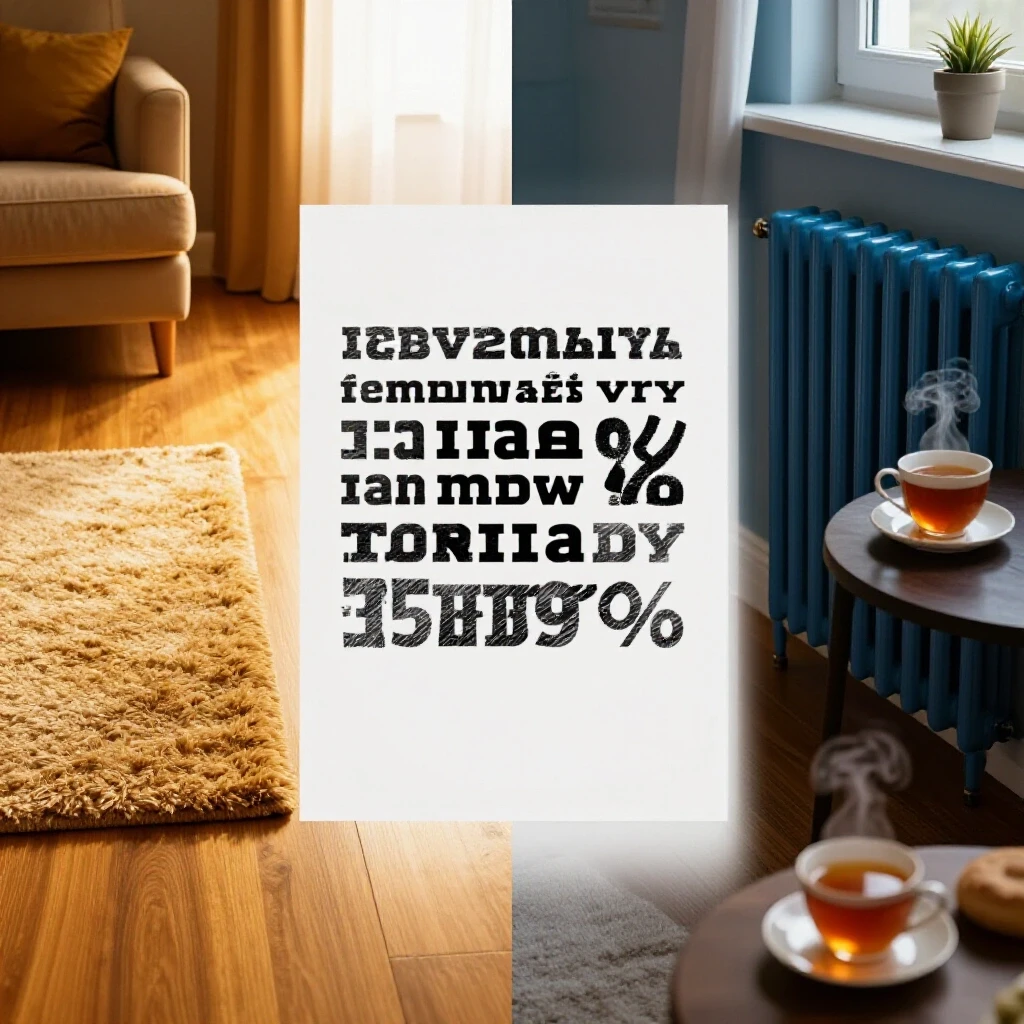
Radiation is the transfer of heat through electromagnetic waves, similar to the sun warming your skin. Conduction occurs through direct contact, like a foot hitting a warm tile. Convection is the movement of heat through air currents. When evaluating heating options, we look at British Thermal Units (BTUs) to measure heat output and R-values to measure the thermal resistance of the materials covering the heat source. A high-end material with a poor R-value for its application can lead to significant energy waste and system strain.
Why Thermal Mass and Conductivity Dictate System Success
Thermal mass refers to a material’s ability to absorb and store heat energy, while thermal conductivity measures how quickly heat passes through that material. These two metrics determine whether your heating system will feel like a gentle, steady warmth or a fluctuating series of hot and cold bursts throughout the day.
In my experience evaluating property upgrades, I have seen homeowners install beautiful, thick hardwood over radiant systems, only to realize the wood acts as an insulator. This high thermal resistance prevents the heat from reaching the room efficiently. Conversely, materials like stone or porcelain have high thermal conductivity, making them excellent partners for systems embedded beneath the surface. Understanding these technical specs prevents the common mistake of overpaying for a system that your flooring choice will ultimately fight against.
Comparing Radiant Surface Systems and Wall-Mounted Units
Choosing between heat delivered through the floor or through wall-mounted units requires a deep dive into how each system handles the physics of a room. One relies on large surface areas at lower temperatures, while the other uses smaller surfaces at much higher temperatures to move air.
Radiant floor systems typically operate at lower water temperatures, often between 85 and 125 degrees Fahrenheit. This allows them to provide a consistent heat profile across the entire room. Wall-mounted radiators, however, often require water temperatures of 140 to 180 degrees Fahrenheit. Because they have less surface area, they must be hotter to achieve the same room temperature, which creates a more aggressive convection cycle that can lead to uneven “hot spots.”
Side-by-Side Performance Specifications
| Feature | Radiant Floor Systems | Wall-Mounted Radiators |
|---|---|---|
| Heat Distribution | Evenly distributed from the ground up | Concentrated near the unit; relies on air flow |
| Typical Operating Temp | 85°F – 125°F | 140°F – 180°F |
| Response Time | Slow (2–6 hours to reach temp) | Fast (20–40 minutes to reach temp) |
| Aesthetic Impact | Invisible; zero floor space used | Visible; requires dedicated wall/floor space |
| Allergen Movement | Minimal; no forced air | Moderate; creates convection currents |
| Service Life | 30–50+ years (tubing) | 20–30 years (unit) |
The Impact of Flooring Materials on Heat Efficiency
The material you choose to walk on is the final gatekeeper for your home’s warmth. As a supply chain analyst, I look at the “wear layer” and the “core density” of flooring to predict how it will perform when subjected to constant thermal cycling over a decade.
Dense materials like porcelain tile and natural stone are the gold standard for thermal conductivity. They have almost no air pockets, allowing heat to move through them with minimal resistance. Engineered wood and luxury vinyl plank (LVP) are more complex. You must check the manufacturer’s maximum temperature rating—usually around 85 degrees Fahrenheit—to ensure the adhesive or the wood fibers do not degrade or “off-gas” when heated.
Evaluating Hardness and Thermal Sensitivity
- Natural Stone: Highest thermal conductivity; excellent at holding heat (thermal mass).
- Ceramic/Porcelain Tile: Very high conductivity; resistant to thermal shock and moisture.
- Engineered Hardwood: Moderate conductivity; must be thin (less than 15mm) to avoid excessive insulation.
- Luxury Vinyl Plank (LVP): Good conductivity; requires high-quality limestone cores to prevent warping.
- Laminate: Low to moderate conductivity; can be prone to joint separation if heat is not regulated.
In one of my own property evaluations, I tracked the performance of a hydronic floor system under 12mm engineered oak versus 10mm porcelain tile. The tile reached the target temperature 40% faster and required 15% less energy to maintain it. This data highlights why the material choice is just as important as the heating appliance itself.
Upfront Cost vs. 15-Year Maintenance Outlay
When I analyze the supply chain for home goods, I look at the Total Cost of Ownership (TCO). A system that is cheaper to buy today might require expensive specialized labor for repairs five years down the line, or it might significantly increase your insurance premiums due to leak risks.
Radiant systems integrated into the floor have high upfront costs because they involve significant labor and material layers (insulation, tubing, thermal mass, and flooring). Wall-mounted radiators are generally easier to install, especially in existing homes, as they don’t require pulling up the floor. However, the maintenance profiles differ. Radiators are prone to “bleeding” needs and valve failures, whereas floor systems are largely maintenance-free until a rare, but expensive, leak occurs.
15-Year Financial Projection Table
| Cost Category | Radiant Floor (Hydronic) | Standard Radiator System |
|---|---|---|
| Initial Installation | High ($15–$25 per sq. ft.) | Moderate ($4,000–$8,000 per home) |
| Annual Maintenance | Low ($100–$200 for boiler check) | Moderate ($200–$400 for valves/bleeding) |
| Expected Repairs (15 yrs) | Rare but high cost | Frequent but low cost |
| Energy Efficiency Rating | 10–30% higher than radiators | Standard |
| Total 15-Year Outlay | Higher upfront, lower monthly | Lower upfront, higher monthly |
Installation Complexity and Structural Requirements
Installing a heating system is not just about the appliance; it is about the structural integrity of your home. Adding a heavy thermal mass like a 2-inch concrete pour for floor heating can add significant weight to your floor joists, sometimes requiring structural reinforcement.
Wall-mounted radiators are much more “plug-and-play” in this regard. They require piping through walls or floors, but they do not change the dead load of the building significantly. For a homeowner in the middle of a renovation, the decision often comes down to whether they are willing to strip the room to its joists or if they need a solution that works with the existing structure.
Technical Steps for Evaluating Your Home’s Readiness
- Check Joist Capacity: Consult a structural chart to see if your floor can support the weight of a “wet” radiant installation.
- Measure Vertical Clearance: Floor heating adds 0.5 to 2 inches of height; check if your doors and baseboards can accommodate this.
- Audit Insulation: Radiant floors perform poorly in “leaky” homes. Use a thermal camera to find drafts before choosing a system.
- Review Manifold Space: Floor systems require a central manifold (a hub for pipes) which needs a dedicated, accessible closet space.
- Assess Wall Space: For radiators, map out furniture placement to ensure you aren’t blocking the units, which kills efficiency.
Durability and Long-Term Maintenance Profiles
Durability is often confused with “never breaking,” but in supply chain terms, durability means the system meets its performance standards for its entire predicted lifespan. For heating, this means maintaining consistent BTU output without degrading the surrounding home materials.
Radiators are made of steel, aluminum, or cast iron. Over time, these can corrode or develop “sludge” inside, which requires a system flush every few years. Radiant floor tubing is typically made of PEX (cross-linked polyethylene), which is chemically inert and does not corrode. The biggest threat to a floor system is physical damage—someone drilling into the floor—whereas the biggest threat to a radiator is internal chemical degradation.
Environmental Sensitivity and Material Aging
- Moisture Resistance: Floor systems are sealed; radiators can leak at valves, potentially damaging hardwood or carpets.
- Thermal Expansion: Radiators can “click” or “bang” as they expand; floor systems are silent but can cause floorboards to creak if not installed with expansion gaps.
- Dust Accumulation: Radiators have fins and crevices that trap dust, which is then circulated by heat; floor systems are the most “hypoallergenic” option.
Why Higher Upfront Costs Don’t Always Guarantee Durability
A common pitfall I see is the “premium trap.” Homeowners assume that because a hydronic floor system costs three times as much as a radiator setup, it will last three times as long or be three times as warm. This is rarely the case.
The durability of a floor heating system is heavily dependent on the quality of the installation and the subfloor preparation. If the subfloor flexes, the heating pipes can experience stress, or the tile above can crack. In this scenario, the “cheaper” radiator system is actually more durable because it is not tied to the structural movement of the floor. You are paying for comfort and aesthetics, not necessarily a “stronger” product.
Practical Trade-Off Analysis for Busy Lifestyles
When I help people choose materials, I ask about their daily routines. If you are a family that travels often and wants to turn the heat down when you leave, a floor system’s 4-hour “warm-up” time will frustrate you. You would be better off with the fast response of a radiator. However, if you have toddlers crawling on the floor or suffer from dust allergies, the invisible, still-air warmth of a floor system is worth every penny of the upfront cost.
Sourcing and Logistics: What to Look for in a Spec Sheet
Before you sign a contract or buy materials, you need to verify the technical data. Do not rely on marketing brochures. Request the ASTM (American Society for Testing and Materials) data sheets for the products.
For floor heating, look for the “Oxygen Barrier” rating on the PEX tubing. This prevents air from entering the system and rusting your boiler. For radiators, look at the “Delta T” (Δt) rating, which tells you the heat output at different water temperatures. If you are using a modern low-temperature heat pump, you will need “oversized” radiators to get enough warmth, which changes your cost and space calculations.
Essential Evaluation Kit for Homeowners
- Thermal Conductivity Specs: Ask for the “K-value” of your intended flooring material.
- ASTM F876/F877: Ensure your PEX tubing meets these standards for pressure and temperature.
- Warranty Limits: Read the fine print. Many warranties are void if the water chemistry isn’t tested annually or if the floor temperature exceeds a certain limit.
- Labor Quotes: Get a “per square foot” breakdown and ask if it includes the specialized “leveling compound” required for floor systems.
Final Recommendations for Confident Purchasing
In my 13 years of analyzing home materials, I’ve learned that the best choice is the one that aligns with your home’s “bones.” If you are doing a ground-up build or a major kitchen renovation where you are already replacing the floors, the incremental cost of adding radiant heat is often justified by the lifestyle gain and the 10%–15% bump in resale value.
However, if you are updating an older home and want to preserve original features, trying to force a radiant floor system can lead to a “domino effect” of costs—shaving doors, reinforcing joists, and replacing perfectly good flooring. In those cases, high-design, modern radiators provide a technically sound, cost-effective alternative that respects the existing materials of the house.
Frequently Asked Questions
Does floor heating take a long time to warm up a cold room? Yes, radiant floor systems have high thermal inertia. This means they take anywhere from 2 to 6 hours to reach the desired temperature depending on the thickness of the floor. They are designed to stay on at a consistent temperature rather than being turned up and down frequently like a traditional radiator.
Will heating my floors cause my hardwood to gap or crack? It can if the wood is not “dimensionally stable.” I recommend using engineered hardwood with a thick wear layer rather than solid planks. Solid wood is more prone to shrinking and expanding with heat, which leads to unsightly gaps over time.
Are radiators less healthy for people with allergies? Generally, yes. Radiators work by heating the air, which then rises and creates a circular current in the room. This movement of air carries dust, pet dander, and allergens. Floor heating produces very little air movement, keeping allergens settled on the floor where they can be cleaned away.
Can I install floor heating myself to save on costs? While electric mats are DIY-friendly for small bathrooms, hydronic (water-based) systems are complex. They require precise manifold balancing and pressure testing. A mistake in a buried pipe can cost thousands to fix, making professional installation a better long-term value.
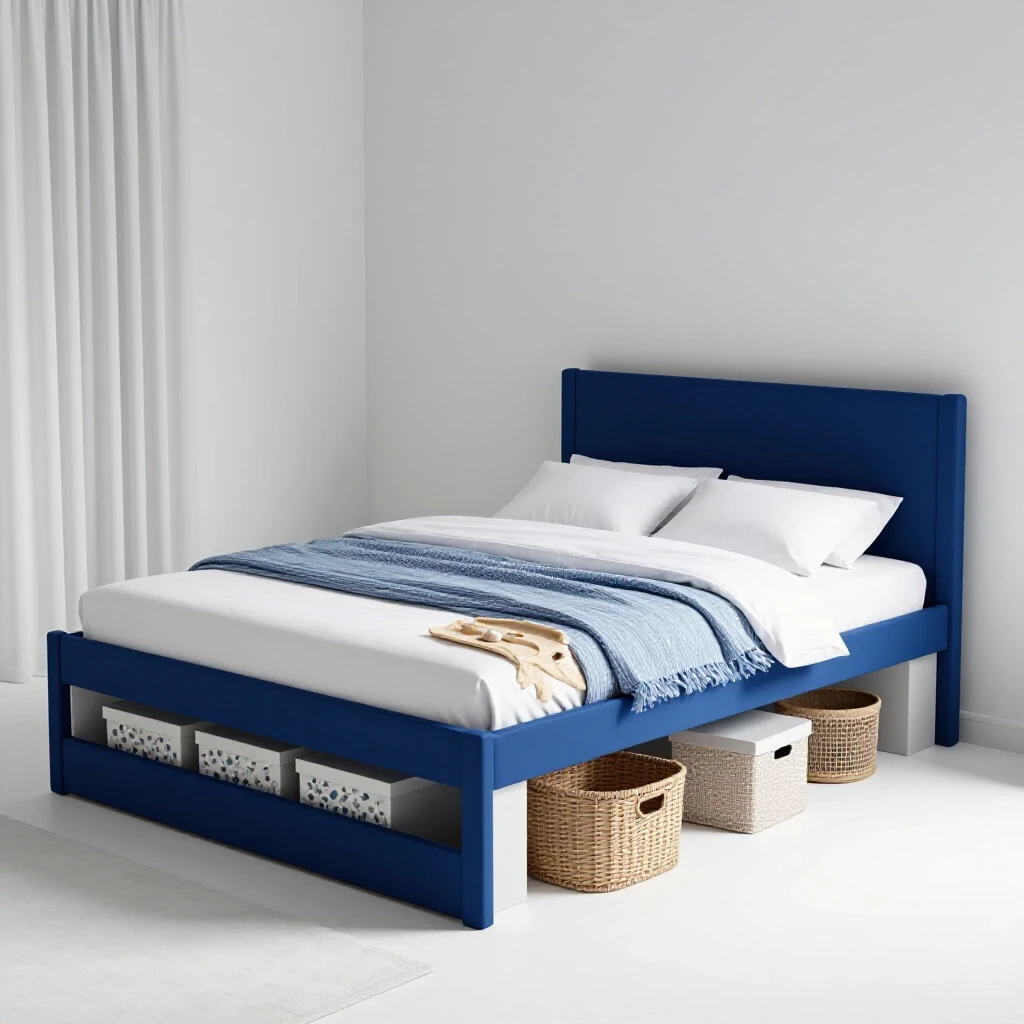
How does furniture affect the efficiency of these systems? Radiators should never be blocked by sofas or long curtains, as this traps the heat. Similarly, for floor heating, heavy rugs or furniture without legs (like a flat-bottomed platform bed) act as insulators, preventing the heat from entering the room.
Which system lasts longer before needing a total replacement? The PEX tubing in a floor system is rated for 50+ years, often outlasting the boiler or the flooring itself. Radiators are durable but are more likely to suffer from valve leaks or internal corrosion after 20 to 30 years.
Is it possible to mix both systems in one house? Absolutely. Many homeowners use radiant floors in high-traffic areas like kitchens and bathrooms for comfort, while using radiators in bedrooms where they want faster temperature control and don’t mind the visual presence of the units.
Does floor heating increase the resale value of a home? In high-end markets, radiant floor heating is seen as a premium feature. While it may not offer a 1-to-1 return on investment, it often makes a home sell faster and can be a deciding factor for buyers looking for modern efficiency and comfort.
What is the most common maintenance issue for these systems? For radiators, it is “air locking,” where air bubbles get trapped and prevent the unit from getting hot. For floor systems, the most common issue is a failure of the mechanical pumps or the electronic sensors in the manifold, rather than the pipes themselves.
Can I use a smart thermostat with these systems? Yes, but they function differently. A smart thermostat for a radiator can be very aggressive with “setbacks” (turning the heat down when you’re away). For floor heating, the smart thermostat should be used to maintain a steady “base” temperature to avoid the long warm-up times.
(This article was written by one of our staff writers, Andrew Morrison. Visit our Meet the Team page to learn more about the author and their expertise.)