How Disorganization Wastes Money at Home (With Practical Fixes)

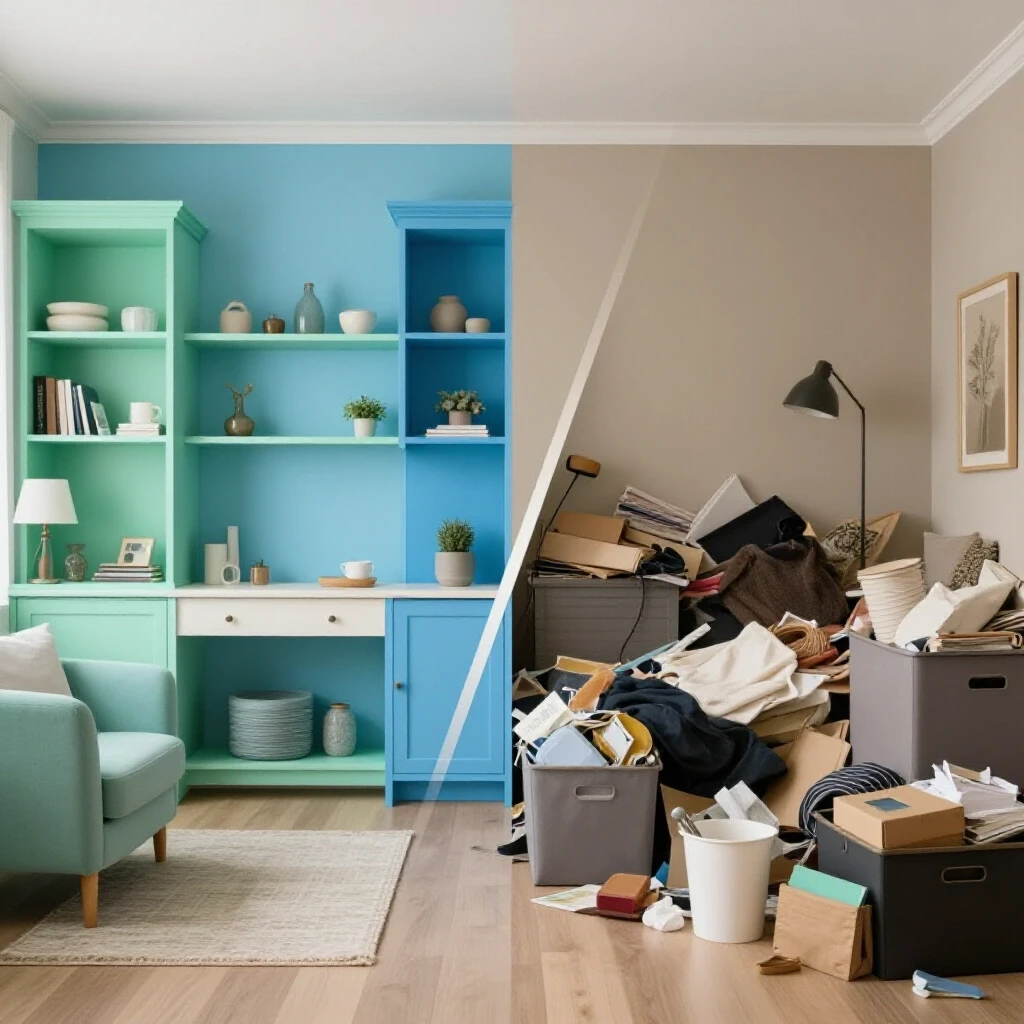
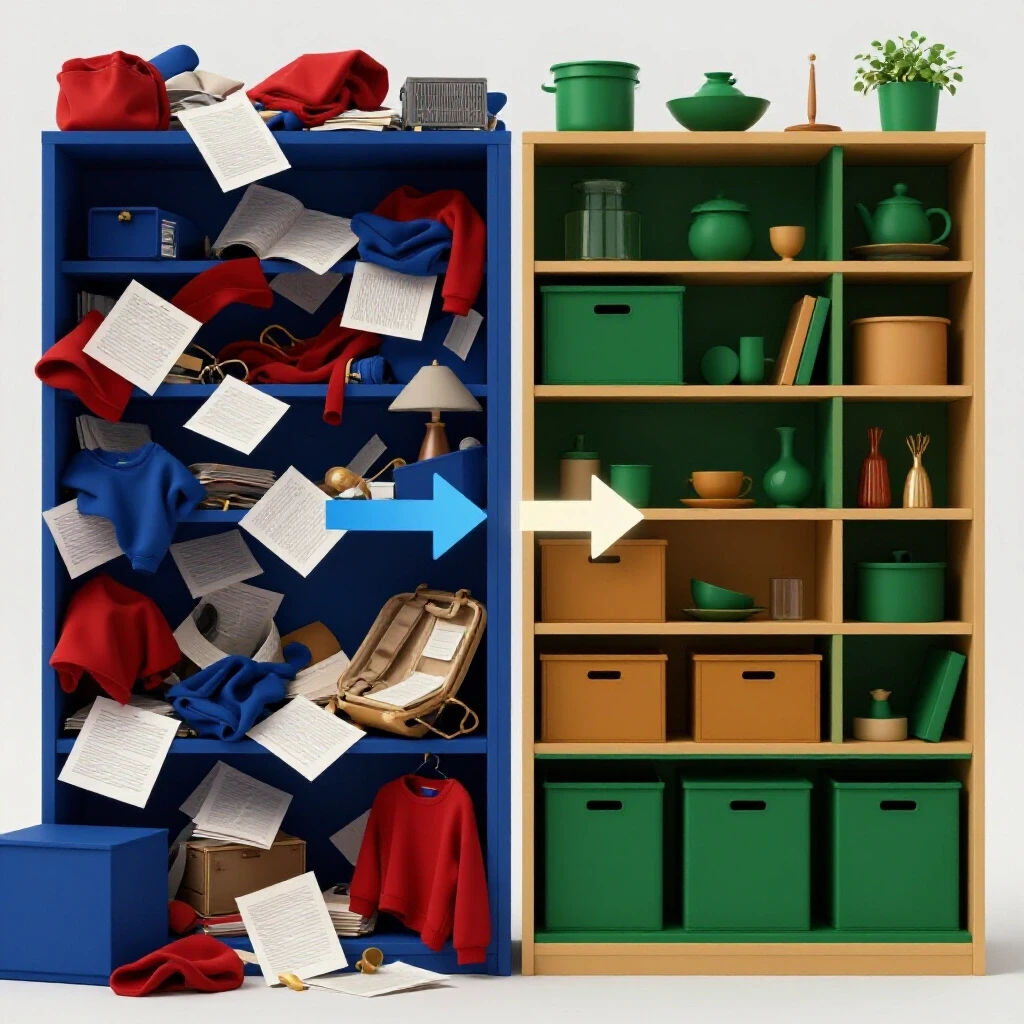
Focusing on bold designs often leads families toward storage solutions that look beautiful in a catalog but fail in a house with active children and working parents. I spent over a decade in operations and logistics managing warehouse flows before I realized my own home was a bottleneck of wasted resources and lost time. My family was constantly “tidying up,” yet our living spaces reverted to chaos within forty-eight hours. We were trapped in a cycle of buying duplicate items simply because we could not find the ones we already owned. This inefficiency is more than a nuisance; it is a drain on household resources and mental energy. By applying spatial management principles, I transformed our home from a site of constant friction into a functional environment that supports our daily lives.
Analyzing the Financial Impact of Household Inefficiency
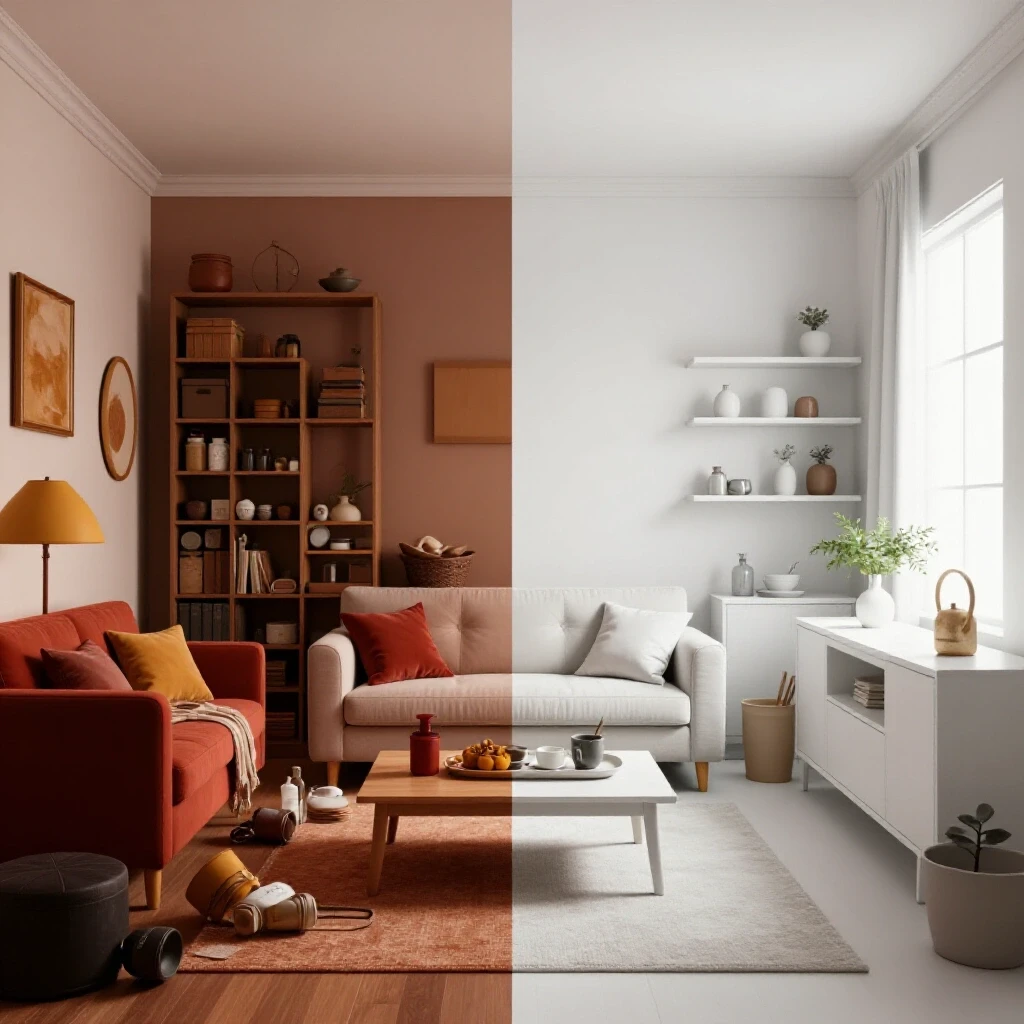
This involves identifying how misplaced items and crowded spaces lead to unnecessary spending on duplicates and the loss of usable square footage. When we cannot see what we own, we effectively lose the value of those items.
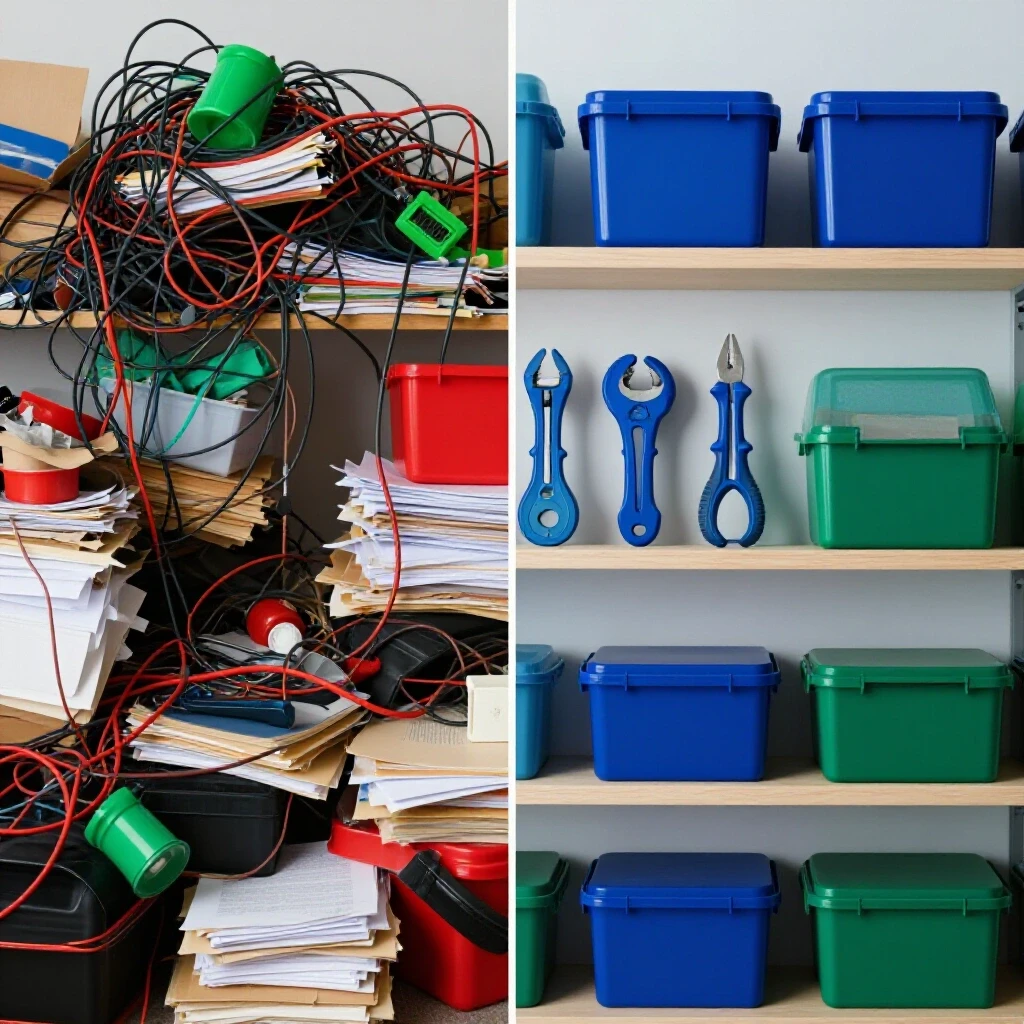
In my early years of managing a household, I noticed we were buying a new bottle of wood glue or a fresh pack of batteries every few months. Later, during a deep decluttering project, I found four half-used bottles of glue and three opened packs of batteries tucked into different drawers. This “rebuying tax” is a direct result of poor inventory visibility. Logistics professionals call this a failure in inventory management. In a home, it means you are paying twice for the same utility.
Beyond the cost of goods, there is the cost of square footage. If you pay a mortgage or rent for a 2,000-square-foot home but 300 square feet are occupied by clutter you never use, you are essentially paying a monthly fee to store trash. Research in environmental psychology suggests that visual clutter increases cortisol levels, the body’s primary stress hormone. This mental fatigue reduces your productivity, which can indirectly affect your career performance and earning potential.
The Hidden Costs of Poor Inventory Control
Poor inventory control refers to the inability to track what items are present in the home and where they are located at any given time. This lack of oversight leads to over-purchasing and waste.
- Duplicate Purchases: Buying items you already own but cannot find.
- Wasted Food: Groceries hidden at the back of a deep pantry that expire before they are seen.
- Late Fees: Misplaced bills or documents leading to financial penalties.
- Lost Time: The average person spends 2.5 days per year looking for lost items.
| Item Category | Potential Annual Loss | Cause of Loss |
|---|---|---|
| Pantry/Groceries | $400 – $600 | Over-buying and expiration |
| Office Supplies | $50 – $100 | Duplicate purchases |
| Tools/Hardware | $100 – $200 | Inability to locate items |
| Square Footage | $1,200+ | Unusable living space |
Understanding Retrieval Friction and Spatial Capacity
Retrieval friction is the number of physical steps or movements required to get an item out and put it back. Spatial capacity is the limit of what a room can hold before it stops being functional.
In my professional background, we measure “pick paths” in warehouses. If a worker has to move three boxes to get to one item, the system is broken. The same applies to your kitchen or garage. If your child has to unstack four bins to find a toy, they will likely leave the toy on the floor when they are finished. This is high-friction storage. To create a sustainable system, we must aim for low-friction solutions where items can be retrieved or stowed in two steps or fewer.
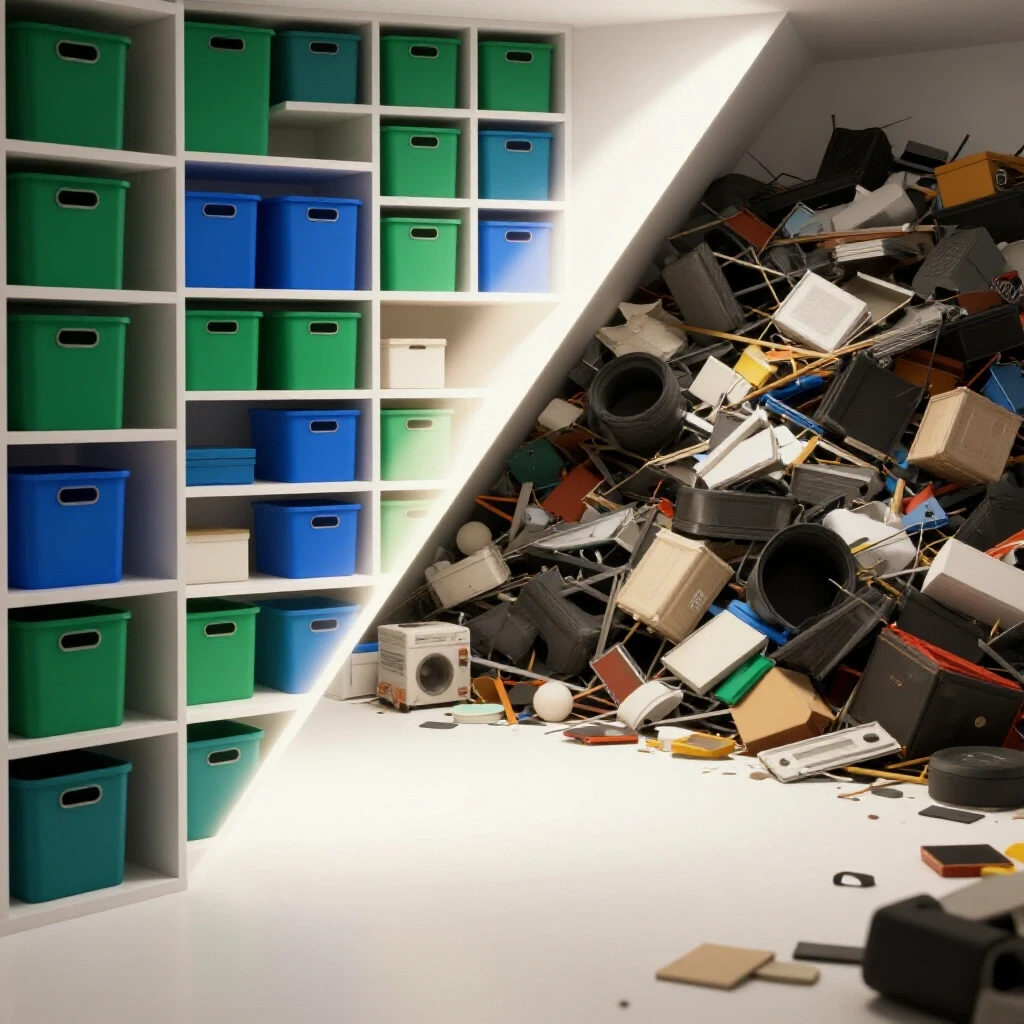
Spatial capacity is equally vital. Every room has a “saturation point.” Once a space exceeds about 80% capacity, the effort required to maintain it increases exponentially. This is why your home reverts to a mess so quickly. If your shelves are 100% full, there is no “buffer” for new items or temporary displacement.
Why High-Friction Bins Lead to Rapid Clutter Reversion
High-friction bins are storage containers that require multiple actions to open, such as tight-fitting lids or stacked configurations. These systems often fail because they exceed the effort threshold of a tired parent or a young child.
When I first tried to organize our playroom, I bought beautiful matching bins with heavy lids. Within a week, the toys were in a pile on top of the bins. The “cost” of opening the lid was too high for my four-year-old. We switched to open-top bins, and the floor stayed clear. We reduced the retrieval and stowage steps from four (unstack, open lid, place item, restack) to one (toss in bin).
- Step 1: Identify high-traffic items.
- Step 2: Measure the number of movements needed to reach them.
- Step 3: Eliminate lids or stacking for items used daily.
- Step 4: Use clear containers to reduce the mental energy of “searching.”
The Sorting Framework: Reducing Decision Fatigue
A structured method for categorizing items based on frequency of use and logical grouping to minimize mental energy during cleanup. Decision fatigue occurs when the brain becomes exhausted after making too many choices.
One of the biggest hurdles in maintaining a tidy home is the sheer number of decisions required to put things away. If an item doesn’t have a “home,” you have to decide where it goes every single time you see it. This leads to mental exhaustion. My sorting framework uses a “Logistical Flow” model to categorize items into three tiers: Active, Seasonal, and Archival.
The Three-Tier Sorting Model
The Three-Tier Sorting Model categorizes belongings by how often they are used to determine their physical location in the home. This ensures that the most important items are always within reach.
- Active Inventory: Items used daily or weekly. These must be stored in the “Prime Zone” (between shoulder and knee height).
- Seasonal Inventory: Items used a few times a year (holiday decor, winter coats). These go in “Secondary Zones” (high shelves or basement).
- Archival Inventory: Items kept for legal or sentimental reasons (tax returns, baby keepsakes). These go in “Deep Storage” (attic or off-site).
| Tier | Access Frequency | Storage Location | Retrieval Friction Goal |
|---|---|---|---|
| Active | Daily | Prime Zone | 1-2 Steps |
| Seasonal | Quarterly | High/Low Shelves | 5-7 Steps |
| Archival | Yearly | Garage/Attic | 10+ Steps |
High-Speed Zoning Maps for Families
A spatial layout strategy that assigns specific household zones to activities, ensuring tools are stored at their point of use. Zoning prevents items from migrating across the house, which is a major cause of visual chaos.
In logistics, we call this “point-of-use” storage. In a home, this means storing the coffee pods next to the coffee maker, not across the kitchen in a pantry. When my family redesigned our mudroom, we created individual “zones” for each person. Each zone had a hook for a bag, a bin for shoes, and a small tray for keys. This stopped the “migration” of school bags to the kitchen table.
Creating a Functional Zone Map
A zone map is a mental or physical diagram of your home that dictates where specific activities and their related objects belong. It serves as a blueprint for family behavior.
- Kitchen Zone: Focus on meal prep. Keep counters 90% clear.
- Transition Zone: The entry and exit points. Focus on high-speed stowage of coats and shoes.
- Work Zone: The home office or homework station. Focus on paper management and digital charging.
- Rest Zone: Bedrooms and living areas. Focus on low-visual-stimulus storage.
Selecting Low-Maintenance Storage Gear
Choosing containers and shelving based on durability, visibility, and ease of access rather than purely aesthetic appeal. The goal is to buy systems that work for your family’s actual habits, not an idealized version of them.
Many people make the mistake of buying “pretty” baskets that are opaque. While they look nice, they hide the contents, which leads to forgotten inventory and duplicate spending. I recommend clear, heavy-duty plastic bins for most family needs. They are washable, durable, and provide instant visual feedback on what is inside.
Storage Friction Index by Bin Type
The Storage Friction Index measures how much effort is required to use different types of storage containers. Lower numbers indicate systems that are easier to maintain over time.
- Open-Top Clear Bin: Friction Score 1 (Easiest to maintain).
- Drawer with Dividers: Friction Score 2.
- Bin with Removable Lid: Friction Score 4.
- Stacked Opaque Tubs: Friction Score 8 (Hardest to maintain).
Building Sustainable Habit Loops
Small, repeatable actions integrated into daily life that prevent clutter from accumulating beyond a manageable threshold. Habits are the “software” that runs your organizational “hardware.”
Systems only work if the people using them follow the rules. However, you cannot expect a busy family to follow a complex manual. Instead, we use “habit stacking.” This is the practice of attaching a new, small habit to an existing one. For example, while the coffee brews in the morning (existing habit), I empty the dishwasher (new habit). This ensures the kitchen is ready to receive “inflow” throughout the day.
The Daily Maintenance Timeline
A schedule of micro-tasks that keeps the home functioning without requiring a “marathon” cleaning session on the weekend.
- Morning (5 mins): Empty dishwasher and clear one transition zone.
- After-School/Work (10 mins): Process “inflow” (mail, school papers, groceries).
- Evening Reset (15 mins): A family-wide “sweep” to return active items to their assigned zones.
- Weekly Audit (30 mins): Check the fridge for expiring items and the “junk” bin for items that lost their way.
Real-World Case Study: The “Paperwork Bottleneck”
In our house, mail and school forms were the primary source of mental fatigue. They piled up on the counter, leading to missed deadlines and lost checks. We implemented a “One-Touch” rule. When paper enters the house, it is either recycled, filed in a single “Action” folder, or digitized immediately using a mobile scanning app.
We reduced our paper processing time from two hours of frustrated sorting on Sundays to just three minutes of daily maintenance. This simple change eliminated the stress of “hidden” tasks buried in a pile of envelopes. We also saved money by avoiding late fees on utility bills that had been buried in the stack.
Decluttering Sorting Log
A tool to track the progress of removing items from the home. This provides a sense of accomplishment and visual proof of the system’s effectiveness.
| Date | Zone | Items Removed | Method (Donate/Trash) | Time Taken |
|---|---|---|---|---|
| Oct 1 | Pantry | 15 expired items | Trash | 10 mins |
| Oct 5 | Playroom | 2 bags of toys | Donate | 20 mins |
| Oct 10 | Closet | 10 unused coats | Donate | 15 mins |
Practical Next Steps for Busy Households
To stop the cycle of clutter reversion and financial waste, start with small, measurable changes. Do not attempt to organize the entire house in one weekend. This leads to burnout and system failure.
- Conduct a Spatial Audit: Walk through your home and identify the “hot spots” where clutter accumulates. These are your logistical bottlenecks.
- Calculate Your Retrieval Steps: Pick an item you use daily. Count how many steps it takes to get it and put it away. If it’s more than three, find a new home for it.
- Implement One Transition Zone: Start at the front door. Create a low-friction “drop spot” for keys, bags, and shoes.
- Label Everything: Use a simple label maker or even masking tape. Labels are not just for you; they are “road signs” for the rest of the family.
- Set a “Capacity Limit”: If a shelf is full, follow the “one-in, one-out” rule. This prevents your home from exceeding its spatial capacity.
By focusing on flow rates and friction rather than just “neatness,” you can create a home that works for you. You will stop rebuying items you already own, reclaim your living space, and significantly reduce the mental load of daily chores. This isn’t about being perfect; it’s about being functional and sustainable for the long haul.
Frequently Asked Questions
How does having too many things actually waste my money? Disorganization leads to “hidden costs” such as buying duplicates of items you can’t find, groceries spoiling because they are hidden in a crowded pantry, and late fees on misplaced bills. It also reduces the value of your home by making square footage unusable for living.
Why does my house get messy again just days after I clean it? This usually happens because the storage systems have too much “retrieval friction.” If it takes too much effort to put something away (like opening a lid or moving other boxes), people will naturally leave the item on a flat surface instead.
What is the “Prime Zone” in home organization? The Prime Zone is the area between your shoulders and your knees. This is the easiest space to reach without straining. Items used daily should always be stored in this zone to minimize the effort of retrieval and stowage.
Should I buy matching baskets to get organized? Not necessarily. While matching baskets look good, opaque containers often hide items, leading to “out of sight, out of mind” spending. Clear bins are usually better for families because they allow everyone to see exactly what is inside.
How can I get my kids to follow an organizational system? Keep it low-friction. Use open-top bins at their height and use picture labels if they are young. The fewer steps required to put a toy away, the more likely they are to do it.
What is the “One-Touch” rule? The One-Touch rule means that when you pick up an item (like mail or a toy), you put it exactly where it belongs immediately rather than setting it down on a “temporary” surface like a counter or table.
How much time should I spend on daily maintenance? For most families, a 15-minute “evening reset” is enough to maintain the system. This involves a quick sweep of the main living areas to return items to their assigned zones.
What is “Decision Fatigue” in the context of a messy home? Decision fatigue is the mental exhaustion caused by having to decide where every single item goes because it doesn’t have a permanent, logical “home.” This exhaustion makes you more likely to give up and leave the clutter where it is.
How do I start decluttering when I’m totally overwhelmed? Start with a “Transition Zone” like the entryway or a single kitchen drawer. Focusing on a small, high-traffic area gives you an immediate win and proves that the system works, which builds momentum for larger projects.
Is digital tracking worth it for home inventory? For “Archival” or “Seasonal” items stored in the garage or attic, smart-label tracking systems can be very helpful. They allow you to scan a QR code on a box to see a photo list of the contents without having to open it.
(This article was written by one of our staff writers, Christopher Bennett. Visit our Meet the Team page to learn more about the author and their expertise.)