How to Prevent Minor Home Damage From Spreading (Step-by-Step Guide)

“An ounce of prevention is worth a pound of cure.” This timeless advice from Benjamin Franklin has guided my 17-year career in property maintenance. When managing older homes, I have learned that the difference between a simple afternoon fix and a massive headache often comes down to how quickly you spot a minor flaw. My approach focuses on early detection and immediate containment of small surface issues before they have the chance to expand.
In my years as a facilities technician, I have seen how a tiny crack in a finish or a loose thread in a carpet can grow if left unaddressed. By applying basic building science—the study of how heat, air, and moisture move through materials—I have developed a system for keeping these small problems under control. This guide will show you how to monitor your home like a professional and use everyday household items to stabilize minor wear and tear.
The Building Science of Surface Containment
Building science is the study of how physical forces like moisture and heat interact with a home’s materials. Understanding these forces helps us see why a small scratch or a tiny gap in sealant is more than just a cosmetic issue. When a surface is breached, it allows environmental factors to act on the material underneath, which is often less durable than the finish itself.
Identifying Early Surface Failures
Surface failures are the first signs that a material is losing its ability to protect the structure beneath it. These include hairline cracks in grout, small chips in wood finishes, or minor snags in textiles. If these are caught early, they can be stabilized with minimal effort.
I remember a specific instance in an older property where I noticed a thin line of white powder, known as efflorescence, on a basement wall. This was a clear sign of moisture migration, where water vapor travels through porous materials. By identifying this early, I was able to adjust the indoor humidity levels and clean the area before any significant surface damage occurred. This type of residential diagnostics is the foundation of effective home care.
Essential Diagnostic Tools for the Homeowner
To catch issues early, you need a few basic tools to help you see what the naked eye might miss. You do not need expensive machinery; rather, you need items that help you measure and observe changes in your environment.
- Flashlight (High Lumen): A bright light held at an angle against a wall reveals shadows from cracks or bulges that are invisible under overhead lighting.
- Magnifying Glass: This helps you inspect the edges of a finish or the weave of a fabric to see if a snag is likely to unravel.
- Hygrometer: A simple device that measures relative humidity. Keeping your home between 30% and 50% humidity prevents wood from shrinking or expanding excessively.
- Straight Edge or Level: Useful for checking if a shelf or floor section has shifted slightly over time.
- Soft Measuring Tape: Essential for tracking the exact length of a hairline crack to see if it grows month-to-month.
| Symptom | Potential Root Cause | Immediate Containment Step |
|---|---|---|
| Hairline crack in grout | Thermal expansion or drying | Clean and apply a small bead of matching caulk |
| Small snag in carpet | Friction or pet claws | Trim loose fiber and tuck with a blunt tool |
| Tiny chip in wood finish | Impact or dry air | Apply a wax stick or furniture polish |
| Peeling paint on trim | Moisture or poor adhesion | Sand edges lightly and apply a primer dot |
Managing Moisture Migration on a Small Scale
Moisture is the primary driver of material degradation in a home. Even small amounts of water can move through materials via capillary action—the ability of a liquid to flow in narrow spaces without the assistance of external forces. To prevent minor issues from growing, you must control how water interacts with your home’s surfaces.
Addressing Grout Cracks and Sealant Separations
Grout and caulk act as the first line of defense in wet areas like kitchens and bathrooms. When these materials develop tiny cracks, they allow water to seep behind tiles. This can lead to the loosening of the adhesive bond. My strategy involves a monthly home maintenance checklist where I inspect every joint for gaps.
If I find a gap smaller than 1/16 of an inch, I clean the area with a dry cloth to remove any soap residue. For a temporary seal that prevents water from entering the gap, a small amount of clear silicone or even a specialized waterproof tape can act as a bridge. This stops the “wicking” effect where water is pulled into the wall by surface tension.
Tracking Humidity and Surface Condensation
Condensation occurs when warm, moist air hits a cold surface, turning vapor into liquid water. This often happens on windows or in corners of rooms with poor airflow. If left alone, this moisture can soften paint or cause wood frames to swell.
I keep a close eye on my hygrometer. If the indoor humidity rises above 55%, I use a portable dehumidifier or increase airflow with a simple box fan. By keeping surfaces dry, I ensure that the protective finishes on my windows and walls remain intact. This is a key part of preventative home care that requires no special tools, just consistent observation.
Surface Protection and Finish Preservation
The finishes on your floors, walls, and furniture are designed to take the brunt of daily wear. When these finishes are compromised, the underlying material is exposed to the air, which can cause it to dry out or discolor.
Repairing Minor Wood Scratches and Finish Wear
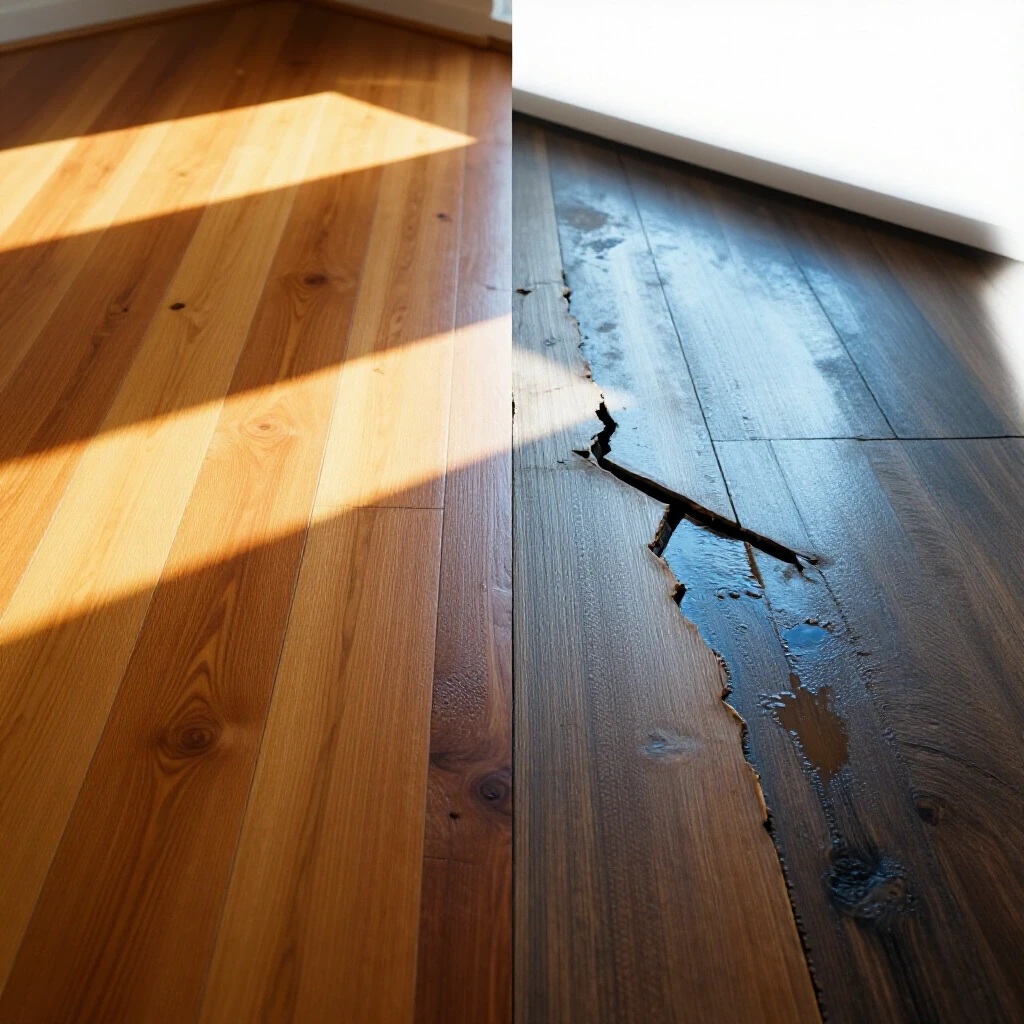
Wood is a hygroscopic material, meaning it absorbs and releases moisture from the air. A scratch in the finish allows this exchange to happen more rapidly in one spot, which can lead to localized warping. When I find a minor scratch, I use a simple wax-based furniture crayon to fill the void.
This wax creates a physical barrier that mimics the original finish. It prevents the wood fibers from “breathing” too much in that specific spot. For very fine scratches, a small amount of mineral oil applied with a soft cloth can often hydrate the fibers and make the mark less visible while providing a temporary protective layer.
Stabilizing Fabric Snags and Wall Surface Dents
Textiles and drywall are prone to physical snags and dents. If a carpet snag is pulled, it can create a “run” that ruins a large section of the flooring. My technique is to never pull a loose thread. Instead, I use a pair of fine scissors to snip the thread level with the rest of the pile.
For small wall dents, the goal is to prevent the gypsum core of the drywall from crumbling. A tiny amount of lightweight spackle, applied with a putty knife and smoothed with a damp sponge, fills the void. This keeps the surrounding paint from flaking off at the edges of the dent.
- Metric to Watch: If a wall crack exceeds 1/8 inch in width, it may require more than a surface fix.
- Metric to Watch: Keep wood surface moisture content between 6% and 8% for interior furniture.
- Metric to Watch: Maintain a temperature differential of no more than 15 degrees between different rooms to prevent localized condensation.
Developing a Systematic Monitoring Schedule
The most effective way to stop small issues from escalating is to have a repeatable system for checking your property. I use a tiered approach that breaks the home down into manageable zones. This structural protection strategy ensures that no corner of the house is ignored for too long.
The Monthly Walkthrough Routine
Every month, I spend about 30 minutes walking through my home with a notepad. I look for changes. I check the “high-traffic” areas where surfaces are most likely to fail. This includes the area around the kitchen sink, the entryway floor, and the walls behind doors.
During this walkthrough, I perform a “touch test.” I run my hand along surfaces to feel for irregularities that my eyes might miss. If a surface feels gritty or damp, I investigate further. This simple habit has saved me from numerous repairs by allowing me to address a loose screw or a peeling edge before it became a functional problem.
Seasonal Transition Checks
As the seasons change, so does the way your home behaves. In the winter, the air is dry, and wood shrinks. In the summer, humidity causes materials to expand. I schedule a more in-depth review during these transitions.
- Spring: Check for any window seal failures or areas where winter ice might have caused minor surface abrasions.
- Summer: Monitor for high humidity and ensure that surfaces in the basement remain dry to the touch.
- Fall: Inspect all door sweeps and window weatherstripping. If a piece of foam is torn, I replace it immediately with a peel-and-stick version to prevent drafts.
- Winter: Watch for “nail pops” in drywall caused by the house shrinking. I don’t fix these until the spring when the wood has finished its movement cycle.
Practical Steps for Immediate Action
When you find a minor issue, your goal is stabilization. You want to “freeze” the damage in its current state. Here are the steps I follow for the most common small-scale surface problems.
The Three-Step Containment Process
- Clean: Remove any dust, oils, or loose debris from the area. A clean surface allows any temporary patch to bond correctly.
- Dry: Ensure the area is completely free of moisture. I often use a handheld hair dryer on a low, cool setting to make sure a crack is dry before I seal it.
- Seal: Apply a small amount of the appropriate household material (wax, tape, or glue) to prevent the edges of the damage from catching on anything or being affected by the air.
By following this sequence, you ensure that your intervention is effective. For example, if I see a small piece of veneer lifting on a cabinet, I clean the underside, apply a tiny drop of wood glue, and use a piece of painter’s tape to hold it in place until it dries. This prevents the veneer from snapping off entirely.
Conclusion
Mastering the care of an older home does not require a massive toolbox or a degree in engineering. It requires a keen eye and a commitment to addressing small issues the moment they appear. By understanding the basics of building science—how moisture and physical stress affect your home’s surfaces—you can take control of your property’s longevity.
My strategy has always been about intervention at the earliest possible stage. Whether it is a tiny crack in the grout or a snag in the rug, treating these minor flaws with respect prevents them from growing into something unmanageable. Start your own monitoring routine today, and you will find that a little bit of attention goes a long way in preserving the beauty and integrity of your home.
Frequently Asked Questions
What is the best way to stop a small crack in a window from spreading?
If you notice a small “star” or hairline crack in a window pane, you can temporarily stabilize it using clear nail polish or specialized transparent tape. Apply the polish to both sides of the glass to seal out moisture and air. This prevents the pressure changes and temperature shifts from forcing the crack to grow. However, this is only a temporary measure until the pane can be replaced.
How can I tell if a wall crack is just a surface issue or something more serious?
Generally, if a crack is thinner than a credit card and runs vertically or diagonally, it is often a result of natural settling or seasonal humidity changes. If the crack is horizontal or wider than 1/4 inch, it may indicate a need for a more detailed look. You can track a small crack by marking its ends with a pencil and checking it every month to see if it moves past those marks.
What household items are best for fixing minor wood scratches?
For light-colored woods, rubbing a walnut or pecan over a scratch can release natural oils that darken the mark. For finished furniture, a wax crayon or even a bit of shoe polish that matches the wood tone can fill the scratch and protect the wood fibers. Always test a small, hidden area first to ensure the color match is acceptable.
How do I prevent a carpet snag from turning into a hole?
Never pull on a loose loop or thread in a carpet. This can unravel a long section of the weave. Instead, use sharp scissors to cut the thread flush with the carpet surface. If the snag has left a small bald spot, you can sometimes use a tiny dab of clear waterproof glue to secure the surrounding fibers and prevent further shedding.
Why does my bathroom grout keep cracking in the same spot?
Grout is a rigid material. If there is even a tiny amount of movement in the floor or wall, the grout will crack. This often happens where the bathtub meets the wall. The best way to contain this is to remove the loose grout and replace it with a flexible, waterproof caulk. The caulk can stretch and compress, which stops the cycle of cracking.
Can I use tape to stop paint from peeling further?
Painter’s tape can be used to gently hold down the edges of peeling paint until you can properly sand and touch up the area. However, do not use high-tack tapes like duct tape, as the adhesive is too strong and will likely pull more paint off when you try to remove it. A low-tack masking tape is a safer choice for temporary containment.
Is it safe to use clear nail polish on small surface chips?
Yes, clear nail polish is an excellent, water-resistant sealer for small chips in ceramic, laminate, or even metal surfaces. It creates a hard barrier that prevents moisture from reaching the material underneath. It is particularly useful for stopping a small chip in a sink or appliance from developing surface rust.
How do I stop a door from rubbing and damaging the frame?
If a door is rubbing, it is often because the hinges have loosened slightly. Before the rubbing ruins the paint or wood, try tightening the screws on the hinges. If the screw holes are stripped, you can insert a small wooden toothpick with a drop of glue into the hole to give the screw something to grip. This realigns the door and prevents further surface wear.
What should I do if I find a small damp spot on my ceiling?
First, identify the source. If it is directly under a bathroom, check for a leaking seal around the toilet or tub. To contain the ceiling damage, wipe the area dry and use a fan to improve airflow. You can also use a small pin to poke a tiny hole in the center of the damp spot to allow any trapped water to drain into a bucket, which prevents the moisture from spreading horizontally across the drywall.
How often should I check my home’s exterior for minor wear?
I recommend a quick walk around the exterior at least once every three months. Look for things like loose pieces of siding, small gaps in window caulking, or dirt piling up against the foundation. Addressing these small exterior issues prevents moisture from ever getting a foothold near your home’s structural elements.
(This article was written by one of our staff writers, Daniel Whitaker. Visit our Meet the Team page to learn more about the author and their expertise.)