How to Prevent Home Damage After a Storm (Step-by-Step Guide)

Owning a legacy home is a lot like being a full-time nurse for a patient who refuses to tell you where it hurts. You spend your weekends listening to the floorboards and wondering if that new creak is a structural cry for help or just the house stretching its joints. Over my 17 years maintaining older properties, I have learned that the best way to keep an old building standing is to act before the clouds even gather. I once spent three days hunting a “ghost leak” that only appeared during heavy winds, only to find a single missing bead of caulk on a second-story window. That experience taught me that proactive property reinforcement is not about reacting to a crisis; it is about outsmarting the physics of water and wind before they ever reach your front door.

Understanding the Building Science of Protective Reinforcement
Building science is the study of how heat, air, and moisture move through a structure. It focuses on the “building envelope,” which is the physical separator between the conditioned interior and the unconditioned exterior. Understanding these principles helps homeowners identify why certain areas fail under environmental stress.
The Role of Hydrostatic Pressure in Foundation Integrity
Hydrostatic pressure is the force exerted by standing water against a submerged object, such as your basement walls. When soil becomes saturated, the weight of the water pushes against the foundation with immense force. In older homes with stone or brick foundations, this pressure can force moisture through microscopic pores in the masonry.
To mitigate this, I focus on managing the “water table” immediately adjacent to the house. If the soil remains saturated, the pressure increases, leading to “weeping” walls or floor cracks. My diagnostic process involves checking the soil moisture content using a digital meter. Ideally, soil near the foundation should not exceed 20% moisture content during dry periods to allow for adequate absorption capacity during heavy rainfall.
Capillary Action and the Building Envelope
Capillary action is the ability of a liquid to flow in narrow spaces without the assistance of, or even in opposition to, external forces like gravity. Think of how a paper towel sucks up a spill. In a home, this happens when water is pulled into small cracks in siding, mortar, or window sills.
I prevent this by creating “capillary breaks.” This involves using specific materials, like flashing or non-porous sealants, to interrupt the path of the water. For example, when I reinforce a window, I ensure the drip cap is angled correctly to shed water away from the casing. If the gap is less than 1/4 inch, water can be sucked upward into the wall cavity. I use a gap-filling strategy to ensure no opening is small enough to trigger this physical phenomenon.
Systematic Property Diagnostics and Testing Tools
Before I perform any physical reinforcements, I conduct a thorough diagnostic audit. Relying on visual checks alone is a mistake I made early in my career. Modern residential diagnostics require specific tools to see what the human eye cannot detect.
Essential Tool Kit for Moisture and Structural Audits
To maintain a legacy property, I rely on a specific set of tools that provide objective data. This removes the guesswork from my maintenance routine.
- Pinless Moisture Meter: This allows me to scan drywall and wood flooring for sub-surface moisture without leaving holes. I look for readings between 6% and 12% for interior wood; anything above 16% indicates a failure in the moisture barrier.
- Thermal Imaging Camera: I use this to find “cold spots” in the walls. During temperature shifts, these spots often indicate missing insulation or hidden water intrusion behind the building envelope.
- Manometer: This tool measures gas pressure, but I use a version to check for air pressure differentials. If a house is under “negative pressure,” it can actually suck moisture and humid air through the walls.
- Hydrostatic Pressure Gauge: I attach this to exterior hose bibs to ensure the home’s internal water pressure is between 40 and 60 PSI. High pressure can stress older plumbing joints, making them more likely to fail when the ground shifts.
Symptom-to-Root-Cause Diagnostic Tree
| Observed Symptom | Potential Root Cause | Physical Testing Sequence |
|---|---|---|
| Efflorescence (white powder) on basement walls | Hydrostatic pressure pushing salts through masonry | Check exterior grading; use moisture meter on wall |
| Peeling paint near window frames | Capillary action through failed caulking | Visual inspection of drip cap; thermal scan for moisture |
| Slow interior drains during heavy rain | Surcharge in the local drainage system | Check backflow preventer; scope lateral lines |
| Drafty window sills | Thermal bridging or failed weatherstripping | Smoke pencil test for air leaks; check R-value of casing |
Reinforcing the Exterior Envelope Through Protective Layering
The building envelope is the first line of defense. I treat the exterior of a house like a suit of armor. Every joint, seam, and transition point must be sealed or layered to shed water effectively.
Advanced Sealing and Weatherstripping Techniques
I don’t just use any caulk from the hardware store. For older homes, I select high-performance sealants that meet ASTM C920 standards. These products have high movement capability, meaning they can stretch and compress as the house shifts without cracking.
When I address window perimeters, I apply a “backered” seal. I insert a foam backer rod into deep gaps before applying the sealant. This ensures the sealant only bonds to two sides, allowing it to act like a rubber band. If it bonds to the back of the gap (three-sided adhesion), it will tear during the first freeze-thaw cycle. I maintain a consistent bead width of 3/8 inch for maximum durability.
Managing Drainage Pathways and Soil Grading
The most effective action I take to protect a structure is moving water away from it. I follow the “6-10 rule”: the ground should slope away from the foundation at a rate of 1 inch per foot for the first 6 to 10 feet.
I use a transit level to verify these slopes. If the soil has settled—which it often does in legacy properties—I add compacted clay-based soil, not mulch. Mulch is porous and holds water against the foundation. By using a “cap” of dense soil topped with decorative stone or turf, I ensure that heavy rainfall is directed toward the lawn and away from the basement.
Interior Resilience and Mechanical Safeguards
Once the exterior is reinforced, I turn my attention inward. Interior resilience is about choosing materials and systems that can handle environmental stress without sustaining permanent damage.
Moisture Detection and Sump Pump Calibration
In houses with basements or crawlspaces, the sump pump is the heart of the moisture control system. I don’t just wait for it to run; I test it quarterly. I fill the pit with water to ensure the float switch triggers at the correct level—usually 8 to 12 inches from the bottom of the pit.
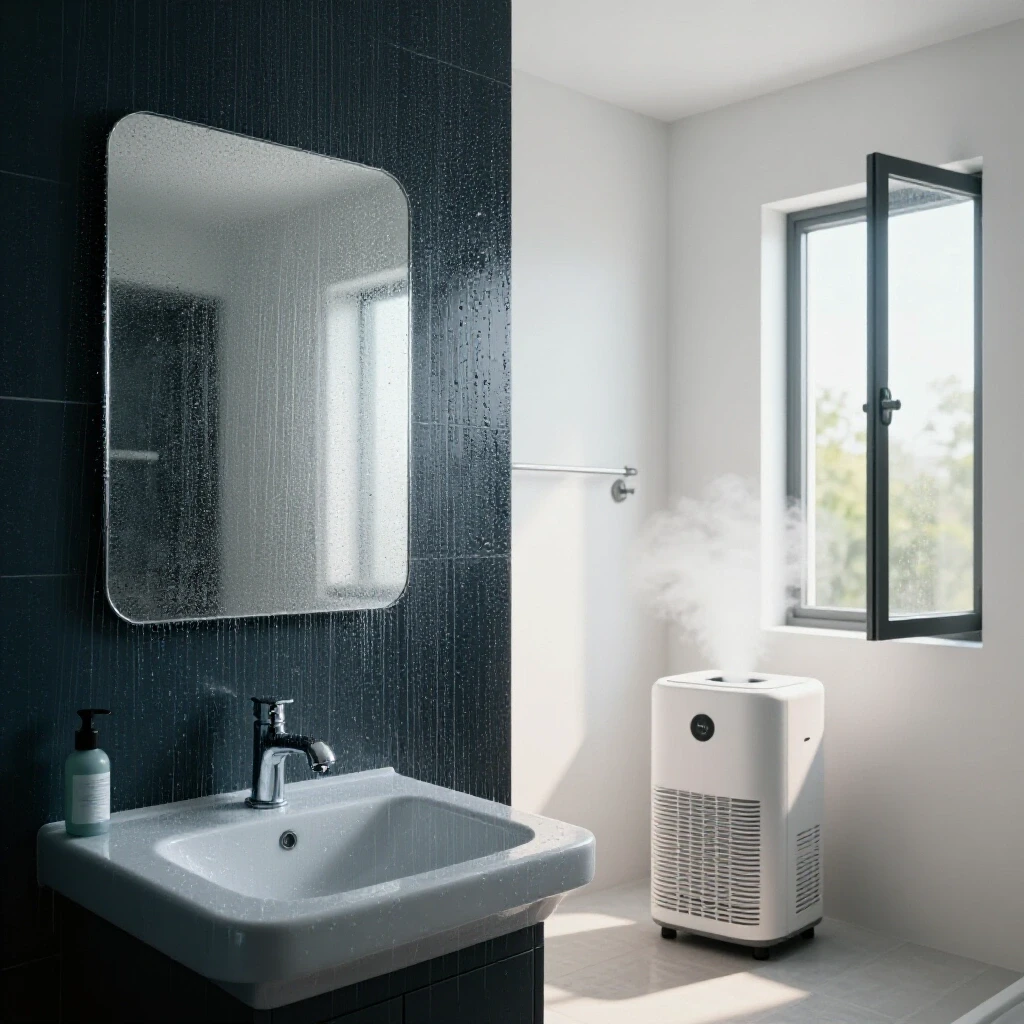
I also install smart water sensors near the pump and in low-lying areas. These sensors are calibrated to detect as little as 1/16 inch of standing water. Building science tells us that even a small amount of water can raise the relative humidity of a basement above 60%, which is the threshold for mold growth. I maintain interior humidity between 30% and 50% using a high-capacity dehumidifier rated for the square footage of the space.
Strengthening Utility Entry Points
Every pipe or wire that enters the home is a potential leak point. I inspect the “service entrance” where the electrical conduit and main water line penetrate the foundation. I use hydraulic cement or expandable closed-cell foam to seal these penetrations. Unlike standard spray foam, closed-cell foam is vapor-impermeable and provides structural rigidity, preventing water from “wicking” along the pipe into the interior.
Case Study: Addressing a Failing Building Envelope
In 2018, I worked on a 1920s craftsman that suffered from recurring dampness in the north-facing wall. The homeowner thought the roof was leaking, but my diagnostic audit showed something different.
Using a thermal camera, I identified a significant temperature drop around the rim joist—the area where the house frame sits on the foundation. My moisture meter showed 22% moisture content in the wooden sill plate. The root cause wasn’t the roof; it was a lack of “protective layering” at the ground level.
The flower beds had been built up too high, covering the weep holes in the brick veneer. This allowed water to enter the wall cavity through capillary action. I removed 4 inches of soil, installed a subterranean drainage plane, and resealed the rim joist with closed-cell spray foam. The moisture levels dropped to 10% within two weeks and have remained stable since.
Preventative Maintenance Schedule by System
To manage an older property effectively, I follow a strict timeline. This prevents small wear-and-tear issues from escalating into structural failures.
- Quarterly: Test sump pump float and backup battery; inspect gutters for debris; check “critical” caulk joints around doors.
- Bi-Annually: Inspect the attic for signs of moisture (rust on nails, matted insulation); check the R-value of attic insulation (aiming for R-49 to R-60 in cold climates); clean window weep holes.
- Annually: Perform a full exterior “envelope walk” with a moisture meter; test all exterior drainage slopes; inspect the roof for lifting shingles or cracked flashing.
- Every 5 Years: Replace exterior sealants in high-exposure areas; professional HVAC duct cleaning and “static pressure” testing.
DIY vs. Professional Scope Limits
Knowing when to step back is a vital skill for any homeowner. I use a specific framework to decide if a task is a DIY reinforcement or a professional intervention.
- Electrical: If the repair involves the main service panel or requires a permit, call a licensed electrician. DIY is limited to replacing outlets or sealing conduit entries.
- Structural: If a foundation crack is wider than 1/4 inch or shows signs of “stair-stepping,” a structural engineer is required. I only handle cosmetic sealing and drainage correction.
- Plumbing: I manage “fixture-side” repairs and pressure testing. Any work involving the main stack or underground laterals requires a plumber with a sewer camera.
- Roofing: I perform ground-level inspections and minor flashing repairs. If more than 10% of the shingles are damaged, a professional roofing crew is safer and more effective.
Critical Diagnostic Mistakes to Avoid
In my 17 years, I have seen many homeowners make the same errors. Avoiding these can save thousands in unnecessary repairs.
- Ignoring Efflorescence: That white powder on your basement wall isn’t just “old house dust.” It is a sign of active hydrostatic pressure.
- Over-Sealing: A house needs to breathe. Never seal “weep holes” in brick or the bottom of siding. This traps moisture inside the wall, leading to rot.
- Using the Wrong Caulk: Silicone is great for bathtubs but often fails on wood siding because it cannot be painted and doesn’t always bond well to organic fibers. Use a high-quality polyurethane or “hybrid” sealant for the exterior.
- Neglecting Downspout Extensions: A gutter is useless if the water dumps right next to the foundation. I ensure all extensions carry water at least 10 feet away from the structure.
Building a Multi-Year Prevention Program
Protecting a home is a marathon, not a sprint. I recommend keeping a “Facility Log” to track repairs and diagnostic readings over time. By recording moisture levels and system pressures annually, you can spot trends before they become failures. For instance, if your basement humidity rises by 5% every year despite no changes in weather, you may have a developing foundation leak or a failing dehumidifier.
Actionable Next Steps for Homeowners
- Conduct a “Dry Run”: During the next light rain, put on a raincoat and walk around your house. Watch where the water flows. If it pools within 6 feet of the house, that is your first project.
- Buy a Moisture Meter: For less than $50, you can have the same diagnostic power as a professional. Test your basement walls today to establish a baseline.
- Check Your Gutters: Ensure they are not just clean, but properly sloped. A gutter should drop 1/2 inch for every 10 feet of run toward the downspout.
- Inspect Sealants: Look for “daylight” or cracks in the caulk around your windows. If the caulk feels brittle, it is time to scrape and replace it with an ASTM C920 product.
FAQ: Proactive Property Care and Maintenance
What is the most common cause of hidden water damage in older homes? The most common cause is “slow-motion” intrusion through failed exterior sealants and improper grading. Over time, capillary action pulls moisture into the wall assembly, where it cannot evaporate, leading to structural rot that remains hidden behind siding or drywall until it is extensive.
How can I tell if my basement dampness is from a leak or just humidity? Perform the “Tape Test.” Tape a 12×12 inch square of aluminum foil or clear plastic to the basement wall, sealing all edges. Wait 48 hours. If moisture is on the outside of the plastic, it is condensation from high humidity. If moisture is under the plastic (on the wall side), water is seeping through the foundation due to hydrostatic pressure.
Why is soil grading so important for foundation health? Soil acts as a reservoir. If the grade slopes toward the house, gravity pulls thousands of gallons of water into the “backfill zone” around your foundation. This increases hydrostatic pressure, which can eventually bow foundation walls or cause significant floor heaving.
What are “weep holes,” and why shouldn’t I plug them? Weep holes are small gaps left in brick masonry to allow moisture that gets behind the brick to escape. If you plug them with caulk or mortar, water becomes trapped against the wooden framing of your house, leading to mold and wood-destroying fungi.
Is it safe to use spray foam to seal everything? No. You must distinguish between open-cell and closed-cell foam. Open-cell foam can act like a sponge and hold water. For structural reinforcement and moisture barriers, only use “closed-cell” foam, which has a high R-value and acts as a vapor barrier.
How do I know if my gutters are the right size? Standard 5-inch gutters are usually sufficient, but for large roof planes, 6-inch gutters are better. If water frequently overshoots the gutter during heavy rain, it is likely a sizing issue or the pitch is incorrect.
What should the moisture reading be for a “healthy” wooden sill plate? In a well-maintained home, the moisture content of structural lumber should be between 8% and 12%. Once it exceeds 16%, the risk of mold increases. At 20% or higher, the wood is susceptible to “brown rot” and structural failure.
How often should I test my sump pump? I recommend testing it every three months and before any season known for high precipitation. Simply pour a five-gallon bucket of water into the pit to ensure the pump activates and clears the water quickly.
What is “thermal bridging,” and how does it affect my home? Thermal bridging occurs when a more conductive material (like a metal stud or a solid wood header) allows heat to bypass insulation. This creates cold spots on interior walls where moisture can condense, leading to localized mold growth.
Can I use standard exterior paint to seal a foundation? Standard paint is not a waterproof barrier. For foundation walls, you need a “masonry sealer” or an “elastomeric coating” specifically designed to withstand hydrostatic pressure. However, these are often “band-aids” that do not address the root cause of poor drainage.
(This article was written by one of our staff writers, Daniel Whitaker. Visit our Meet the Team page to learn more about the author and their expertise.)