How a Capsule Wardrobe Simplifies Morning Routines (Step-by-Step)

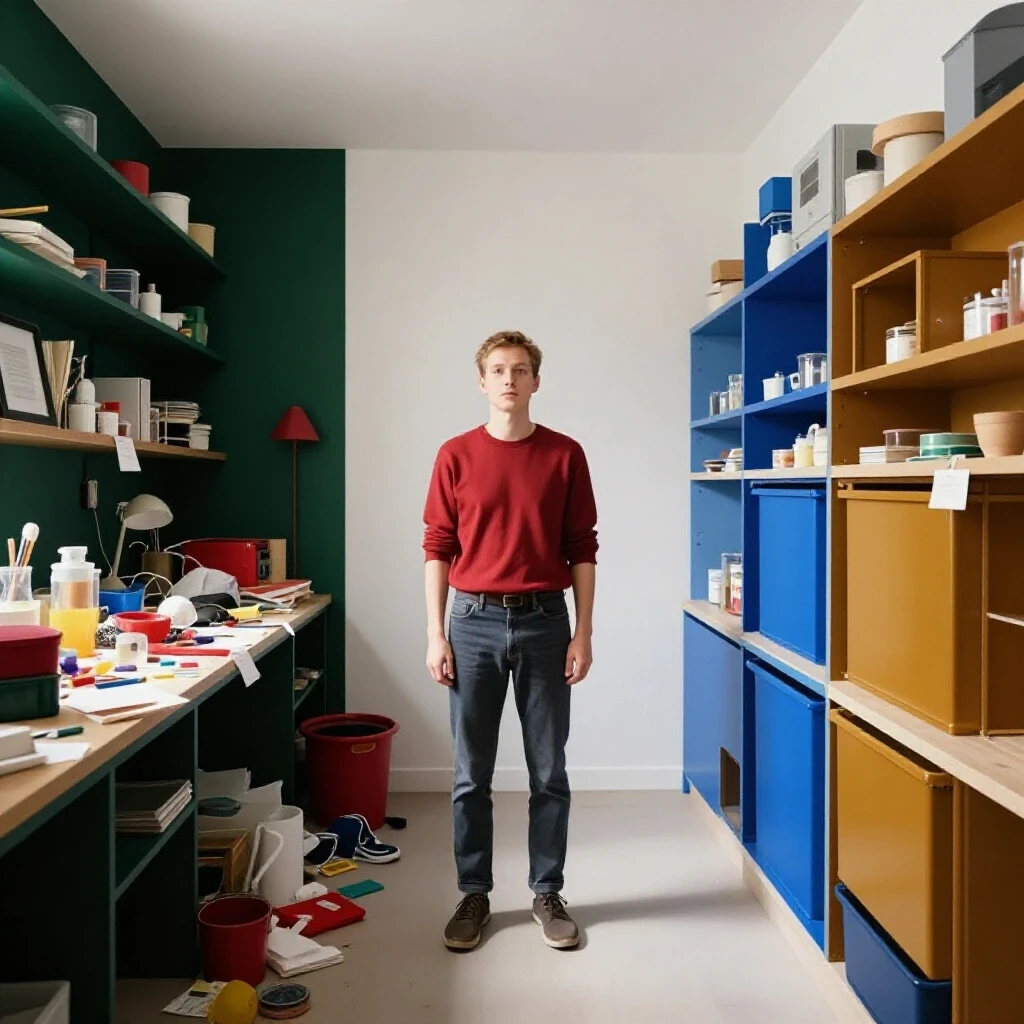
The 7:00 AM rush in a house with children often feels like a logistical exercise in damage control. I remember mornings where my kids would stand in front of overstuffed drawers, paralyzed by choice, while I dug through piles of laundry to find a single pair of matching socks. Despite our frequent efforts to “clean up,” the bedrooms would revert to a state of chaos within forty-eight hours. My background in operations and logistics taught me that this wasn’t a failure of willpower; it was a failure of the system. We had too much inventory and too much friction in our storage methods.
The Science of Spatial Logistics in the Family Home
Spatial logistics refers to the strategic arrangement of items within a living environment to maximize efficiency and minimize the effort required for daily tasks. In a home setting, this involves analyzing how family members move through a room and identifying where physical objects create “bottlenecks” that slow down essential routines.
In my eleven years of managing complex workflows, I have found that the home is simply a small-scale warehouse. In a warehouse, every extra second spent looking for a part costs money. In a home, every extra second spent looking for a shirt costs sanity. Environmental psychology studies suggest that visual clutter increases cortisol levels, particularly in women. When our closets are packed tight, our brains perceive it as an unfinished task. This creates a constant state of low-level stress before the day has even truly begun.
Understanding Retrieval Friction and Decision Fatigue
Retrieval friction is the physical and mental resistance encountered when trying to access or put away an item. Decision fatigue is the decline in the quality of choices made by an individual after a long session of decision-making. Both factors heavily influence how quickly a home becomes disorganized.
When my family moved toward a leaner inventory of clothing, we weren’t just “cleaning out the closet.” We were reducing the number of decisions we had to make every morning. Research in organizational behavior shows that having fewer options leads to higher satisfaction and less regret. By limiting the volume of clothes, we removed the need to “sift” and “sort” during the high-pressure morning window.
- Low Friction: An open bin where a child can drop a pair of shoes.
- High Friction: A plastic box with a tight lid stored under a bed.
- Decision Load: Choosing from 30 shirts versus choosing from 10.
Identifying Bottlenecks in the Morning Routine
A bottleneck is a point in a process where the flow of activity is slowed or stopped because the capacity at that point is lower than the demand. In a household, the primary bottleneck is often the transition from waking up to leaving the house, frequently caused by disorganized storage.
I conducted a simple time-motion study on our own morning routine. I found that my children spent an average of six minutes just “looking” for clothes. This happened because their drawers were so full that items were shoved to the back and forgotten. We were operating at 110% spatial capacity. Effective home organization systems require us to operate at about 70% to 80% capacity to allow for easy movement and “flow” of items.
The Storage Friction Index by Bin Type
To fix our system, we had to evaluate our containers. Not all storage solutions are created equal. Some actually make it harder to stay organized because they require too many steps to use.
| Storage Type | Steps to Store | Steps to Retrieve | Friction Level | Best Use Case |
|---|---|---|---|---|
| Open Front Bins | 1 | 1 | Very Low | Daily socks, underwear |
| Hooks | 1 | 1 | Very Low | Jackets, pajamas |
| Drawers (No Dividers) | 2 | 3 | Medium | T-shirts, leggings |
| Lidded Totes | 3 | 4 | High | Seasonal items only |
| Vacuum Bags | 5+ | 5+ | Very High | Long-term storage |
Building a Sustainable Sorting Framework for Busy Parents
A sorting framework is a repeatable set of rules used to categorize and process items within a home. For a family, this framework must be simple enough for a six-year-old to understand while being robust enough to handle the constant inflow of new items.
When we redesigned our wardrobe system, I applied a “Last-In, First-Out” (LIFO) analysis. We realized we were only wearing the top 20% of our clothes. The bottom 80% was just “dead stock” taking up valuable real estate. We implemented a strict volume-based limit. If the drawer didn’t close easily, the inventory was too high. This shifted our focus from “where do I put this?” to “do we actually need this many?”
The Decluttering Sorting Log
Using a log helps track progress and identifies which areas of the house are “clutter magnets.” It provides a data-driven view of your home rather than an emotional one.
- Step 1: Empty the entire space (closet or drawer).
- Step 2: Sort into three categories: Active, Seasonal, and Exit.
- Step 3: Count the items in the “Active” pile.
- Step 4: Compare count to the available storage volume.
| Category | Initial Count | Target Count | Disposal Method |
|---|---|---|---|
| Children’s Tops | 45 | 15 | Donation |
| Adult Work Shirts | 30 | 12 | Textile Recycling |
| Toddler Socks | 24 pairs | 10 pairs | Trash (if worn) |
| Activewear | 20 sets | 7 sets | Donation |
High-Efficiency Zoning for Domestic Spaces
Zoning is the practice of grouping related items and activities into specific areas to reduce travel time and mental effort. In a functional home storage setup, items should be stored as close to their point of use as possible to minimize “transit time.”
We mapped our bedrooms into three zones. Zone 1 is the “Prime Real Estate” (waist to eye level), reserved for the 10-15 items worn most frequently. Zone 2 is for less frequent items (lower drawers or higher shelves). Zone 3 is for items used once a month or less. By moving my kids’ most-worn outfits into Zone 1, we reduced their “retrieval step count” significantly.
Daily Maintenance Timelines by Family Size
Maintaining a simplified system takes much less time than a complex one. However, it still requires a consistent “reset” period. The goal is a system that can be reset in under ten minutes.
- Family of 2: 5-minute evening reset.
- Family of 4: 10-minute evening reset.
- Family of 6+: 15-minute evening reset (shared tasks).
Selecting Low-Maintenance Storage Gear
Low-maintenance storage gear consists of durable, accessible containers that do not require complex labeling or delicate handling. The best tools for a busy family are those that allow for “one-handed” operation and clear visibility of contents.
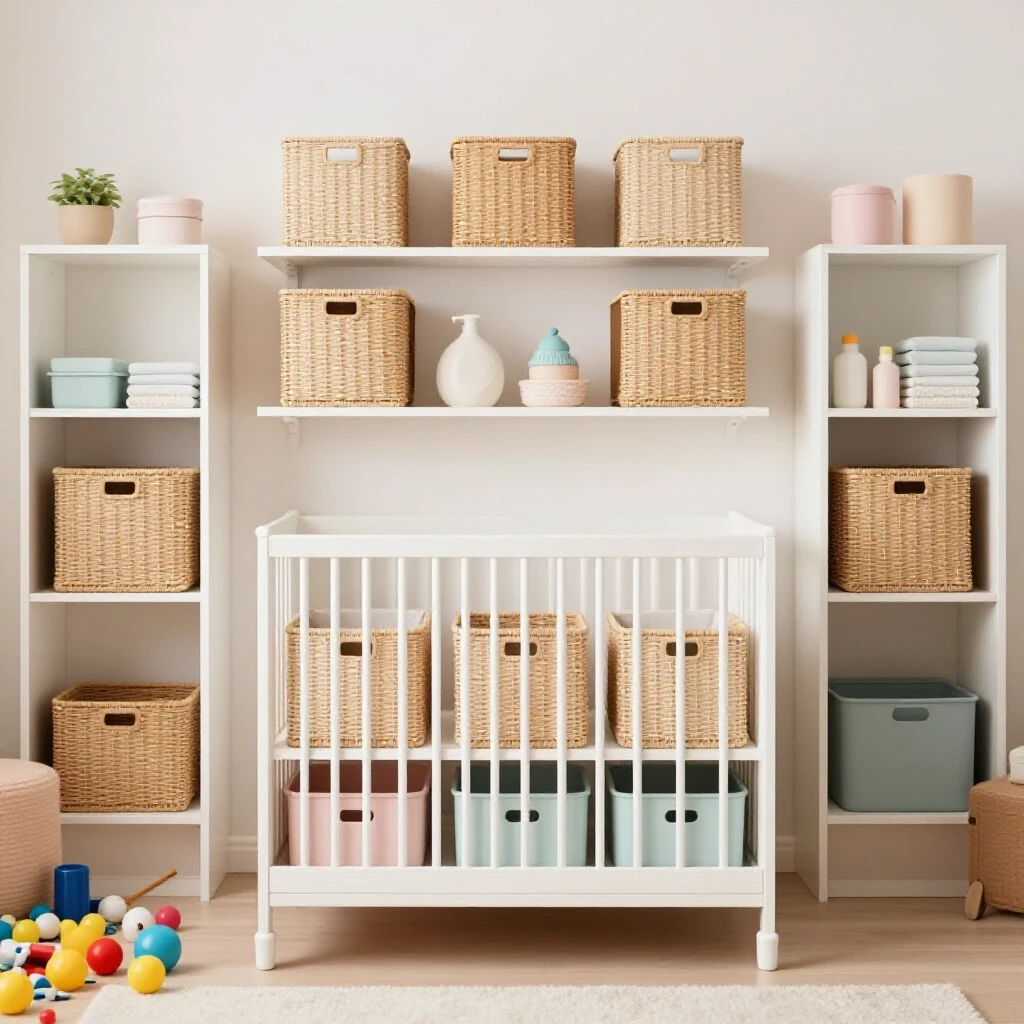
I realized that many “pretty” organization systems fail because they are too fragile for real life. We swapped out wicker baskets that snagged clothes for smooth, recycled plastic bins. We replaced complex filing systems for clothes with simple “shelf dividers” that kept stacks of shirts from toppling over. This reduced the “sorting friction” for the kids, making it easier for them to put their own laundry away.
- Clear Polypropylene Bins: Durable and allow for visual scanning without opening.
- Over-the-Door Hooks: Utilize vertical space for “in-between” clothes like sweatshirts.
- Adjustable Drawer Dividers: Create flexible boundaries that grow with the child’s clothing size.
- Uniform Hangers: Reduce visual noise and prevent clothes from tangling.
Building Systematic Habit Loops for the Whole Family
A habit loop is a neurological pattern that governs any habit, consisting of a cue, a routine, and a reward. In home organization, the goal is to make the “tidy” choice the easiest choice for every member of the household.
We established a “One-In, One-Out” rule for our reduced wardrobe. When a child gets a new shirt, an old one must be moved to the donation bin. This keeps our inventory levels static. To make this work, the donation bin is kept in a permanent spot in the laundry room. The “cue” is the new item; the “routine” is placing the old item in the bin; the “reward” is a closet that never feels cramped.
- The Evening Prep: Laying out the next day’s clothes (only possible when the closet isn’t a mess).
- The Laundry Loop: Putting clothes away immediately because there is actually room for them.
- The Seasonal Audit: A 20-minute check every three months to rotate outgrown items.
Common Mistakes in Family Organization
Many families fail because they try to organize “clutter” instead of removing it. If you have 50 shirts and only space for 20, no amount of expensive bins will solve your problem. You are simply organizing your obstacles.
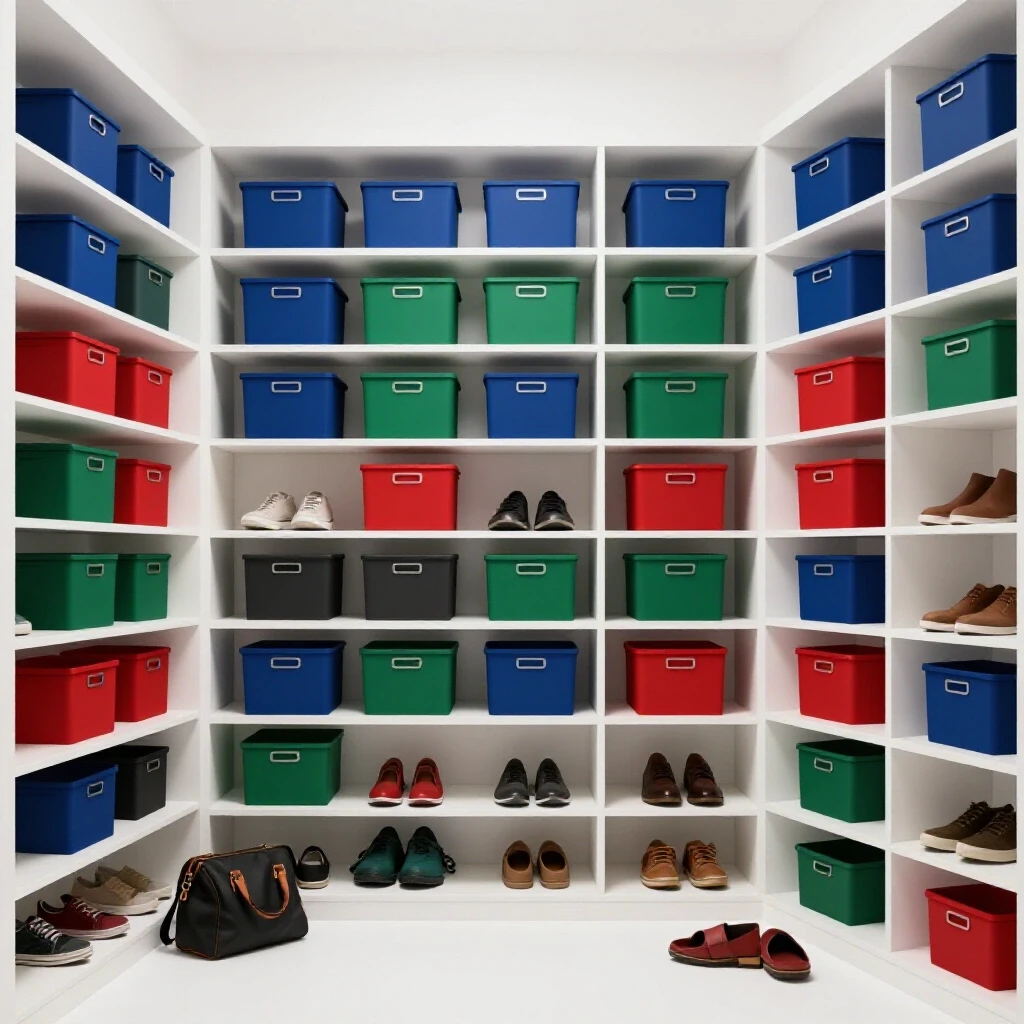
Another mistake is “over-categorization.” If a system requires a child to separate socks by color and length, they will eventually give up. We found that “broad categorization” (all socks in one bin, all underwear in another) is far more sustainable. It lowers the cognitive load required to maintain the system.
- Mistake: Buying bins before decluttering.
- Mistake: Using lids on daily-use items.
- Mistake: Aiming for a “magazine look” rather than functional flow.
- Mistake: Keeping “just in case” items that haven’t been worn in a year.
Practical Steps to Start Your Journey
If you are feeling overwhelmed, start small. Do not try to organize the whole house in a weekend. Logistics improvements are best made in “sprints.” Focus on the area that causes the most friction in your morning routine.
- Perform a 5-Minute Audit: Watch your family get ready tomorrow morning. Note exactly where the “stalls” happen.
- Reduce Volume by 30%: Pick one drawer and remove items that haven’t been touched in six months.
- Lower the Friction: Remove the lids from your most-used clothing bins.
- Implement a Transit Zone: Create a specific spot for clothes that are “worn but not dirty” to prevent them from hitting the floor.
Frequently Asked Questions
How do I convince my kids to get on board with having fewer clothes?
Focus on the benefit to them. Explain that fewer choices mean they can get dressed faster and have more time for breakfast or play. Involve them in the “sorting log” process so they feel a sense of ownership over their space. When they see that their drawers are easier to open and close, they usually appreciate the change.
What if I live in a climate with four distinct seasons?
Use the “Active vs. Seasonal” zoning method. Keep only the current season’s clothes in the primary closet (Zone 1). Store the other three seasons in lidded bins in Zone 3 (high shelves or under-bed). This keeps your daily inventory low while still keeping necessary items accessible for when the weather shifts.
How many items should be in a “minimal” wardrobe for a working professional?
There is no “perfect” number, but a common benchmark for a functional capsule is 30 to 40 items per season. This includes tops, bottoms, and outerwear. The goal is to ensure every piece is versatile and fits well. Focus on “item density”—if your closet rod is so packed you can’t slide a hanger, you have too many items.
How do I handle clothes that are “sentimental” but never worn?
Move sentimental items out of your “Active Zone.” These belong in a memory box, not your daily closet. By separating “utility” from “memory,” you free up the mental energy needed to get through your morning routine. Treat your daily closet like a tool kit, not a museum.
Won’t having fewer clothes mean I have to do laundry more often?
Interestingly, it’s often the opposite. When you have a massive amount of clothes, laundry piles up because you “can always find something else to wear.” With a leaner inventory, you are forced to maintain a regular laundry cadence. This prevents the “laundry mountain” effect and keeps the flow of clothes moving through the house predictably.
What is the best way to label bins for children who can’t read yet?
Use picture labels or color-coding. A simple icon of a sock or a t-shirt on the front of a bin tells a child exactly where things go. This removes the “retrieval friction” and empowers them to help with the “outflow” of laundry, reducing the burden on the parents.
How do I stop the clutter from coming back?
The key is controlling the “inflow.” Before bringing a new item into the house, ask where it will live. If that “zone” is already at 80% capacity, something else must leave. Maintaining a tidy home is less about cleaning and more about managing the volume of items you allow across your threshold.
Is it better to fold or hang clothes for maximum efficiency?
Hanging is generally lower friction because it involves fewer steps than folding. However, for items like sweaters or t-shirts, “file folding” (vertical folding) in a drawer with dividers allows you to see everything at once. Choose the method that your family is most likely to stick with consistently.
What should I do with the clothes I decide to remove?
Have a “disposal plan” ready before you start. Whether it’s a local donation center, a textile recycling bin, or a hand-me-down box for a friend, knowing exactly where the “exit” is prevents the bags from sitting in your hallway for weeks. A clear exit path is essential for sustainable decluttering.
(This article was written by one of our staff writers, Christopher Bennett. Visit our Meet the Team page to learn more about the author and their expertise.)