How to Build Community After Moving to a New Neighborhood (Guide)

The faster we try to settle into a new home by closing the front door and focusing inward, the longer it actually takes to feel at home. Over nineteen years and four major relocations, I have found that the most successful transitions happen when we treat our floor plans as social bridges rather than private bunkers. Moving into a new space is often viewed as a logistical hurdle, but it is actually the best opportunity to redesign how you interact with the people around you through the lens of your own living environment.
Why Spatial Layout Adaptation Defines Your Social Success
Spatial layout adaptation is the process of reconfiguring your furniture and belongings to fit the unique dimensions and flow of a new environment. It focuses on how physical objects dictate movement, comfort, and the ability to host others. By planning your layout early, you transform a strange house into a functional hub for daily routines and new local connections.
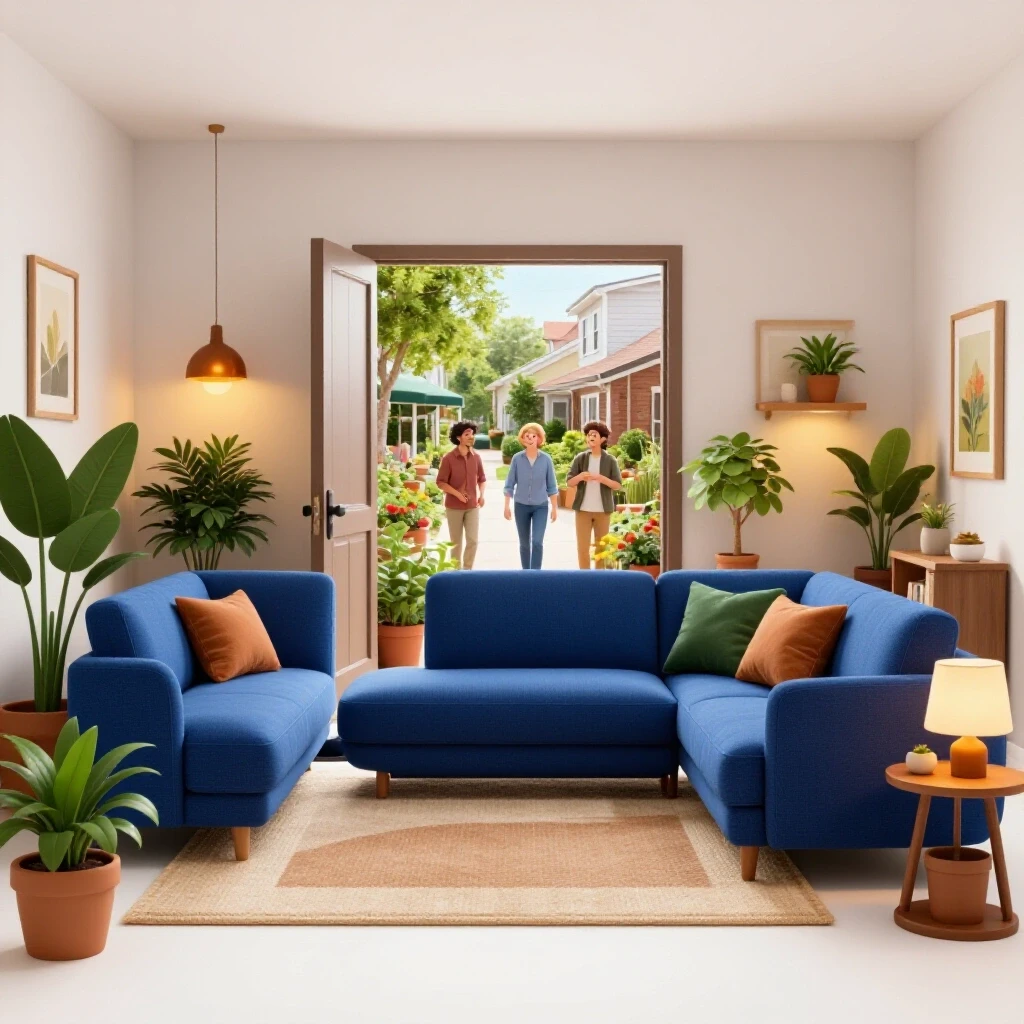
When we moved into our third home, a narrow 1920s bungalow, our existing oversized sectional sofa literally blocked the path to the kitchen. This was a classic mistake in home transition planning. We were trying to force an old lifestyle into a new footprint. Research in environmental psychology suggests that “circulation paths”—the way we move from room to room—greatly impact our stress levels. In that bungalow, the cramped layout made us feel isolated because we didn’t feel the space was “ready” to show anyone else.
The breakthrough came when we stopped viewing furniture as static objects and started seeing them as tools for engagement. We sold the sectional and opted for a “floating” layout that left 36 inches of clearance around the perimeter. This small adjustment in spatial layout adaptation changed everything. Suddenly, the room felt open, and we felt confident enough to invite a neighbor over for a simple DIY project.
Analyzing the Spatial Blueprint Compatibility Matrix
A spatial blueprint is a bird’s-eye view of your new home that accounts for permanent fixtures like windows, radiators, and doors. Understanding this footprint allows you to decide which pieces of furniture will support your goal of hosting design-centered activities and which will simply get in the way.
| Furniture Item | Old Room Context | New Room Challenge | Adaptation Strategy | Social Function |
|---|---|---|---|---|
| Large Dining Table | Open Concept | Narrow Formal Room | Rotate 90 degrees; use as a craft bench | Hosting DIY workshops |
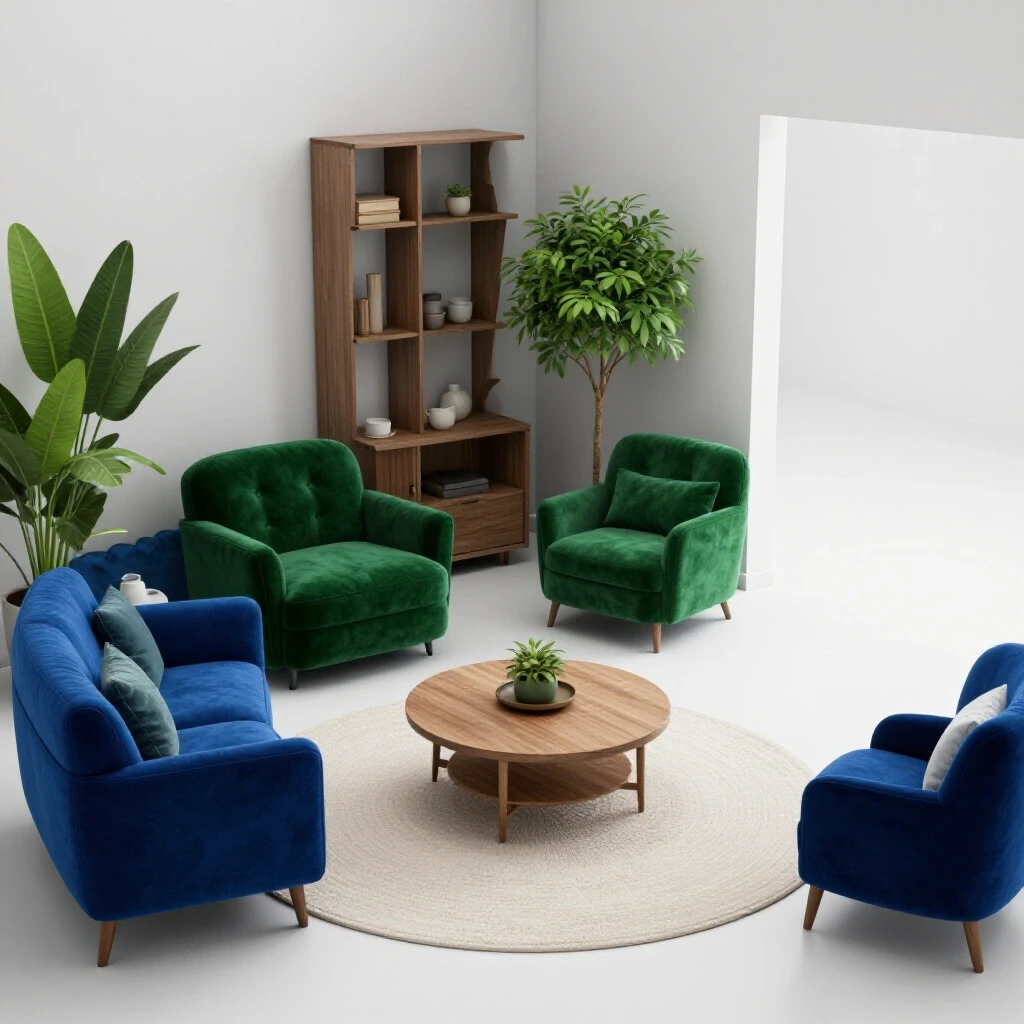
| Sectional Sofa | Corner Placement | Center Flow Obstacle | Split into segments or replace with chairs | Creating open conversation pits |
| Bookshelves | Wall-to-Wall | Blocks Natural Light | Use as low-profile room dividers | Displaying shared DIY tools |
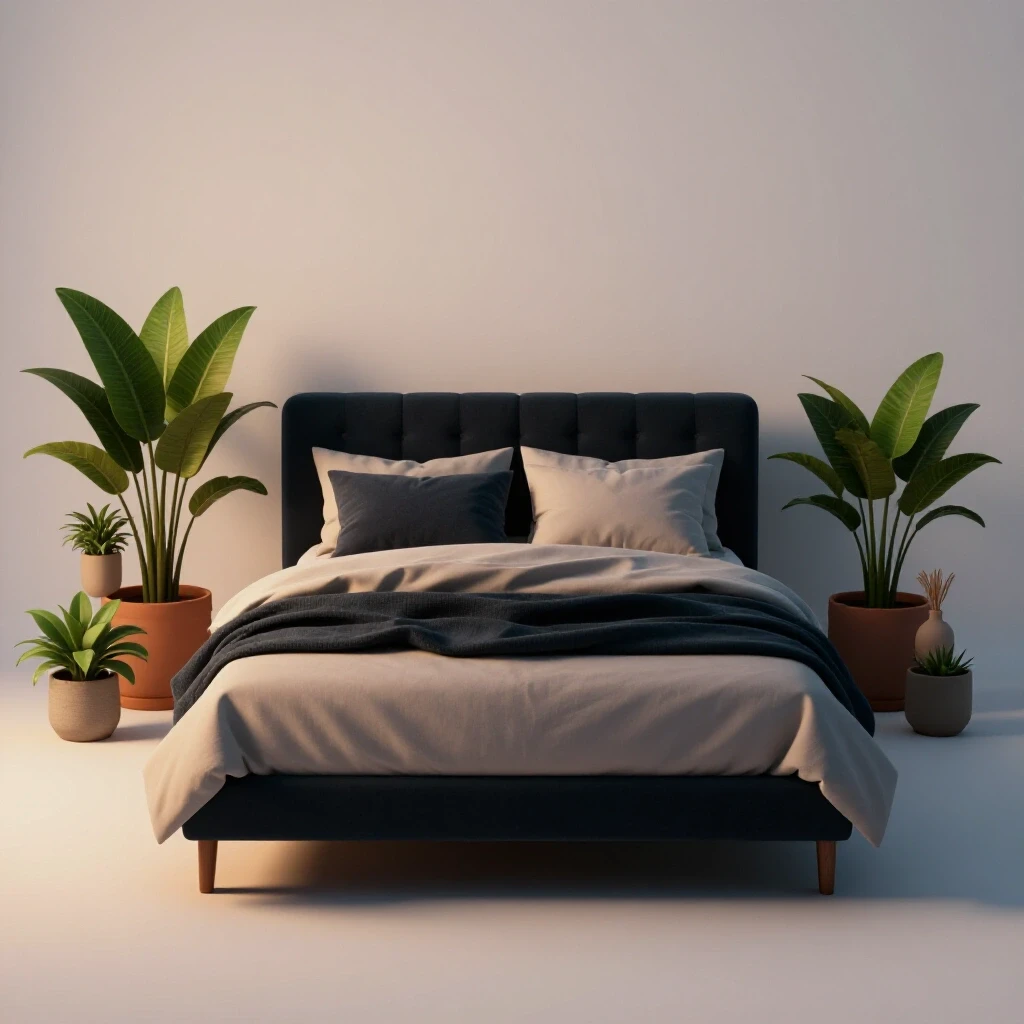
| King Bed | Master Suite | Tight Clearance (under 30″) | Center on main wall; remove bulky nightstands | Private retreat for routine recovery |
Why Blind Furniture Placement Fails and How to Draft Your First Layout
Blind furniture placement occurs when movers drop boxes and sofas in the most convenient spot rather than the most functional one. This often leads to “dead zones” where space is wasted and “choke points” where traffic is blocked. Drafting a layout blueprint ensures every square inch serves a purpose in your new home adjustment guide.
Before you move a single heavy item, you must measure the “traffic lanes.” Standard ergonomics suggest that primary walkways should be at least 36 inches wide. If your sofa leaves only 20 inches of space between it and the wall, you will subconsciously avoid that part of the room. When we moved to a home with an awkward L-shaped living area, I used a digital space-planner to map out the “visual weight.” We placed the heaviest items against the longest walls to keep the center of the room open for movement.
- Measure all entryways and hallways (usually 30–36 inches).
- Account for “swing space” for doors and cabinets (typically 24–30 inches).
- Identify natural light sources to prevent screen glare.
- Mark outlet locations to avoid running hazardous cords across walkways.
Optimizing Awkward Floor Plans for Shared Creative Projects
Awkward floor plans are rooms with unusual angles, low ceilings, or misplaced windows that make standard furniture arrangements difficult. Optimizing these spaces requires creative zoning, where you divide a single room into multiple functional areas. This is essential for creating a home that supports both quiet family life and active community projects.
In our current home, we had a “bonus room” that was too small for a traditional guest room but too large for a closet. Instead of letting it become a storage graveyard, we adapted it into a dedicated DIY craft space. We installed a counter-height table and open shelving. This spatial layout adaptation allowed us to host a “wreath-making afternoon” for three neighbors shortly after moving in. By having a designated, functional zone, the stress of hosting vanished because the environment was designed for the activity.
- The “Floating” Sofa: Place seating away from walls to create a walkway behind the furniture.
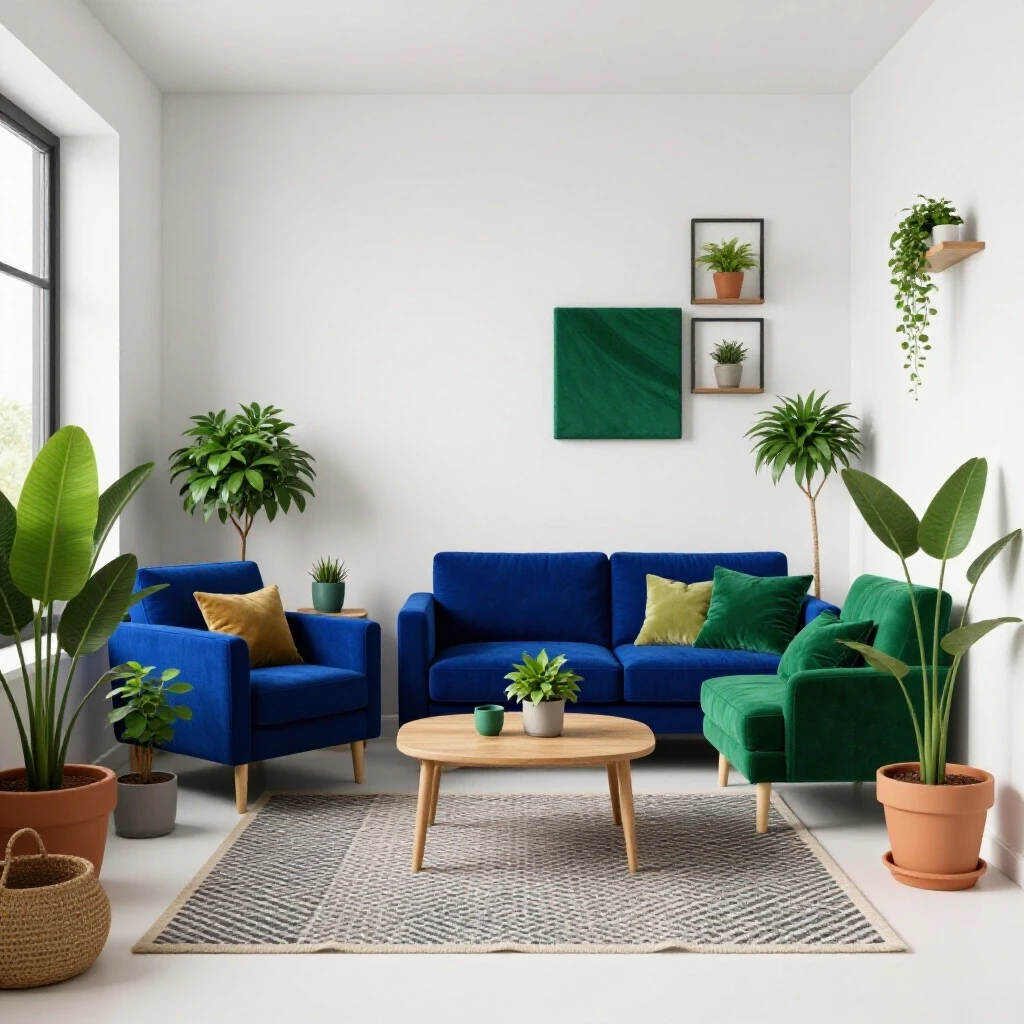
- Zoning with Rugs: Use area rugs to define a “craft zone” versus a “seating zone” in a large room.
- Vertical Storage: In small rooms, use wall-mounted shelves to keep the floor footprint clear for guests.
- Multi-functional Surfaces: Choose a dining table that can double as a project bench for home decor activities.
The First-Month Spatial Adjustment Timeline
A spatial adjustment timeline is a structured schedule for fine-tuning your home’s layout and social readiness during the first 30 days. It prevents the “moving paralysis” that happens when you feel overwhelmed by boxes. Following a plan helps you move from logistics to living as quickly as possible.
| Phase | Focus Area | Action Step | Goal |
|---|---|---|---|
| Week 1 | Essential Flow | Clear 36″ paths in kitchen and bedrooms | Establish basic daily routines |
| Week 2 | Functional Zoning | Set up the primary “social zone” (living/dining) | Prepare for the first guest |
| Week 3 | Aesthetic Refinement | Hang art and organize DIY supply stations | Make the space feel personal |
| Week 4 | Community Outreach | Host a low-stakes design or craft gathering | Solidify neighborhood connections |
Using Home Decor Projects to Foster Local Connections
Home decor projects are intentional design activities, such as painting furniture or building shelving, that serve as a catalyst for meeting neighbors. Instead of a formal party, these projects offer a low-pressure way to invite people into your space. They shift the focus from “the new neighbors” to “the shared project.”
During one of our cross-country moves, we felt completely out of place in a suburban cul-de-sac. I decided to build a set of wooden planter boxes for our front porch. As I worked on them in the driveway, two neighbors stopped to ask about the design. I invited them to help paint the final coats the following Saturday. This simple DIY craft workshop turned into a recurring weekend tradition. We weren’t just “the people who moved in”; we were the neighbors who liked to build things.
- Choose a visible project: Work on something in the front yard or with the garage door open.
- Keep it simple: A project like “swapping cabinet hardware” or “potting indoor plants” is easy for others to join.
- Provide the tools: Have extra brushes, gloves, or sandpaper ready for anyone who stops by.
- Focus on the process: The goal isn’t a perfect product; it’s the conversation that happens while your hands are busy.
Furniture Clearance Guidelines by Room Footprint
Furniture clearance guidelines are specific measurements that ensure a room remains walkable and comfortable. Adhering to these standards prevents a room from feeling crowded, which is a major pain point for those moving into smaller or more complex layouts. Proper clearance is the difference between a cramped room and a welcoming one.
- Living Room: Keep 18 inches between the edge of the sofa and the coffee table.
- Dining Room: Allow 36 inches from the table edge to the wall or nearest furniture piece for chair pull-out.
- Bedroom: Maintain at least 24 inches of walking space around the perimeter of the bed.
- Hallways: Aim for a minimum of 36 inches to allow two people to pass each other comfortably.
- Workspaces: Ensure 48 inches of clearance behind a desk chair if the area is also a walkway.
Establishing Daily Routines Through Functional Room Systems
Functional room systems are the organized methods you use to manage daily tasks like mail, laundry, and meal prep within your new layout. When these systems are designed to fit the floor plan, they reduce the friction of a home transition. A well-ordered home provides the mental bandwidth needed to focus on building a community.
When we moved into a house with no mudroom, our entryway became a chaotic pile of shoes and bags. This “spatial friction” made us feel stressed every time we walked through the door. We adapted by creating a “drop zone” using a slim console table and three baskets tucked underneath. By solving this layout problem, we reclaimed our entryway as a welcoming space for neighbors to drop by. We no longer felt the need to hide our mess before answering the door.
Essential Tools for Mapping Your New Environment
To successfully navigate a home moving checklist and layout adaptation, you need the right tools to visualize the space before moving heavy furniture. Modern technology has made it easier to experiment with floor plans without physical strain. These resources help you plan for both your family’s needs and your social goals.
- Floorplanner.com: A web-based tool for creating 2D and 3D floor plans with drag-and-drop furniture.
- Magicplan App: Uses your phone’s camera to measure rooms and create floor plans instantly.
- SketchUp: A more advanced tool for those who want to model custom DIY furniture projects.
- Graph Paper and Cutouts: The classic method of using 1/4-inch scale drawings to test furniture layouts.
- Trello or Notion: Useful for creating a box inventory packing log and tracking decor project timelines.
Navigating the Social Friction of a New Home
Social friction is the initial awkwardness or hesitation felt when trying to integrate into a new neighborhood. It is often exacerbated by a home that feels “unfinished” or a layout that doesn’t support hosting. Overcoming this requires a shift in perspective: your home doesn’t have to be perfect to be a place of connection.
In our nineteen years of moving, I’ve learned that people are more interested in your “process” than your “perfection.” When we invited neighbors over to help us decide on a gallery wall layout, they felt invested in our home. We used blue painter’s tape to mock up frame positions on the wall. This design-centered activity gave everyone a role and broke the ice faster than any formal dinner could have.
- Embrace the “In-Progress” look: Boxes in the corner can be a conversation starter about where you came from.
- Ask for local design advice: Neighbors love sharing where to find the best local hardware store or plant nursery.
- Host a “Box-Opening” party: Invite people over to help unpack a specific room, like the library or craft room.
Conclusion: Your Next Steps for a Smooth Transition
The journey of adapting to a new space is a marathon, not a sprint. By focusing on spatial layout adaptation and using home decor as a way to invite others in, you turn a stressful move into a creative opportunity. Start by measuring your new traffic lanes and identifying one small DIY project you can do in a visible area.
Your home is more than just a place to store your furniture; it is the stage where your new life unfolds. Take the time to map your floor plan, respect the 36-inch clearance rules, and leave room for the unexpected connections that happen when you open your doors. The most comfortable daily living comes not from having the perfect house, but from having a home that is open to the community around it.
Frequently Asked Questions
How do I make my old furniture fit into an awkwardly shaped room? Start by identifying the primary function of the room. Use a “floating” layout where furniture is pulled away from the walls to create clear 36-inch walkways. If a piece is too large, consider repurposing it; for example, an old dining table can become a great oversized craft bench in a basement or spare room.
What is the most important measurement to remember when planning a layout? The 36-inch rule is vital. This is the standard width for comfortable walkways and hallways. Ensuring you have this much space around your main furniture pieces prevents the room from feeling cramped and makes it easier to host groups for DIY projects or gatherings.
How soon after moving should I start hosting home-based activities? You don’t need to wait until you are fully unpacked. In fact, hosting a “low-stakes” activity like a furniture-painting session in week three or four can help you feel settled faster. It allows neighbors to see your home in its “transition phase,” which is much less intimidating than a finished house.
What are some easy DIY projects to meet neighbors? Visible projects are best. Try assembling porch furniture, painting a front door, or potting plants in the driveway. These design-centered activities naturally invite questions and conversation from passersby without the pressure of a formal invitation.
How can I manage the stress of moving logistics while trying to be social? Focus on one room at a time using a first-month spatial adjustment timeline. Once your “social zone” (usually the living or dining room) is functional and clear of boxes, your stress levels will drop, making it easier to focus on neighborhood integration.
What if my new home is much smaller than my previous one? This requires a strict spatial audit. Measure your new room dimensions and compare them to your furniture scale. You may need to transition to multi-functional pieces, like an ottoman with storage or wall-mounted shelving, to keep the floor footprint open for movement and hosting.
How do I define “zones” in an open-concept floor plan? Use area rugs and lighting to create “rooms within a room.” A large rug can anchor a seating area, while a pendant light can define a craft or dining space. This helps organize the flow of the home and makes large spaces feel more intimate for small group activities.
Should I buy new furniture before or after I move? Always wait until you have lived in the space for at least two weeks. This allows you to observe the natural light and traffic patterns. Use digital space-planners or painter’s tape on the floor to “test” the size of new pieces before committing to a purchase.
How do I handle “dead zones” in a large room? Transform dead zones into functional nooks. A small corner can become a reading spot with a single chair and lamp, or a specialized DIY station. Giving every corner a purpose makes the entire home feel utilized and ready for guests.
What is the best way to invite neighbors over for a design project? Keep it casual and specific. Instead of saying “come over sometime,” say “I’m going to be painting some old chairs in the garage on Saturday morning, feel free to stop by and say hi.” This gives them a clear window of time and a low-pressure reason to visit.
(This article was written by one of our staff writers, Kevin Thompson. Visit our Meet the Team page to learn more about the author and their expertise.)