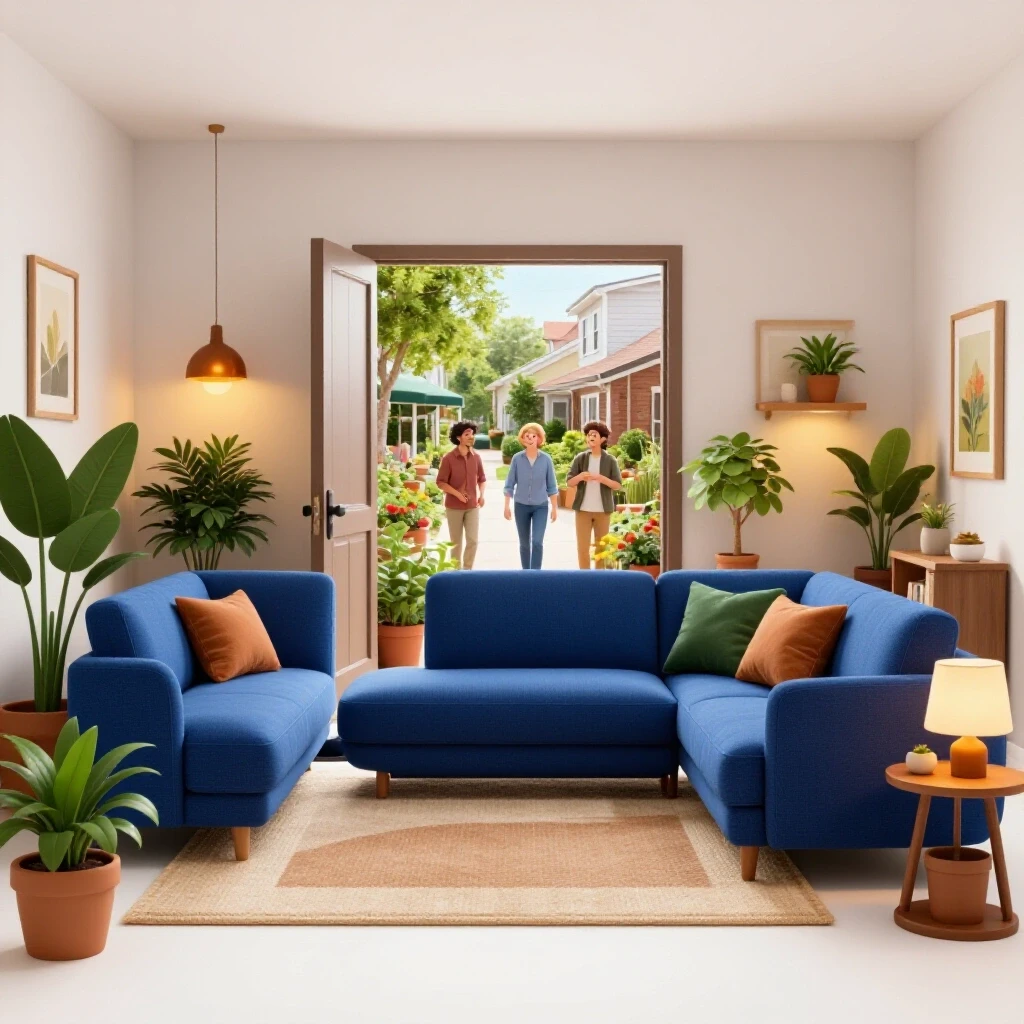
How to Organize Your New Home After Moving (Step-by-Step Guide)

Focusing on pet-friendly choices during my third move taught me that organization isn’t just about boxes; it’s about how every living being in the house moves through the space. When we relocated to a smaller bungalow in 2012, our senior golden retriever couldn’t navigate the tight corners we had initially created with our bulky sectional sofa. This realization shifted my entire approach to home transition planning. I stopped looking at rooms as containers for stuff and started seeing them as systems for movement. Over 19 years and four major moves, I have learned that a successful spatial layout adaptation requires more than just muscle; it requires a deep understanding of how physical boundaries influence your daily stress levels.
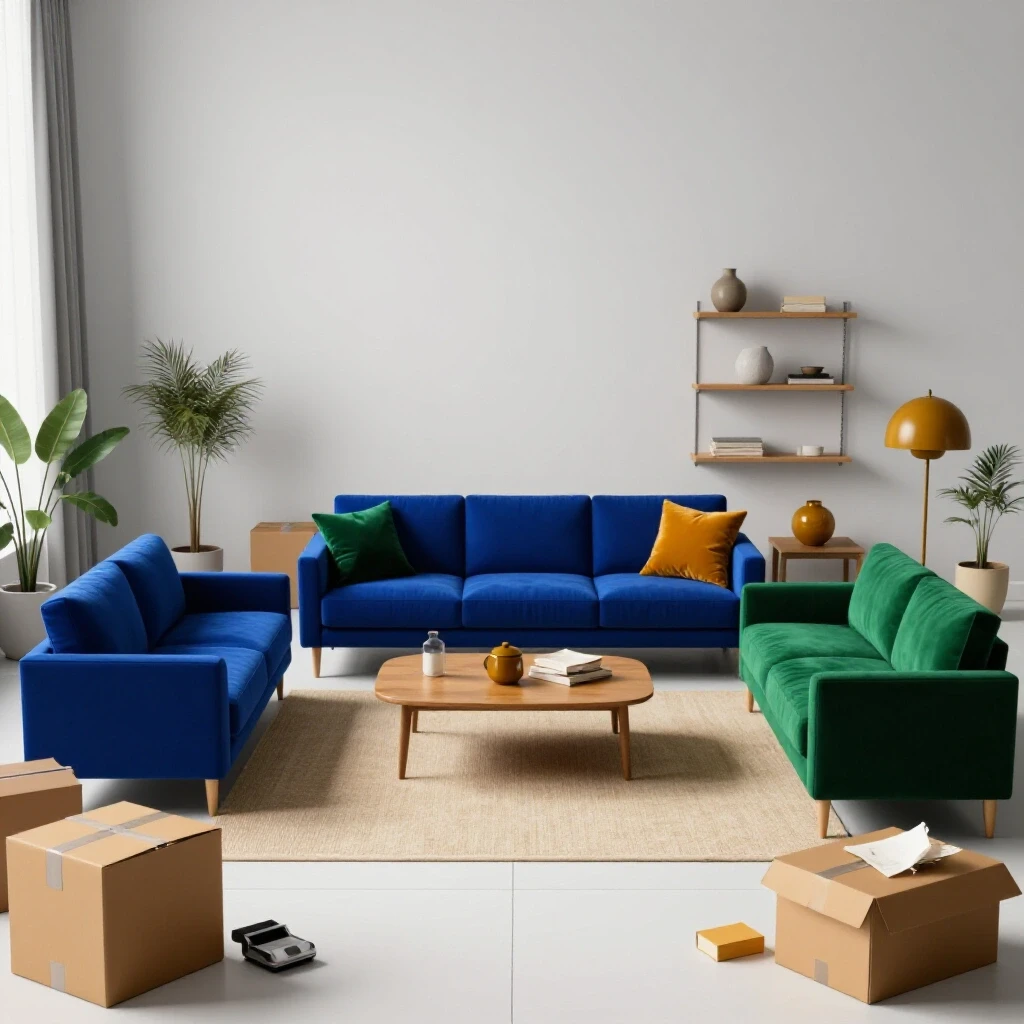
Auditing Your New Floor Plan Before the First Box Arrives
Spatial layout is the physical arrangement of objects within a room to maximize utility and movement. It involves understanding how walls, windows, and doors dictate where people walk and where furniture sits to prevent a cramped environment. Before you even pack a single roll of tape, you must treat your new home like a blank canvas that has its own set of rules.
In my experience, the biggest mistake is assuming your current furniture will naturally find a home in the new floor plan. I once spent three hours trying to wedge a king-sized headboard into a room where the windows were too low, only to realize I had blocked the only source of natural light. Now, I use a physical home moving checklist that starts with a manual measurement of every wall, including the height of windowsills and the swing radius of every door.
To do this effectively, I recommend using a physical measuring tape and a notebook. Sketch the rooms on graph paper where one square equals one foot. This allows you to visualize the structural scale without the distraction of colors or textures. You are looking for “dead zones”—corners that are too small for furniture but too large to leave empty—and “high-traffic zones,” which are the direct paths between doors.
- Measure the width of all entryways to ensure furniture can pass through.
- Note the location of every electrical outlet and heater vent.
- Identify the “primary focal point” in each room, such as a fireplace or a large window.
- Document the ceiling height to determine if vertical DIY shelving is an option.
Scaling Your Belongings to Fit New Realities
Furniture scaling is the process of comparing the physical dimensions of your current items against the square footage of a new room. It ensures that large pieces don’t overwhelm small spaces and that walkways remain clear for daily activities. This is where most families feel the highest amount of “spatial friction.”
When we moved from a wide suburban house to a narrow urban townhouse, I had to be honest about our dining table. It was a beautiful eight-person oak piece, but in the new space, it left only 12 inches of clearance on either side. We couldn’t even pull the chairs out. I’ve developed a Spatial Blueprint Compatibility Matrix to help determine what stays and what goes.
Spatial Blueprint Compatibility Matrix
| Room Type | Current Furniture Item | Required Clearance | Fit Status | Adaptation Strategy |
|---|---|---|---|---|
| Living Room | Large Sectional | 36 inches for walking | Poor | Replace with modular seating |
| Bedroom | King Bed Frame | 24 inches on sides | Fair | Remove one nightstand |
| Dining Room | 8-Seat Table | 30 inches behind chairs | Fail | Downsize to round 4-seat table |
| Home Office | Executive Desk | 36 inches for chair | Good | Position against long wall |
By using this matrix, you can identify “logistics red flags” early. If an item has a “Fail” status, it is better to sell it before the move than to pay to transport it only to find it doesn’t work. This reduces the weight of your move and the clutter in your new home.
Navigating the Physical Flow of Your New Home
Circulation paths are the invisible “roads” in your home where people walk most often. Maintaining 30 to 36 inches of open space in these lanes prevents the feeling of being trapped and reduces the physical stress of moving through a new layout. This is a standard ergonomic guideline that I have lived by through every transition.
In our second move, I ignored this rule in the kitchen. I placed a DIY butcher block island in the center, leaving only 20 inches of space. Every time two people tried to cook, we bumped into each other. It created a constant, low-level irritability. When we finally moved the island to a wall, the atmosphere in the house changed instantly.
To map your circulation paths, take a roll of blue painter’s tape to your new, empty home. Tape out the footprints of your furniture on the floor. Then, walk through the “rooms” as if you were living there. Can you get from the bedroom to the bathroom without zig-zagging? Can you open the fridge all the way?
- The 36-Inch Rule: Keep main hallways and paths between rooms at least 36 inches wide.
- The 18-Inch Rule: Leave 18 inches between coffee tables and sofas for legroom.
- The Swing Zone: Ensure there is a 36-inch clearance for any door that swings into a room.
- The Visual Weight Balance: Place heavier, darker pieces of furniture against the furthest wall from the entrance to make the room feel larger.
Building DIY Systems for Daily Routine Success
Zoned storage is the practice of grouping items based on where they are used rather than what they are. By building modular, physical systems like labeled bins or plywood shelving, you create a home that supports your habits instead of fighting them. This is the core of a new home adjustment guide.
I am a big believer in the “Drop Zone” system. Every time we move, the first thing I build is a station by the front door. I use simple wooden crates stacked vertically and secured to the wall. This gives every family member a dedicated spot for shoes, bags, and keys. It prevents the “entryway pile-up” that usually happens in the first month of a move.
Another effective strategy is the use of modular shelving in closets. Most standard closets have one rod and one shelf, which wastes about 60% of the vertical space. I use basic lumber to create dividers. This allows us to stack labeled containers for specific activities, like “Dog Walking Gear” or “Gym Supplies.”
- Identify the “hot spots” where clutter naturally accumulates (usually the kitchen counter or entryway).
- Build a dedicated physical container or shelf for those items.
- Label every container clearly using a permanent marker or a physical label maker.
- Review the system after 30 days and adjust the height or location of the shelves if they feel awkward.
Why Blind Furniture Placement Fails and How to Draft a Plan
A physical layout blueprint is a hand-drawn or taped-out map of your home that accounts for both furniture and human movement. It serves as a guide for movers or family members during the chaotic unpacking process, ensuring that heavy items are placed correctly the first time. This prevents the physical strain of moving a 200-pound dresser three times in one afternoon.
I remember our move to a house with an “open concept” floor plan. It looked great empty, but once our stuff arrived, it felt like a warehouse. We didn’t have a plan, so the movers just dropped boxes in the middle of the room. We spent a week climbing over mountains of cardboard. Now, I create a “Box Inventory Packing Log” and match it to a room map.
Box Inventory Packing Log (Sample)
| Box Number | Room Destination | Contents | Priority (1-5) | Weight (lbs) |
|---|---|---|---|---|
| 001 | Kitchen | Coffee Maker, Mugs, Spoons | 1 | 15 |
| 042 | Living Room | Bookshelf Decor | 4 | 35 |
| 015 | Bedroom | Bed Linens, Pillows | 1 | 20 |
| 088 | Garage | Holiday Decorations | 5 | 40 |
When the movers arrive, I tape a copy of the room map to the door of each room. Each box has a large number on it that corresponds to the log. This simple, physical system keeps the circulation paths clear and ensures that priority items—like the coffee maker and bedsheets—are accessible within the first hour.
Optimizing Awkward Spaces and Small Room Furniture Layouts
Small room furniture layout involves using multi-functional pieces and vertical space to overcome limited square footage. It requires a “less is more” mindset where every piece of furniture must serve at least two purposes or have a very small physical footprint.
We once lived in an apartment where the “second bedroom” was barely seven feet wide. I couldn’t fit a standard desk and a guest bed. The solution was a DIY “Wall-Hinged Desk.” I used a sturdy piece of plywood and heavy-duty hinges to create a workspace that folded flat against the wall when not in use. This kept the floor space open for a folding guest cot.
In awkward corners, I often use “Visual Weight Shifts.” If a corner feels heavy or dark, I don’t put a solid cabinet there. Instead, I use open-frame shelving. This allows the eye to see the corner of the room, which makes the entire space feel deeper.
- Use “leggy” furniture (sofas and chairs with visible legs) to create a sense of more floor space.
- Hang mirrors opposite windows to bounce light into dark corners.
- Utilize the space above door frames for long-term storage shelves.
- Avoid placing furniture diagonally in small rooms, as it wastes valuable corner square footage.
Transitioning Into the Neighborhood and Building Community
Neighborhood community building is the intentional effort to establish social ties in a new area. It is just as important as organizing your kitchen, as it reduces the emotional isolation that often follows a move. This process takes time and should be approached with a structured timeline.
When we moved to our current neighborhood, I felt like an outsider for months. I realized I was spending all my time inside unpacking. I started a “Front Yard Friday” routine. I would take a chair and a book to the front porch for 30 minutes every Friday afternoon. It wasn’t about being overly social; it was just about being visible. Within two weeks, three different neighbors had stopped by to say hello.
- Week 1: Walk the neighborhood at different times of the day to learn the “rhythm” of the street.
- Week 2: Visit the nearest local library or community center to pick up a physical map or event calendar.
- Week 3: Identify one “local regular” spot, like a coffee shop or park, and visit it at the same time each week.
- Month 1: Host a simple “Open Gate” or “Porch Coffee” for the immediate neighbors on either side of your home.
First-Month Spatial Adjustment Timeline
| Phase | Goal | Key Action |
|---|---|---|
| Days 1-3 | Survival | Unpack “Priority 1” boxes; set up beds and kitchen essentials. |
| Days 4-10 | Flow Testing | Live with the taped-out layout; adjust furniture if paths feel blocked. |
| Days 11-20 | System Building | Build DIY shelving and drop zones; label all storage bins. |
| Days 21-30 | Community | Finalize decor; invite a neighbor over; explore local parks. |
This timeline is a realistic look at how long it takes to actually feel “at home.” Don’t rush the process. It is better to leave a box packed for two weeks than to rush into a storage system that doesn’t actually work for your daily routine.
Key Takeaways for a Smooth Transition
Relocating is a marathon of logistics and emotional adjustments. By focusing on physical measurements, circulation paths, and DIY organizational systems, you can take control of the chaos. Remember that your home should serve you, not the other way around. If a layout feels wrong after a week, change it. Use your graph paper and your painter’s tape to experiment until the flow of the house matches the flow of your life.
- Always measure twice before moving heavy furniture.
- Prioritize 36-inch walkways to reduce daily stress.
- Build simple, zoned storage near entryways and “hot spots.”
- Be patient with the social transition; community takes months, not days, to build.
Frequently Asked Questions
How do I know if my old furniture is too big for the new house? The best way is to use the 1:3 ratio rule. Furniture should ideally occupy no more than one-third of the total floor space in a room. If your sofa and coffee table take up more than half the room, the space will feel cramped and difficult to navigate. Use painter’s tape to mark the furniture dimensions on the floor of the new house to see how much walking space remains.
What is the most important room to set up first? The bedroom should always be your first priority. Moving is physically exhausting, and having a clean, organized place to sleep on the first night is vital for your mental health. After the bedroom, focus on the bathroom and a small “coffee/breakfast station” in the kitchen.
How can I make an awkward, long, narrow living room feel functional? Break the room into “zones” using physical markers. You can use a rug to define a seating area at one end and a small DIY shelving unit or a desk to create a workspace at the other. Avoid lining all the furniture up against one long wall, as this creates a “bowling alley” effect. Instead, pull some pieces away from the wall to create a more intimate grouping.
What should I do with the items that don’t fit the new layout? Be ruthless. If an item doesn’t fit the physical dimensions or the functional needs of your new life, sell it or donate it. Keeping furniture that “almost” fits only leads to cluttered walkways and frustration. It is better to have a smaller, functional piece than a large, sentimental one that blocks a doorway.
How do I handle the stress of living out of boxes for the first few weeks? Create a “No-Box Zone.” Choose one area, like the corner of the living room or the bedroom, and make it completely box-free within the first 48 hours. Having one clean, organized space to retreat to can significantly lower your stress levels while you tackle the rest of the house.
How do I meet neighbors without feeling awkward? Focus on “low-stakes visibility.” Spend time in your front yard, walk your dog at consistent times, or work on a small DIY project on your porch. These activities signal that you are open to interaction without the pressure of a formal introduction. Most neighbors are curious about new residents and will eventually strike up a conversation.
What are the standard clearance margins for a kitchen? In a kitchen, you want at least 42 inches of space between the edge of a counter and an island or opposite wall. This allows two people to pass each other. If you have a “work triangle” (the path between the fridge, stove, and sink), try to keep that path clear of any permanent furniture or trash cans.
How do I organize a home without buying expensive closet systems? Use basic materials like plywood, wooden crates, and sturdy cardboard bins. You can build your own dividers for drawers and shelves using scrap wood. The key is not the cost of the material, but the consistency of the labeling. A $2 plastic bin that is clearly labeled is more effective than an expensive designer basket that is empty.
Is it okay to change my layout after I’ve already unpacked? Absolutely. In fact, I recommend a “30-day audit.” After living in the space for a month, you will notice “friction points” that you didn’t see when the house was empty. Don’t be afraid to move a bookshelf or swap the orientation of your bed if it makes your daily routine easier.
How do I manage the weight of boxes for a safe move? Follow the “Small for Heavy, Large for Light” rule. Pack books, tools, and canned goods in small boxes to keep the weight under 30 pounds. Use large boxes for light items like pillows, blankets, and lampshades. This prevents the boxes from breaking and protects your back during the transition.
(This article was written by one of our staff writers, Kevin Thompson. Visit our Meet the Team page to learn more about the author and their expertise.)