How to Make a Basement Liveable: Step-by-Step Guide (Tips)

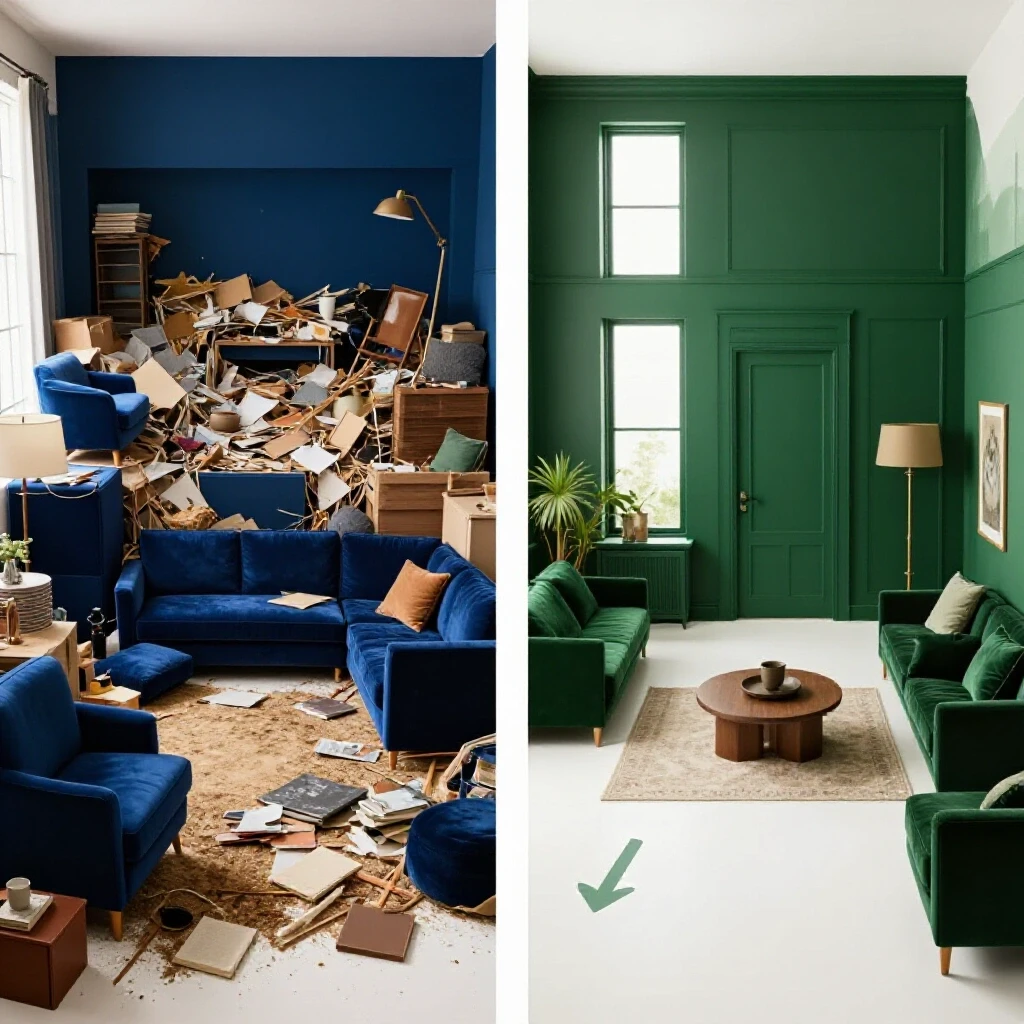
Many people assume that a basement is destined to be a dark, dusty storage locker for holiday decorations and old gym equipment. After moving my family four times over nearly two decades, I have learned that this “dead space” is actually one of the most valuable assets in a home transition. When we moved into our third house, a 1970s split-level, the lower level was a cramped, wood-paneled cave that felt completely disconnected from the rest of our lives. We didn’t have the budget for a massive renovation, but we desperately needed a functional family room and a guest space for visiting grandparents.
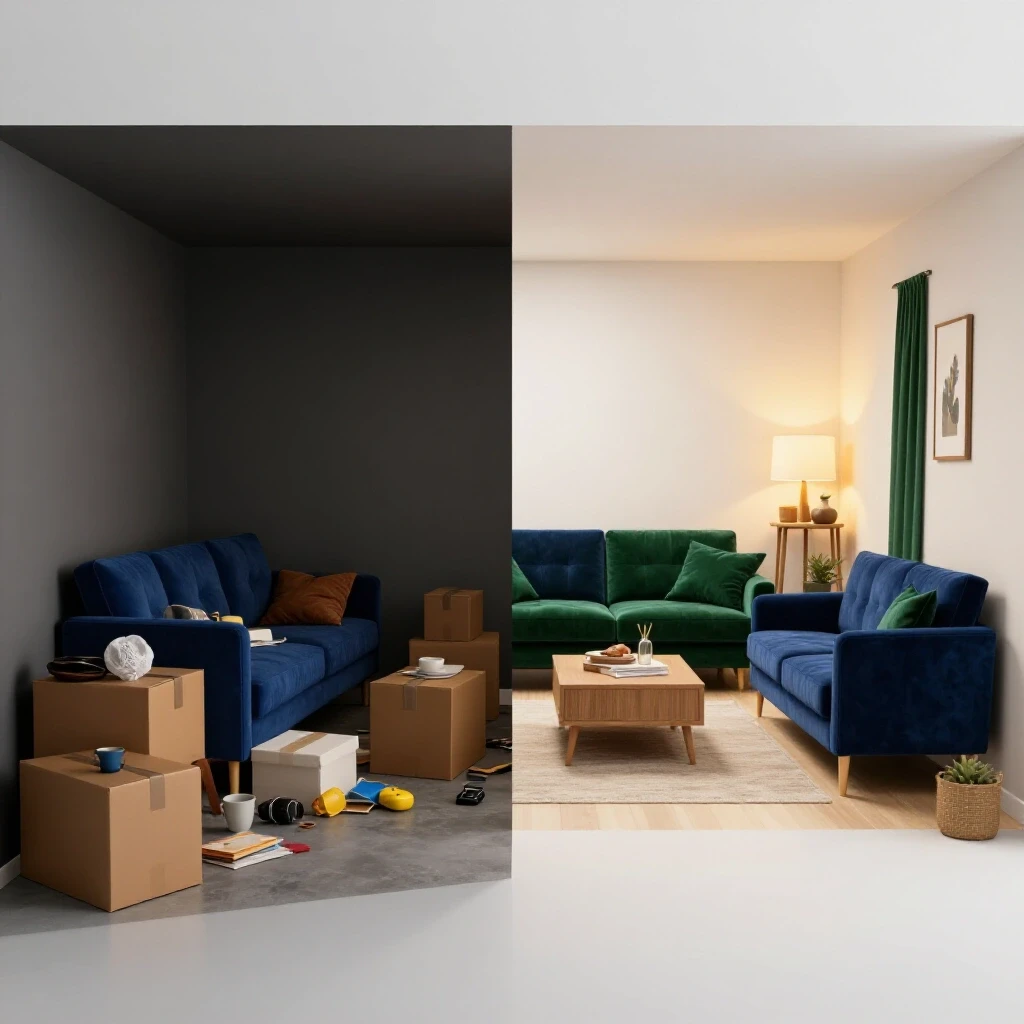
By focusing on spatial layout adaptation and simple environmental tweaks, we turned that chilly concrete box into the heart of our home. It wasn’t about high-end finishes; it was about understanding the unique physics of a subterranean room. Transitioning into a new home is stressful enough without losing 30% of your square footage to clutter. I want to share the grounded, practical strategies we used to reclaim our lower-level space and make it a comfortable, everyday part of our daily routine.
Auditing Your Subterranean Square Footage
Evaluating the raw dimensions and environmental conditions of a lower-level space helps you determine how furniture and activities can fit within the existing structural boundaries. Before you carry a single box downstairs, you must understand exactly what you are working with to avoid wasted effort.
In our second move, I made the mistake of assuming our sectional sofa would fit in the new basement. I didn’t account for the low-hanging ductwork or the narrow staircase turn. We ended up stuck with a 300-pound piece of furniture wedged in a hallway. Now, I start every move with a rigorous spatial audit. This involves measuring not just the floor, but the “vertical clearance” and the “path of travel” from the front door to the final destination.
Why Blind Furniture Placement Fails—And How to Draft Your First Spatial Layout Blueprint
A spatial layout blueprint is a map of your furniture locations on paper or digitally before moving heavy items to ensure clearance and flow. It prevents the physical exhaustion of moving heavy dressers multiple times only to find they block a doorway or a heater.
When you are dealing with the awkward floor plans of a basement, every inch counts. You often have to work around support columns, water heaters, or sump pumps. I recommend using a home moving checklist that includes a “clearance check” for every major piece of furniture. If your basement has a ceiling height of 7 feet, a tall bookshelf might fit, but it will make the room feel claustrophobic. Instead, look for lower-profile pieces that leave “visual breathing room” near the ceiling.
Spatial Blueprint Compatibility Matrix
| Activity | Minimum Area Needed | Recommended Clearance | Best Placement |
|---|---|---|---|
| Home Office | 25 sq. ft. | 30 inches behind chair | Near natural light or corners |
| Kids’ Play Area | 50 sq. ft. | 36-inch walking paths | Away from utility closets |
| Guest Sleeping | 70 sq. ft. | 24 inches on bed sides | Furthest from noisy stairs |
| Media/TV Zone | 60 sq. ft. | 6–9 feet from screen | Dimly lit interior walls |
Adapting to the Lower-Level Environment
Modifying the physical atmosphere of a below-grade room through moisture control, lighting, and temperature management makes it feel like an extension of the main home. Without these adjustments, a basement will always feel like a basement, no matter how much furniture you put in it.
The biggest hurdle in transforming a lower level is the “cave factor.” Basements are naturally cooler and damper than the rest of the house. During our cross-country move to a humid climate, I learned that moisture is the enemy of comfort. We used the “plastic sheet test” to check for dampness. Tape a 2-foot square of clear plastic to the floor and walls for 48 hours. If condensation forms under the plastic, you have moisture coming through the concrete. Addressing this with a simple dehumidifier and moisture-resistant area rugs is a crucial step in your home transition planning.
Tackling the Low-Light Challenge with Layered Illumination
Layered illumination is the use of multiple light sources like lamps, LEDs, and mirrors to mimic natural sunlight in windowless or dimly lit areas. Relying on a single overhead bulb is a common mistake that creates harsh shadows and a cold atmosphere.
In our current home, the basement only has two small “hopper” windows. To fix this, I used a three-layer lighting strategy. First, we placed floor lamps in the corners to bounce light off the ceiling. Second, we added “task lighting” like desk lamps and reading lights. Third, we used LED strips behind the TV and under shelves to create depth. This small room furniture layout trick makes the walls feel like they are pushing outward, rather than closing in.
- Ambient Light: Large floor lamps or soft overhead panels.
- Task Light: Bright LEDs for reading, sewing, or office work.
- Accent Light: Small lamps or strips to highlight decor and eliminate dark corners.
Strategic Furniture Layouts for Awkward Floor Plans
Arranging household items in non-traditional ways helps you accommodate low ceilings, support beams, or unusual room shapes commonly found in lower levels. Most basements are not perfect rectangles, and trying to force a standard “living room” setup often leads to wasted space.
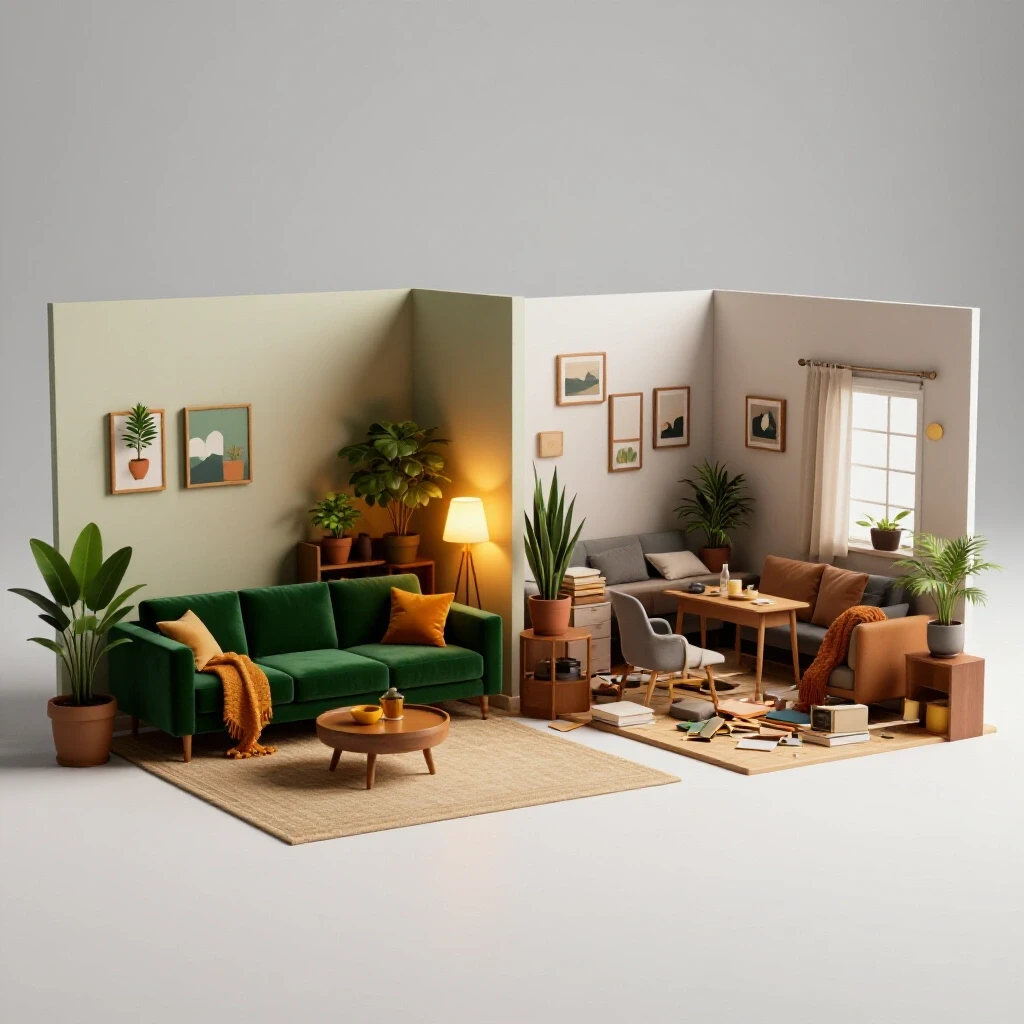
I’ve found that “zoning” is the best way to handle these challenges. Instead of trying to make the whole basement one big room, treat it like a studio apartment. Use the back of a sofa or a low bookshelf to create a “wall” between the play area and the workout zone. This creates a sense of order and helps with the social friction of a shared family space. If everyone knows where their “zone” is, the basement becomes a functional hub rather than a chaotic dumping ground.
Creating Multi-Functional Zones for Family Needs
Dividing a large, open area into specific “rooms” using furniture placement, rugs, or shelving without building permanent walls allows the space to evolve with your family. This is a core part of a successful new home adjustment guide.
When we moved with two toddlers, the basement was 90% play area. As they grew, we shifted the layout to include a study zone and a gaming corner. Because we didn’t have permanent walls, we could adapt the spatial layout in about an afternoon. We used 5×8 foot area rugs to “ground” each zone. A rug under the coffee table tells your brain, “This is the sitting area,” even if there is a treadmill five feet away.
Furniture Clearance Guidelines by Room Footprint
- Main Walkways: Maintain a width of 30 to 36 inches for comfortable movement.
- Furniture Gaps: Leave at least 18 inches between coffee tables and sofas.
- Seating Pull-out: Allow 24 inches of space behind chairs to pull them out from a desk.
- Door Swings: Ensure at least 36 inches of clear arc for any doors or closet openings.
Navigating the Transition: Routines and Neighborhood Integration
Establishing new daily habits and social connections after a move helps family members feel comfortable and “at home” in their new environment. The basement often becomes the place where these new routines are tested.
A move isn’t just about boxes; it’s about people. In our third move, we struggled to feel “at home” until we intentionally moved our evening routine to the newly set-up basement family room. By creating a comfortable space for movie nights or board games, we gave our family a “safe harbor” from the chaos of unpacked boxes in the rest of the house. This shift in daily routine design is what finally made the new house feel like ours.
Building Community in Your New Neighborhood
Building community is the intentional effort to meet neighbors and join local groups to reduce the isolation often felt after a long-distance relocation. While the basement is an internal space, it can actually be a tool for external connection.
Once we had our lower level optimized, we used it to host a small “pizza and boxes” night for our new neighbors. It was a low-pressure way to show off the work we had done and get to know the people on our street. Using your new space to invite others in is one of the fastest ways to overcome the feeling of being an outsider.
First-Month Spatial Adjustment Timeline
| Phase | Focus Task | Goal |
|---|---|---|
| Week 1 | Essential Zoning | Set up one “clean zone” for relaxation. |
| Week 2 | Environment Check | Monitor humidity and add primary lighting. |
| Week 3 | Flow Testing | Adjust furniture if walkways feel cramped. |
| Week 4 | Social Integration | Invite a neighbor over or host a family night. |
Practical Tools for Space Planning and Unpacking
Using modern tools can significantly reduce the mental load of a move. I’ve moved enough times to know that “eyeballing it” usually leads to a sore back and a scratched floor. Here are the resources I use to keep our transitions organized:
- Digital Floor Plan Apps: Tools like MagicPlan or Floorplanner allow you to scan a room with your phone and drop in virtual furniture.
- The “First Night” Box: A clearly marked bin containing light bulbs, a power strip, a small toolkit, and basic cleaning supplies specifically for the basement.
- Heavy-Duty Furniture Sliders: These are essential for experimenting with layouts without damaging the floor or your spine.
- Adhesive Measuring Tape: Stick this to the floor when planning zones to see exactly how much space a 60-inch desk will take up.
- Moisture Meters: A cheap handheld device to check the “sweat” levels of your basement walls before placing furniture against them.
Final Steps for a Smooth Lower-Level Transition
Making a subterranean space feel like home is a marathon, not a sprint. It takes time to see how the light changes throughout the day and how the temperature fluctuates with the seasons. My advice is to start with the basics: lighting, moisture control, and clear walkways. Don’t worry about perfect decor in the first month. Focus on the “flow” of the room and how it supports your family’s needs.
Once you have the layout established, the rest will fall into place. You will find that the basement, once an intimidating or forgotten area, becomes the most flexible and used part of your home. It provides a quiet retreat from the busy main floors and a dedicated space for the hobbies and activities that make your family unique.
Frequently Asked Questions
How do I stop my basement from smelling like a basement?
The “basement smell” is usually caused by stagnant air and hidden moisture. Start by using a dehumidifier set to 45–50% humidity. Avoid placing furniture directly against exterior walls; leave a 2-inch gap for airflow. Finally, use an air purifier with a HEPA filter to catch dust and mold spores that thrive in lower levels.
What is the best flooring for a DIY basement transition?
Since basements are prone to moisture, avoid solid hardwood or thick wall-to-wall carpet. Luxury Vinyl Plank (LVP) is a great DIY-friendly option because it is waterproof and clicks together easily. If you want a softer feel, use large area rugs on top of the vinyl, which can be easily removed and cleaned if needed.
How can I make a basement with low ceilings feel taller?
Use “vertical lines” to trick the eye. Choose low-profile furniture (sofas with low backs) to maximize the space between the furniture and the ceiling. Paint the ceiling, ductwork, and walls the same light color to blur the boundaries of the room. Avoid hanging large, heavy light fixtures that hang low into the walking path.
How do I fit a home office into a small, awkward basement corner?
Measure your “clearance margin” first. You need at least 30 inches of space behind a desk for a chair. Use a “floating desk” that mounts to the wall to save floor space. If the corner is dark, add a dedicated desk lamp with a “daylight” bulb (5000K) to keep you alert and reduce eye strain.
Is it okay to put a bedroom in the basement?
For a guest space or daily use, ensure you have a proper “egress” (a window or door large enough to exit in an emergency). From a comfort standpoint, use “layered bedding” with moisture-wicking materials. Place the bed away from loud utility areas like the furnace or laundry room to ensure a quiet night’s sleep.
How do I manage all the cords in a multi-functional basement?
Basements often have fewer outlets than main floors. Use heavy-duty power strips with surge protection. Run cords along the baseboards using adhesive clips, or hide them behind furniture. Avoid running extension cords under rugs, as this is a fire hazard and creates a tripping point in your 36-inch walkways.
Can I use my old living room furniture in a smaller basement layout?
You can, but you must check the “visual weight.” A massive overstuffed armchair might fit physically but will “swallow” a small basement room visually. If your existing furniture is too large, try using only the “hero” pieces (like the sofa) and replacing bulky side tables with slim, metal versions to open up the floor plan.
How do I keep the basement warm in the winter without major construction?
Use “thermal breaks” like thick area rugs with high-quality pads to insulate your feet from the cold concrete. Heavy curtains over small windows can also block drafts. If you use a space heater, ensure it has an automatic tip-over shutoff and keep it at least 3 feet away from any furniture or curtains.
(This article was written by one of our staff writers, Kevin Thompson. Visit our Meet the Team page to learn more about the author and their expertise.)