How to Create a Functional Entryway for Any Home (Step-by-Step)

Discussing room-specific needs often starts the moment you cross the threshold of a new house. In my nineteen years of moving between four different homes, I have learned that the first few feet of your living space dictate the rhythm of your entire household. When we moved our family of five from a wide suburban foyer to a narrow city apartment, the transition was jarring. We suddenly had no place for coats, bags, or the inevitable mountain of shoes. This experience taught me that spatial layout adaptation is not just about where the couch goes; it is about how you manage the transition from the outside world into your private sanctuary.
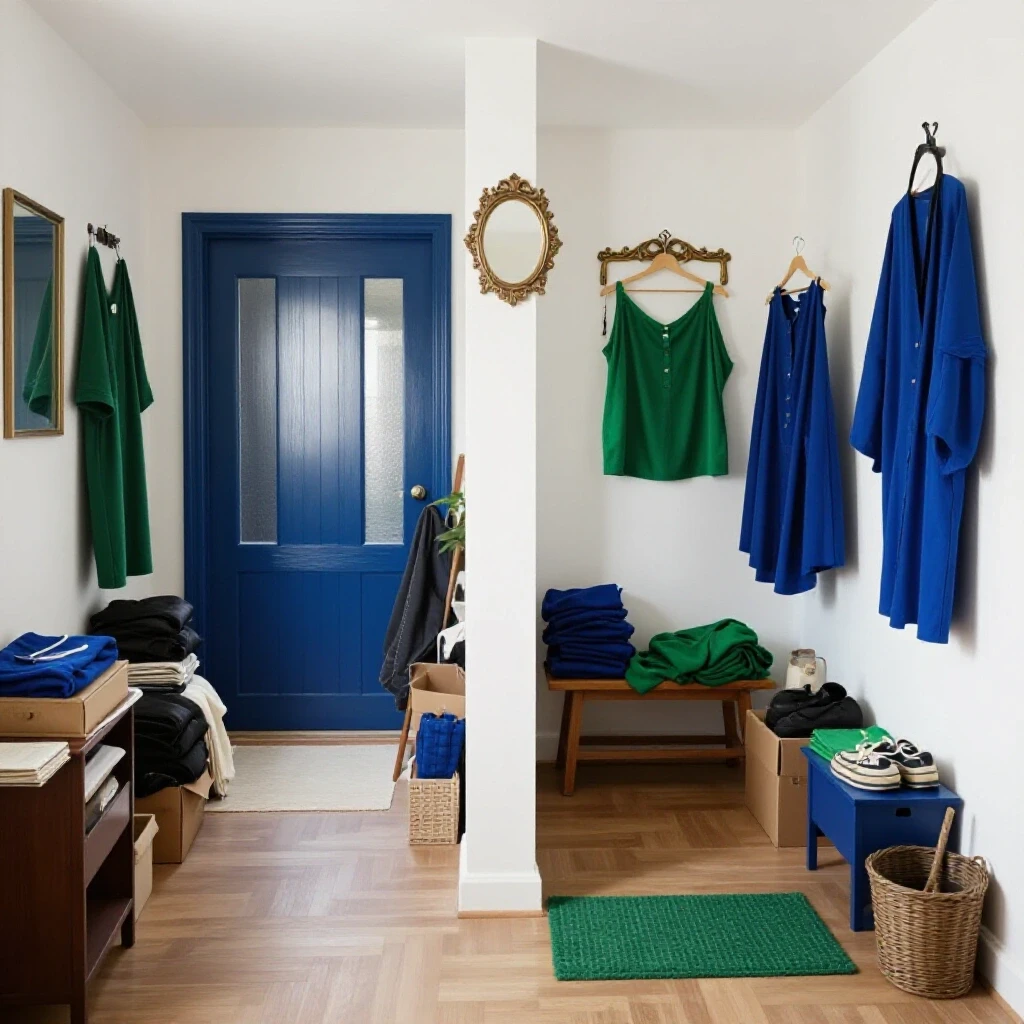
Spatial layout refers to the intentional arrangement of furniture and objects within a room to maximize both utility and movement. In the context of a new home, environmental transition is the period where you adjust your physical habits to the new architecture around you. I define this as the “bridge phase,” where your old routines meet your new floor plan. It is a time of trial and error, where you discover that a hallway is too narrow for a bulky dresser or that a light switch is hidden behind a door. By focusing on the entrance area, you create a “landing zone” that catches the chaos of daily life before it spreads to the rest of the house.
Why Blind Furniture Placement Fails—And How to Draft Your First Spatial Layout Blueprint
The initial area of your home dictates the flow of your entire day. By analyzing the spatial footprint and traffic patterns of your entrance, you can reduce the stress of moving. This process involves mapping out how people enter and exit to ensure the layout supports your family’s specific needs and prevents clutter build-up.
When you move into a new space, it is tempting to just put things where they look good. However, this often leads to “traffic jams” near the door. Building on this, I recommend a spatial audit before you even unpack your first box. In our third move, I ignored the door swing radius and placed a beautiful antique bench right where the door opened. As a result, we couldn’t fully open the door, and the bench was scratched within forty-eight hours.
Measuring the Spatial Footprint of Your Landing Zone
Measuring the entrance area is the first step in a successful home transition. You must account for door swings, wall lengths, and the proximity of other rooms. Accurate measurements prevent the frustration of moving heavy furniture that simply will not fit into the available square footage of your new home entrance.
Start by measuring the width of the hallway or foyer. For a comfortable flow, you need a minimum of 30 to 36 inches of clear walking space. If your hallway is only 40 inches wide, a standard 18-inch deep console table will leave you with only 22 inches of clearance. This is too tight for someone carrying groceries or a toddler. Interestingly, I have found that using painter’s tape to mark furniture footprints on the floor helps visualize the scale before the heavy lifting begins.
Identifying Traffic Circulation Paths Near the Door
Traffic circulation is the path people take as they move through a room. Mapping these paths helps you avoid placing obstacles in high-priority areas. Understanding how your family moves from the door to the kitchen or living room is essential for creating a layout that feels natural and easy to navigate.
Think about the “drop sequence.” When you walk in, what is the first thing you want to put down? Usually, it is keys, then a bag, then a coat. If your coat hooks are ten feet away from the door, your family will likely drop their jackets on the nearest chair instead. By placing storage exactly where the natural movement stops, you reinforce good habits. In my experience, a small room furniture layout works best when it follows the path of least resistance.
| Feature | Standard Dimension | Recommended Clearance |
|---|---|---|
| Main Hallway Width | 36 – 42 inches | 30 inches minimum |
| Entry Bench Depth | 15 – 18 inches | 24 inches of foot room |
| Coat Hook Height | 48 – 60 inches | 12 inches between hooks |
| Door Swing Radius | 30 – 36 inches | Zero obstructions |
Adapting Existing Furniture to Narrow or Awkward Foyers
Adapting your current belongings to a new floor plan requires a mix of creativity and realism. Not every piece of furniture from your old home will work in the new one. This section focuses on how to evaluate your inventory and make adjustments that prioritize functionality without sacrificing your personal style.
One of the biggest pain points I hear from movers is the struggle to make old furniture fit. During our cross-country move, we had a massive heavy oak chest that served as our “everything drawer” in the old house. In the new apartment, it blocked the entire path to the kitchen. I had to learn that spatial layout adaptation sometimes means repurposing a piece of furniture in a different room or finding a more compact alternative that serves the same function.
Scaling Down: When Your Old Console Table Doesn’t Fit
Scaling involves matching the size of your furniture to the volume of the room. When a piece is too large, it makes the space feel cramped and stressful. Learning how to scale down allows you to maintain a functional entrance even if you are moving into a much smaller or more oddly shaped home.
If your old furniture is too deep, consider using a floating shelf instead. A shelf only 6 to 8 inches deep can hold keys, mail, and a small lamp while keeping the floor clear. This creates an illusion of more space. In our current home, we replaced a bulky table with a slim wall-mounted ledge. This simple change opened up the hallway by 12 inches, making the entire home feel more inviting.
Utilizing Vertical Space for Storage Volumes
Vertical storage uses the height of your walls to compensate for a lack of floor space. By installing hooks, high shelves, or wall-mounted bins, you can keep essential items organized and off the ground. This strategy is particularly effective in small homes where every square inch of floor space is valuable.
Most people stop using their walls at eye level. However, a shelf placed 12 inches below the ceiling can hold seasonal items like hats and scarves that you don’t need every day. I suggest hanging hooks at two levels: one at 60 inches for adults and another at 36 to 48 inches for children. This empowers kids to hang up their own bags, which significantly reduces the daily clutter that often plagues a new home adjustment.
- Weight Tolerance: Ensure wall anchors can support at least 25 pounds for heavy winter coats.
- Visual Weight: Use light-colored or glass items in narrow spaces to keep the area feeling open.
- Multi-functionality: Look for a bench that has built-in shoe cubbies to save floor space.
Building a First-Month Spatial Adjustment Timeline
A structured timeline helps manage the logistical and emotional stress of a move. You cannot expect your home to feel settled on day one. By breaking the transition into phases, you can focus on immediate needs first and refine your layout as you become more familiar with your new environment.
Moving is a marathon, not a sprint. I often tell my clients that the first month is for “living with the bones.” You need to see how the light hits the room and where the dust settles before making permanent decisions. This home transition planning approach prevents you from drilling holes in the wall for shelves that you might want to move two weeks later.
Week One: Establishing the “Drop Zone” Routine
The first week is about survival and basic organization. Your goal is to create a temporary system that keeps the most important items accessible. By establishing a designated “drop zone” immediately, you prevent the “lost keys” syndrome that often adds to the high stress of relocating to a new home.
During our first week in a new house, I prioritize the home moving checklist items related to the entrance. We set up a single box or basket specifically for “daily essentials.” This includes keys, wallets, dog leashes, and the mail. Even if the rest of the house is full of boxes, having this one area functional provides a sense of control and reduces morning anxiety.
Week Three: Refining Layout Zoning for Daily Efficiency
By the third week, you have enough experience in the house to identify what is not working. This is the time to move furniture, adjust hook heights, and finalize your storage systems. Zoning ensures that every object has a logical home based on how and when it is used by the family.
Building on your observations, you might realize that the shoe rack needs to be closer to the door or that you need a better way to sort mail. As a result of this “testing phase,” you can make informed adjustments. We once realized after three weeks that we needed a dedicated spot for wet umbrellas near the door to protect our new wood floors. This small tweak saved us hours of cleaning.
Practical Tools for Home Transition Planning
Using the right tools can simplify the complex task of organizing a new home. From digital apps to physical templates, these resources help you visualize and track your progress. Having a structured system reduces the mental load of remembering every measurement and box location during a move.
I rely heavily on a mix of old-school and modern tools. While a tape measure is my best friend, digital space planners have changed the way I approach a new layout. They allow you to swap furniture pieces in and out without breaking your back. Here are the tools I recommend for anyone navigating a move:
- MagicPlan: This app uses your phone’s camera to create a floor plan of your new space instantly. It is excellent for checking if your existing furniture will fit.
- RoomPlanner: A digital tool that lets you drag and drop furniture into a virtual room. It helps you visualize traffic flow and clearance margins.
- The Home Moving Checklist: A physical or digital list that breaks tasks down by week. I keep mine on the fridge so the whole family can see the progress.
- Trello or Notion: These are great for creating a “Box Inventory Packing Log.” You can label boxes by room and priority level.
- Painter’s Tape: This is the most underrated tool. Use it to mark out a 30-inch hallway clearance or a 15-inch bench depth on your floor.
Integrating into the Neighborhood from the Front Door Out
Building community starts with how you interact with the world outside your door. A functional entrance makes it easier to step out and engage with your new neighbors. By creating a space that allows for quick and easy departures, you are more likely to take those first steps toward neighborhood integration.
Neighborhood community building often feels like a daunting task when you are exhausted from unpacking. However, I have found that the more organized your “exit strategy” is, the more likely you are to go for a walk or say hello to a neighbor. If finding your shoes and keys takes fifteen minutes, you might stay inside. If they are right by the door, you can be out the door in seconds.
- The “Go Bag”: Keep a small bag with a notebook, pen, and some dog treats near the door. This makes it easy to head out and jot down names of neighbors or local shops you want to visit.
- Lighting: Ensure your interior entrance is well-lit. A bright entrance is welcoming not just for you, but for guests you might invite over for a quick tour.
- The “Hello” Habit: Make it a goal to step outside at least once a day during the first two weeks. Whether it is checking the mail or walking the dog, being visible is the first step to making friends.
Conclusion: Small Steps to a Settled Home
Moving is a series of transitions, and the entrance is the most frequent one you will experience. By focusing on spatial layout adaptation and creating a functional landing zone, you provide your family with a sense of stability. It takes time to feel “at home,” but starting with the first few feet of your space is a practical and effective way to begin.
Start by measuring your hallway today. Mark out your furniture footprints with tape and observe your family’s natural movement for a few days. These small, grounded actions will help you turn a stressful move into a comfortable daily routine. Remember, a home doesn’t have to be perfect to be functional; it just needs to work for the people living in it.
FAQ: Optimizing Your Home Entrance and Layout
What is the ideal clearance for a hallway near the entrance?
For a comfortable flow, aim for a clearance of 30 to 36 inches. This allows a person to walk through without feeling cramped. In high-traffic areas, 42 inches is even better to accommodate two people passing each other or someone carrying large items like groceries or boxes.
How can I make a narrow entrance feel larger?
Use vertical space to keep the floor clear. Floating shelves and wall-mounted hooks remove visual clutter from the ground. Additionally, mirrors can reflect light and create an illusion of depth, while light-colored furniture prevents the space from feeling “heavy” or closed in.
Where should I place coat hooks for children?
Hooks for children should be placed at a height of 36 to 48 inches. This makes them accessible for kids to use independently. Placing adult hooks at 60 inches creates a tiered system that utilizes the full height of the wall and keeps bags and coats organized by family member.
What furniture works best for a small foyer?
Slim, multi-functional pieces are best. Look for benches with built-in storage or console tables that are no more than 10 to 12 inches deep. If floor space is extremely limited, skip the table entirely and use a wall-mounted ledge or a series of sturdy wall bins for mail and keys.
How do I handle a door that swings into my storage area?
Always measure the door swing radius, which is typically 30 to 36 inches. Avoid placing any furniture within this arc. If the space is tight, consider changing the door hinges to a different side or using low-profile wall storage that sits behind the door when it is fully open.
How long does it take to get used to a new home layout?
Most people need about three to four weeks to adjust to a new spatial layout. During the first week, you are learning the basics. By week three, your brain begins to form new “muscle memories” for where things are located, and you can start refining the layout for better efficiency.
What should be in my “first-day” entrance kit?
Your kit should include a small basket for keys and wallets, a few sturdy wall hooks (even temporary adhesive ones), a floor mat to protect against dirt, and a basic light source. Having these items ready allows you to establish a functional “drop zone” the moment you arrive.
How do I stop shoes from cluttering the entrance?
A “one-in, one-out” rule helps, but physical boundaries are better. Use a dedicated shoe rack, a boot tray, or a bench with cubbies. By defining exactly where shoes belong, you prevent them from spreading across the floor and blocking the traffic circulation path.
Can I use a regular dresser in a hallway?
Only if the hallway is wide enough. A standard dresser is often 18 to 22 inches deep. In a standard 36-inch hallway, this would only leave 14 to 18 inches of walking space, which is a safety hazard. Always check that you have at least 30 inches of clear space after the furniture is placed.
What is the best way to organize mail in a new home?
Create a “triage” system near the door. Use a small wall-mounted bin with three sections: “Action,” “File,” and “Shred.” By sorting mail the moment it enters the house, you prevent paper clutter from migrating to the kitchen counter or dining table.
How do I integrate into a new neighborhood if I’m busy unpacking?
Use your entrance as a gateway. Spend ten minutes each evening on your front step or in the hallway with the door open while you organize. This makes you more approachable to neighbors. Small, frequent interactions are more effective for building community than one large event.
(This article was written by one of our staff writers, Kevin Thompson. Visit our Meet the Team page to learn more about the author and their expertise.)