How to Improve Your Home After the First Year (Expert Tips)

Moving into a new home often feels like trying to solve a puzzle where the pieces keep changing shape. You spend weeks measuring walls and color-coding boxes, yet the moment you step inside, the reality of the floor plan shifts. In my 19 years of navigating four major relocations, I have learned that the layout you start with is rarely the one that actually works. Most of the stress we feel during a transition comes from trying to force an old lifestyle into a new footprint. By looking at how a space performs over the first twelve months, we can identify the specific points where our furniture and habits clash with the architecture.
Analyzing the Initial Spatial Footprint for Long-Term Comfort
Spatial layout adaptation is the ongoing process of modifying how furniture and functional zones interact within a specific floor plan. It involves assessing traffic patterns and lighting to ensure the home supports daily activities. This process often requires several months of observation to identify where the original plan falls short.
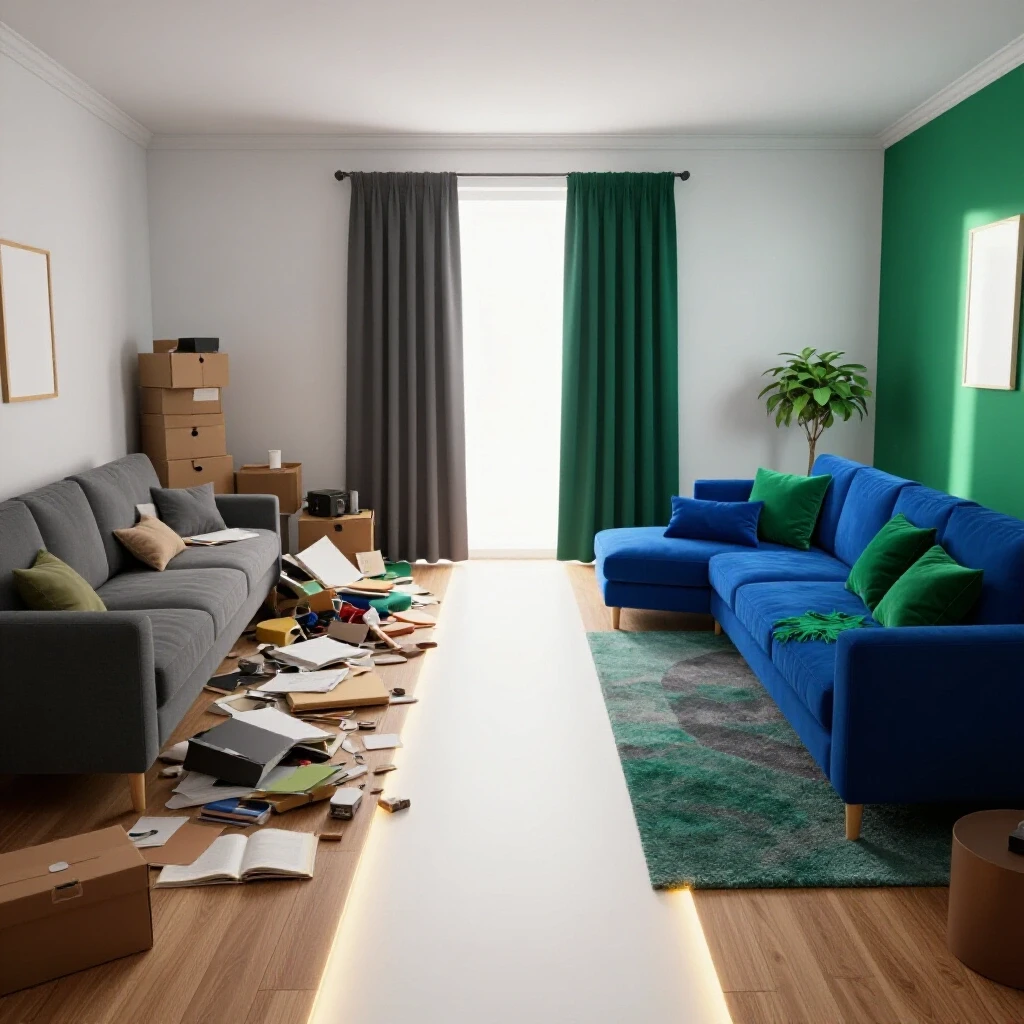
When I moved my family across the country for the third time, I thought I had the perfect home moving checklist. I knew the dimensions of every room, but I didn’t understand the “flow” of the house. We placed our heavy oak dining table in the center of the room, only to realize months later that it blocked the natural path to the kitchen. This is a common hurdle in home transition planning. We often prioritize where things look good rather than where they function best.
To avoid this, I now use a Spatial Blueprint Compatibility Matrix. This tool helps you see if your current items actually fit the scale of your new environment. It is not just about length and width; it is about “visual weight” and how much air is left in the room.
Spatial Blueprint Compatibility Matrix
| Room Type | Existing Furniture Item | Scale Compatibility | Clearance Needed | Adjustment Made |
|---|---|---|---|---|
| Living Room | Oversized Sectional | High | 36 inches | Rotated 90 degrees to open walkway |
| Dining Room | 8-Person Table | Low | 30 inches | Removed leaf to improve traffic flow |
| Home Office | Executive Desk | Medium | 24 inches | Moved to corner to reduce visual clutter |
| Bedroom | King Bed Frame | High | 32 inches | Swapped bulky nightstands for floating shelves |
Refined Layout Strategies After Twelve Months of Residency
Post-move environment optimization involves reviewing how you actually use your rooms after the initial “honeymoon phase” of the move ends. It focuses on correcting friction points, such as cramped hallways or poorly lit corners. These adjustments ensure that the physical environment evolves to meet the actual needs of the household.
After living in our current home for a full year, we realized that our initial “best guesses” for furniture placement were failing us. The entryway was always a mountain of shoes, and the guest room was just a storage locker for boxes we hadn’t opened. We had to sit down and look at our daily routine designs. We asked: Where do we drop our keys? Where do we actually sit to drink coffee?
One of the most effective changes we made was adhering to strict furniture clearance guidelines. In high-traffic areas, we ensured a 36-inch wide path. In smaller rooms, we allowed for at least 30 inches of walking space. These small margins are the difference between a home that feels spacious and one that feels like an obstacle course.
Essential Clearance Margins for Daily Flow
- Main Hallways: 36 inches minimum for two people to pass comfortably.
- Dining Chair Pull-out: 32 inches from the table edge to the nearest wall.
- Coffee Table to Sofa: 18 inches to allow for legroom while keeping drinks reachable.
- Bed Sides: 30 inches on each side to make the bed without hitting walls.
- Kitchen Work Triangle: 4 to 9 feet between the stove, sink, and refrigerator.
Solving Awkward Room Layouts with Functional Zoning
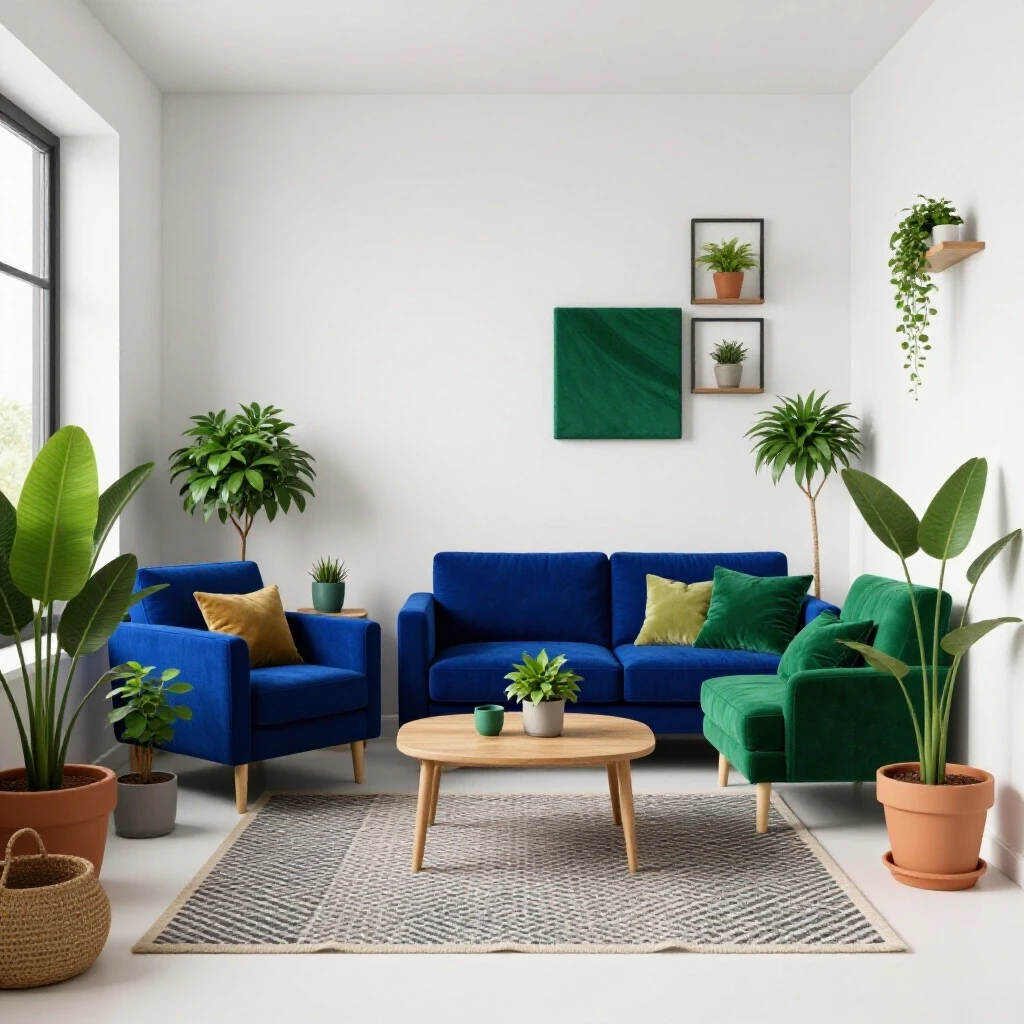
Functional zoning is the technique of dividing a single room into distinct areas based on the activities that happen there. This is especially useful in open-concept homes or small room furniture layout challenges. By using rugs, lighting, or furniture placement, you create “rooms within rooms” without building walls.
In our second home, we had a long, narrow living room that felt like a bowling alley. For the first six months, we struggled to make it feel cozy. The breakthrough came when we stopped trying to use the whole room for one purpose. We created a “reading zone” at one end with a small armchair and a lamp, and a “conversation zone” at the other.
This shift in visual weight made the room feel balanced. If you are struggling with a small room furniture layout, try moving your largest piece of furniture first. Often, placing a sofa away from the wall—even just six inches—can create a sense of depth that makes a cramped room feel larger.
Steps for Mapping a Functional Zone
- Observe the Room: Watch where people naturally congregate for three days.
- Identify the Anchor: Choose one large piece of furniture (like a rug or sofa) to define the zone.
- Establish Boundaries: Use a bookshelf or a different floor texture to signal a change in use.
- Adjust Lighting: Place a dedicated lamp in each zone to reinforce the separation.
- Test the Flow: Walk through the room to ensure you aren’t bumping into corners.
Streamlining Home Unpacking and Organization Systems
A successful home transition planning strategy includes a phased approach to unpacking that prioritizes high-impact areas. Instead of opening every box at once, you focus on the systems that keep your life running, such as the kitchen and bathrooms. This reduces the “box fatigue” that leads to long-term clutter.
One mistake I made in my early moves was trying to unpack everything in a weekend. By the time I got to the kitchen, I was too tired to think about where the spices should go. A year later, I was still digging through a junk drawer for a vegetable peeler. Now, I recommend a first-month spatial adjustment timeline.
First-Month Spatial Adjustment Timeline
- Days 1–3: Focus on “Survival Zones” (beds, one bathroom, basic kitchen tools).
- Week 1: Set up the primary social area and finalize the home moving checklist for address changes.
- Week 2: Organize closets and secondary storage to get boxes off the floor.
- Week 3: Evaluate traffic patterns and move any furniture that feels like a “trip hazard.”
- Month 1: Host a small gathering to see how the house handles guests and adjust accordingly.
Building Community and Local Routines in New Neighborhoods
Neighborhood community building is the intentional effort to establish social connections and familiar patterns in a new area. It involves moving beyond the physical walls of the house to engage with neighbors and local businesses. This social integration is a vital part of the new home adjustment guide.
Moving is more than just shifting boxes; it is about shifting your life. In my 19 years of moving, the hardest part has always been the “social friction” of being the new person on the block. We found that our home layout actually affected how we met neighbors. By moving our outdoor seating to the front porch instead of the back deck, we became more approachable.
I also recommend “community mapping.” Take a walk every evening at the same time. You will start to see the same people walking their dogs or getting their mail. These small, repeated interactions are the building blocks of a comfortable daily routine in an unfamiliar place.
Practical Ways to Integrate Locally
- Use the Front Yard: Spend time in the front of your house to encourage casual “hello” moments.
- Join Local Groups: Look for neighborhood social media pages or hobby groups.
- Support Local Shops: Visit the same coffee shop or hardware store to become a “regular.”
- Volunteer: Offering time at a local school or park is the fastest way to meet people with shared values.
Lessons from Four Family Relocations and Layout Transitions
Reflecting on nearly two decades of moves, I can see a clear pattern in what makes a house a home. It isn’t the square footage or the neighborhood prestige. It is the willingness to admit when a layout isn’t working and the courage to change it. Every home I have lived in has undergone a “spatial audit” after the first year.
In our current home, we originally had a traditional dining room. After twelve months, we realized we only used it twice. We decided to reorganize the space into a library and music room. This adjustment significantly improved our daily quality of life because the room was finally serving our actual habits rather than a traditional idea of what a house “should” have.
Key Takeaways from 19 Years of Moving
- Furniture is not permanent. If a chair feels wrong after six months, move it.
- Measure twice, but live in the space before you buy new items.
- Prioritize walkways (30–36 inches) over having more furniture.
- Don’t ignore the “junk room.” If a room is collecting boxes, it needs a new functional zone.
- Community takes time. Give yourself a full year to feel “at home” in a new town.
Essential Tools for Modern Space Planning
Navigating a move today is much easier thanks to digital tools. These resources allow you to experiment with layouts before you ever lift a heavy box. Using these can prevent the physical strain of moving a dresser three times just to see if it fits.
- MagicPlan: This app uses your phone’s camera to create floor plans. It is excellent for measuring awkward corners.
- Floorplanner: A web-based tool that lets you drag and drop furniture into a 2D or 3D space.
- Sortly: A visual inventory app that helps you track what is in which box, making the unpacking process much smoother.
- Trello: I use this for my home moving checklist. You can create columns for “To Do,” “In Progress,” and “Done.”
- Nextdoor: Essential for neighborhood community building and finding local recommendations for services.
Final Steps for a Successful Household Evolution
The goal of any move is to reach a state where the house supports your life rather than complicating it. This doesn’t happen on move-in day. It happens through a series of small, intentional adjustments over the first year. By auditing your space, respecting clearance margins, and being willing to repurpose rooms, you can create an environment that truly fits your family.
As you look at your new home, remember that the “perfect” layout is the one that lets you move through your day with the least amount of friction. Start with the big pieces, watch the traffic flow, and don’t be afraid to change your mind. Your home should evolve just as your family does.
Frequently Asked Questions
How long does it usually take to feel settled in a new layout?
Most families find that it takes about three to six months to get used to the basic flow of a new home. However, it often takes a full year to experience every season and holiday, which helps you understand how the space needs to function for different events.
What is the most common mistake people make when arranging furniture in a new home?
The biggest mistake is trying to recreate the exact layout of the previous house. Every floor plan has different light, traffic paths, and focal points. Pushing all the furniture against the walls is another common error that can make a room feel cold and uninviting.
How do I know if my furniture is too big for the new room?
If you have less than 30 inches of walking space around an item, it is likely too large for the scale of the room. You should also check if the height of the furniture blocks natural light from windows, as this can make a space feel smaller than it actually is.
What should I do with the boxes I haven’t opened after six months?
If a box has remained sealed for half a year, it is a sign that the items inside are not essential to your daily routine. Open them and decide if they should be donated, sold, or moved to long-term storage like an attic or basement to free up living space.
How can I make an open-concept living area feel more organized?
Use “anchors” to define spaces. A large area rug can define the living room, while a different lighting fixture can mark the dining area. Using the back of a sofa as a low “wall” is also a great way to separate a lounge area from a walkway.
Why is the 30-36 inch hallway rule so important?
This range is based on human ergonomics. Thirty inches is the minimum width for a person to walk comfortably without feeling squeezed. Thirty-six inches allows for a more relaxed flow and is generally the standard width for interior doors and hallways in modern construction.
How do I deal with a room that has too many doors or windows?
Treat the windows as art and don’t be afraid to place furniture in front of them if the backs are low. For rooms with many doors, map out the “swing” of each door first. Ensure your furniture placement doesn’t block the path of a door opening or closing.
How can I meet neighbors without feeling awkward?
The best way is through “passive interaction.” Being visible in your front yard, walking your dog, or working on a small outdoor project invites neighbors to stop and say hello. Small, consistent gestures like a wave or a “good morning” build trust over time.
What are the “Survival Zones” I should set up first?
Focus on the “Big Three”: a place to sleep (bed and linens), a place to wash (bathroom with towels and soap), and a place to eat (a few plates, a pot, and basic coffee supplies). Once these are functional, the rest of the move feels much less urgent.
How do I manage the stress of a cross-country move?
Break the process into small, manageable tasks using a home moving checklist. Focus on one room at a time and give yourself permission to leave some boxes for later. Maintaining a regular sleep and meal schedule during the move is also vital for managing logistics stress.
(This article was written by one of our staff writers, Kevin Thompson. Visit our Meet the Team page to learn more about the author and their expertise.)