How We Learned to Trust Our Layout Instincts (Over Time)

When we moved into our third home, our dog, a senior beagle, became our most honest critic. Every time he tried to navigate from the kitchen to his water bowl, he bumped into the corner of a heavy oak sideboard I had insisted on placing in the hallway. His hesitant steps and the audible “thump” of his tail against the furniture were clear signals that my plan for the space was failing.
In my nineteen years of navigating four major family relocations, I have found that pets often sense spatial friction before we do. They reveal where the natural paths are blocked and where the “visual weight” of a room feels oppressive. This guide draws on those nearly two decades of trial and error to help you develop your own spatial confidence as you settle into a new environment.

Auditing Your New Footprint Before the Boxes Arrive
A spatial audit is the process of measuring not just the walls, but the invisible paths where people and pets move. It involves identifying light sources, electrical outlets, and natural “traffic lanes” to ensure your furniture supports your life rather than obstructing it.
Before you unload a single crate, you must understand the “bones” of your new home. In our first cross-country move, I made the mistake of assuming our old living room set would fit because the total square footage was similar. I ignored the fact that the new room had three doors and a fireplace, which cut the usable wall space in half.
- Measure every “swing”: Account for door swings and cabinet openings.
- Identify the “anchor”: Find the one wall that can handle your largest piece of furniture.
- Map the light: Note where the sun hits at 10 AM and 4 PM to avoid screen glare or fading upholstery.
The 30-36 Inch Rule for Human and Pet Circulation
Circulation paths are the “highways” of your home where you walk most frequently. Maintaining a minimum width of 30 to 36 inches ensures that two people (or a person and a large dog) can pass each other without squeezing.
In smaller apartments, you might be tempted to push this down to 24 inches. However, housing ergonomics research suggests that consistent narrow paths increase daily stress and physical fatigue. When we moved into a tight urban layout, I learned to sacrifice a side table just to keep that 30-inch clearance. It made the entire home feel larger because we weren’t constantly “navigating” around sharp corners.
Evaluating Furniture Scale Against New Room Dimensions
Furniture scale refers to how a piece of furniture relates to the size of the room and the other items within it. Scale is often more important than the actual dimensions; a small chair can look “lost” in a room with high ceilings, while a large sofa can swallow a small den.
When transitioning homes, you are often trying to fit “old” scale into “new” volume. This is where most movers feel the highest level of frustration. I have spent many nights staring at a floor plan, realizing my favorite bookshelf was three inches too tall for the new basement ceiling.
Spatial Blueprint Compatibility Matrix
| Room Type | Existing Furniture Item | Potential Conflict | Adjustment Strategy |
|---|---|---|---|
| Living Room | Oversized Sectional | Blocks window or heater | Split the sectional or use as a “floating” island. |
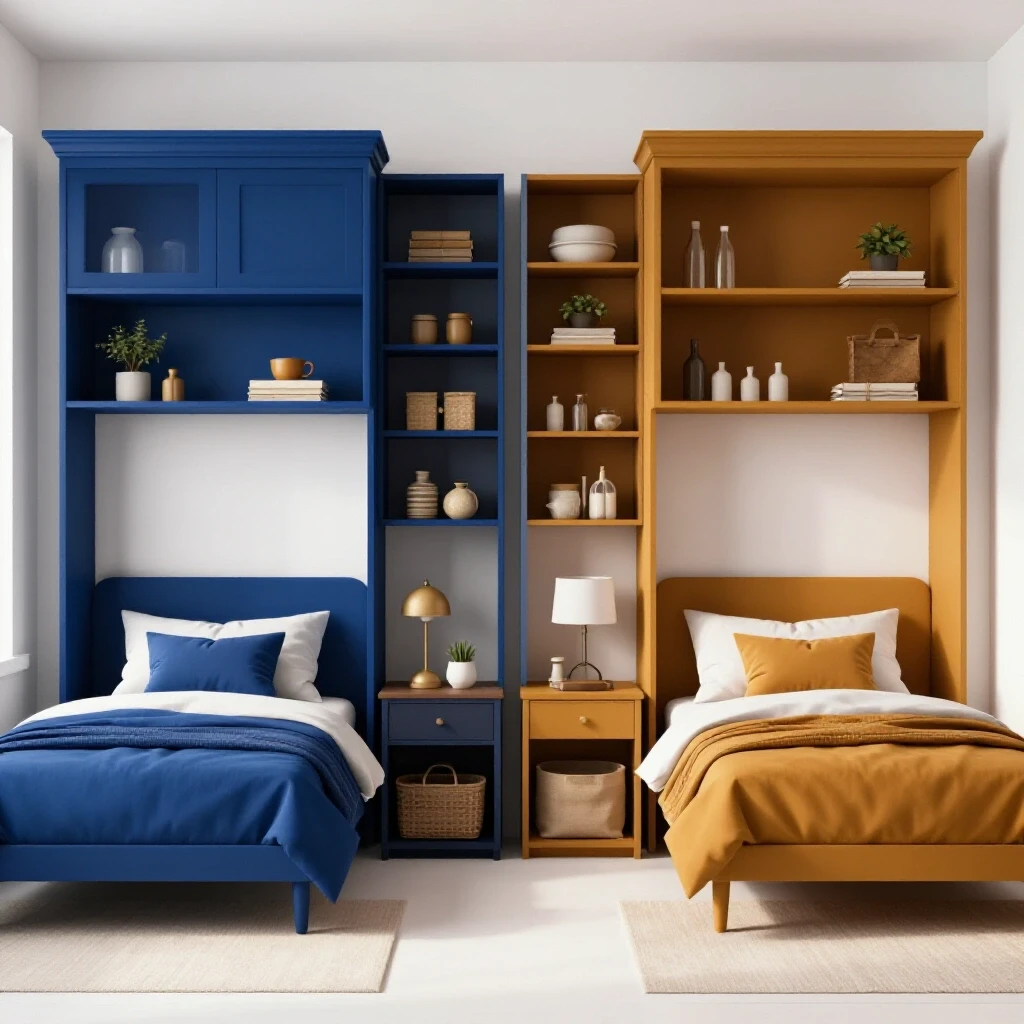
| Bedroom | King Size Bed | Less than 24″ walk space | Remove one nightstand; use wall-mounted lighting. |
| Dining Area | 6-Person Table | Obstructs kitchen entry | Rotate 90 degrees or swap for a drop-leaf style. |
| Home Office | Deep Executive Desk | Cramps the chair pull-out | Place desk facing the door to open up floor space. |
Strategies for Navigating Awkward or Small Room Layouts
Awkward layouts include rooms with non-parallel walls, low eaves, or “pass-through” designs where the room acts as a hallway. Optimizing these spaces requires looking past traditional furniture placement and focusing on the room’s primary function.
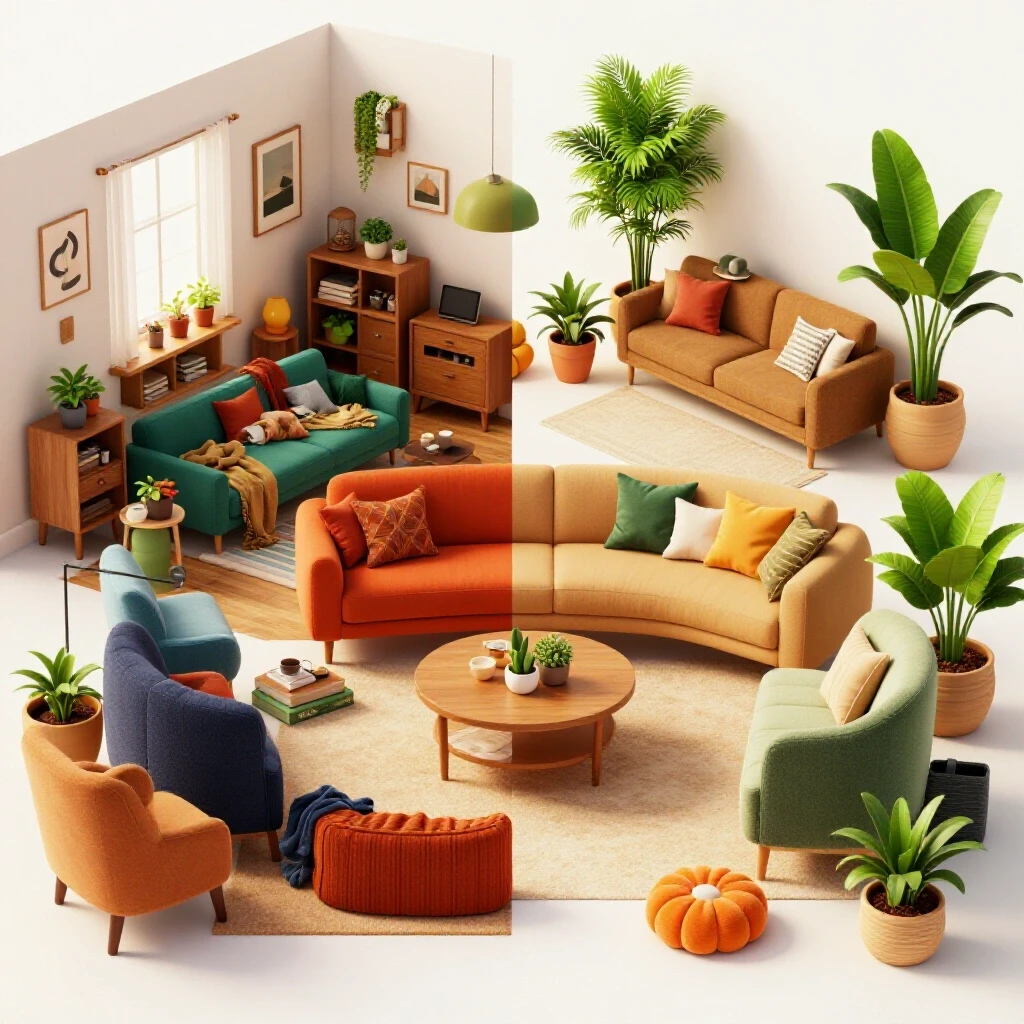
We once lived in a house with a “long and skinny” living room that felt like a bowling alley. My instinct was to push everything against the long walls. This was a mistake. By “zoning” the room—placing the sofa perpendicular to the long wall—we created a cozy seating area and a separate walkway. It broke the “tunnel” effect and made the room feel balanced.
- Use the “Floating” Technique: Move furniture away from the walls to create a more intimate grouping.
- Vertical Thinking: In small rooms, use tall, narrow shelving to draw the eye upward.
- Mirror Placement: Use mirrors to reflect light into “dead” corners, making them feel like part of the living space.
Furniture Clearance Guidelines by Room Footprint
To maintain a comfortable flow, follow these verified clearance margins:
- Sofa to Coffee Table: 16-18 inches (close enough to reach, far enough for legs).
- Dining Table to Wall: 36-48 inches (to allow chairs to pull out and people to walk behind).
- Bed to Wall: 24-30 inches (for making the bed and walking comfortably).
- Desk to Back Wall: 42 inches (to allow for a rolling chair and ease of movement).
Building a First-Month Spatial Adjustment Timeline
A spatial adjustment timeline is a phased approach to settling in that prioritizes functional needs over aesthetic perfection. It recognizes that a home is a living system that requires testing and refinement over several weeks.
Don’t feel pressured to have every picture hung by day three. In my experience, the most successful moves are the ones where the family “lives” in the empty or semi-furnished space for a few days first. This allows you to see where you naturally drop your keys, where the kids want to play, and where the morning sun is most pleasant.
The Four-Week Transition Plan
- Week 1: The Essentials Phase: Focus on “landing zones.” Set up beds, the coffee station, and the bathroom. Clear the main walkways of all boxes.
- Week 2: The Flow Test: Arrange the main seating and dining areas. Pay attention to “pinch points” where family members bump into each other.
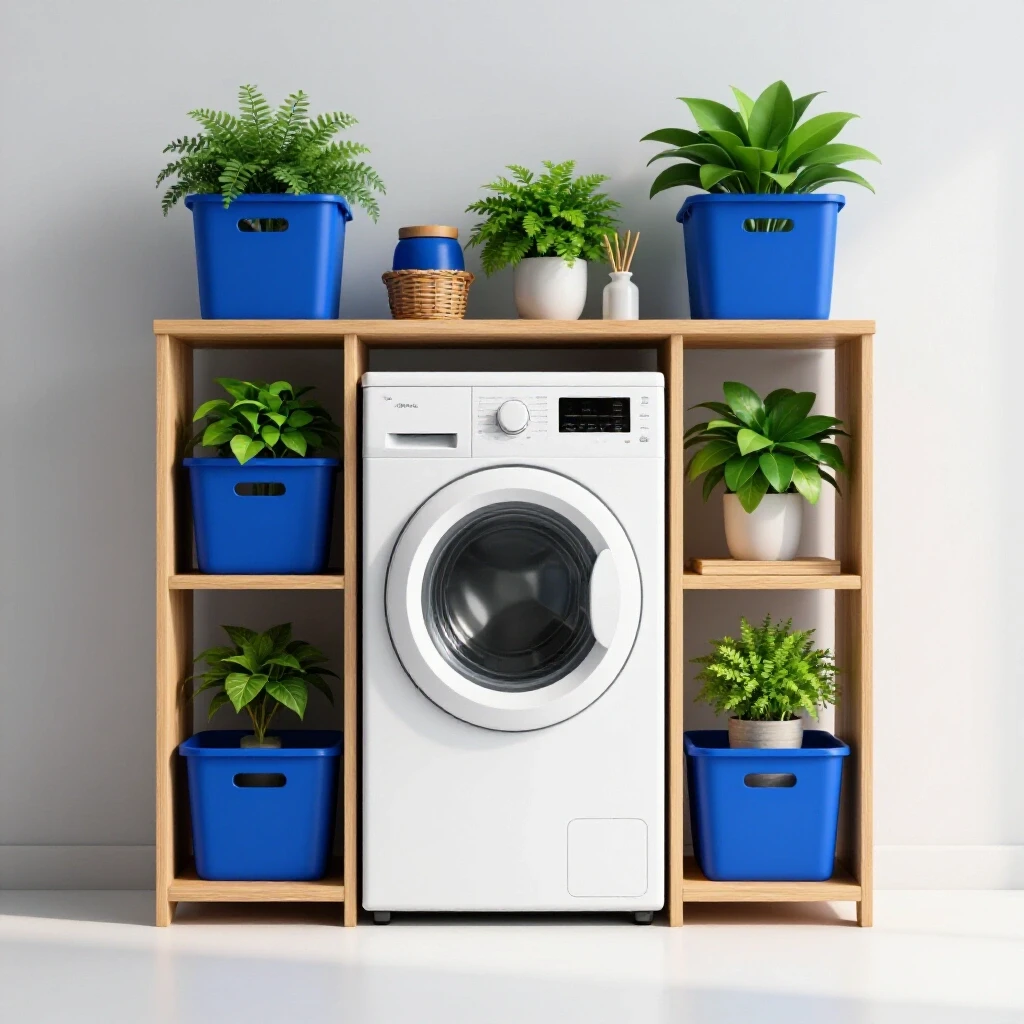
- Week 3: Vertical and Storage Setup: Once the floor plan feels right, start installing shelving and organizing closets. This clears the remaining visual clutter.
- Week 4: Personalization and Community: Hang art and begin inviting neighbors over. This is the stage where the house starts feeling like a home.
Establishing Functional Zones for Daily Routines
Functional zoning is the practice of dividing a room into specific areas based on activity, such as “work,” “rest,” or “play.” This is especially helpful in open-concept homes or small apartments where one room must serve multiple purposes.
In our fourth move, we had to combine a guest room with a home office. Instead of mixing the two, I used a rug to define the “office zone” and a different lighting setup for the “guest zone.” This mental separation helped me “leave work” at the end of the day, even though I was still in the same room.
- Rug Boundaries: Use area rugs to “anchor” different zones within a single large room.
- Lighting Cues: Use bright task lighting for work zones and warm, dimmable lamps for relaxation zones.
- Acoustic Buffers: Use soft items like curtains or bookshelves to dampen sound between zones.
Integrating Into a New Neighborhood Community
Neighborhood integration is the social aspect of relocation, involving the transition from being a “stranger” to a “neighbor.” It requires intentional effort to map out local resources and build social bridges outside your front door.
Moving isn’t just about the four walls; it’s about the four blocks surrounding you. In every move, I’ve found that the “spatial layout” of the neighborhood is just as important as the house. We make it a point to walk the same route every evening for the first month. This consistency helps us learn who the “regulars” are and makes us recognizable to our neighbors.
- The “Front Yard” Strategy: Spend time in your front yard or on your porch. It makes you approachable.
- Local Mapping: Identify your “Third Places”—the coffee shop, library, or park where you can exist without being “at home” or “at work.”
- The “Ask for Help” Icebreaker: Ask a neighbor for a recommendation for a local mechanic or the best day for trash pickup. It’s a low-pressure way to start a conversation.
Actionable Space Planning Tools and Resources
To help you visualize your layout before moving heavy furniture, consider using these practical resources:
- Digital Floor Plan Apps: Many free mobile apps allow you to “scan” a room with your phone camera to create a 3D model.
- Graph Paper and Cutouts: The old-fashioned way still works. Use a 1/4-inch scale (1/4 inch = 1 foot) to move paper “furniture” around a drawing of your room.
- Blue Painter’s Tape: Tape out the dimensions of your furniture on the floor of your new home. This is the best way to feel the “scale” of a piece before it arrives.
- Moving Inventory Logs: Use a spreadsheet to track the dimensions of every large item you own, so you can quickly check if it will fit through a specific doorway.
Moving Kit Weight and Capacity Guidelines
- Small Box (1.5 cu ft): Ideal for books, canned goods, and heavy tools. Keep under 40 lbs.
- Medium Box (3.0 cu ft): Best for clothes, linens, and toys. Keep under 50 lbs.
- Large Box (4.5 cu ft): For lampshades and pillows. Do not overfill with heavy items.
- Wardrobe Box: Designed for hanging clothes; the bottom can be used for light “filler” like pillows.
Learning to Trust Your Spatial Decisions
The most important lesson I’ve learned in 19 years is that your first layout is rarely your last. A home is a dynamic environment. As your kids grow, your pets age, or your work habits change, your space should evolve with you.
If a room feels “off,” it probably is. Don’t be afraid to move the sofa to the other side of the room three months after you move in. Trusting your instincts means listening to the “friction” in your daily life—the stubbed toes, the dark corners, and the cluttered entryways—and having the confidence to rearrange things until the flow feels natural.
Key Takeaways for a Smooth Transition
- Prioritize Flow: Always keep 30-36 inches of walking space.
- Test Before You Commit: Use painter’s tape to “visualize” furniture placement.
- Phase Your Move: Give yourself a full month to finalize the layout.
- Observe Your Habits: Let your daily routines dictate where furniture goes, not the “standard” way rooms are usually staged.
Frequently Asked Questions
What should I do if my existing sofa is too big for my new living room? If the sofa physically fits but blocks the flow, try “floating” it away from the walls. If it blocks a walkway or a doorway, you may need to consider if the piece can be split (if it’s a sectional) or if it would serve better in a larger basement or playroom. Sometimes, the best spatial decision is to acknowledge that a piece of furniture was designed for a different life and find it a new home.
How do I handle an awkward “pass-through” room where every wall has a door or window? In pass-through rooms, the goal is to keep the “traffic lane” clear. Place furniture in the center of the room or along the longest uninterrupted stretch of wall. Use rugs to define the “living” area and keep the “walking” area bare. This clearly signals to the brain where people should walk and where they should sit.
How long does it typically take to feel “at home” in a new layout? Research and personal experience suggest it takes about three to six months to fully adjust. The first month is for physical logistics, the second is for refining routines, and the third is for emotional settling. Be patient with yourself and your family during this window.
What is the most common mistake people make when arranging a small room? The most common mistake is pushing all the furniture against the walls thinking it creates more space. This often leaves a “dead” zone in the middle and makes the room feel like a waiting room. Pulling furniture even a few inches away from the wall can create a sense of depth and airiness.
How can I make a new, unfamiliar neighborhood feel like my own? Focus on “micro-interactions.” Wave to the mail carrier, walk your dog at the same time every day, and visit the same local grocery store. These small, repetitive actions build a sense of belonging and help you map the social “layout” of your new community.
Is there a standard measurement for how much space a dining chair needs? Yes, you should allow at least 24 inches of width per person at the table. For the chair itself, you need 36 inches of clearance from the edge of the table to the wall or the nearest piece of furniture to allow someone to sit down and get up comfortably.
How do I deal with the stress of a “downsized” floor plan? Focus on multi-functionality. When space is at a premium, every piece of furniture must “earn” its place. Look for ottomans with storage, desks that can double as side tables, and vertical shelving that uses the full height of your walls.
Should I follow the previous owner’s layout? Not necessarily. The previous owner’s furniture and lifestyle were different from yours. Use their layout as a starting point if it seems logical, but don’t be afraid to completely flip the room if your instincts tell you it would work better for your specific family needs.
How do I manage the “visual clutter” of moving boxes while I’m still deciding on a layout? Designate one room or a specific corner of the garage as the “box zone.” Only bring boxes into the living areas when you are ready to unpack them. Keeping the main living spaces clear of cardboard will reduce your stress levels and allow you to see the true potential of your new layout.
What are “Third Places” and why are they important for movers? “Third Places” are locations outside of home (the first place) and work (the second place) where people gather. Examples include parks, cafes, and community centers. Finding your third place quickly helps reduce the isolation that often comes with moving to a new city.
(This article was written by one of our staff writers, Kevin Thompson. Visit our Meet the Team page to learn more about the author and their expertise.)