How to Navigate Moving Into a Transitional Home Space (Guide)

Moving into a new home is one of the most stressful events in adult life, often ranking right alongside major career changes or personal loss. Most people view moving as a simple logistics puzzle of boxes and trucks, but the real challenge begins after the last box is dropped off. True comfort in a new space is not about the day you arrive; it is about the weeks of trial and error that follow as you learn how your life fits into a different set of walls.
During my 19 years of navigating four major relocations, I have learned that a house does not become a home until you address the friction between your old habits and your new floor plan. I have lived in wide-open suburban houses and cramped city apartments where every inch mattered. Each move taught me that the key to a smooth transition is not finding a “perfect” house, but rather developing a flexible strategy for spatial layout adaptation.
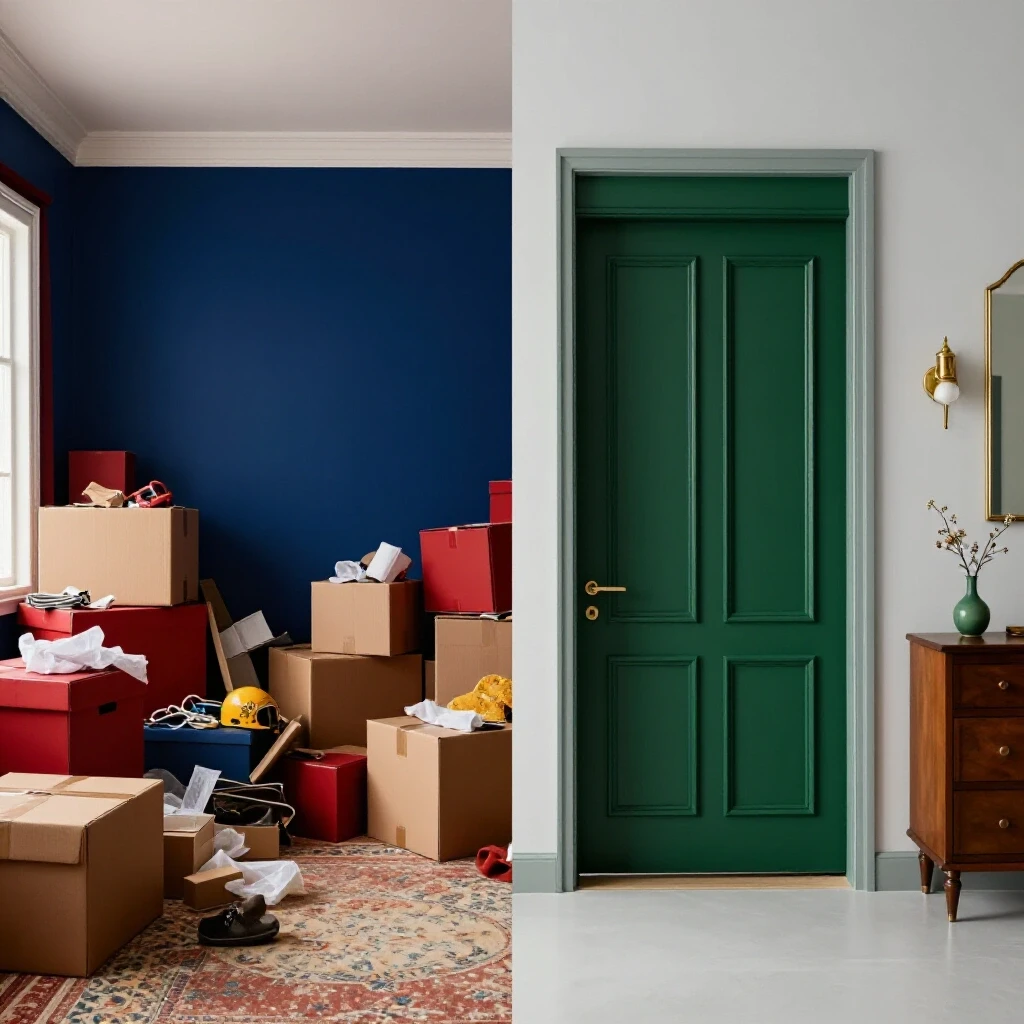
In my experience, the first thirty days are a period of high flux. You might find that the dresser that worked in your old bedroom now blocks a closet door, or the way you used to walk to the kitchen is now interrupted by a poorly placed armchair. By focusing on functional zoning and circulation paths, you can reduce the mental load of a move and start feeling settled much faster.
Mastering the Early Stages of Home Transition Planning
Home transition planning is the process of auditing your physical belongings and mapping them to the specific dimensions and constraints of a new environment. This proactive approach goes beyond basic packing to include measuring clearances, identifying functional zones, and predicting how daily traffic will flow through the home. It reduces the stress of moving by removing the guesswork from furniture placement.
Before you even load the truck, you must perform a spatial audit. In my second move, I assumed our large dining table would fit in our new breakfast nook. I was wrong. We ended up with a table that blocked the pantry door for three months because I hadn’t accounted for the “push-back” space needed for chairs.
Measuring for Success: The Spatial Audit
A spatial audit is a detailed inventory of your furniture dimensions compared against the floor plan of your new residence. This step ensures that every piece of furniture has a designated spot where it can function without obstructing doors, windows, or walkways. It allows you to make difficult decisions about downsizing or selling items before you pay to move them.
When conducting your audit, use a high-quality steel tape measure rather than a digital app for primary furniture. Apps are great for rough estimates, but a half-inch error can be the difference between a fridge fitting into its alcove or sticking out into a walkway.
- Measure Width, Depth, and Height: Don’t forget height, especially for bookshelves near low-hanging light fixtures.
- Identify Obstructions: Note the location of radiators, floor vents, light switches, and power outlets.
- Check Entry Points: Measure the narrowest part of your new hallways and door frames to ensure your largest items can actually get inside.
Evaluating Scale and Visual Weight
Scale refers to how the size of your furniture relates to the room’s volume, while visual weight describes how “heavy” or “busy” an object makes a room feel. Balancing these factors is essential when moving from a large home to a smaller one to prevent the new environment from feeling cluttered or claustrophobic.
In our third move, we transitioned from a house with high ceilings to a lower-profile apartment. Our tall, dark wood armoires felt like they were closing in on us. We learned to balance visual weight by mixing those “heavy” pieces with leggy furniture that showed more of the floor, creating an illusion of more space.
Why Blind Furniture Placement Fails and How to Draft a Blueprint
A spatial layout blueprint is a physical or digital map that visualizes where your furniture will sit within the new floor plan before you move. This blueprint acts as a guide for movers and helps you identify potential traffic jams in your daily routine. It prevents the physical exhaustion of moving a heavy sofa three times just to see where it looks best.
I recommend using a simple 1/4-inch scale on graph paper or a digital floor planner. This allows you to “move” furniture with a mouse or pencil rather than your back.
Mapping Traffic Patterns and Circulation Paths
Circulation paths are the invisible “roads” through your home that you and your family travel most frequently. Mapping these paths involves ensuring that there is a clear, unobstructed route between high-use areas like the kitchen, the bathroom, and the bedrooms. Proper circulation planning prevents the frustration of constantly bumping into furniture or squeezing through narrow gaps.
Standard ergonomic guidelines suggest leaving at least 30 to 36 inches for major walkways. In a small room furniture layout, you might be tempted to push this down to 24 inches, but you will likely regret it when carrying groceries or a laundry basket.
- The 3-Foot Rule: Keep main paths 36 inches wide.
- The Seating Gap: Leave 18 inches between a sofa and a coffee table.
- The Dining Clearance: Ensure there are 32 to 36 inches between the table edge and the wall so people can walk behind seated guests.
Spatial Blueprint Compatibility Matrix
| Room Type | Common Furniture Piece | Required Clearance | Potential Conflict |
|---|---|---|---|
| Living Room | Sectional Sofa | 36″ for main path | Blocks patio door or floor vents |
| Bedroom | King/Queen Bed | 30″ on both sides | Prevents nightstand drawers from opening |
| Dining Room | 6-Person Table | 36″ from wall | Blocks the main “flow” to the kitchen |
| Home Office | Desk & Chair | 42″ behind the desk | Chair hits the bookshelf or guest chair |
Strategic Approaches to Small Room Furniture Layout
Small room furniture layout requires a shift in mindset from “filling the space” to “zoning the space.” This involves using furniture to define specific areas for work, rest, or play without using physical walls. It is particularly useful in modern open-concept homes or studio apartments where one room must serve multiple purposes.
When we moved into a 900-square-foot cottage, I had to create a home office in the corner of the living room. I used a rug to “anchor” the office zone and positioned the desk facing away from the TV to create a mental boundary.
Leveraging Multi-Functional Zones
Zoning is the practice of grouping furniture to support a specific activity, such as a “reading nook” or a “homework station.” By creating these distinct areas, you give the room a sense of order and purpose, even if the square footage is limited. This helps every family member know where certain tasks should happen, reducing household friction.
- Use Rugs to Define Borders: A rug acts as a visual boundary for a seating area.
- Vertical Storage: In small rooms, go up. Use tall shelving to keep the floor clear.
- Floating Furniture: Don’t feel obligated to push every piece against a wall. Sometimes pulling a sofa six inches away from the wall makes a room feel larger.
First-Month Spatial Adjustment Timeline
| Phase | Focus Area | Goal |
|---|---|---|
| Week 1 | Essential Zones | Set up beds, the kitchen, and one “calm” seating area. |
| Week 2 | Storage & Flow | Unpack closets and adjust furniture that blocks walkways. |
| Week 3 | Secondary Zones | Set up the home office, guest rooms, and hobby areas. |
| Week 4 | Final Tweaks | Hang art and reassess furniture placement based on 3 weeks of living. |
Practical Unpacking and Building New Home Routines
A new home adjustment guide focuses on the transition of your daily habits into the new physical environment. This includes setting up “landing strips” for keys and mail, organizing the kitchen based on the new “work triangle,” and establishing a sense of normalcy for children and pets. It is the bridge between living in boxes and feeling truly at home.
The biggest mistake I made in my first move was trying to unpack everything in 48 hours. I ended up putting things in random drawers just to empty the boxes. Two weeks later, I couldn’t find a can opener. Now, I follow a “logical flow” unpacking strategy.
The Kitchen Work Triangle Adaptation
The kitchen work triangle is an ergonomic concept that links the three main work centers: the sink, the stove, and the refrigerator. In a new home, you must adapt your cooking habits to the distance between these points. Organizing your most-used items within this triangle reduces the physical effort of preparing meals and helps you feel more efficient in an unfamiliar kitchen.
- The Prep Zone: Keep knives and cutting boards near the sink.
- The Heat Zone: Store pots, pans, and spices near the stove.
- The Cold Zone: Place tupperware and wrap near the refrigerator for easy leftovers storage.
Establishing a “Landing Strip”
A landing strip is a designated area near the primary entrance of the home used to capture items that enter and leave the house daily. This usually includes hooks for keys, a basket for mail, and a spot for shoes or bags. Creating this zone immediately prevents the “new home clutter” that happens when items are dropped on the first available surface.
In our current home, our landing strip is a small console table with a drawer. It took us exactly three days to set it up, and it saved us from the “where are my keys?” panic that usually haunts the first week of a move.
Integrating Into the Neighborhood Community
Neighborhood community building is the social aspect of relocation, involving the intentional effort to meet neighbors and learn the local landscape. This process helps reduce the feeling of isolation that often accompanies a move. It turns an unfamiliar street into a supportive network of people and resources.
I have found that the “front yard” strategy works best. Instead of hiding in the backyard, spend time on your porch or in the front garden. It makes you approachable.
- The 10-House Rule: Aim to introduce yourself to the five houses on either side of you within the first month.
- Local Reconnaissance: Find your “third place”—a local coffee shop, park, or library where you can become a regular.
- Ask for Advice: Neighbors love being experts. Ask them when trash day is or where the best local pizza is located. It’s an easy icebreaker.
Essential Tools for Relocation and Layout Planning
Modern technology has made the moving process much more scientific. I rely on a mix of digital tools and physical kits to keep our transitions organized.
- MagicPlan (App): This app allows you to scan a room with your phone camera to create an instant floor plan. It is incredibly helpful for checking if a room is large enough for your king-sized bed.
- Floorplanner.com: A web-based tool for creating detailed 2D and 3D layouts. I use this to “test drive” furniture arrangements before the movers arrive.
- Color-Coded Moving Labels: Assign a color to each room (e.g., Blue for Kitchen, Red for Master Bedroom). This allows movers to drop boxes in the correct “zone” without you having to direct every single one.
- Trello or Notion: Use these project management tools to create a digital home moving checklist. You can track utility transfers, address changes, and packing progress in one place.
- Furniture Sliders: These are essential for the “tweak phase” of the first month. They allow one person to move heavy items across carpet or hardwood without damage.
Common Pitfalls to Avoid During a Move
Even with 19 years of experience, I still see people making the same mistakes. One of the most common is the “all-or-nothing” furniture trap. People feel they must keep every piece of furniture they own, even if it clearly doesn’t fit the new layout.
- Don’t Block Natural Light: Avoid placing tall furniture in front of windows. It makes the space feel smaller and can affect your mood during the transition.
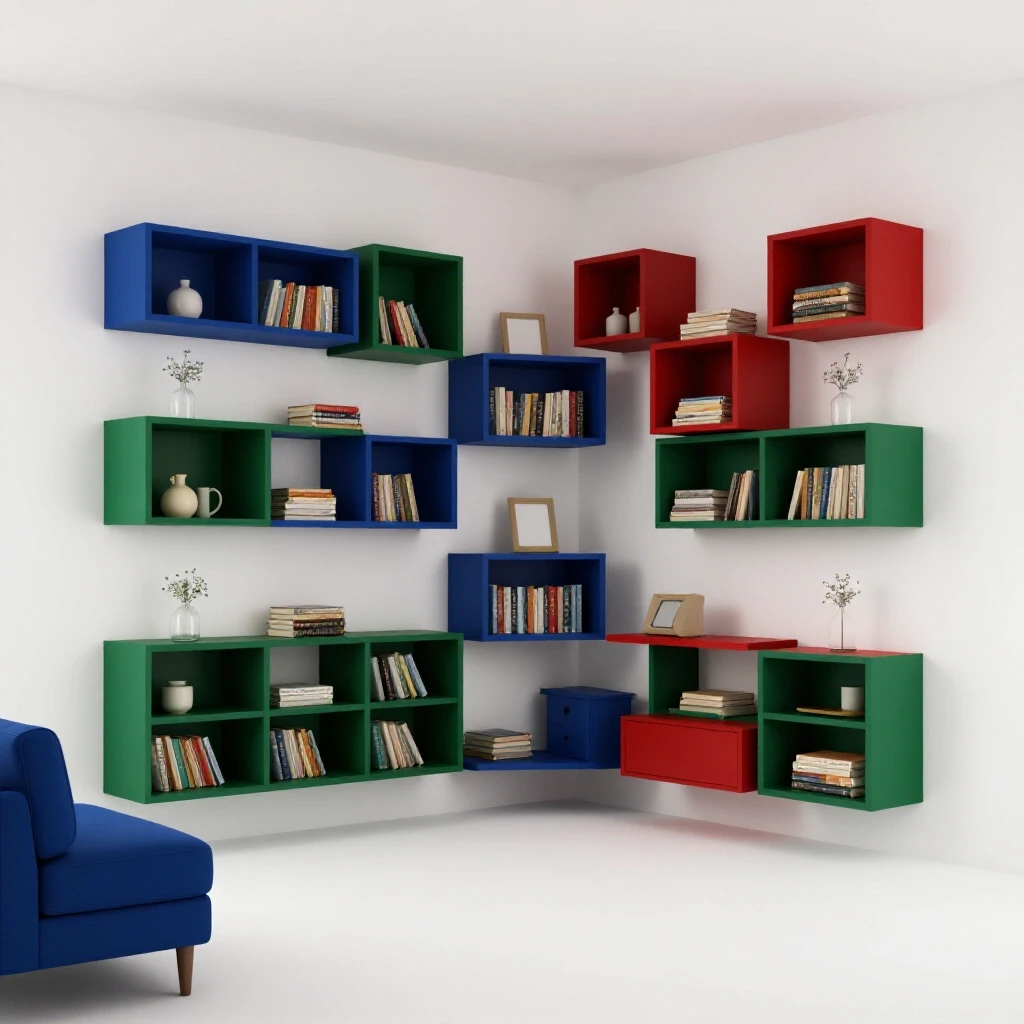
- Don’t Ignore Vertical Space: Especially in small rooms, use the walls. Floating shelves can replace bulky bookcases.
- Don’t Rush the Decor: Live in the space for at least 30 days before buying new rugs or painting walls. You need to see how the light changes throughout the day.
- Don’t Over-Pack Boxes: Keep box weights under 40 pounds. Your back (and your movers) will thank you.
Transitioning Toward a Functional Future
The process of settling into a new home is a marathon, not a sprint. It requires patience, a bit of measuring tape, and the willingness to admit when a layout isn’t working. By treating your new home as a flexible environment rather than a static one, you allow it to evolve with your family’s needs.
Remember that the goal of spatial layout adaptation is to create a home that supports your life, not one that you have to work around. Start with the basics: clear walkways, functional zones, and a solid routine. The rest—the art on the walls and the perfect pillows—will come in time.
FAQ
How do I know if my old furniture will fit in a smaller room? The most accurate way is to measure the “footprint” of your furniture and the “clear floor space” of the new room. Use a spatial blueprint to ensure you have at least 30 inches of walking space around the items. If the furniture leaves you with less than 24 inches of clearance, it is likely too large for the space and will cause daily frustration.
What should I unpack first to feel settled quickly? Prioritize the “Essentials for Daily Living.” This includes the kitchen (so you can eat), the bedrooms (so you can sleep well), and the primary bathroom. Once these three areas are functional, the rest of the house can be unpacked at a slower pace without causing major disruptions to your routine.
How can I make an awkward-shaped room more functional? Break the room into smaller, rectangular “zones” using rugs or furniture placement. For example, in a long L-shaped room, use one end for a seating area and the other for a dining or work area. Avoid pushing all furniture against the walls, which can highlight the awkward shape; instead, “float” some pieces to create new, straighter lines.
What is the best way to meet neighbors without being intrusive? The “low-pressure greeting” is best. When you see a neighbor outside, a simple wave and a “Hi, I’m [Your Name], we just moved in” is enough. You don’t need to invite them over for dinner immediately. Asking a quick question about local services (like trash pickup or a good mechanic) is a natural way to start a conversation.
How much space do I really need for a home office? A functional home office requires a minimum footprint of about 48 inches wide by 60 inches deep. This allows for a standard desk and enough room to pull out an office chair comfortably. If you are tight on space, consider a “cloffice” (closet office) or a wall-mounted fold-down desk.
What are the standard clearances for a living room? Aim for 14 to 18 inches between your sofa and coffee table. For main walkways through the room, you need 30 to 36 inches. If you have a TV, the viewing distance should be roughly 1.5 to 2.5 times the diagonal screen size.
How do I handle the “moving blues” or feeling out of place? This is a normal part of the transition. Experts suggest the “3-3-3 rule”: 3 days to stop feeling overwhelmed, 3 weeks to feel like you know your way around, and 3 months to feel like you truly belong. Focus on small wins, like finding a favorite local park or finally emptying the last box in the garage.
Should I buy new furniture before or after I move? Always wait until after you move. Even with perfect measurements, the “feel” of a room—the light, the acoustics, and the way you actually move through it—cannot be fully understood until you live there. Spend at least two weeks in the space before making major furniture purchases.
How can I organize my move to reduce stress on my kids? Involve them in the spatial layout of their own rooms. Let them help decide where their bed or toy box goes. Unpack their rooms as early as possible so they have a “safe haven” of familiarity amidst the chaos of the rest of the house.
What is a “spatial storage volume” and why does it matter? This refers to the total cubic feet of storage available in your new home (closets, cabinets, attic). People often move from a home with high storage volume to one with low volume without realizing it. If your new home has 30% less storage, you must declutter 30% of your “hidden” items before the move to avoid a cluttered living environment.
(This article was written by one of our staff writers, Kevin Thompson. Visit our Meet the Team page to learn more about the author and their expertise.)