How to Avoid Buying Too Much When Moving In (Practical Guide)

Nearly 33% of new homeowners admit to purchasing furniture and decor that doesn’t fit their space or lifestyle within the first three months of moving. This rush to fill a home often leads to cramped hallways, blocked natural light, and a sense of physical clutter that increases the stress of an already difficult transition. After moving my family between four different homes over 19 years, I have seen firsthand how the urge to “complete” a room quickly can backfire.
My name is Kevin Thompson, and I have spent nearly two decades navigating the puzzles of cross-country relocations and evolving floor plans. I have lived in everything from a compact city apartment to a suburban house with rooms that felt too large to handle. Through these transitions, I learned that the most successful homes are not the ones filled the fastest, but the ones that are allowed to breathe as the family finds its rhythm.

Why Rushing Your Home Setup Leads to Layout Friction
Spatial layout adaptation is the process of adjusting your physical belongings and daily habits to fit the unique geometry of a new environment. It involves analyzing traffic flow and room functions to ensure your home supports your lifestyle rather than hindering it through clutter or poor furniture placement. Taking time to observe how you move through a room prevents long-term frustration.
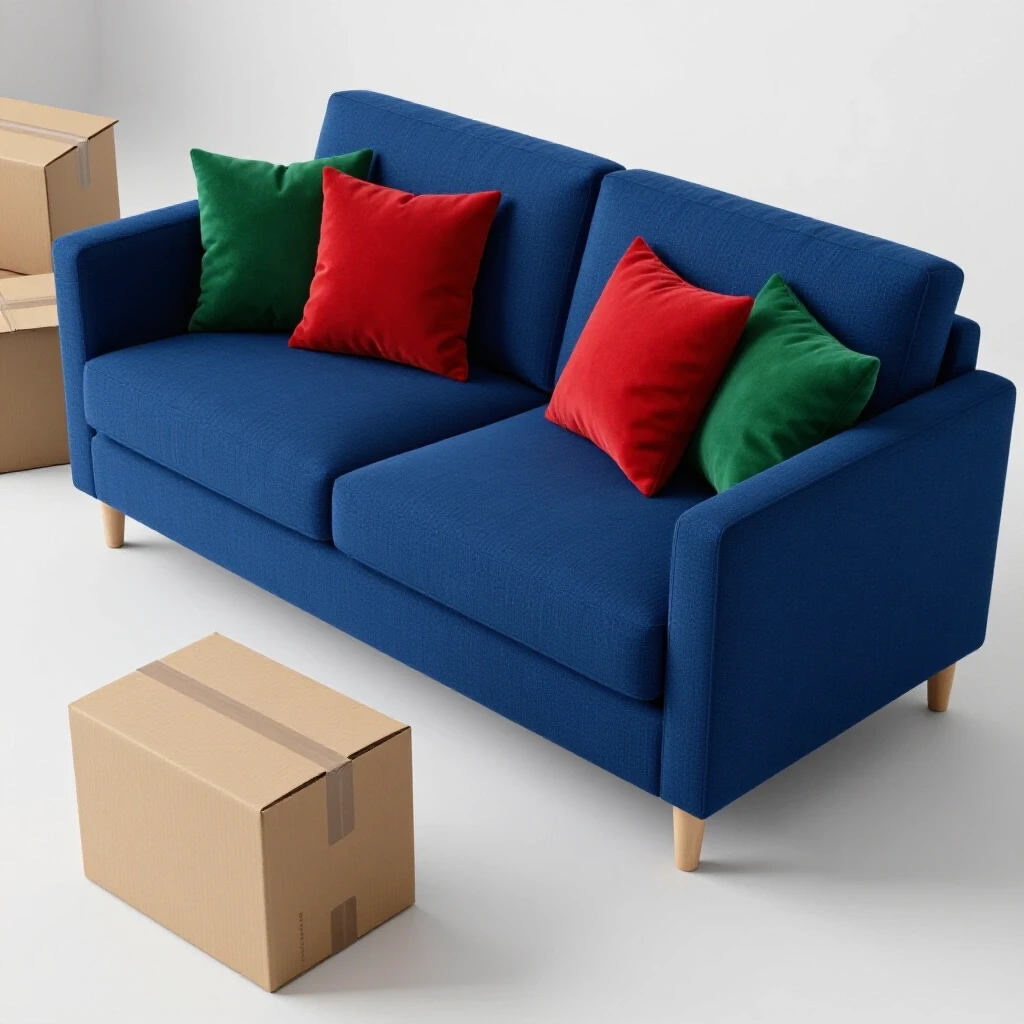
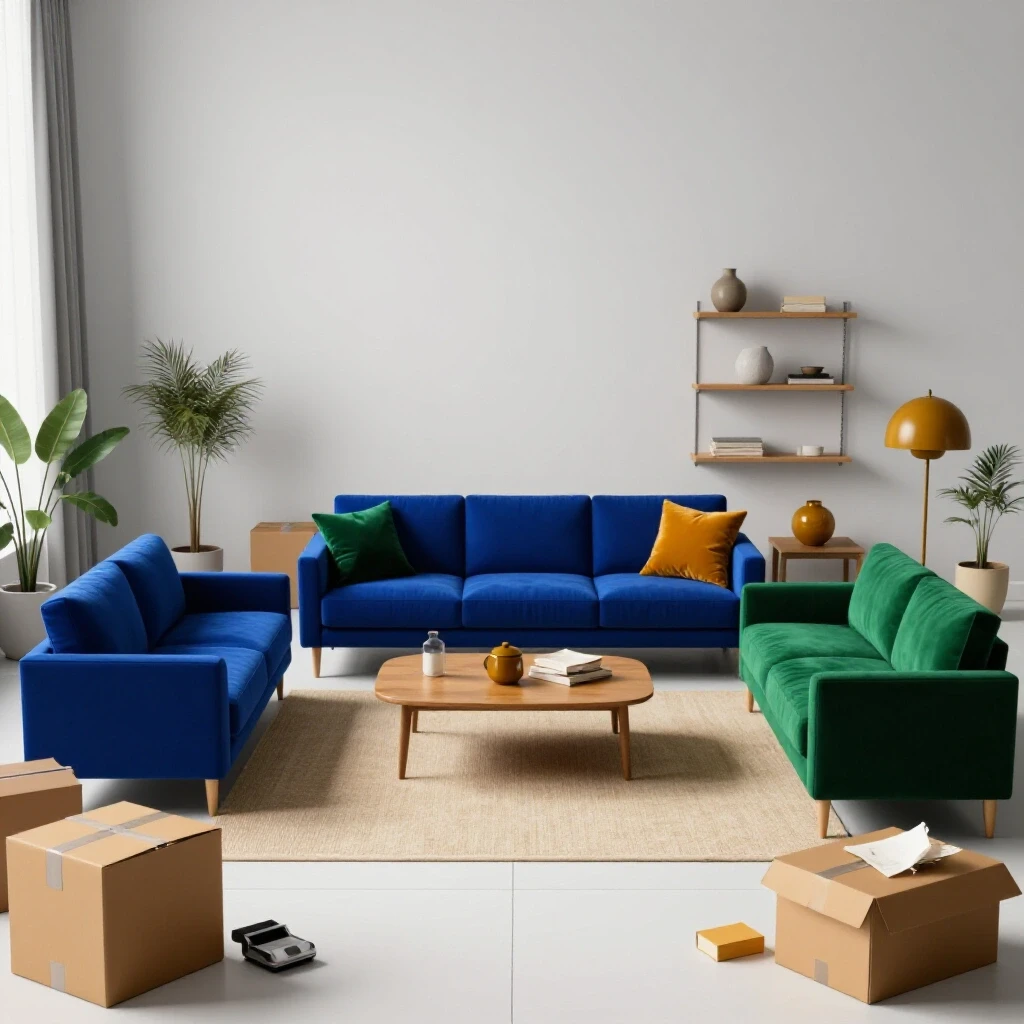
When we moved into our second home, a 1940s colonial with narrow doorways, I made the error of buying a massive sectional sofa before we even had the keys. I assumed the square footage of the living room would accommodate it. However, I didn’t account for the “circulation paths”—the routes we take to walk from the kitchen to the stairs. The sofa ended up blocking a major walkway, forcing us to shimmy sideways for two years.
This experience taught me that structural scale is more important than raw square footage. Structural scale refers to how the height of ceilings, the width of doors, and the placement of windows dictate what a room can actually hold. If you buy items before you understand these constraints, you risk creating a home that feels like an obstacle course.
Conducting a Pre-Move Spatial Audit to Avoid Over-Acquisition
A home moving checklist should always begin with a spatial audit, which is the detailed measurement and evaluation of your new floor plan against your current inventory. This step ensures you only move or buy items that serve a specific purpose in the new footprint. It reduces moving costs and prevents the stress of “box-filled” rooms.
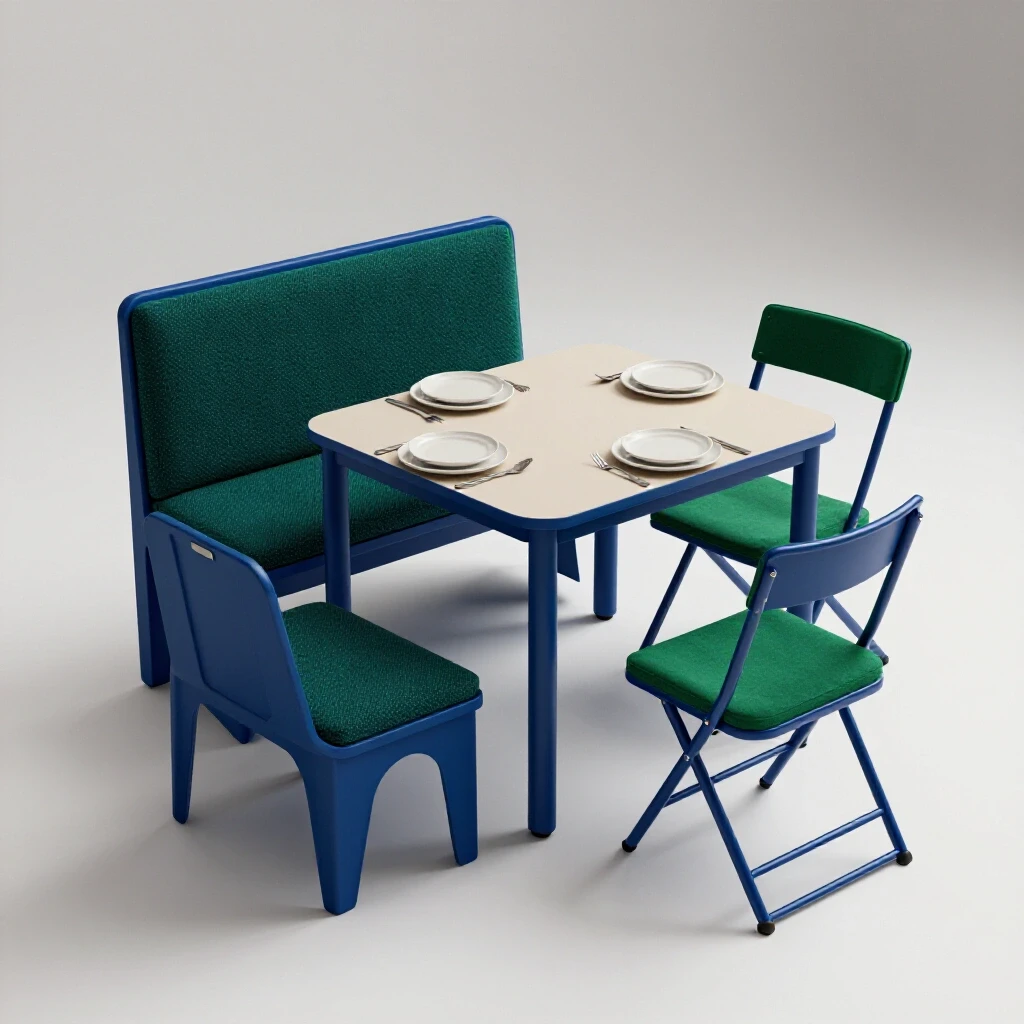
Before you buy a single new rug or bookshelf, you must map out your existing furniture. I recommend a “Keep, Adapt, or Rehome” strategy. During my third move, we used a simple spreadsheet to track every major piece of furniture. We measured the width, depth, and height of our dining table and compared it to the new dining nook. We realized the table would leave only 18 inches of clearance from the wall, making it impossible to pull out chairs.
- Standard Clearance Margins for Daily Comfort:
- Major Walkways: 36 inches minimum for two people to pass.
- Dining Table Perimeter: 32 to 36 inches from the table edge to the wall or other furniture.
- Coffee Table Distance: 15 to 18 inches from the edge of the sofa.
- Bedroom Pathways: 24 to 30 inches around the sides and foot of the bed.
By identifying these conflicts early, we avoided the cost of moving a heavy table that was destined to fail in the new space. We sold it locally and waited three weeks after moving in to choose a round pedestal table that optimized the awkward corner.
Mapping Furniture Scale to Your New Floor Plan Footprint
Furniture-to-scale mapping is the practice of visualizing how specific pieces of furniture occupy three-dimensional space within a room. This goes beyond simple floor measurements to include “visual weight,” which describes how much a piece of furniture dominates the sightlines of a room. Proper mapping prevents rooms from feeling overcrowded or cavernous.
In our fourth move, we transitioned to a home with high ceilings but a smaller footprint. I learned that tall, narrow bookshelves worked better than wide, low ones because they utilized vertical space without eating into the walking area. To help you plan, I have developed a Spatial Blueprint Compatibility Matrix that I use for every room adaptation.
| Room Type | Key Measurement Focus | Common Layout Conflict | Ideal Clearance |
|---|---|---|---|
| Living Room | Seating to TV distance | Blocking natural light/windows | 36″ main paths |
| Kitchen/Dining | Chair pull-out depth | Obstructing the oven or fridge | 32″ behind chairs |
| Home Office | Desk depth vs. chair swing | Inability to open door fully | 42″ for chair zone |
| Entryway | Door swing radius | Tripping over shoe storage | 36″ landing zone |
Using this matrix allows you to see where your current furniture might cause friction. If you are moving into a small room, prioritize furniture with “exposed legs” rather than “skirted” or “blocky” bases. Seeing the floor continue under a sofa makes a room feel larger and less cluttered.
Strategies for Navigating Awkward Layouts and Small Rooms
Small room furniture layout requires a focus on multi-functionality and “zoning,” which is the technique of using furniture to define separate areas within a single room. For example, a rug can define a “reading zone” within a larger bedroom. This approach is essential for movers who are downsizing or dealing with non-traditional floor plans.
I once lived in a studio apartment where the living area was a long, narrow rectangle. The temptation was to push all the furniture against the long walls. This created a “bowling alley” effect that felt cold and uninviting. Instead, I used a low bookshelf to divide the room into two zones: a workspace and a relaxation space.
- Tactics for Awkward Spaces:
- Use “Floating” Furniture: Don’t push everything against the walls; pulling a sofa just 6 inches away from a wall can create a sense of airiness.
- Vertical Storage: In narrow hallways, use wall-mounted hooks and shallow ledges (less than 10 inches deep) to keep the floor clear.
- Mirror Placement: Place mirrors opposite windows to double the perceived depth of a small room.
- Corner Optimization: Use “L-shaped” desks or corner shelving to utilize space that usually goes to waste.
When you move into a new home adjustment guide, remember that the first 30 days are for testing. Use painter’s tape on the floor to mock up the size of a new piece of furniture before you buy it. Leave the tape there for three days. If you find yourself stepping over the tape or feeling annoyed by it, that piece of furniture is too large for the space.
Building Functional Daily Routines Through Zoned Living
Functional zoning is the intentional arrangement of a home to support the specific activities of the household, such as cooking, remote work, or children’s play. By creating dedicated “stations,” you reduce the mental load of the transition and help the family establish new routines quickly. This prevents the “home transition planning” phase from feeling chaotic.
One of the biggest struggles for families moving into a new home is the loss of familiar routines. In our move across the country, my children felt displaced because their “homework spot” was gone. To fix this, I prioritized setting up a “Launch Pad” near the front door.
- The First-Month Spatial Adjustment Timeline:
- Week 1: Focus on the “Sleep and Eat” zones. Set up beds and the kitchen table. Do not hang art yet.
- Week 2: Establish the “Entryway and Utility” zones. Organize where keys, mail, and shoes go.
- Week 3: Observe traffic patterns. Where is the laundry piling up? Where do people naturally sit to talk?
- Week 4: Finalize furniture placement and begin adding decorative elements or purchasing missing items.
This staged approach prevents you from buying storage solutions that don’t actually fit how you live. Interestingly, we often find that the way we used our old house doesn’t translate to the new one. In our third home, we ate every meal at the counter. In the fourth, the counter was too high for the kids, so we had to pivot back to using a traditional dining table.
Neighborhood Community Building and Social Integration
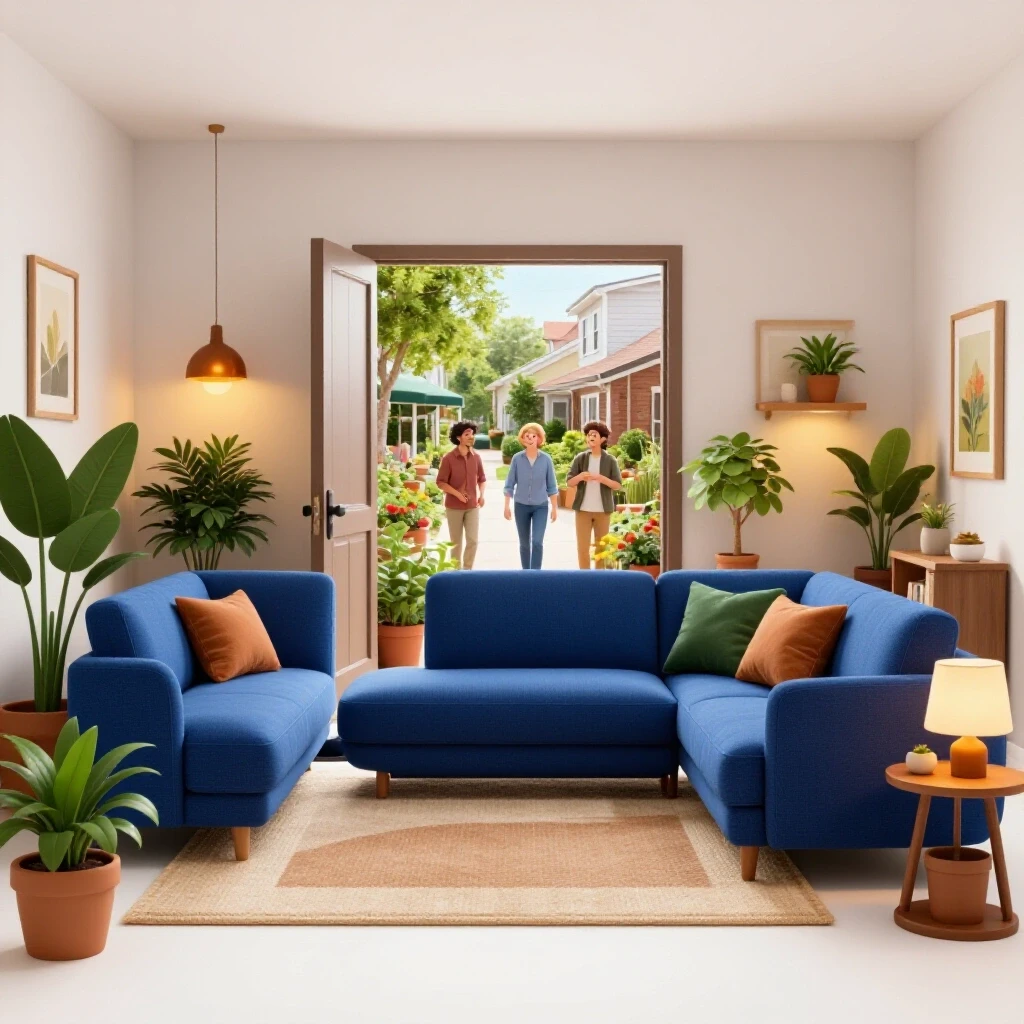
Neighborhood community building is the active effort to establish social connections and familiar patterns within your new local area. This is a critical part of a new home adjustment guide because a house only feels like a home once you feel safe and connected to the surroundings. It involves mapping out local resources and introducing yourself to neighbors.
Isolation is a major pain point for movers. To combat this, I suggest a “Community Mapping” exercise. During your first two weeks, walk a different route every day. Identify the nearest grocery store, park, and library.
- Practical Steps for Integration:
- The “Front Yard” Rule: Spend time in your front yard or on your porch during peak hours (5:00 PM to 6:30 PM) to meet neighbors naturally.
- Ask for Advice: Ask a neighbor for a recommendation for a local plumber or the best pizza place. People generally enjoy being helpful.
- Join Local Groups: Use digital tools like Nextdoor or local Facebook groups to stay informed about neighborhood events.
Building community takes time. Research on relocation logistics suggests it takes roughly six months to feel “at home” in a new city. Don’t rush the process of filling your social calendar any more than you would rush filling your living room.
Tools and Resources for Digital Space Planning
Modern home transition planning is much easier with the help of digital tools that allow you to visualize layouts before moving a single heavy box. These resources help you avoid the mistake of purchasing items that are the wrong scale for your new environment.
- MagicPlan: This app uses your phone’s camera to create a 2D and 3D floor plan of your new home. It is excellent for measuring rooms quickly without a physical tape measure.
- HomeByMe: A free online 3D planning tool where you can drag and drop furniture into a digital version of your house to see how it looks.
- Sortly: A visual inventory app that helps you track what is in every box. You can take photos of items and tag them by room.
- Planner 5D: A detailed design tool for those who want to experiment with different wall colors and floor textures alongside furniture placement.
- Nextdoor: A vital app for neighborhood integration and finding local services or purchasing second-hand furniture from neighbors.
Using these tools provides a “safety net” for your spatial decisions. They allow you to fail digitally rather than physically, saving you from the back-breaking work of moving a dresser three times.
Practical Metrics for a Successful Home Transition
To ensure your move is grounded in reality, keep these actionable metrics in mind. These numbers are based on ergonomics guidelines and standard housing adaptation practices.
- Moving Kit Weight Tolerances: Keep boxes under 30 pounds for safety. Books should always go in small boxes.
- The 60/40 Rule: Aim to have 60% of your floor space occupied by furniture and 40% left open for movement and “visual breathing room.”
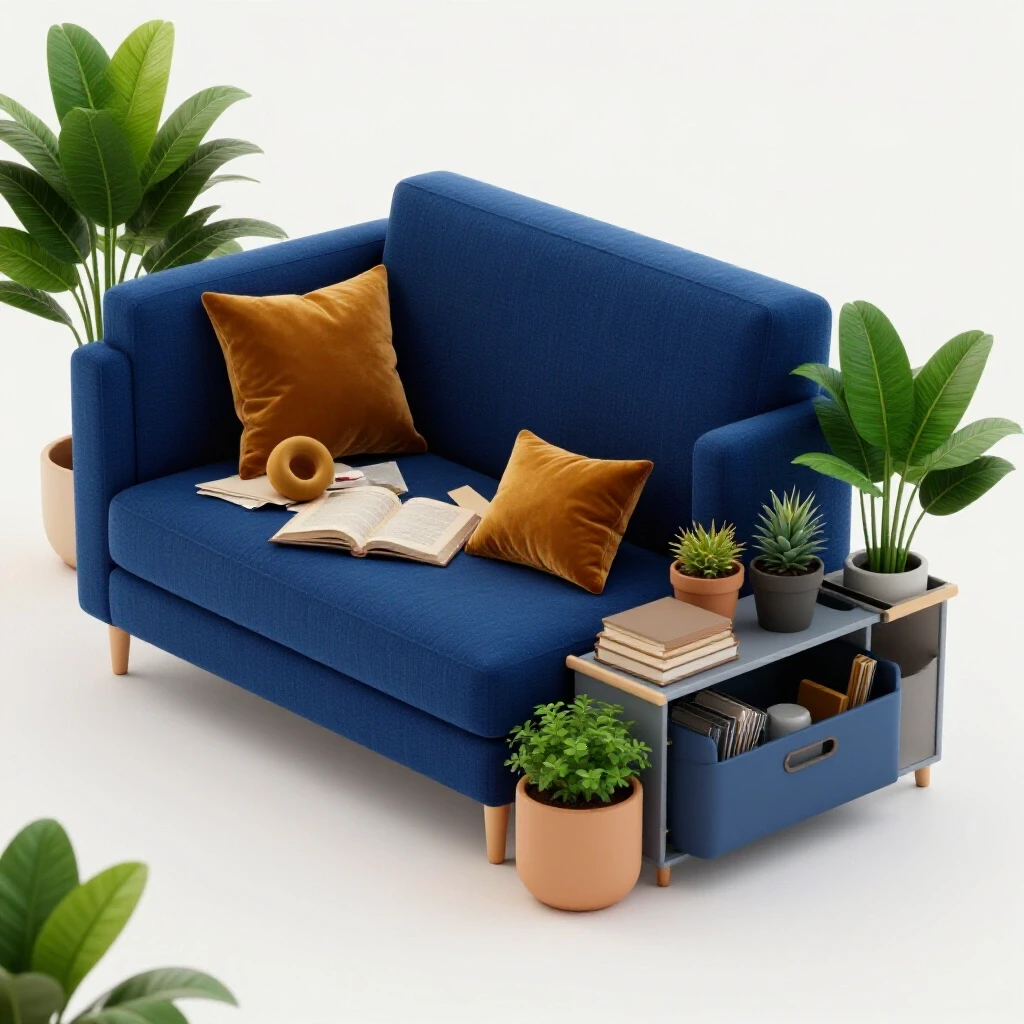
- Storage Volume: Most families need 15% more storage than they think. If your new home lacks closets, plan for “dual-purpose” furniture like ottomans with lids.
- Unpacking Goal: Aim to have all “utility” rooms (kitchen, bathroom, bedroom) 90% functional within the first 72 hours.
As you settle in, remember that a home is a living thing. It will change as your family grows or your needs shift. The biggest mistake you can make is trying to reach a “finished” state on day one. By pacing your purchases and observing your daily flow, you create a space that truly fits.
Conclusion: Your Next Steps for a Measured Transition
Transitioning into a new home is a marathon, not a sprint. The pressure to have a “perfect” layout immediately can lead to expensive errors and a cluttered environment. Start by auditing what you have, measuring your new footprint with 36-inch clearance margins in mind, and living in the space for at least a month before buying new decor or large furniture.
Focus on your “Launch Pad” and your “Rest Zones” first. Use digital planners to experiment with awkward corners. Most importantly, give yourself the grace to let the house be a work in progress. A comfortable home is built on the foundation of how you actually live, not how you thought you would live when you were looking at the floor plan.
Frequently Asked Questions
How long should I wait before buying new furniture for a new house? It is generally best to wait 30 to 60 days after moving in. This period allows you to understand the natural light, traffic flow, and how you actually use each room. Living in the space first prevents you from buying items that look good in a store but don’t fit the functional reality of your home.
What are the most common furniture scale mistakes movers make? The most common error is buying pieces that are too large for the room’s “circulation paths.” People often forget to account for the 30-36 inches needed to walk comfortably around a sofa or the 32 inches needed to pull out a dining chair. Another mistake is buying “blocky” furniture for small rooms, which stops the eye and makes the space feel smaller.
How do I handle a long, narrow living room layout? Avoid the “bowling alley” effect by creating two distinct zones. Use a rug or a low console table to break the room into a primary seating area and a secondary area, like a reading nook or a small workspace. Placing furniture perpendicular to the long walls can also help “widen” the feel of the room.
What is the “Launch Pad” method for home organization? The Launch Pad is a designated area near the main entry/exit of the home where essential daily items are kept. This includes keys, bags, shoes, and mail. Setting this up in the first week of a move reduces morning stress and prevents clutter from spreading to the kitchen counters or dining table.
How can I make my existing furniture fit into a smaller home? Prioritize pieces that offer multi-functionality, such as a bed with built-in drawers or a coffee table that can double as a desk. If a piece is too large, consider “re-homing” it in a different room. A large dresser that doesn’t fit in the bedroom might work as a sideboard in a dining area or storage in a wide hallway.
What is the best way to measure a room for a new layout? Always measure from baseboard to baseboard, not wall to wall. Note the location of all electrical outlets, vents, and window heights. Use a digital floor plan app or graph paper to draw the room to scale, then cut out paper “furniture” to move around the map before moving the real items.
Why is traffic flow more important than aesthetics during the first month? If a home is beautiful but difficult to move through, it will cause daily frustration. Poor traffic flow leads to “bottlenecks” where family members bump into each other. Once the flow is established and comfortable, you can layer in aesthetics and decor without compromising the home’s functionality.
How do I introduce myself to neighbors without feeling awkward? Keep it simple and low-pressure. If you see a neighbor outside, a quick “Hi, I’m [Name], we just moved into [House Number]” is enough. Asking a simple question about trash pickup days or local park recommendations is a natural way to start a conversation and shows you value their local knowledge.
What should I do if my furniture blocks a heater or air vent? Never block a heat source or return vent, as this is a fire hazard and reduces your home’s energy efficiency. If a piece of furniture must be near a vent, ensure there is at least an 18-inch gap, or use a plastic “air deflector” to guide the airflow out from under the furniture.
How can I reduce moving stress for my children? Prioritize their rooms. Having their familiar bed, toys, and books set up on the first night provides a “safe harbor” amidst the chaos of the rest of the house. Involve them in small layout decisions, like where their desk should go, to help them feel a sense of ownership in the new environment.
(This article was written by one of our staff writers, Kevin Thompson. Visit our Meet the Team page to learn more about the author and their expertise.)