Affordable Fixes for New Homes: Budget Ideas for Moving (Guide)

Imagine standing in the center of your new living room, surrounded by a mountain of brown cardboard boxes. The echo of the empty space is loud, and your old sofa looks strangely small against the far wall. I have stood in that exact spot four times over the last 19 years. Each move, from my first cramped apartment to a cross-country relocation with a growing family, taught me that a house only feels like a home once the layout works for your daily life.
The stress of a move often comes from the friction between your old belongings and a new, unfamiliar floor plan. You might find that your favorite bookshelf blocks a walkway or the dining table prevents the pantry door from opening. These are common hurdles in any home transition planning process. My goal is to share the practical, low-cost strategies I have used to turn awkward spaces into functional environments without spending a fortune.
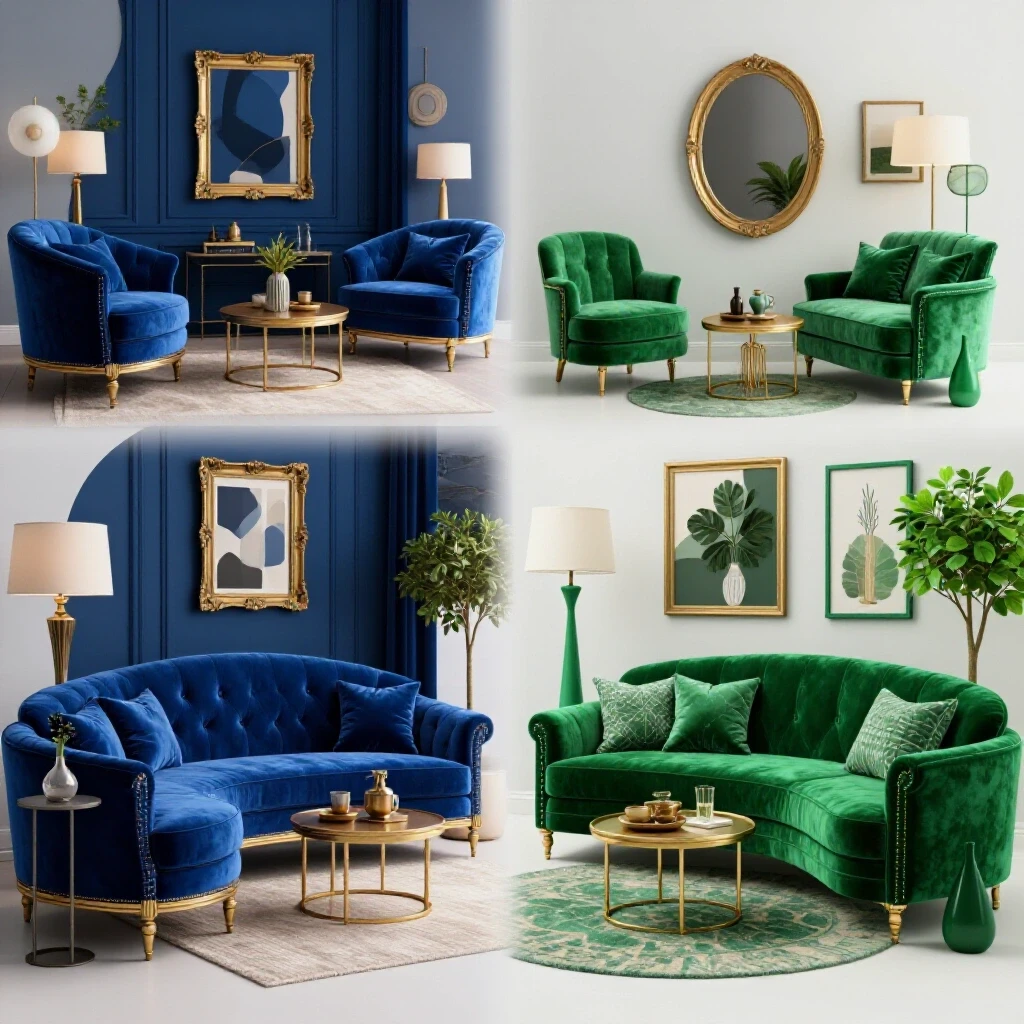
Analyzing the Spatial Footprint of Your New Environment
Spatial layout is the intentional arrangement of furniture and objects to support movement and activities within a room. Understanding this concept is vital because it determines how much “friction” you feel during your morning routine or evening relaxation. A well-planned layout reduces physical clutter and mental fatigue by ensuring every item has a logical place.
When I moved my family into our third home, a house with a very narrow living area, I realized that blind furniture placement is the fastest way to feel cramped. Before you slide a single heavy dresser, you need a spatial layout adaptation strategy. This involves measuring not just the walls, but the “invisible” paths where people walk.
In housing logistics, we call these circulation paths. A standard hallway or major walking path should ideally be 30 to 36 inches wide. If your furniture reduces this to 20 inches, you will constantly bump into corners. I recommend using blue painter’s tape to outline your furniture on the floor of the empty house. This simple, cheap tool allows you to “see” the layout before you exert the effort of moving heavy pieces.
Why Your First Spatial Layout Blueprint Matters
A spatial blueprint is a bird’s-eye view of your room that accounts for doors, windows, and electrical outlets. It serves as a roadmap for your move, preventing the common mistake of placing a bed where it blocks a heater or a desk where the sun glares on the screen.
In my experience, the most successful home transition planning starts with an audit of “fixed” elements. You cannot move a window, but you can move a chair. By mapping out these immovable objects first, you create a realistic “usable zone” for your furniture.
| Feature | Minimum Clearance Margin | Why It Matters |
|---|---|---|
| Main Walkways | 36 Inches | Allows two people to pass comfortably. |
| Between Coffee Table and Sofa | 14–18 Inches | Close enough to reach, far enough for legs. |
| Dining Chair Pull-out Space | 32 Inches | Prevents chairs from hitting walls or furniture. |
| Behind a Desk Chair | 30 Inches | Ensures you can get in and out of the seat easily. |
Auditing Furniture Scale for Small Room Layouts
Furniture scale refers to how the size of your pieces relates to the overall volume of the room. When moving into a smaller home or a space with an awkward shape, some of your existing items may no longer be functional. Auditing your furniture helps you decide what to keep, what to modify, and what to sell before it takes up valuable space.
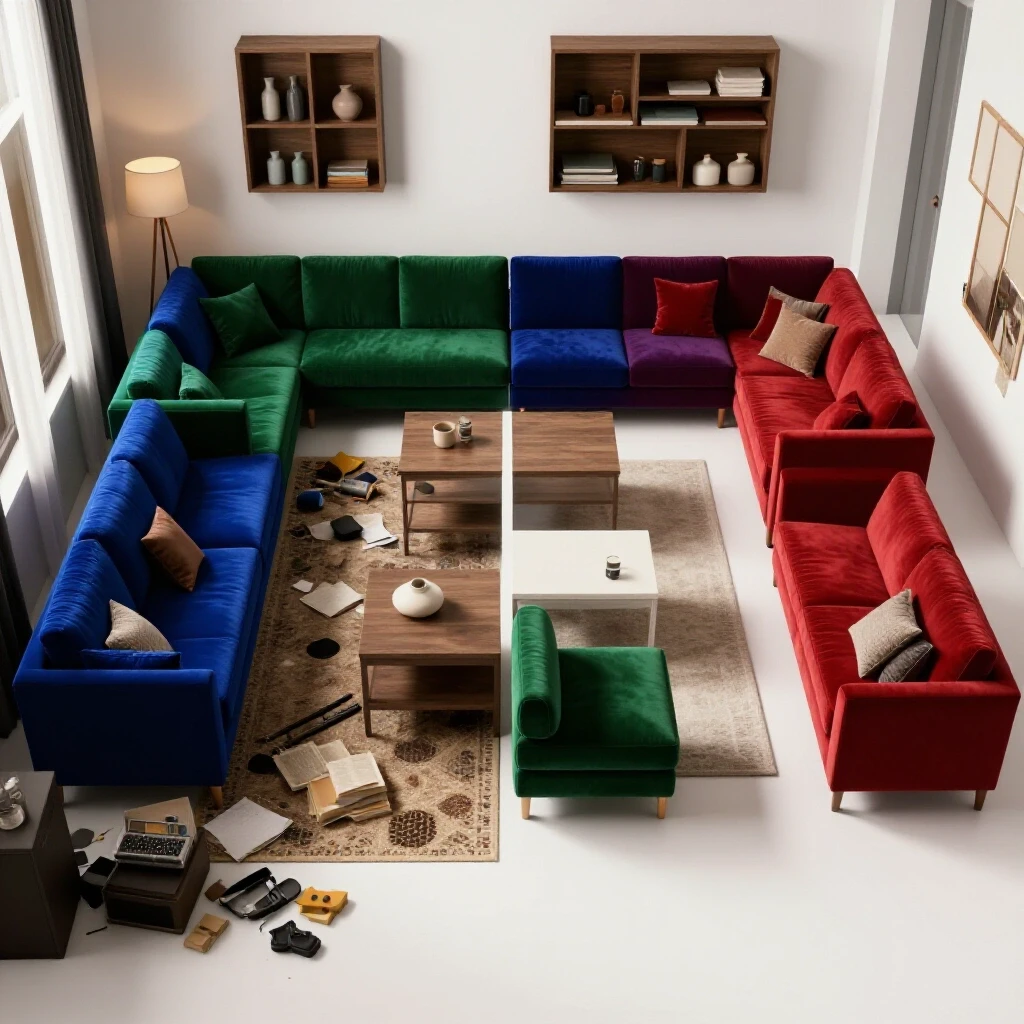
During a cross-country move, I had to fit a large sectional sofa into a room half the size of our previous one. It felt like trying to park a bus in a compact car stall. By evaluating the “visual weight” of the piece—how much of the floor and wall it covers—I decided to split the sectional into two smaller seating areas. This is a key part of any home moving checklist: assessing if your current items support or hinder the new flow.
Identifying High-Impact Layout Adjustments
A high-impact adjustment is a minor change to your furniture or room setup that significantly improves how you use the space. This might mean removing the legs from a tall cabinet to make it fit under a window or using a rug to define a “zone” in a multi-purpose room.
I often suggest looking for “dead zones”—corners or wall segments that serve no purpose. By placing a small chair or a narrow shelf there, you can create a reading nook or a charging station. These small room furniture layout fixes cost nothing but time and thought, yet they make a home feel custom-built for your needs.
- Remove bulky doors: If a swinging door hits your bed, consider removing it and using a tension rod with a heavy curtain.
- Vertical storage: Use the space above eye level for items you rarely use, keeping the floor clear for movement.
- Multi-functional pieces: An ottoman with storage can replace a bulky coffee table in tight quarters.
Strategies for Optimizing Awkward Floor Plans
Awkward floor plans are rooms with non-parallel walls, poorly placed closets, or “pass-through” layouts where every wall has a door. Adapting to these spaces requires a shift in how you view traditional room functions. You must prioritize “zoning” over standard furniture sets.
In one of our rentals, the living room was essentially a hallway between the kitchen and the bedrooms. We couldn’t put a sofa against the wall because it blocked the path. Instead, we floated the furniture in the middle of the room. This created a clear walking path behind the sofa while keeping the seating area intimate. This type of spatial layout adaptation is essential for transitional residents who may not have a choice in their home’s architecture.
Creating Functional Zones in Open Spaces
Functional zoning is the practice of dividing a single room into different “stations” based on activity, such as a work zone, a play zone, or a rest zone. This is particularly helpful for families who need to manage multiple needs in one area.
To do this effectively, use visual cues like area rugs or lighting. A rug under the dining table clearly separates it from the nearby living area, even without a wall. Interestingly, research in environmental psychology suggests that defined zones reduce stress because the brain recognizes the “purpose” of a space as soon as you enter it.
- Identify the primary activities for the room.
- Assign a specific corner or wall to each activity.
- Use “anchors” like a rug or a floor lamp to mark the boundaries.
- Ensure there is at least 30 inches of clear floor space between zones.
Low-Cost Environmental Tweaks for Immediate Comfort
Environmental tweaks are minor, DIY cosmetic and functional changes that improve the “feel” of a home without requiring a renovation. These include things like changing cabinet hardware, adding felt pads to furniture, or installing temporary lighting solutions.
When we moved into our current home, the kitchen felt dark and dated. Instead of a major project, we replaced the old, mismatched drawer pulls with a uniform set from a local hardware store. We also added battery-operated puck lights under the cabinets. These affordable home adaptations made the kitchen more usable and pleasant for less than $50.
Enhancing Livability with Simple DIY Fixes
Livability is a measure of how easily you can perform daily tasks in your home. If you have to fight with a sticky drawer or a dim light every day, your stress levels will rise. Addressing these minor annoyances is a vital part of a new home adjustment guide.
One of my favorite tricks is using “command” hooks and strips for everything. They allow you to hang mirrors, coats, and keys without damaging the walls of a rental or a new home. This keeps your surfaces clear and your essentials organized.
- Felt Pads: Put these on the bottom of every chair and table leg. It makes moving furniture easier and protects your floors.
- Contact Paper: Use it to refresh stained shelves or dated countertops in a non-permanent way.
- Lighting: Swap out “cool” blue bulbs for “warm” white bulbs to instantly make a room feel more inviting.
Establishing Daily Routines in a New Environment
A daily routine is a sequence of habits that help you manage your time and energy. When you move, your old routines are often “broken” because the physical environment that supported them has changed. Re-establishing these systems is the final step in a successful transition.
After our last move, I spent the first week just observing where we naturally dropped our mail, shoes, and bags. Instead of fighting the clutter, I placed a small table and a few baskets in those exact spots. This is “routine design”—shaping your home to fit your natural behavior rather than forcing yourself to fit the home.
Mapping Your Neighborhood and Building Community
Neighborhood community building is the process of connecting with the people and resources in your new area. It is just as important as unpacking your boxes, as it reduces the feeling of isolation that often follows a move.
I make it a rule to walk the neighborhood at the same time every evening for the first month. This helps me learn the local geography and meet neighbors who are also out. Building these small “social anchors” makes the new environment feel safe and familiar.
- Join local groups: Look for neighborhood associations or hobby groups on social media.
- Visit local shops: Frequent the same coffee shop or grocery store to become a “regular.”
- Introduce yourself: A simple “Hi, we just moved in” to your immediate neighbors goes a long way.
Practical Tools for Your Moving Journey
To manage the logistics of a move and the subsequent layout adjustments, you need organized systems. These tools help you track your progress and ensure nothing is forgotten during the high-stress transition period.
- Digital Floor Plan Apps: Tools like MagicPlan or Floorplanner allow you to scan your rooms and drop in virtual furniture.
- Box Inventory Log: Use a spreadsheet to list every box, its contents, and its “priority level” (e.g., Priority 1: Kitchen Essentials).
- Moving Kit: A dedicated bin containing tape, scissors, markers, felt pads, and basic tools.
- Neighborhood Map: A physical or digital map where you mark the nearest pharmacy, grocery store, and park.
Timeline for a Balanced Home Transition
A home doesn’t come together in a weekend. It takes time to understand how a space breathes and how your family moves through it. Following a structured timeline can prevent burnout and help you focus on the most important tasks first.
| Phase | Focus Area | Key Tasks |
|---|---|---|
| Week 1 | Survival & Flow | Unpack kitchen/beds; set up major walkways. |
| Week 2 | Storage & Order | Install shelving; organize closets; address “dead zones.” |
| Week 3 | Comfort & Light | Add lamps; hang curtains; fix minor cosmetic flaws. |
| Week 4 | Community & Routine | Host a small gathering; finalize daily “stations.” |
Conclusion: Taking the First Steps
Moving is an exhausting process, but it is also an opportunity to reset how you live. By focusing on spatial layout adaptation and practical, low-cost fixes, you can create a home that supports your family’s needs without the stress of a major renovation. Start by measuring your paths, tape out your furniture, and give yourself the grace to adjust as you go. Your home should evolve with you.
Frequently Asked Questions
How do I make a large sofa fit in a small living room without it feeling crowded?
The best approach is to pull the sofa away from the wall by at least 2 to 3 inches. This creates a “shadow line” that gives the illusion of more space. If the sofa is still too large, try to minimize other furniture in the room. Use wall-mounted shelves instead of floor-standing bookcases to keep the floor area clear.
What are the most important measurements to keep in mind when arranging a bedroom?
You should aim for at least 24 inches of space on either side of the bed to allow for easy movement and making the bed. If space is tight, consider pushing one side against a wall, but ensure you have at least 36 inches of clearance in front of any closets or dressers so the doors can open fully.
How can I fix a dark room without installing new light fixtures?
Use mirrors to reflect light from windows into the darker corners of the room. Additionally, swapping out dark, heavy curtains for light-colored, sheer fabrics can significantly increase the natural light. Placing a floor lamp in a corner and pointing it toward the ceiling can also help “bounce” light throughout the space.
What is the best way to handle “pass-through” rooms where everyone walks through the middle?
Create a “floating” layout. Instead of lining the walls with furniture, group your seating in the center of the room. This leaves a clear perimeter for people to walk through without interrupting the conversation or the TV view. Use a large area rug to anchor the central seating group.
How do I decide what furniture to get rid of before a move?
Use the “one-year rule” combined with a spatial audit. If you haven’t used the item in a year, or if its dimensions are more than 10% larger than the intended space in your new home, it is a candidate for selling or donating. Large, heavy armoires and oversized dining sets are the most common items that fail to fit into modern layouts.
How can I make my new neighborhood feel like home faster?
Establish a “third place”—a spot that isn’t home or work where you spend time. This could be a local park, a library, or a cafe. By visiting this place regularly, you begin to recognize faces and feel like a part of the local fabric. Also, try to complete one “neighborhood task” a week, like finding the best local bakery.
What are some cheap ways to improve old kitchen cabinets in a rental?
Clean them thoroughly and replace the hardware with something modern. If the shelves are marked or ugly, use a high-quality peel-and-stick liner. You can also remove the doors from one or two upper cabinets to create an “open shelving” look, which can make a small kitchen feel much larger and more airy.
How do I stop my furniture from sliding on new hardwood or laminate floors?
Inexpensive rubber-backed felt pads are the most effective solution. They provide grip to keep the furniture in place while also protecting the floor from scratches. For area rugs, always use a dedicated rug pad to prevent slipping, which is a major safety hazard in high-traffic areas.
What should be in my “Day One” box when moving into a new home?
Your Day One box should include basic tools (screwdriver, pliers), a utility knife, light bulbs, toilet paper, cleaning wipes, a shower curtain, and chargers for your devices. Having these items easily accessible prevents the frustration of digging through dozens of boxes just to find a roll of tape or a towel.
How can I create a home office in a room that doesn’t have a spare corner?
Look for “micro-spaces,” such as a wide hallway, the space under a staircase, or even a large closet (often called a “cloffice”). A narrow desk that is only 18 to 20 inches deep can fit in many spots without blocking traffic. Use vertical wall space for your monitors and files to keep the desk surface clear.
(This article was written by one of our staff writers, Kevin Thompson. Visit our Meet the Team page to learn more about the author and their expertise.)