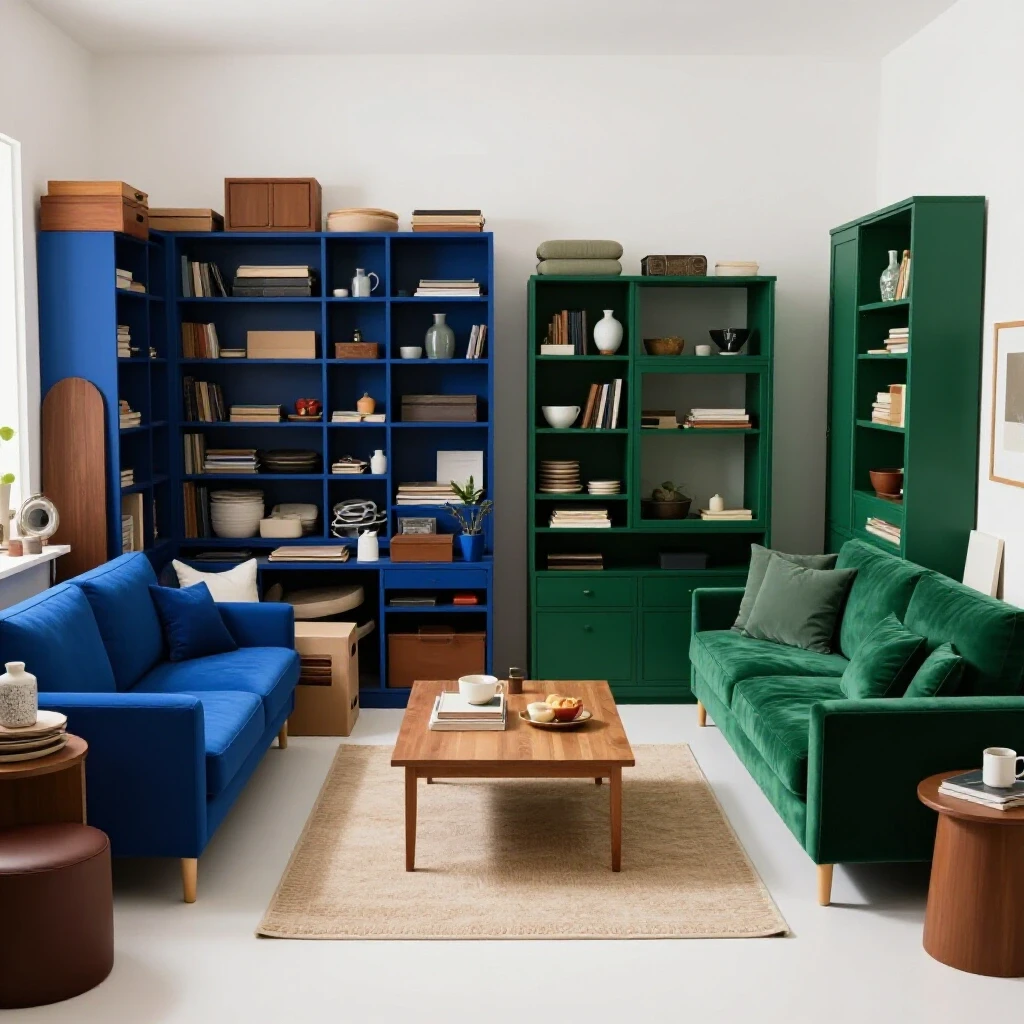
How to Adjust to Living in a Temporary Home (Practical Tips)

Trying to settle into a new home is a lot like breaking in a stiff pair of leather boots. At first, the fit feels tight, the edges rub in the wrong places, and every step requires a bit of extra effort. Over time, however, the material softens and begins to mold to the unique shape of your stride. A new living space works the same way; it rarely feels like a perfect fit on day one, but through intentional adjustments, it eventually becomes an extension of your daily life.
The Science of Spatial Layout Adaptation
Spatial layout adaptation is the process of modifying how you use a room to match the physical constraints and flow of a new environment. It involves analyzing how furniture, light, and movement interact within a specific footprint to support your lifestyle. This approach ensures that your home remains functional rather than just filled with objects.
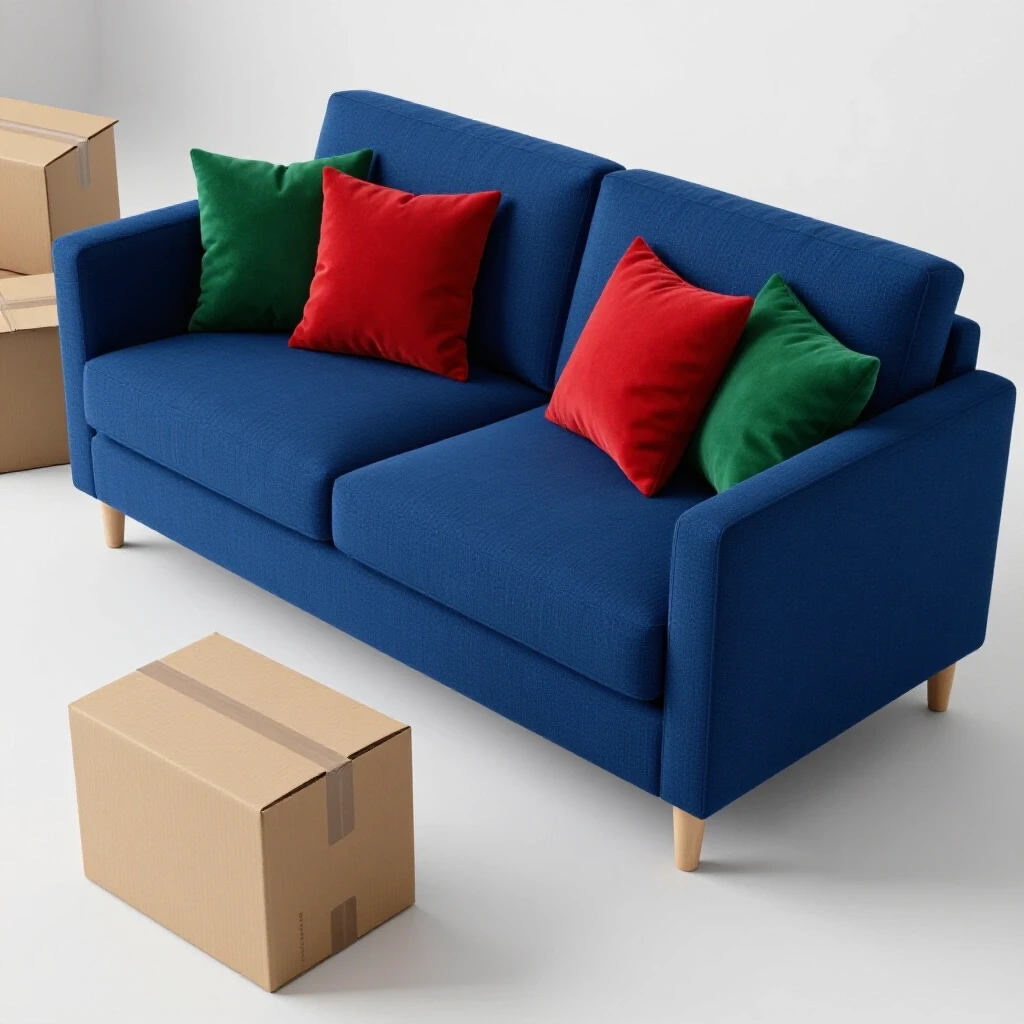
When I moved my family for the third time, I realized that our old habits didn’t fit our new walls. We had a large dining table that worked in our previous open-concept house, but in our new, narrower dining room, it blocked the path to the kitchen. This is where the “what” of spatial adaptation meets the “why.” You aren’t just moving furniture; you are re-engineering your environment to reduce daily friction. According to ergonomics research, a home that lacks clear circulation paths can increase cortisol levels because the physical environment feels chaotic and restrictive.
Analyzing the Floor Plan Before Unpacking
A floor plan analysis is a systematic review of a room’s dimensions, door swings, window placements, and electrical outlets. By mapping these elements before the heavy lifting begins, you can identify potential “clash points” where furniture might block a walkway or a light switch. This proactive step prevents the frustration of moving a heavy dresser multiple times.
Before you open a single box, you need to understand the structural scale of your new space. During our cross-country move to a smaller apartment, I used a simple tape measure to mark out our “must-have” items on the floor using painter’s tape. This allowed us to see that our king-sized bed would leave only 12 inches of clearance on one side. Standard ergonomics suggest a minimum of 30 to 36 inches for major walkways and 18 to 24 inches for minor paths. Seeing these constraints early helped us decide to downsize the bed frame before we were stuck with a room we couldn’t walk through.
Table 1: Spatial Blueprint Compatibility Matrix
| Furniture Item | Standard Dimension | Required Clearance | Common Adaptation Strategy |
|---|---|---|---|
| Queen Bed | 60″ x 80″ | 30″ on sides | Push one side against a wall in narrow rooms. |
| Dining Table (4-seat) | 36″ x 48″ | 36″ from walls | Use a drop-leaf table to save space when not in use. |
| Sofa (3-seater) | 84″ x 35″ | 18″ from coffee table | Position away from heaters or low windows. |
| Desk/Workspace | 48″ x 24″ | 30″ for chair pull-out | Utilize “dead zones” like under-stair nooks. |
| Bookshelf | 30″ x 12″ | 3″ from door swings | Anchor to walls for safety in high-traffic areas. |
Strategic Furniture Placement for Awkward Rooms
Strategic furniture placement is the art of arranging belongings in rooms with non-traditional shapes, such as L-shaped layouts or rooms with multiple entries. It focuses on balancing the “visual weight” of a room so that one side doesn’t feel overly crowded while the other stays empty. This technique helps create a sense of order in unconventional spaces.
Awkward rooms are a common challenge during any home transition planning phase. In our second home, we had a living room with five different doorways and a fireplace. It felt impossible to place a sofa without blocking a path. We learned to treat the furniture as “islands” rather than pushing everything against the walls. By placing the sofa in the center of the room, we created a clear circulation path behind it. This kept the traffic flow moving without interrupting the conversation area.
- Identify the Focal Point: Choose one feature, like a window or fireplace, and orient the main furniture toward it.
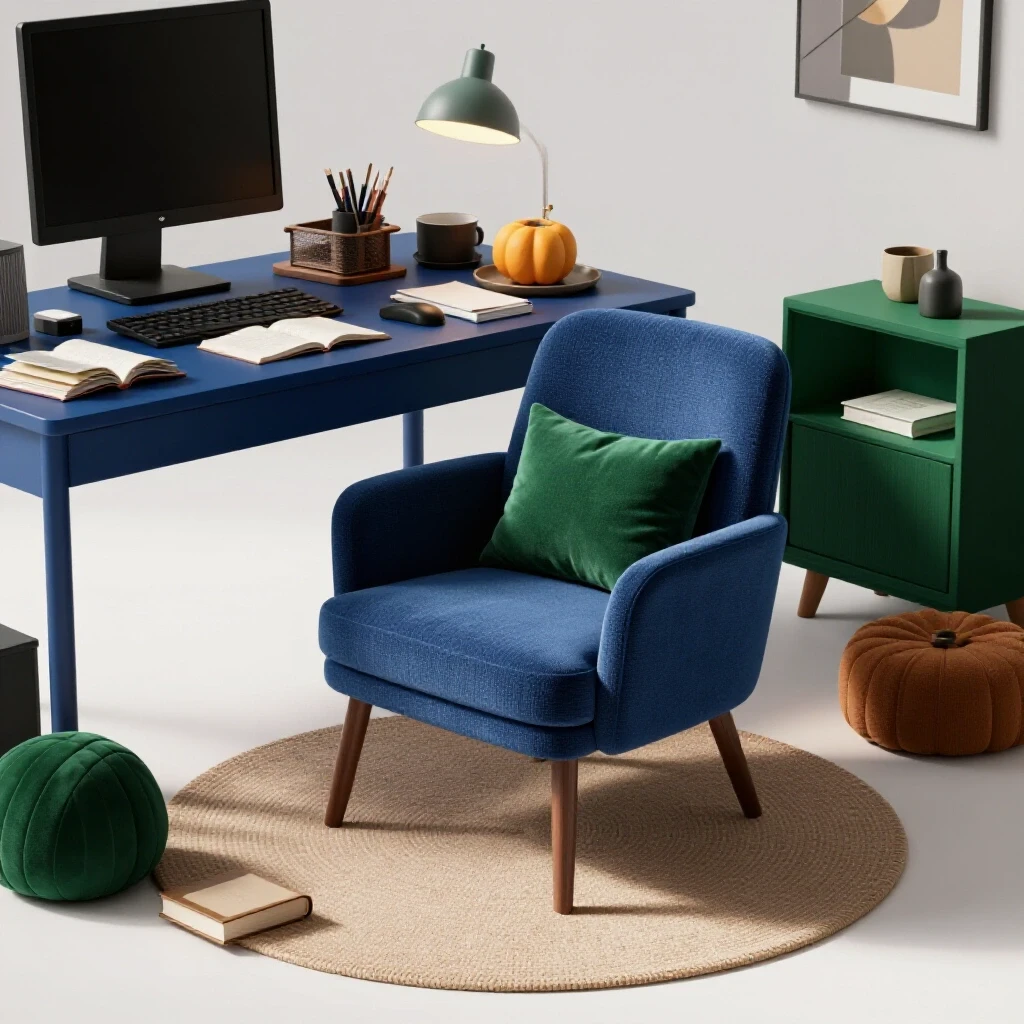
- Use Multi-functional Pieces: In small rooms, an ottoman with storage can serve as a coffee table, a seat, and a linen closet.
- Scale Down: If a room feels cramped, consider using furniture with exposed legs. Seeing more of the floor creates the illusion of more space.
- Vertical Thinking: When floor space is limited, use tall, narrow shelving to draw the eye upward and maximize storage volumes.
Creating Zones in Multi-Functional Areas
Zoning is the practice of dividing a single large or open room into distinct areas for different activities, such as working, eating, and relaxing. This is achieved through the use of rugs, lighting, or furniture placement to “signal” a change in the room’s purpose. Zoning helps maintain mental boundaries in a home where space is at a premium.
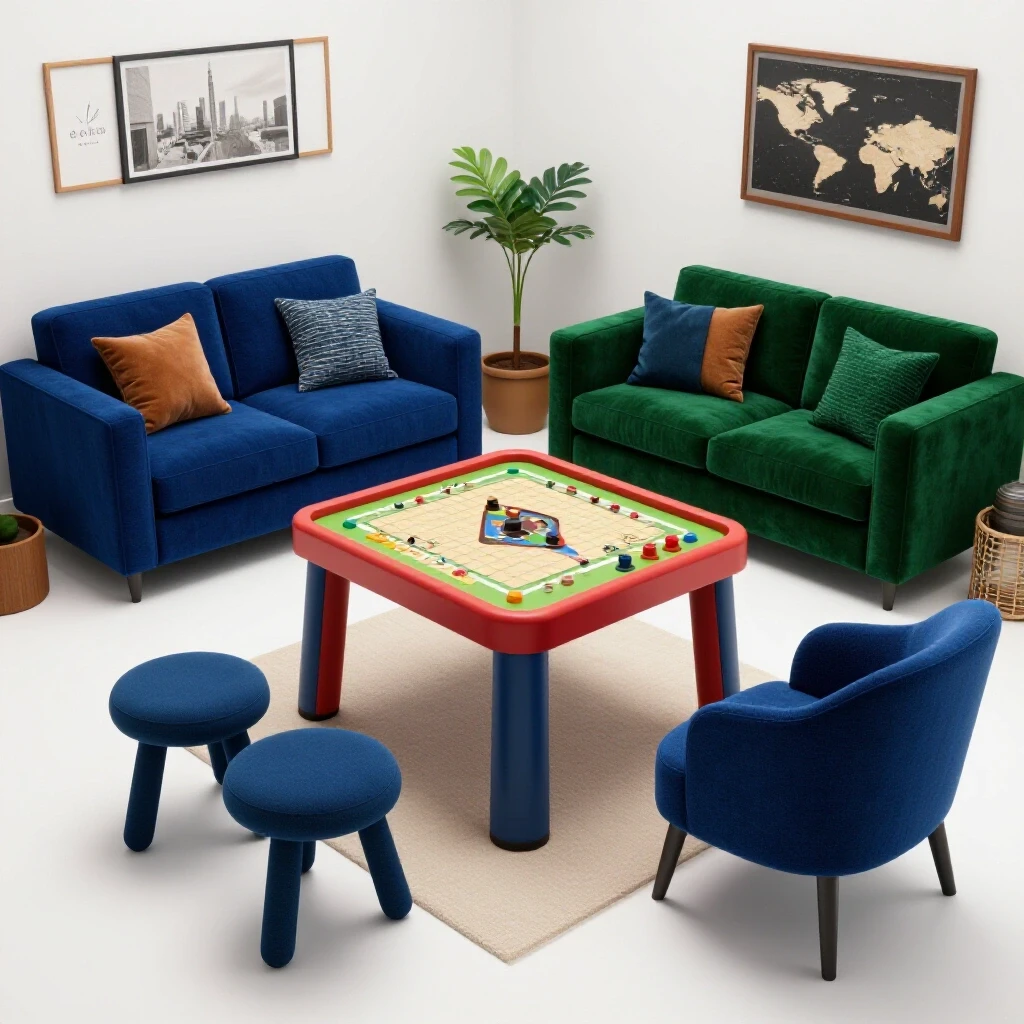
In our current home, the main living area has to serve as a playroom, an office, and a TV room. Without a clear new home adjustment guide for zoning, the space would quickly become a mess of toys and cables. We used a large area rug to define the “living room” zone and a tall bookshelf to act as a soft “wall” for the office area. This visual separation helps the brain switch gears between work and relaxation, which is vital for maintaining a comfortable daily routine.
Establishing Functional Daily Systems
Daily systems are the repeatable routines and physical setups that handle the “logistics of living,” such as where keys are kept or how mail is sorted. These systems are designed to automate the boring parts of life so you can focus on settling in. A well-designed system reduces the mental load of living in a new environment.
When you are in the middle of a home moving checklist, the small details often fall through the cracks. I’ve found that the first week in a new space is the best time to set up “landing strips.” A landing strip is a small table or shelf near the front door. We use ours to hold a bowl for keys, a basket for incoming mail, and a hook for bags. By establishing this spot immediately, we prevented the “where are my keys?” panic that usually adds to the stress of a move.
- Map Your Habits: Notice where you naturally drop your items when you walk in. Place a storage solution in that exact spot.
- The One-Touch Rule: Set up your kitchen and office so that items you use daily are reachable with one touch (no digging through boxes).
- Label Everything Early: Even if it’s temporary, labeling shelves or drawers helps everyone in the family find what they need without asking.
- Evening Reset: Spend 10 minutes every night putting items back in their designated zones to keep the new layout functional.
Optimizing Traffic Circulation and Clearance
Traffic circulation refers to the “invisible paths” people take to move from one room to another. Optimizing these paths involves ensuring that no furniture or decor obstructs these natural routes. Proper clearance margins are essential for preventing a home from feeling cramped or frustrating to navigate.
I remember a move where we placed a beautiful antique cabinet in a hallway. It looked great, but it left only 24 inches of walking space. Every time we carried laundry through that hall, we bumped our elbows. According to standard housing adaptation guidelines, a hallway should ideally be 36 inches wide. If you are working with a tighter space, aim for no less than 30 inches. Measuring these “spatial clearing margins” ensures that your home supports movement rather than hindering it.
Checklist: First-Month Spatial Adjustment Timeline
- Week 1: Focus on the “High-Frequency Zones.” Set up the beds, the kitchen basics, and the bathroom. Ensure all walkways have at least 30 inches of clearance.
- Week 2: Analyze the “Flow.” Watch how the family moves through the house. If everyone is tripping over a specific rug or chair, move it immediately.
- Week 3: Refine the “Utility Zones.” Optimize the laundry area, the entryway landing strip, and any workspace. Add lighting to dark corners.
- Week 4: Evaluate “Visual Weight.” Look at each room from the doorway. If one side feels “heavy” with furniture, try shifting pieces to balance the room.
Integrating into a New Neighborhood Community
Neighborhood integration is the social aspect of a move, involving the effort to learn the local layout and meet the people living around you. It moves the transition from “living in a house” to “belonging in a community.” This step is often the hardest but most rewarding part of any relocation.
After four moves, I’ve learned that a home isn’t just what’s inside the four walls. It’s also the three blocks surrounding it. To help my family adjust, I create a “Community Map.” We spend the first two weekends walking in different directions from our front door. We look for the nearest park, the best coffee shop, and the most convenient grocery store. This simple act of mapping our surroundings makes the unfamiliar feel familiar. It also provides opportunities for “low-stakes” social interactions with neighbors, which helps reduce the feeling of isolation that often follows a move.
Essential Tools for Layout Planning
Managing a move is significantly easier when you use modern tools to visualize the space. These resources allow you to experiment with different furniture configurations without actually lifting a heavy sofa.
- MagicPlan: An app that uses your phone’s camera to create floor plans. It’s perfect for getting quick measurements of awkward rooms.
- HomeByMe: A free online 3D planning tool that lets you drag and drop furniture into a virtual version of your new home.
- Floorplanner: A simple, web-based tool for creating 2D and 3D layouts, great for checking clearance margins.
- Trello or Notion: Use these for a digital home moving checklist. You can attach photos of your furniture and its dimensions to keep everything in one place.
- Painter’s Tape: The most low-tech but effective tool. Tape out the footprint of your furniture on the floor to see how much walking space remains.
Adapting to Short-Term Residences
Sometimes, a move involves a stay in a temporary or interim space. During these times, it is important to use reversible design choices that improve function without making permanent changes. This might mean using tension rods for curtains or removable adhesive hooks for organization. These small, non-permanent interventions make a temporary space feel like a home, providing stability during a time of transition.
We once spent six months in a rental that had almost no kitchen storage. Instead of buying permanent cabinets, we used a rolling kitchen cart. It provided extra counter space and storage for our most-used pots and pans. When we moved to our permanent home, the cart became a craft station for the kids. This kind of adaptable decor is key to surviving the “middle phase” of a relocation.
Final Steps for a Smooth Transition
The goal of spatial layout adaptation is to create a home that supports your life rather than complicates it. Start by auditing your space, measuring your furniture, and planning your traffic paths. Be patient with yourself and your family; it takes time to find the rhythm of a new house. By focusing on functional zoning and clear systems, you can turn a stressful move into a structured and successful transition.
FAQ: Navigating Your New Home Layout
How do I know if my furniture is too big for my new living room? Measure the room’s total square footage and ensure your furniture occupies no more than 60% of the floor space. If you have less than 30 inches of walking space between items, the furniture is likely too large for the room’s scale.
What is the “30-36 inch rule” in home layout? This rule refers to the recommended width for major walkways and circulation paths. Maintaining 30 to 36 inches of clearance ensures that people can walk comfortably through a room without having to turn sideways or squeeze past furniture.
How can I make an awkward, L-shaped room feel cohesive? Divide the room into two distinct “zones” based on activity. Use a rug to anchor the main seating area and a different lighting fixture or a small console table to define the second area, such as a dining nook or reading corner.
What should I prioritize during the first week of a move? Prioritize “The Essentials”: the sleeping area, the primary bathroom, and a functional kitchen station. Setting up these high-frequency zones first ensures that you can rest and eat properly while you tackle the rest of the house.
How do I handle a lack of storage in a temporary home? Look for “vertical opportunities.” Use over-the-door organizers, under-bed storage bins, and tall shelving units. These options maximize your storage volume without requiring permanent structural changes to the property.
What is a “landing strip” and why do I need one? A landing strip is a designated area near the entry of your home for daily essentials like keys, mail, and bags. It prevents clutter from spreading through the house and establishes an immediate routine for everyone entering the home.
How can I visualize a furniture layout before the moving truck arrives? Use a digital floor planner or a simple grid-paper sketch. Alternatively, ask for the room dimensions from the landlord or previous owner and use painter’s tape on the floor of your current home to simulate the new room’s size.
Why is “visual weight” important in room design? Visual weight refers to how “heavy” an object looks in a space. A room feels balanced when the visual weight is distributed evenly. For example, if you have a large, dark sofa on one side, you might need a bookshelf or a large piece of art on the opposite wall to balance the room.
How do I meet neighbors without feeling awkward? Start with “low-stakes” interactions. Spend time in your front yard, take regular walks at the same time each day, or visit the local park. These consistent appearances make you a familiar face and invite natural conversations.
What are the best reversible fixes for a rental or interim home? Use command hooks for art, tension rods for window treatments, and “peel-and-stick” battery-operated lights for dark closets. These tools allow you to customize your space without leaving marks or making permanent alterations.
(This article was written by one of our staff writers, Kevin Thompson. Visit our Meet the Team page to learn more about the author and their expertise.)