How to Move With a Growing Family: Space Planning Guide (Checklist)

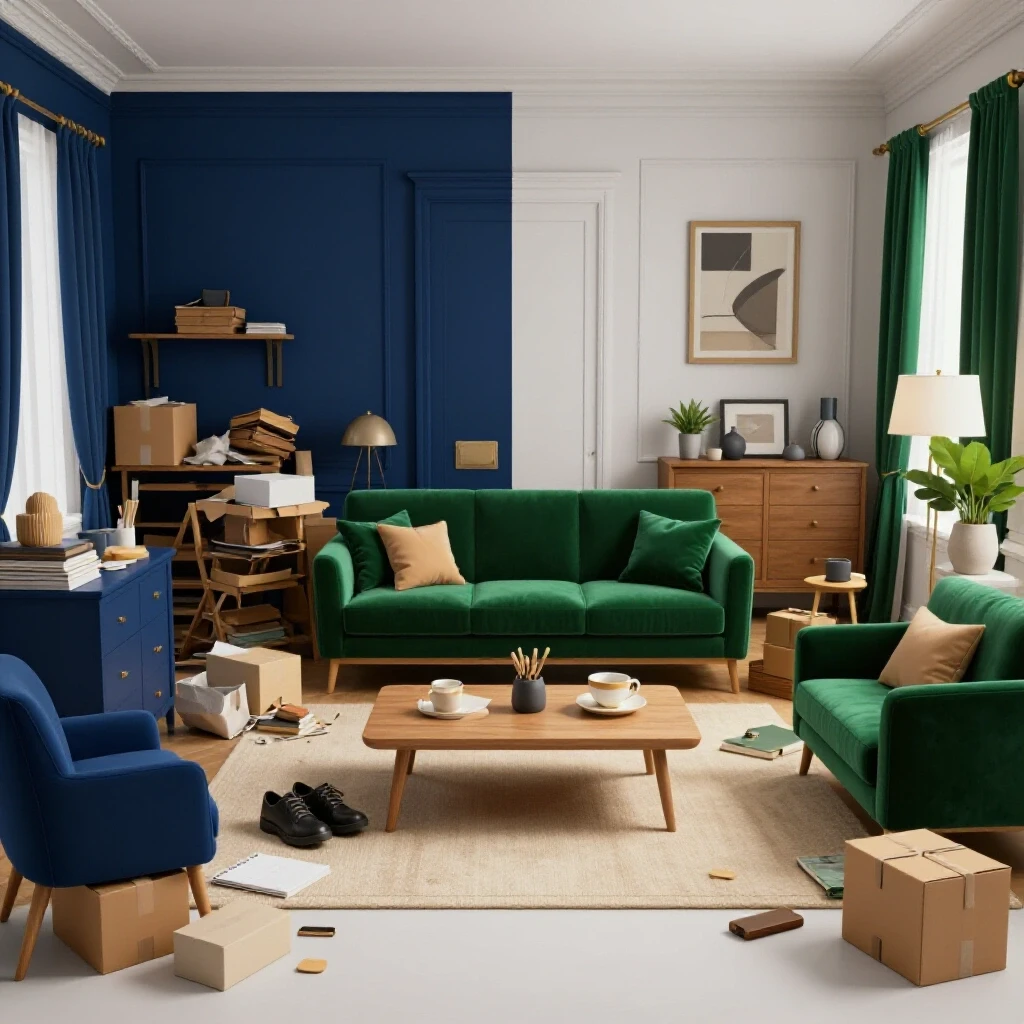
Walking into a new home for the first time with a stack of boxes and a tired toddler is a specific kind of chaos. I remember standing in our third home, a narrow 1920s colonial, clutching a tape measure and realizing my favorite oversized velvet sofa was about four inches too wide for the only logical wall in the living room. It was a classic “square peg, round hole” moment that many of us face when our household size or needs shift. After nineteen years and four major relocations, I have learned that the success of a move isn’t found in the packing tape, but in how quickly you can adapt your physical environment to support your family’s daily rhythm.
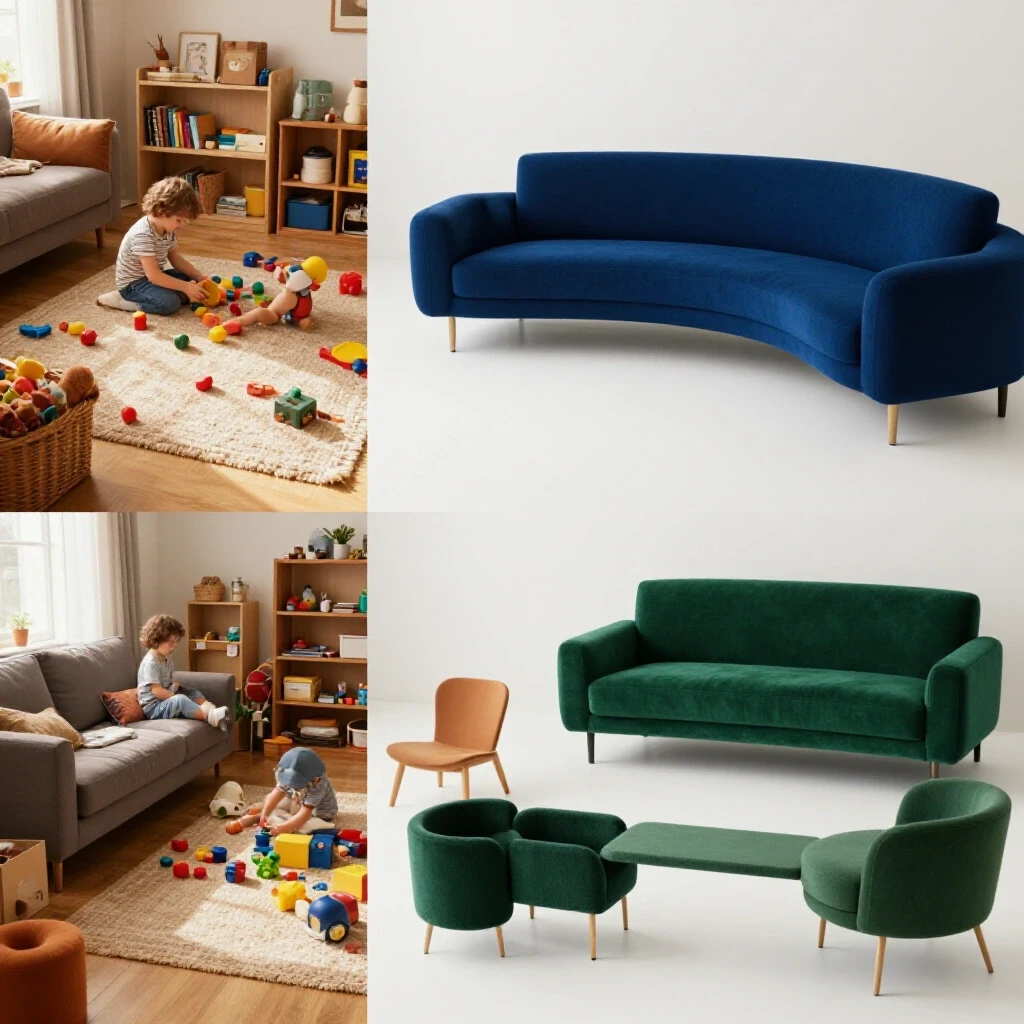
The challenge of transitioning into a new space often stems from a disconnect between our old habits and a new floor plan. We try to force our previous lifestyle into a footprint that doesn’t support it. This leads to “spatial friction,” where you are constantly bumping into furniture or struggling to find a place for the vacuum cleaner. My goal is to help you navigate these shifts by focusing on spatial layout adaptation and functional zoning. By looking at your home as a series of work zones and rest areas rather than just rooms, you can create a layout that grows with you.
Auditing Your Footprint Before the First Box Opens
Spatial layout auditing is the systematic evaluation of a new home’s dimensions and architectural features to determine how existing furniture and daily activities will fit. It involves looking past the paint colors to understand the “bones” of the house and how traffic will move through each room.
In my experience, the biggest mistake is assuming a room’s intended purpose is its only purpose. When we moved into a home with a small, awkward “sunroom” off the kitchen, I initially tried to make it a seating area. It failed because it was too cramped. By auditing the footprint, I realized it was actually the perfect size for a dedicated homework and craft station. This shift reduced the clutter on our kitchen table and created a better flow for our growing family’s afternoon routine.
Before you start dragging heavy dressers across hardwood floors, you need to understand your circulation paths. These are the “invisible hallways” where people walk. A standard hallway should be 36 inches wide, but in a busy household, you can sometimes get away with 30 inches in low-traffic areas. Mapping these out prevents the frustration of a beautiful layout that is impossible to walk through.
Spatial Blueprint Compatibility Matrix
| Room Type | Primary Challenge | Layout Strategy | Furniture Adaptation |
|---|---|---|---|
| Narrow Living Room | “Bowling alley” feel | Create two distinct zones | Use low-profile seating to maintain sightlines |
| Open Concept | Lack of definition | Use area rugs to “anchor” zones | Float the sofa to create a physical border |
| Small Bedroom | Limited floor space | Utilize vertical storage | Swap bedside tables for wall-mounted shelves |
| L-Shaped Space | Awkward corners | Assign the “nook” a specific task | Place a desk or reading chair in the smaller leg |
Mapping Furniture to New Scales and Proportions
Furniture-to-scale mapping is the process of comparing the physical volume and dimensions of your current belongings to the square footage and ceiling height of your new residence. It ensures that the “visual weight” of your items does not overwhelm or disappear within a room.
When we moved from a high-ceilinged loft to a traditional suburban home, our tall bookshelves suddenly felt like they were swallowing the rooms. We had to rethink our home transition planning by focusing on horizontal lines rather than vertical ones. If you are moving into a space with lower ceilings, consider using legs on your furniture to create a sense of “air” underneath, which makes the room feel larger.
Conversely, if you are moving into a larger home, your old furniture might look like dollhouse pieces. You don’t necessarily need to buy all new items. You can “bulk up” smaller pieces by grouping them. For example, two small armchairs with a shared side table can occupy the same visual space as a large loveseat.
Furniture Clearance Guidelines by Room Footprint
- Dining Room: Allow 36 inches between the table edge and the wall or other furniture to allow chairs to pull out comfortably.
- Living Room: Keep 12 to 18 inches between the sofa and the coffee table for easy reach without blocking legroom.
- Bedroom: Ensure at least 24 inches of walking space around the perimeter of the bed.
- Entryway: Maintain a clear 42-inch landing zone near the front door for multiple people to enter and remove shoes simultaneously.
Solving the Puzzle of Awkward Floor Plans
Awkward floor plan optimization involves using creative furniture placement and DIY modifications to turn architectural “flaws”—like oddly placed windows, radiators, or slanted walls—into functional assets. This requires a shift from traditional decorating to functional problem-solving.
I once lived in a house where the primary bedroom had a massive radiator right where the headboard should go. Instead of fighting it, we built a shallow “floating” shelf over the radiator (with proper heat clearance) that acted as a long nightstand. This small room furniture layout trick saved us from having to use bulky tables that would have blocked the closet door.
When dealing with L-shaped rooms, the trick is to treat the two sections as different “rooms” without walls. Use a consistent color palette to keep them feeling unified, but use different lighting—like a floor lamp in one and a pendant in the other—to signal the change in function. This is essential for home moving checklist items because it helps you decide which boxes go to which “sub-zone” during the first week.
Establishing Functional Systems for Daily Living
Functional zoning is the practice of organizing your home into specific areas based on the activities that happen there, such as a “launchpad” for morning exits or a “quiet zone” for evening reading. This helps establish a new home adjustment guide that focuses on routine rather than just aesthetics.
As our family grew, our “entryway friction” increased. Everyone was tripping over shoes and bags. I realized our new home didn’t have a mudroom, so we had to “invent” one. We used a 48-inch wide section of the hallway to install heavy-duty hooks and a low bench with shoe cubbies. By defining this zone, the rest of the house stayed significantly cleaner and the morning rush became less stressful.
First-Month Spatial Adjustment Timeline
- Week 1: The Essentials Phase. Focus on sleep and nutrition zones. Set up beds and the kitchen fully. Don’t worry about wall art or “perfect” placement yet.
- Week 2: The Flow Test. Observe where piles of mail or shoes naturally accumulate. This is where you need to add storage or a “drop zone” system.
- Week 3: The Zone Refinement. Adjust furniture that feels “off.” If you find yourself walking around a chair every time you go to the kitchen, move it.
- Week 4: The Aesthetic Layer. Once the layout supports your movement, start hanging pictures and adding the decorative touches that make it feel like home.
Why Blind Furniture Placement Fails
Many families experience high stress because they try to “set it and forget it” on move-in day. They place the sofa where the previous owners had theirs, even if their lifestyle is completely different. This is why a spatial layout adaptation strategy is so important. You need to “live” in the space for a few days before committing to heavy furniture positions.
I recommend using painters’ tape to outline furniture dimensions on the floor. This allows you to see the footprint without moving a single heavy item. When we were planning our most recent living room, I taped out the rug and the sectional. I realized that my planned layout would have blocked the path to the sliding glass door. Seeing the tape on the floor saved me hours of back-breaking labor and a lot of frustration.
Tools for Visualizing Your New Interior
In the modern era, we have access to incredible resources that make home transition planning much more scientific. You don’t need to be an architect to use basic design software. These tools allow you to “fail fast” digitally so you can succeed physically.
- MagicPlan: This app uses your phone’s camera to measure rooms and create a 2D or 3D floor plan instantly. It is excellent for checking if a room can handle a king-sized bed.
- Floorplanner: A web-based tool that is very user-friendly for dragging and dropping furniture into a room to see how the scale looks.
- HomeByMe: Great for 3D visualization, helping you see if a tall cabinet will block the light from a window.
- Graph Paper and Cut-outs: Never underestimate the power of 1/4-inch scale drawings. It’s a tactile way to involve the whole family in the “spatial puzzle.”
Managing the Shift in Household Routines
When you move, your old “autopilot” routines break. You no longer know exactly where the light switch is or which drawer holds the spoons. This mental load is a major source of stress. To combat this, I suggest “over-organizing” the functional zones during the first month.
Label the inside of cabinets. It sounds extreme, but for a family of four, knowing exactly where the “lunch box station” is can prevent twenty questions every morning. Use clear bins for storage so everyone can see the contents. These small systems act as a bridge while your brain builds new “maps” of the home.
- Kitchen Zone: Keep coffee and mugs near the water source.
- Laundry Zone: Ensure there is a 24-inch flat surface for folding near the dryer.
- Workspace Zone: Position desks perpendicular to windows to reduce screen glare.
Adapting to Multi-functional Spaces
In many modern homes, rooms have to do double duty. A guest room might also be an office, or a dining room might serve as a playroom during the day. The key to successful multi-functionality is “stowability.”
We used a large ottoman with internal storage in our living room to hold all the kids’ toys. At 5:00 PM, the toys go in, the lid goes on, and the room transitions from a playroom back to an adult relaxation space. This visual “reset” is vital for maintaining a sense of calm in a busy household.
Spatial Storage Volume Checklist
- Vertical Space: Are you using the area above the door frames for seasonal items?
- Under-Furniture: Do your bed frames or sofas have at least 6 inches of clearance for storage bins?
- Corner Dead Zones: Can a corner shelf or a “Lazy Susan” style unit reclaim lost space in deep cabinets?
- Door Backs: Have you utilized over-the-door organizers for shoes, cleaning supplies, or pantry items?
Final Steps for a Grounded Transition
As you settle in, remember that a home is a living thing. It should evolve as your family grows. What worked when your child was a toddler won’t work when they are a teenager. My nineteenth year of moving taught me that the most comfortable homes aren’t the ones that look like a magazine, but the ones that have been thoughtfully adjusted to fit the people living inside them.
Take the time to measure, tape, and test. Don’t be afraid to move the sofa three times in the first month. Each adjustment is a step toward a layout that truly supports your daily life. The stress of the move will fade, but a well-planned layout will provide comfort for years to come.
FAQ: Navigating Your New Layout
What is the first room I should prioritize for layout optimization? Focus on the kitchen and the primary bedroom first. The kitchen is the “engine” of the home; if it functions well, the rest of the day follows suit. The bedroom is your “recovery” zone; having a functional, clutter-free space to sleep is essential for managing the stress of a move.
How do I know if my furniture is too big for the new room? Use the “two-thirds rule.” Your main furniture piece (like a sofa or bed) should ideally take up about two-thirds of the wall it sits against. If it touches both corners, the room will feel cramped. Also, ensure you have at least 30 inches of walking clearance around the piece.
What should I do if my old area rugs are the wrong size? If a rug is too small, you can “layer” it over a larger, inexpensive jute or sisal rug. This anchors the furniture properly while allowing you to keep the rug you love. A rug that is too small for a room often makes the whole space feel disjointed.
How can I create a “mudroom” if my house doesn’t have one? Look for a 4-foot stretch of wall near your primary entrance. Install a row of sturdy hooks at two different heights (one for adults, one for kids) and place a narrow bench or a row of baskets underneath. This defines the zone without needing a separate room.
How do I manage “traffic jams” in a narrow kitchen? Identify the “work triangle” (sink, stove, fridge). Ensure no large items like trash cans or pet bowls are placed in the paths between these three points. If the kitchen is a galley style, try to keep one side of the counter completely clear of appliances to maximize prep space.
Is it worth it to buy new furniture right away? I usually recommend waiting at least 60 days. This gives you time to see how the light hits the rooms and how you actually move through the space. You might find that the “perfect” chair you wanted would actually block a natural walking path.
How do I make a dark room feel more open without major renovations? Focus on the “visual weight” of your furniture. Choose pieces with legs (so you can see the floor underneath) and use mirrors opposite windows to bounce light. Avoid heavy, dark-wood pieces in rooms with limited natural light.
What is the best way to organize a shared kids’ room? Use “symmetrical zoning.” Give each child their own clearly defined territory with identical storage units or rugs. This reduces friction and gives each child a sense of ownership over their part of the shared layout.
How do I handle an “open concept” space that feels too loud or chaotic? Use furniture as “soft walls.” A bookshelf or a sofa table can act as a divider between the dining and living areas. Adding soft materials like floor-to-ceiling curtains and large area rugs will also help absorb sound in large, open rooms.
What is a “landing zone” and why do I need one? A landing zone is a small surface (like a console table or a shelf) near the entry where you can place keys, mail, and phones. Having a designated spot for these high-frequency items prevents them from scattering across the kitchen counters and creating “visual clutter.”
(This article was written by one of our staff writers, Kevin Thompson. Visit our Meet the Team page to learn more about the author and their expertise.)