How to Make a Guest Room More Useful (Easy Setup Ideas)

Focusing on affordability is the cornerstone of a successful move. I have navigated four major relocations over the past 19 years, and each time, the most significant hurdle was not the distance traveled, but the puzzle of the new floor plan. When you are moving into a new space, there is often one room that feels like a question mark. It is usually the secondary bedroom or the “spare” room. In my experience, if you do not have a plan for this space within the first 30 days, it quickly becomes a graveyard for half-empty boxes and items you are too tired to sort.
During my third move, which took my family across the country, I realized that we could no longer afford to let square footage go to waste. We were downsizing slightly, and every inch had to earn its keep. I had to stop thinking about that extra room as a “guest room” and start viewing it as a high-utility zone. By using a home moving checklist that prioritized spatial layout adaptation, we transformed a cramped, awkward room into a space that supported our daily hobbies while still welcoming occasional visitors.
The Foundation of Spatial Logistics and Floor Plan Analysis
Spatial logistics involves the systematic measurement of your new home’s physical dimensions against your current furniture inventory. This process identifies potential “fit” issues before you ever load a moving truck, allowing you to make informed decisions about what to keep, sell, or modify for your new environment.
When I begin a spatial audit, I look at the room as a series of zones. Most people make the mistake of centering a bed in a spare room, which immediately kills the room’s versatility. Instead, I measure the “circulation paths”—the areas where you need to walk. For a comfortable flow, you should aim for 30–36 inch hallways or walking paths. If your guest bed leaves only 12 inches of space against a wall, that layout is going to cause daily frustration.
- Measure every wall segment, including the space between door frames and corners.
- Note the height of windows to ensure desks or headboards do not block natural light.
- Identify the location of power outlets to avoid running hazardous extension cords across the floor.
- Calculate the total square footage to determine the “visual weight” the room can handle.
Why Blind Furniture Placement Fails and How to Draft a Blueprint
Blind furniture placement occurs when a mover ignores the specific scale of a new room and attempts to replicate a previous home’s layout. This often results in blocked vents, inaccessible closets, and a room that feels “stuffed” rather than “settled,” leading to increased relocation stress and poor functionality.
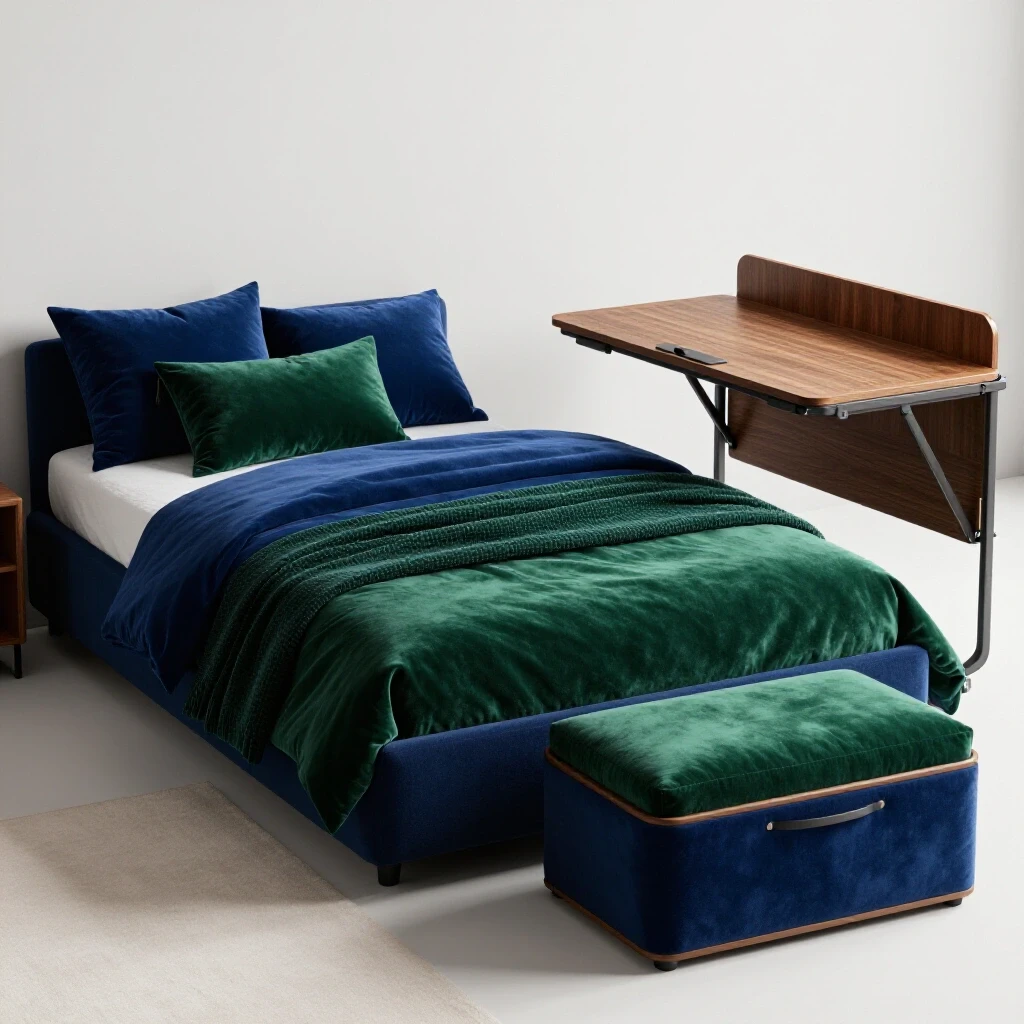
In my 19 years of move-mapping, I have found that a Spatial Blueprint Compatibility Matrix is the best tool to avoid this. I list every piece of furniture and its dimensions, then compare it to the new room’s footprint. For our most recent spare room, we realized our old queen-sized guest bed was too large for the new 10×10 foot space. By switching to a high-quality daybed with a trundle, we reclaimed nearly 20 square feet of floor space for daily use.
Spatial Blueprint Compatibility Matrix
| Furniture Item | Dimensions (Inches) | Footprint (Sq. Ft.) | Clearance Needed | Primary Function |
|---|---|---|---|---|
| Twin Daybed | 75 x 39 | 20.3 | 30″ in front | Sleep/Seating |
| Folding Desk | 40 x 20 | 5.5 | 36″ for chair | Work/Crafting |
| Narrow Bookshelf | 24 x 12 | 2.0 | 24″ in front | Storage |
| Storage Ottoman | 18 x 18 | 2.2 | 0″ (Flexible) | Seating/Linens |
Mapping Furniture to New Scales and Small Room Layouts
Mapping furniture to a new scale requires a shift in perspective from how a piece looked in a large room to how it functions in a smaller one. This involves analyzing the vertical and horizontal volume of a room to ensure that furniture proportions do not overwhelm the available living area.
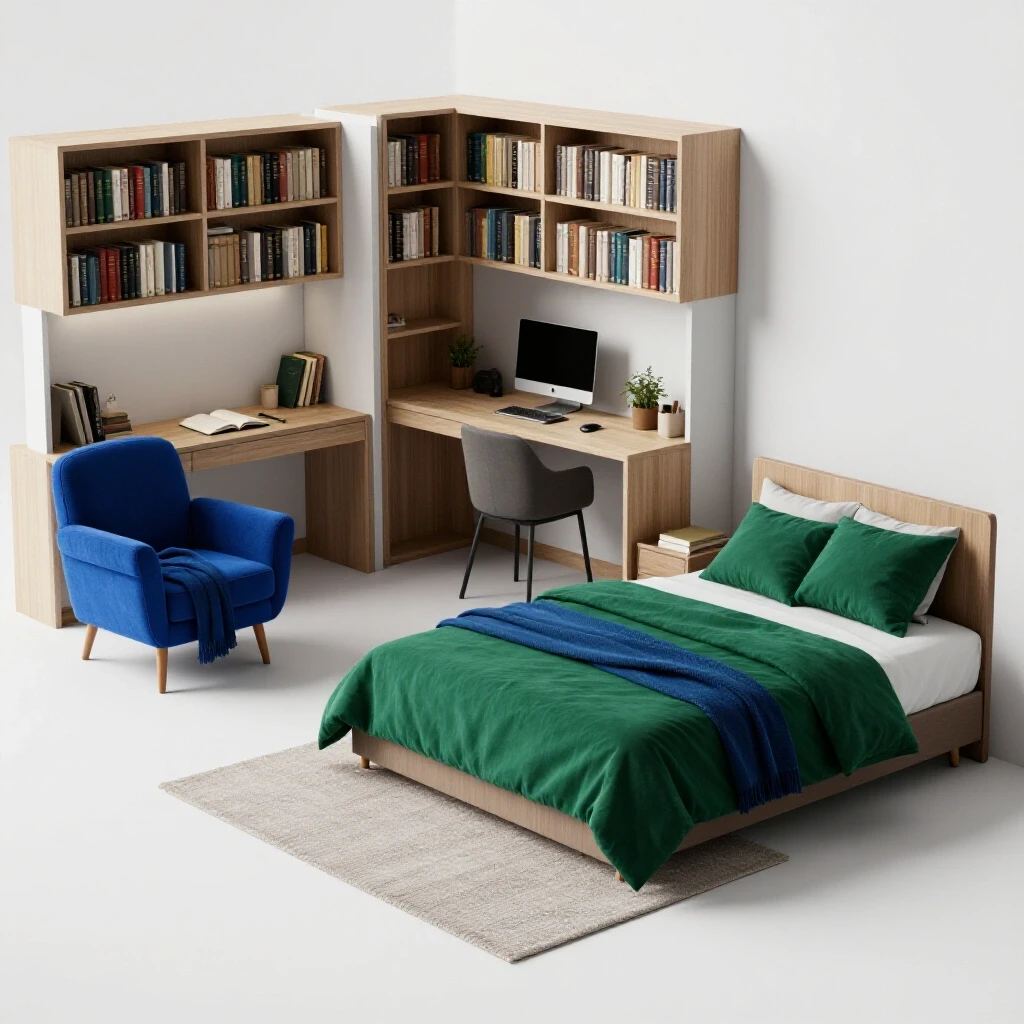
When dealing with a small room furniture layout, I always prioritize the “anchor” piece. In a multifunctional space, this is often a desk or a hobby table rather than the bed. By placing the largest item against the longest wall, you create a sense of order. Interestingly, housing adaptation research suggests that keeping the center of a small room clear makes the space feel larger and more inviting. We achieved this by using wall-mounted shelving for books and supplies, which kept the floor footprint minimal.
- Keep furniture height below eye level where possible to maintain a sense of openness.
- Use furniture with “legs” rather than solid bases to allow light to pass underneath.
- Ensure a 36-inch clearance in front of closets and 24 inches for dresser drawers.
- Limit the room to three primary “zones” (e.g., sleep, work, and storage).
Step-by-Step Unpacking Plans for Functional Spare Rooms
A step-by-step unpacking plan prevents the “box-room syndrome” by establishing a clear timeline for when items enter the space. By prioritizing essential furniture first and decorative items last, you can maintain a functional environment even while the rest of the home is in transition.
My first-month spatial adjustment timeline is a strict guide I follow. During week one, I only move in the primary furniture. I do not open a single box of “extras” until the bed and desk are positioned and the walking paths are tested. This allows us to adjust the layout before the room becomes cluttered. If a desk feels awkward after three days of use, it is much easier to move it when it isn’t covered in lamps and stationery.
- Day 1-2: Assemble and position large furniture (bed, desk, shelving).
- Day 3-7: Test the flow. Walk through the room as you would during a normal day.
- Week 2: Unpack “Internal Systems” (closet organizers, drawer dividers).
- Week 3: Integrate hobby materials or work supplies into the new storage.
- Week 4: Add lighting and soft goods (rugs, curtains) once the layout is finalized.
Optimizing Awkward Spaces and Structural Layout Adaptations
Optimizing awkward spaces involves identifying underutilized areas, such as alcoves or corners under sloped ceilings, and assigning them specific tasks. This technique maximizes the utility of “dead space” without requiring expensive or permanent structural changes to the home’s architecture.
In one of my previous homes, the spare room had a very low, sloped ceiling on one side. It was useless for a bed or a standing desk. Instead of leaving it empty, I adapted it into a “low-profile” storage zone. We used rolling bins that fit perfectly under the eaves to store guest linens and seasonal clothing. This kept the taller walls free for a workspace. This kind of home transition planning ensures that the room’s quirks work for you rather than against you.
- Visual Weight Shifts: Place heavier pieces (like a dark wood dresser) near the door so they don’t dominate the room’s focal point.
- Corner Utilization: Use L-shaped desks or corner shelving to reclaim space that usually goes to waste.
- Vertical Storage: Install floating shelves (using removable adhesives if renting) to move storage off the floor.
- Reflective Surfaces: Use mirrors to bounce light into dark corners, making a cramped layout feel more breathable.
Setting Up Room Systems and Daily Routine Designs
Room systems are the organizational frameworks that allow a space to transition between different uses seamlessly. Designing routines around these systems ensures that the room remains tidy and functional, preventing the friction that often occurs when a space tries to do too much at once.
For our setup, the “system” was a 10-minute reset. Because the room served as a workspace and a guest room, we needed a way to clear the desk quickly. We used a “project tray” system. All current work or craft items stayed on a large tray. When a guest arrived, the tray was simply placed on a high shelf, and the folding desk was cleared. This reduced the stress of hosting because the room was always “guest-ready” in minutes.
- Zone 1: The Sleep System. A daybed with built-in drawers for guest pillows and blankets.
- Zone 2: The Work System. A compact desk with a cable management box to hide unsightly wires.
- Zone 3: The Utility System. A dedicated corner for a laundry hamper or a small vacuum, keeping cleaning tools accessible but hidden.
Adjusting Routines and Building Neighborhood Community
Adjusting routines in a new home involves more than just interior layout; it requires integrating your household into the broader neighborhood environment. This process helps reduce the feeling of isolation that often accompanies a move, turning an unfamiliar house into a true home.
While you are busy arranging furniture, do not forget to map your new surroundings. I make it a point to find the nearest hardware store, grocery store, and park within the first 48 hours. This “community mapping” is part of a comprehensive new home adjustment guide. In our last move, I used the spare room as a staging area for “introduction kits”—small notes and treats for the neighbors. Having a dedicated spot to manage these social logistics made the transition feel much more intentional.
- Locate Essentials: Find your “third places” (cafes, libraries) to escape the boxes.
- Introduce Yourself: Aim to meet three neighbors within the first week.
- Establish a “Landing Strip”: Create a spot near the entry for keys, mail, and neighborhood flyers.
- Join Local Groups: Use digital tools to find community gardens or neighborhood watch programs.
Tools and Resources for Effective Layout Planning
Modern technology has made it much easier to visualize a space before you ever pick up a heavy dresser. I recommend using a combination of digital and physical tools to manage your move and room setup.
- MagicPlan or Floorplan Creator: These apps allow you to scan a room with your phone camera to create an instant 2D or 3D model.
- Trello or Notion: Use these for a digital box inventory packing log, so you know exactly which box contains the guest sheets.
- Blue Painter’s Tape: This is my favorite “analog” tool. Tape out the footprint of your furniture on the floor of the new room to see how much walking space remains.
- Graph Paper and Cutouts: A classic method for those who prefer a tactile approach to spatial layout adaptation.
Actionable Metrics for Room Functionality
To ensure your secondary room remains useful, follow these specific measurements based on ergonomics and housing studies:
- Standard Clearance: 30 inches between the bed and any wall or furniture.
- Desk Depth: 20–24 inches for a laptop-based workspace; 30 inches for monitors.
- Rug Sizing: Ensure at least two legs of every major furniture piece sit on the rug to “anchor” the zone.
- Weight Tolerance: Limit moving boxes to 30 lbs for books and 50 lbs for general items to prevent injury and floor damage.
- Lighting: Aim for three light sources (overhead, task, and ambient) to make a small room feel layered and comfortable.
Moving is a high-stress event, but it is also an opportunity to redefine how you live. By approaching your spare room with a focus on multifunctional utility and spatial discipline, you can create a space that supports your daily life while remaining flexible for the future. The key is to be patient with the process. It often takes three to six months to truly “feel” how a room should function. Start with the basics, prioritize movement and flow, and let the room evolve with your family’s needs.
Frequently Asked Questions
How do I decide which furniture to keep when downsizing? Compare the square footage of your current room to the new one. If your furniture consumes more than 40% of the total floor area, the room will likely feel cramped. Prioritize multi-functional pieces, like a storage ottoman or a drop-leaf desk, which offer more utility per square inch.
What is the best way to handle an awkwardly shaped room? Use “zoning.” Instead of trying to make one large layout work, divide the room into smaller functional areas. Use rugs to define these zones. For example, a small rug under a desk creates a “work zone,” while the bed area remains the “rest zone.”
How can I make a guest room useful when I don’t have visitors often? Focus on your daily needs first. If you enjoy crafting or need a home office, set the room up for that. Use a daybed or a high-quality air mattress for guests so that the bed doesn’t take up permanent space when it isn’t needed.
What are the most common mistakes in a small room layout? The biggest mistake is pushing all the furniture against the walls, which can actually make a room feel smaller. Another error is using a rug that is too small, which “chops up” the floor space visually. Finally, ignoring vertical space leads to unnecessary floor clutter.
How do I manage moving logistics without getting overwhelmed? Break the move into phases: Decluttering, Packing, Moving, and Unpacking. Use a detailed box inventory and color-code boxes by room. Focus only on one room at a time during the unpacking phase to maintain a sense of accomplishment.
How much clearance do I really need for a comfortable room? For main traffic paths, 36 inches is ideal. For secondary areas, such as the space between a bed and a dresser, you can go as low as 24 inches, but any less will make the room feel tight and difficult to clean.
Can I create a multifunctional room without buying new furniture? Yes. You can repurpose existing items. An old dining table can become a spacious craft desk. A bookshelf can serve as a room divider to separate a sleeping area from a workspace. Use DIY modifications like adding casters to heavy furniture to make it easier to move.
How do I integrate into a new neighborhood quickly? Be proactive. Walk your dog, spend time in your front yard, and visit local shops. Use community apps to find local events. Establishing a routine that takes you out of the house helps you feel like a local much faster.
What should be in my “First Night” box for the spare room? Include a set of clean sheets, two towels, basic toiletries, a lamp, and a power strip. This ensures that even if you don’t finish unpacking, the room is functional enough for a good night’s sleep.
How do I deal with a lack of closet space in a guest room? Use a stylish garment rack for guests and under-bed storage containers for your own items. Over-the-door organizers are also excellent for shoes or craft supplies without taking up any floor or shelf space.
(This article was written by one of our staff writers, Kevin Thompson. Visit our Meet the Team page to learn more about the author and their expertise.)