How to Handle Common Winter Moving Problems (Practical Guide)

When preparing for a move during the colder months, I always look for ways to reduce waste and stay sustainable. Using recycled cardboard and biodegradable packing peanuts is a great start for any transition. I often swap plastic bubble wrap for old cotton sheets or recycled honeycomb paper to protect my furniture. These choices help the planet while keeping my belongings safe from the chill and moisture often found in a winter relocation.
Over the last 19 years, I have moved my family between four different homes. Each time, I learned that a successful move is about more than just getting boxes through the door. It is about how you adapt your life to a new floor plan when the days are short and the air is crisp. My goal is to help you navigate these spatial shifts with a grounded, practical approach.

Auditing Your Footprint Before the First Frost
A spatial audit is the process of measuring your current belongings against the dimensions of your new home. This step is vital during a cold-weather move because you will spend more time indoors. Understanding how your furniture interacts with light and heat sources ensures your new space feels cozy rather than cramped.
Before you pack a single box, you need to know if your large sectional will actually fit in a living room that features a prominent radiator or a wood-burning stove. In my second move, I assumed our heavy oak dining table would fit anywhere. I was wrong. The table blocked the only path to the kitchen, making the house feel cluttered and cold. Now, I use a home moving checklist that starts with a “spatial footprint” check.
- Measure the length, width, and height of every large furniture piece.
- Note the location of all heat vents, radiators, and fireplaces in the new floor plan.
- Identify the “natural light zones” where you will want to spend your mornings.
- Check the width of all doorways and hallways to ensure a 30 to 36-inch clearance for moving day.
Adapting Furniture to Winter Light and Heat Sources
Spatial layout adaptation involves rearranging your existing pieces to work with the unique features of a new environment. In winter, this means prioritizing warmth and maximizing the limited sunlight available. You must balance the physical size of your furniture with the visual weight it carries in a room.
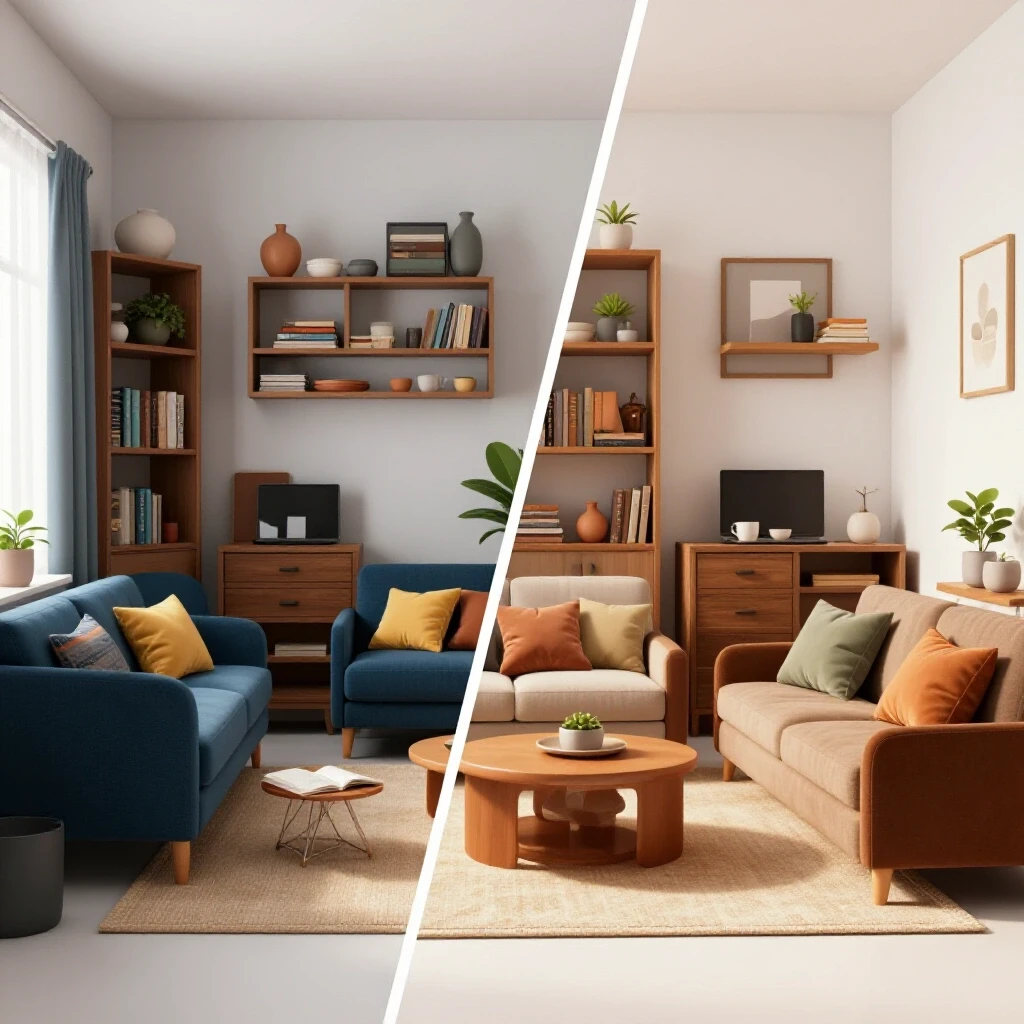
When I moved into a smaller 1940s bungalow, the living room had small windows and a large floor heater. Placing my heavy velvet sofa near the heater was a mistake; it blocked the warmth and made the room feel dark. I learned to use a small room furniture layout that kept furniture at least 12 inches away from heat sources. This allowed for better air circulation and kept the fabric from drying out.
- Heat Clearance: Keep furniture 12 to 18 inches away from radiators to allow heat to rise.
- Window Access: Avoid placing tall bookshelves next to windows, as this creates shadows that make a room feel smaller in winter.
- Rug Layering: Use wool or thick synthetic rugs to add a thermal layer to cold hardwood or tile floors.
- Visual Weight: Place heavier, darker pieces further from the entrance of a room to make the space feel more open.
Table 1: Spatial Blueprint Compatibility Matrix
| Furniture Item | Ideal Clearance | Winter Placement Priority | Common Layout Mistake |
|---|---|---|---|
| Large Sofa | 32″ for walking paths | Away from drafty windows | Blocking floor vents or radiators |
| Dining Table | 36″ from walls | Near natural light sources | Cramming into a dark corner |
| Bookshelves | 2″ from wall for airflow | Against interior walls | Placing against cold exterior walls |
| Bed Frame | 24″ on both sides | Centered away from drafts | Blocking the path to the closet |
Managing Spatial Flow in Compact Cold-Weather Entries
The entry or “mudroom” becomes the most important zone during a seasonal transition. This is where you manage the transition from the cold outdoors to the warm indoors. A functional entry prevents slush and salt from ruining your new floors and keeps your daily routine organized.
In my most recent move, I didn’t plan for a landing zone. Within two days, the hallway was a mess of wet boots and heavy coats. I had to quickly adapt the layout by adding a DIY bench with cubbies. This small change reduced my stress significantly. When you are home transition planning, look for a space near the door that can handle high-moisture items.
- Drop Zone: Dedicate a 4×4 foot area for boots, umbrellas, and bags.
- Vertical Storage: Use wall-mounted hooks for heavy winter coats to save floor space.
- Floor Protection: Place a heavy-duty, water-absorbent mat both inside and outside the door.
- Lighting: Ensure the entry has a bright, warm light source for those early winter sunsets.
Creating Multi-Functional Zones for Indoor Living
Functional zoning is the act of dividing a room into specific areas based on the activities that happen there. Since winter keeps us inside, rooms often need to serve more than one purpose. A living room might also be a home office or a play area for children.
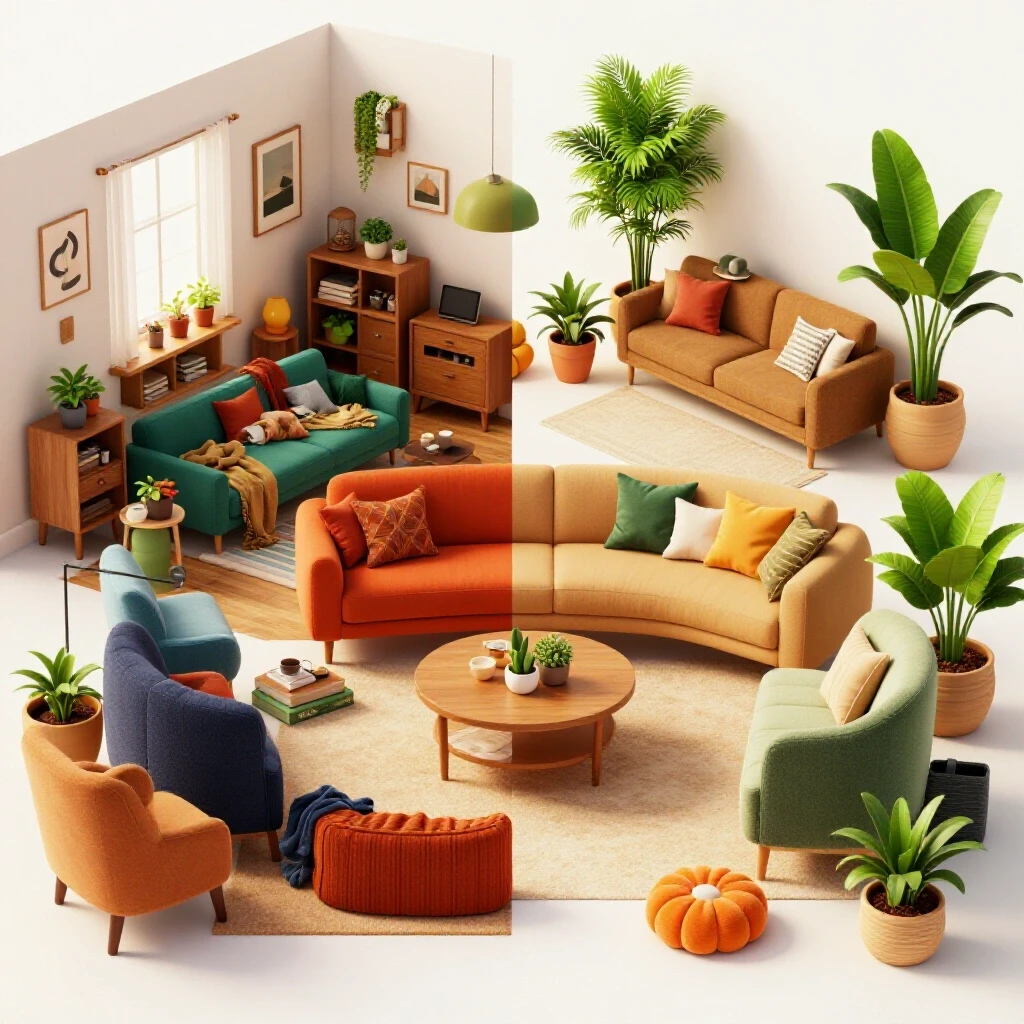
I found that using “visual anchors” helped my family adjust to our new home. By placing a low coffee table in the center of the rug, we defined the “gathering zone.” We kept 18 inches of space between the sofa and the coffee table to ensure easy movement. This helped us feel settled even when we still had unpacked boxes in the corners.
- Identify the Primary Activity: What is the main thing you do in this room?
- Map the Traffic Path: Ensure there is a clear 30-inch path from the door to the primary seating area.
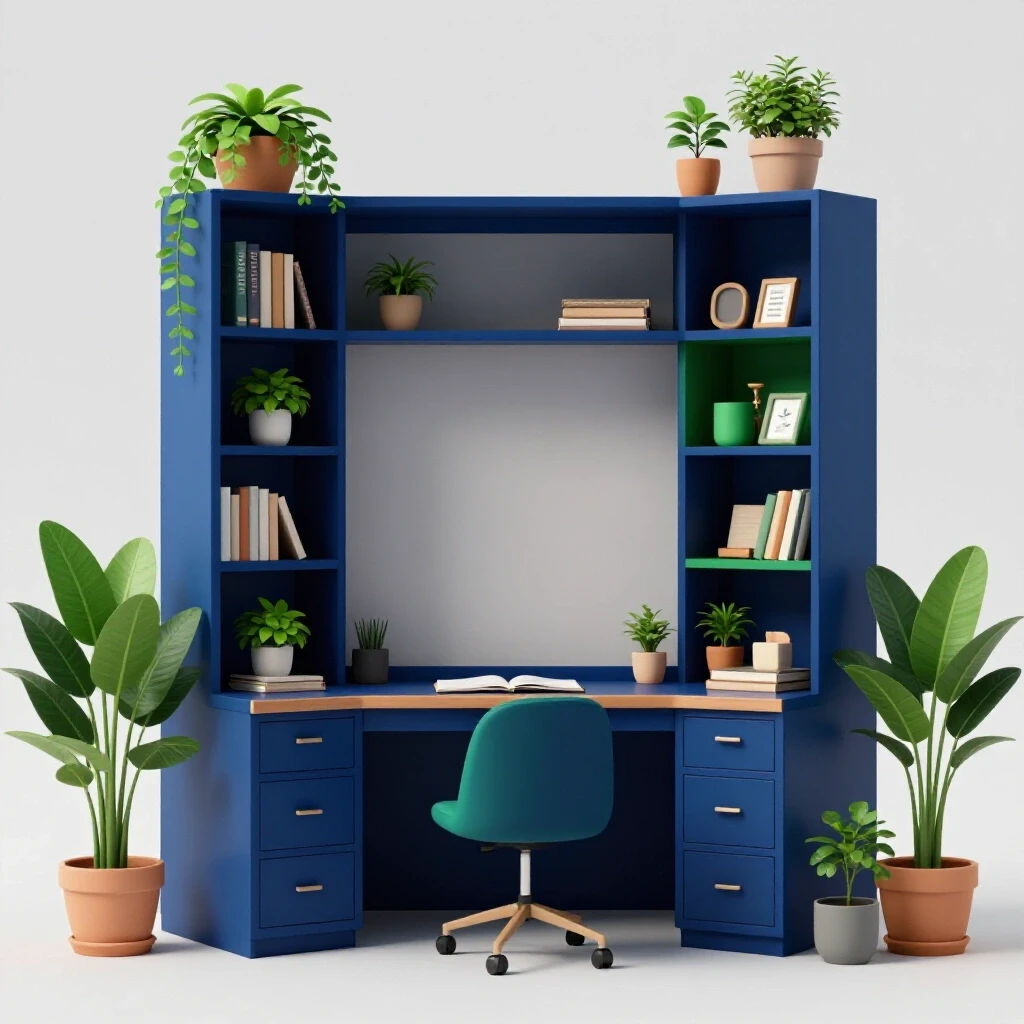
- Use Low-Profile Dividers: Open shelving or a low console table can separate a workspace from a relaxation space without blocking light.
- Incorporate Soft Textures: Use DIY crafts like handmade throw pillows or knitted blankets to soften the “hard edges” of a new, unfamiliar room.
A First-Month Timeline for Seasonal Spatial Comfort
The first month in a new home is a period of constant adjustment. You won’t get the layout right on day one, and that is okay. A new home adjustment guide should focus on gradual improvements rather than instant perfection.
During my first cross-country move, I tried to unpack everything in 48 hours. I ended up with a house that was functional but felt cold and uninviting. I learned that it takes about four weeks to truly understand how a family moves through a new space. Use this timeline to pace your transition.
- Week 1: Focus on the “Survival Zone.” Set up beds, the kitchen, and the entry mudroom.
- Week 2: Address lighting. Replace cold LED bulbs with warm-toned ones (2700K to 3000K) to combat winter gloom.
- Week 3: Refine furniture placement. Move pieces that feel “off” or block your natural walking paths.
- Week 4: Personalize and Layer. Add curtains, rugs, and art to help with sound dampening and insulation.
Table 2: Furniture Clearance Guidelines by Room Footprint
| Room Type | Minimum Walkway | Furniture-to-Wall Gap | Seating Clearance |
|---|---|---|---|
| Small Bedroom | 24 inches | 2 inches (for airflow) | 12 inches around bed |
| Narrow Hallway | 30 inches | N/A | N/A |
| Living Room | 36 inches | 12 inches (from heaters) | 18 inches (coffee table) |
| Home Office | 30 inches | 3 inches | 36 inches (chair pull-out) |
Neighborhood Integration Through Indoor Community Mapping
Building community in a new neighborhood can be difficult when everyone is staying inside to avoid the cold. I call this “indoor community mapping.” It involves finding local hubs like coffee shops, libraries, or community centers where people gather during the winter months.
In our third move, we felt very isolated for the first three months. We eventually realized that the local library had a weekly “maker space” for DIY crafts. Joining that group helped us meet neighbors without having to host a party in a house full of boxes. Look for neighborhood community building opportunities that take place in warm, shared spaces.
- Visit the local library or community center to see their winter event calendar.
- Join local social media groups to find “indoor-friendly” neighborhood recommendations.
- Support local businesses like small hardware stores or craft shops where you can ask for advice on home projects.
- Take short walks during the warmest part of the day (usually 12 PM to 2 PM) to familiarize yourself with the nearby streets.
Why Blind Furniture Placement Fails and How to Draft Your First Blueprint
Placing furniture without a plan often leads to “spatial friction.” This is the frustration you feel when you constantly bump into a table or can’t open a drawer fully. Drafting a simple blueprint helps you visualize the flow before you move heavy items.
I use digital space-planners to experiment with layouts. These tools allow you to input your room dimensions and drag-and-drop furniture icons. It is much easier to move a digital sofa than a real one. If you prefer a physical method, use painter’s tape on the floor of your new home to mark where furniture will go.
- Floorplanner: A user-friendly tool for creating 2D and 3D floor plans.
- Magicplan: This app uses your phone’s camera to measure rooms and create a layout.
- Roomstyler: Great for visualizing how different decor styles and furniture scales look in a room.
- SketchUp: A more advanced tool for those who want to model custom DIY furniture projects.
Establishing Daily Routines in a New Environment
A new house requires new habits. Your old routine might not work in a different layout. For example, if your new laundry room is on the second floor instead of the basement, your “laundry day” flow will change.
When we moved, I noticed my kids were struggling to find their school gear in the mornings. The new layout didn’t have the same “launchpad” area as our old home. We had to intentionally design a new system for shoes, bags, and coats. By creating a dedicated space for these items, we reduced morning stress and made the house feel more like home.
- Morning Flow: Map the path from the bedroom to the coffee maker. Is it clear of obstacles?
- Evening Wind-down: Create a “cozy corner” with a lamp and a comfortable chair for reading.
- Cleaning Stations: Store cleaning supplies near the areas where they are used most to minimize trips across the house.
- Pet Zones: Ensure your pets have a warm, quiet place for their beds and bowls away from high-traffic walkways.
Key Takeaways for a Smooth Transition
Moving when the weather is cold presents unique challenges, but it also offers a chance to create a deeply comfortable and intentional home. By focusing on spatial layout and functional zoning, you can turn an awkward floor plan into a sanctuary.
- Always account for heat sources and natural light when placing furniture.
- Prioritize the entry zone to keep the rest of the house clean and organized.
- Use a timeline to manage your expectations for settling in.
- Measure twice and use a blueprint to avoid spatial friction.
- Seek out local community hubs to beat the winter isolation.
Frequently Asked Questions
How do I prevent my furniture from blocking heat vents in a small room? In small rooms, use furniture with legs (tapered or “mid-century” style) rather than solid bases. This allows air to flow underneath the piece. If you must place a sofa over a floor vent, use a plastic vent deflector to push the air out into the room instead of up into the furniture.
What is the best way to protect hardwood floors from salt and slush during a move? Use “floor runners” or rolls of heavy-duty brown builder’s paper. Tape the edges down with painter’s tape to prevent tripping. This is more effective than rugs because it covers the entire path from the door to the main rooms and can be easily recycled after the move is finished.
How can I make a dark, north-facing room feel warmer in the winter? Focus on “layering” your light. Use a mix of overhead lights, floor lamps, and table lamps with warm-toned bulbs. Adding mirrors on the walls opposite windows can also help bounce what little natural light is available around the room.
What should I do if my existing sofa is too big for the new living room? If the sofa physically fits but makes the room feel cramped, try pulling it away from the wall by 3 to 5 inches. This “breathing room” can actually make a space feel larger. If it blocks a walkway, consider swapping it for two smaller armchairs which offer more layout flexibility.
How do I handle “visual clutter” when I’m still unpacking? Designate one room or a specific corner as the “box zone.” Keep all unopened containers there so the rest of your living space remains clear. This helps reduce the mental stress of seeing unfinished tasks while you are trying to relax in your new environment.
How much clearance do I really need for a comfortable hallway? Standard ergonomics suggest a minimum of 30 inches, but 36 inches is ideal for two people to pass each other comfortably. In a new home, ensure your hallway furniture (like console tables) does not reduce this width to less than 28 inches.
Can I use my summer rugs in a winter move? Yes, but you may want to layer them. If you have a thin jute or cotton rug, place it over a thicker felt rug pad. This adds insulation and prevents the cold from the subfloor from seeping through, making the room feel much cozier.
How do I meet neighbors when it’s too cold to be outside? Look for “micro-interactions.” This might mean saying hello while clearing snow or visiting the local post office at the same time every day. Small, consistent sightings help you become a familiar face, which makes a formal introduction easier later on.
What are the most important measurements to take before moving in? Beyond room dimensions, measure the “swing” of every door. You need to know if a door will hit a piece of furniture when opened. Also, measure the height of windowsills so you don’t buy a desk or table that sits higher than the window frame.
How do I keep my indoor plants alive during a winter relocation? Wrap the pots in bubble wrap or thick paper during the actual move to insulate the roots. Once inside, place them in their “forever homes” immediately. Avoid placing them directly in front of drafty windows or on top of radiators, as extreme temperature swings can cause them to drop leaves.
(This article was written by one of our staff writers, Kevin Thompson. Visit our Meet the Team page to learn more about the author and their expertise.)