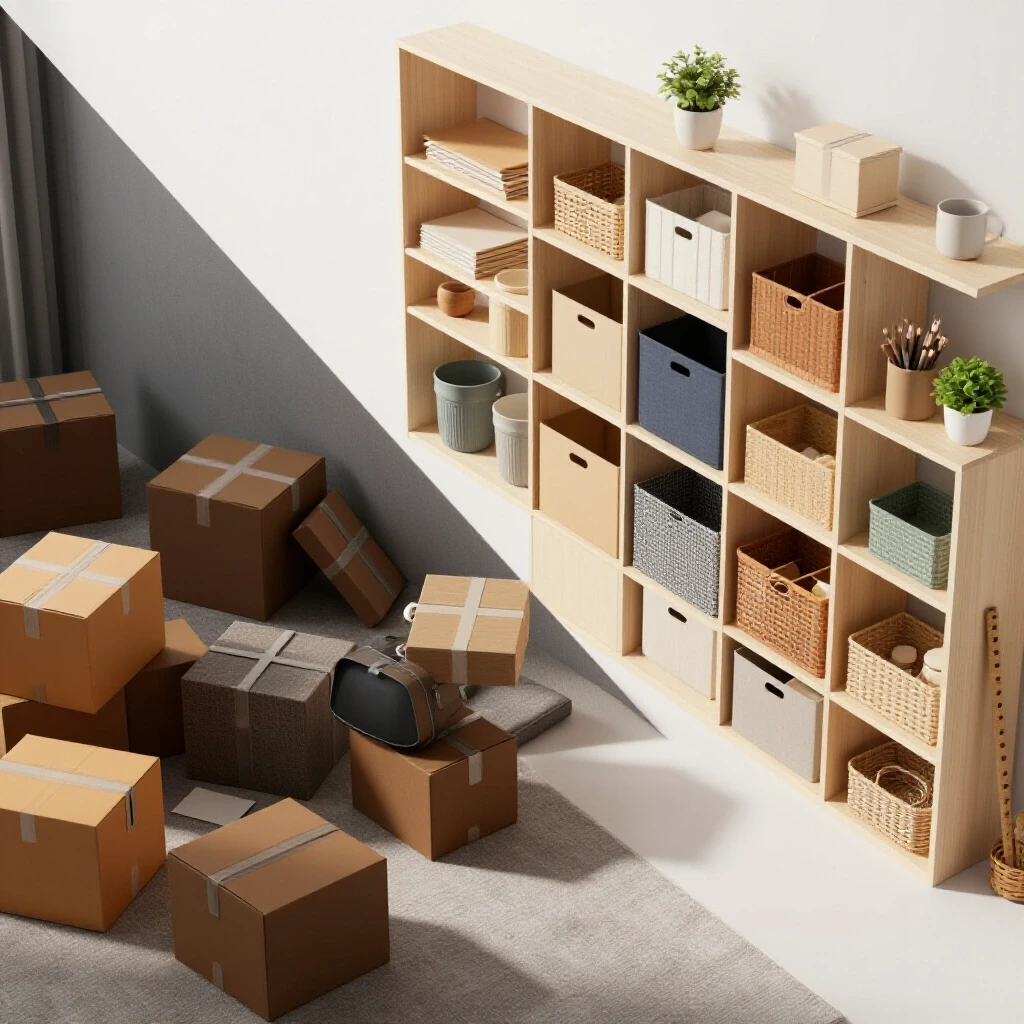
How to Make Your Basement Family-Friendly (Step-by-Step Guide)

Discussing budget options is often the first step in any major move, but the real challenge begins when you stand in a new, empty lower level. Over 19 years and four cross-country relocations, I have learned that the success of a move depends less on the size of the house and more on how you adapt the layout to fit your family’s daily rhythm. When we moved into our third home, we were faced with a large, echoey subterranean space that needed to serve as a playroom, a guest area, and a home office all at once.
Transitioning into a new home is a high-stress period, especially when your existing furniture looks like it belongs in a completely different house. I have spent nearly two decades measuring floorplans and testing layout experiments to see what actually supports comfortable living. It is not just about where the sofa goes; it is about how the space feels when everyone is home at the same time.
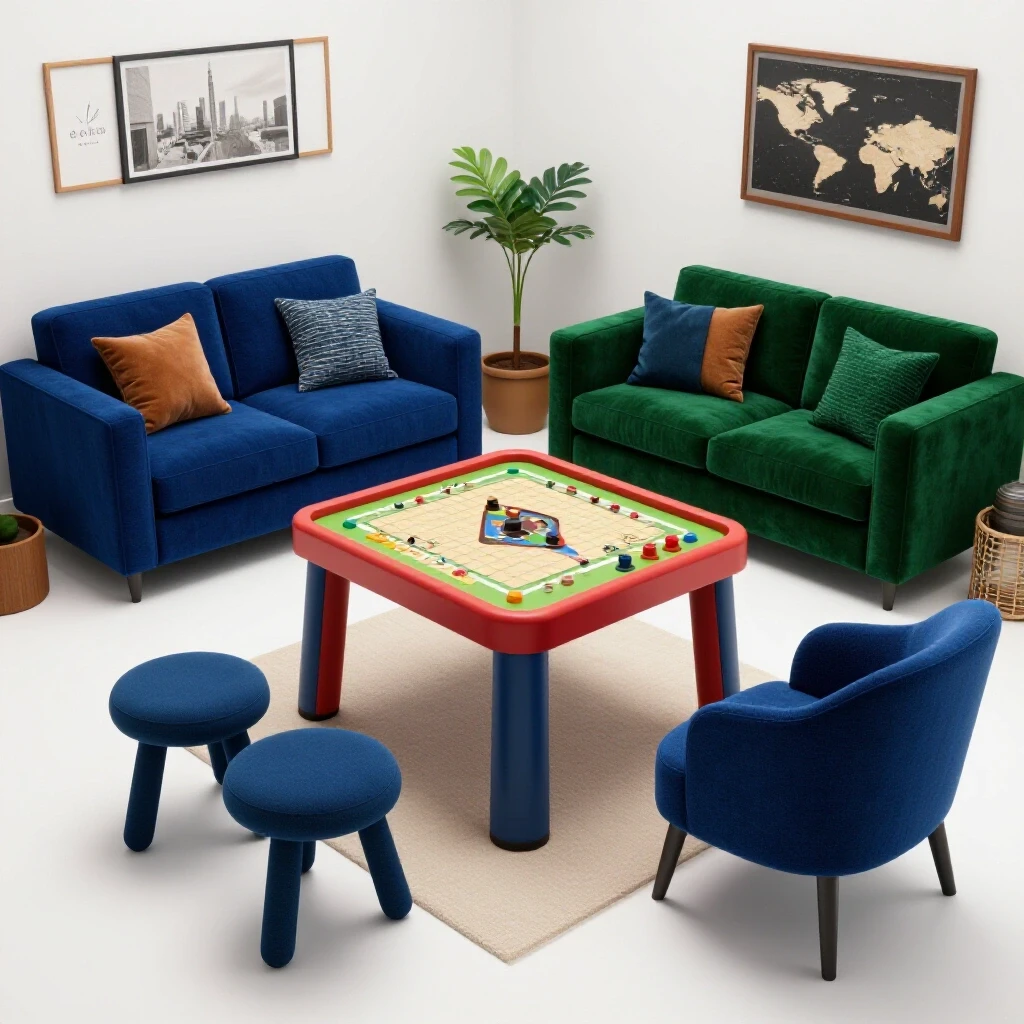
Analyzing the Footprint: Why Spatial Audits Are Your Best Move
Spatial layout adaptation is the strategic process of evaluating a room’s physical dimensions and architectural features to determine how furniture and movement should flow. This phase involves identifying structural obstacles like support beams or low ceilings to ensure the environment remains functional for all family members.
Before you ever load a moving truck, you need a spatial layout adaptation plan. In my experience, the biggest mistake people make is assuming their old furniture will naturally fit into a new lower-level floor plan. Most subterranean spaces have unique challenges, such as support columns, HVAC bulkheads, and limited natural light.
I recommend starting with a physical walkthrough and a tape measure. You are looking for more than just wall-to-wall measurements. You need to identify the “dead zones” where ceiling heights drop or where a sump pump closet limits your storage. During our move to the Midwest, we realized our sectional sofa was six inches too long for the only wall that didn’t have a radiator. Measuring saved us from a logistics nightmare on move-in day.
The Importance of Floor Plan Analysis
Home transition planning involves a deep dive into the blueprint of your new residence to predict how your family will occupy each zone. By analyzing traffic patterns and entry points, you can prevent “bottlenecks” and ensure that the most-used areas of the home are easily accessible.
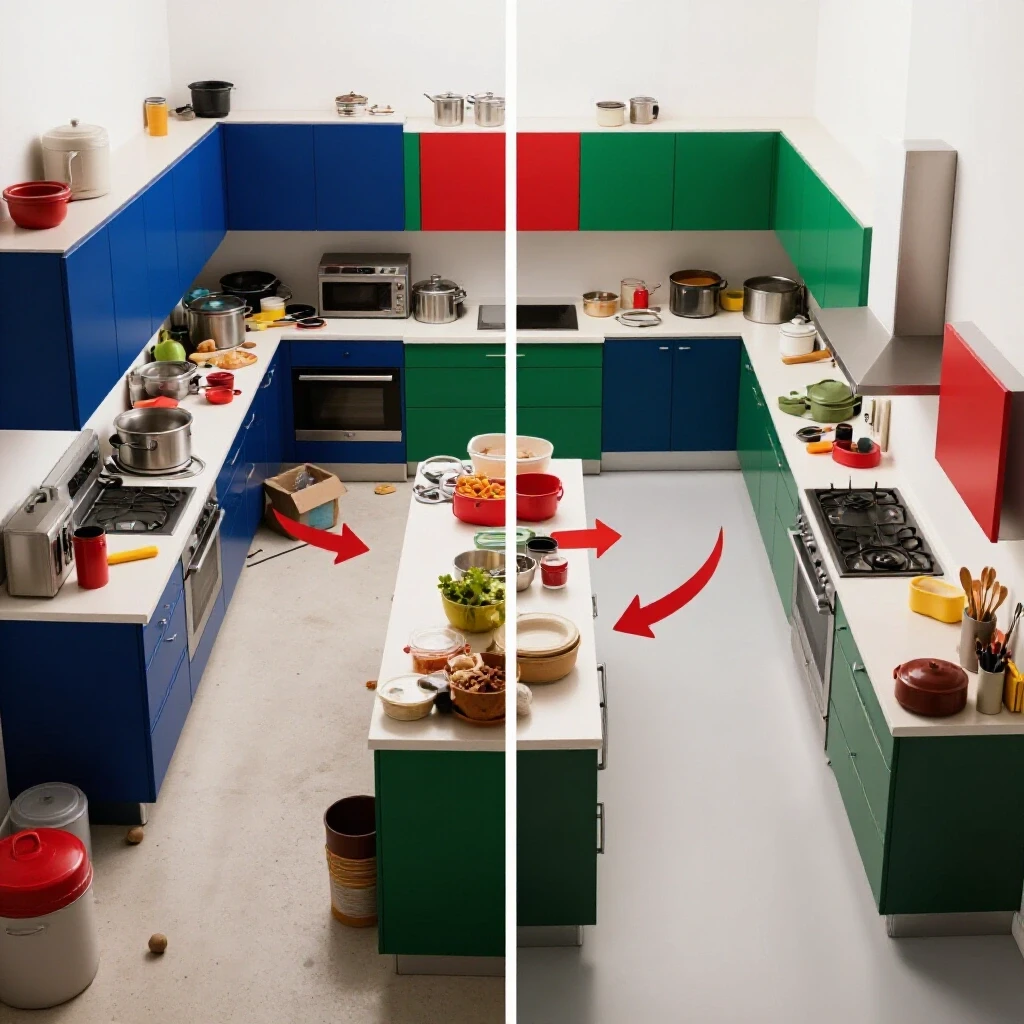
When you look at a floor plan, think about the “path of least resistance.” In a family-centric lower level, you want to keep a clear walkway of at least 36 inches between major furniture pieces. This allows kids to run and adults to walk without stubbing toes. If you are working with a small room furniture layout, you might need to prioritize vertical storage to keep the floor clear.
- Check for outlets: Note where your power sources are before placing heavy desks or entertainment centers.
- Identify light sources: Natural light is rare in lower levels; plan your “active” zones near windows.
- Measure ceiling clearance: Low-hanging ducts can make a room feel cramped if you place tall bookshelves underneath them.
Furniture Scaling: Making Your Old Items Work in New Spaces
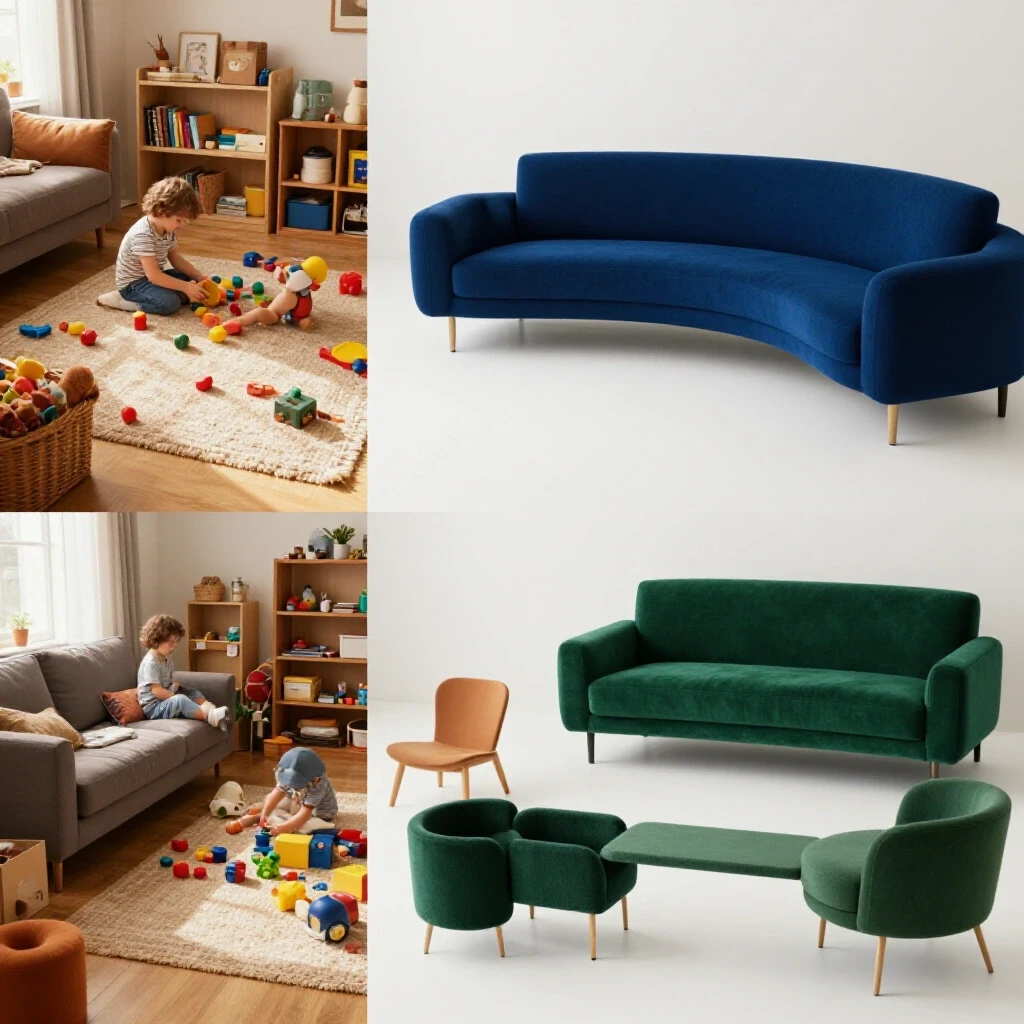
Small room furniture layout focuses on the relationship between the size of your belongings and the available square footage. It requires a critical eye to determine which pieces enhance the room’s utility and which ones create physical or visual clutter that hinders daily movement.
In my 19 years of moving, I have found that “visual weight” is just as important as physical dimensions. A dark, heavy oak desk might have looked great in a bright upstairs office, but it can make a basement feel like a cave. When we moved into our current home, we had to decide which pieces to keep and which to sell. We used a simple matrix to help us decide.
Spatial Blueprint Compatibility Matrix
| Furniture Item | Original Room Size | New Room Size | Compatibility Rating | Adjustment Strategy |
|---|---|---|---|---|
| Sectional Sofa | 15′ x 20′ | 12′ x 14′ | Low | Split the pieces or sell. |
| King Size Bed | 12′ x 12′ | 10′ x 11′ | Moderate | Use a low-profile frame. |
| Dining Table | 8-person | 6-person area | Low | Use a drop-leaf table instead. |
| Bookshelves | 72″ Tall | 80″ Ceiling | High | Ensure 4″ clearance for assembly. |
The 30-36 Inch Clearance Rule
Ergonomics guidelines suggest that for a home to feel comfortable, you need a minimum of 30 inches for walking paths and 36 inches for high-traffic areas like stairs or doorways. When you are arranging furniture in awkward rooms, these margins are non-negotiable. If you can’t walk through the room with a basket of laundry without hitting a corner, the layout is not working.
Zoning for Multi-Functionality: Creating Family Hubs
Functional zoning is the practice of dividing a single large room into distinct areas based on the activities that occur there. By using visual cues like rugs or furniture placement, you can create a sense of order and purpose without building permanent walls.
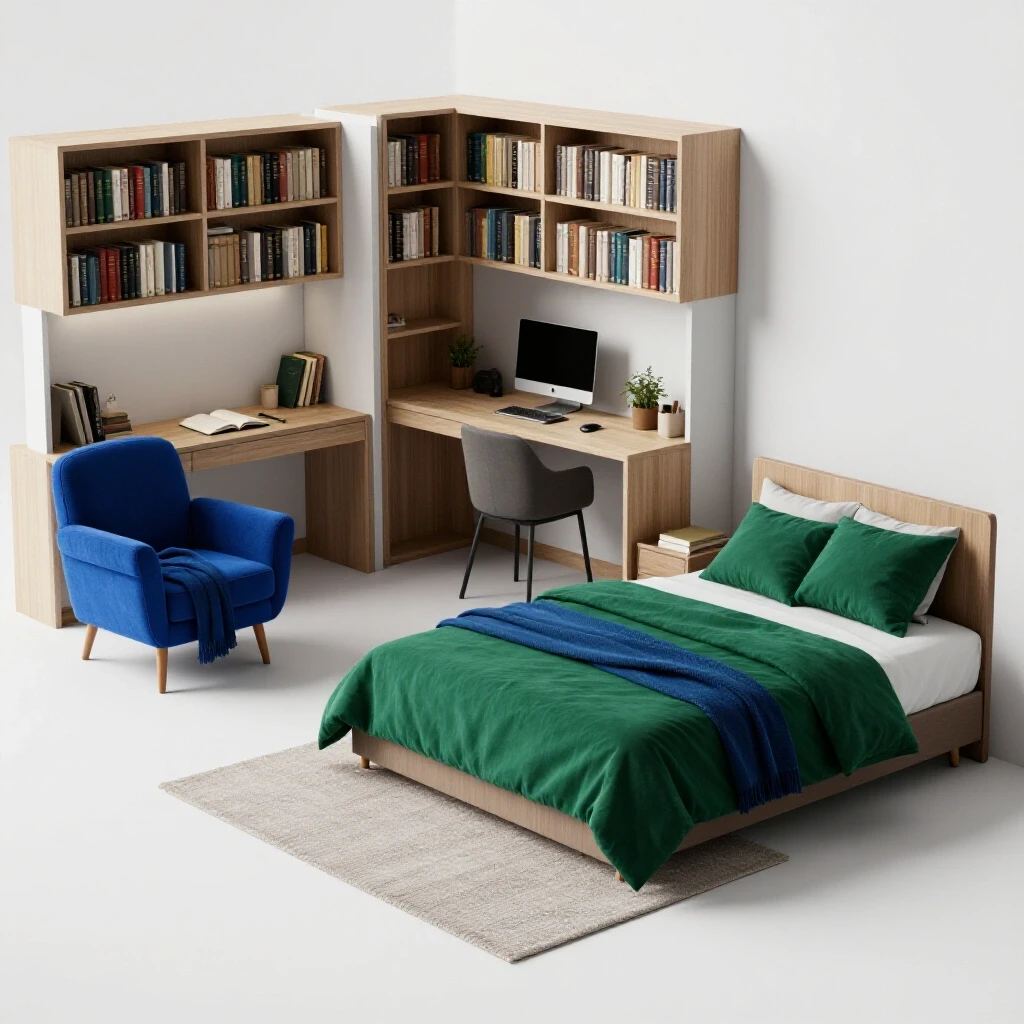
One of the most successful strategies we used for our lower-level transition was creating “activity zones.” Instead of seeing the basement as one big room, we broke it down into three specific areas: the “Lounge Zone” for movies, the “Creative Zone” for kids’ crafts, and the “Quiet Zone” for reading or work. This helped reduce the social friction that often comes with moving into a new environment.
- The Lounge Zone: Centered around a durable rug and a comfortable sofa. Keep this away from the stairs to minimize noise travel.
- The Creative Zone: Use hard flooring or a washable mat. This is where the “messy” play happens.
- The Quiet Zone: Tucked into a corner or behind a bookshelf to provide a sense of privacy.
First-Month Spatial Adjustment Timeline
| Phase | Timeline | Goal | Key Action |
|---|---|---|---|
| Phase 1 | Days 1-3 | Essential Function | Set up beds and basic seating. |
| Phase 2 | Days 4-10 | Traffic Flow | Test furniture placement; move items that block paths. |
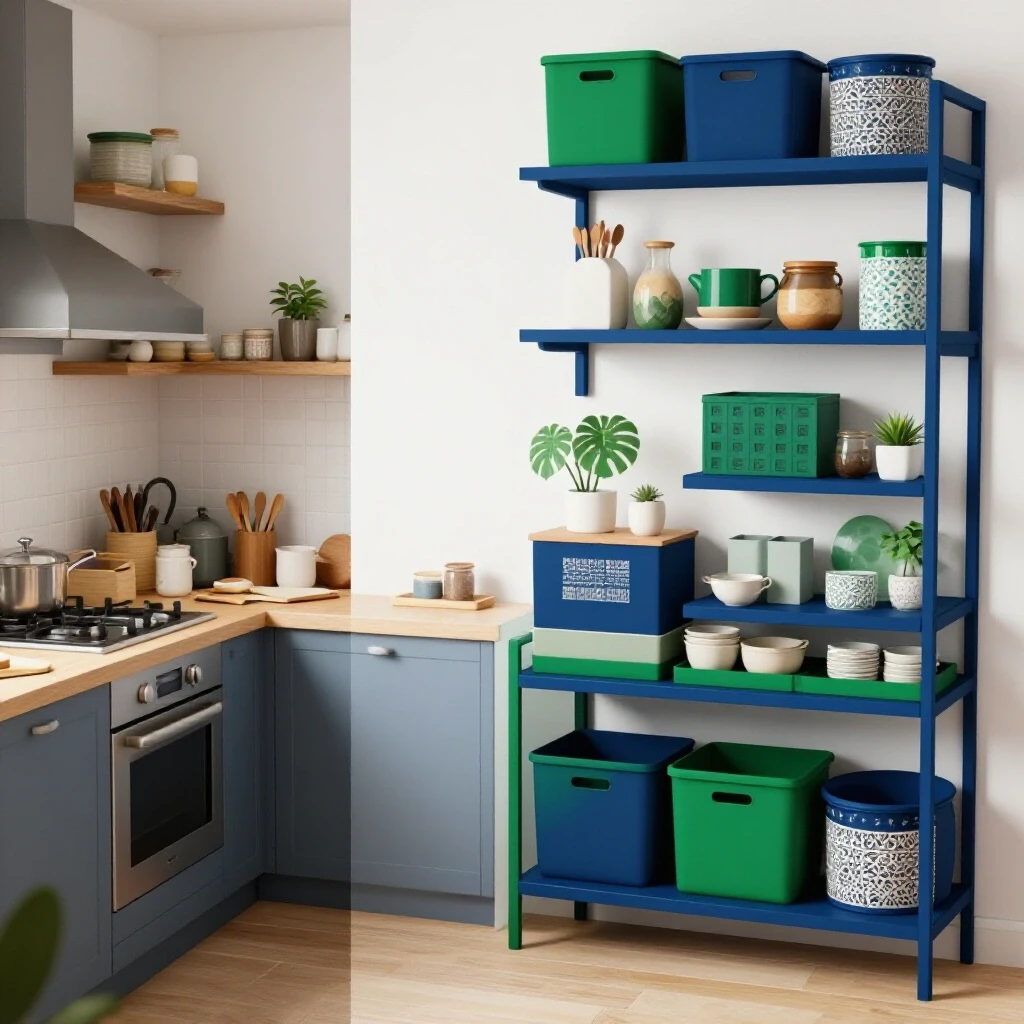
| Phase 3 | Days 11-21 | Storage Systems | Install shelving and organize bins in “Creative Zones.” |
| Phase 4 | Day 30+ | Final Refinement | Add lighting and decor based on how you actually use the space. |
Durable Finishes: Selecting Materials That Last
Environmental transitions involve choosing materials and surfaces that can withstand the specific climate and usage patterns of a new space. In lower levels, this means prioritizing moisture resistance and durability to ensure the family area remains healthy and easy to maintain.
When we adapted our lower level for the kids, we learned quickly that “pretty” does not always mean “practical.” Subterranean spaces are prone to moisture and cool temperatures. We opted for luxury vinyl plank (LVP) flooring because it is waterproof and handles heavy foot traffic.
I also recommend using “scrubbable” paint. In a high-activity family area, walls get scuffed. Having a finish that can be wiped down saves you from repainting every year. These small choices are what make a space “stick” for the long term.
Lighting and Airflow: Eliminating the “Cave” Feeling
Visual weight shifts refer to the technique of using light, color, and furniture height to change the perceived scale of a room. This is essential in spaces with limited windows, as it prevents the environment from feeling heavy or enclosed.
A common pain point for movers is the “gloomy” feeling of a basement. To combat this, we used a layered lighting approach. Relying on a single overhead light creates harsh shadows. Instead, we used a mix of floor lamps, recessed lighting, and LED strips behind bookshelves.
- Ambient Lighting: Recessed cans or large ceiling fixtures to fill the room.
- Task Lighting: Desk lamps or bright lights over the craft table.
- Accent Lighting: Small lamps in corners to push back the shadows and make the room feel wider.
Neighborhood Integration: Building Community While You Settle
Neighborhood community building is the intentional effort to establish social connections and familiarize yourself with local resources after a move. This process reduces the feeling of isolation and helps every family member feel a sense of belonging in their new surroundings.
The physical layout of your home is important, but your mental transition is just as vital. While you are unpacking boxes and measuring for rugs, don’t forget to step outside. In each of our four moves, the first thing I did was find the nearest park and the local library.
Building a routine outside the house helps the inside of the house feel like home faster. I encourage my kids to help with the “neighborhood mapping.” We walk the blocks around our house and mark down where the “cool trees” are or where we see other families playing. This reduces the isolation that often comes with a cross-country move.
Real-World Case Study: The 1,200 Square Foot Challenge
During our move from a small apartment to a house with a large unfinished lower level, we were overwhelmed. We had too much furniture for the bedrooms but not enough to fill the basement. We felt the high stress of moving logistics and the pressure to make it “perfect” right away.
Instead of buying new items, we used a “staging” approach. We moved our old living room set downstairs and bought a smaller, more modern set for the main floor. This gave the kids a familiar place to land while we figured out the new house. By the six-month mark, we realized the “Lounge Zone” was too big and the “Creative Zone” was too small. Because we hadn’t built any permanent walls, we were able to shift the rugs and furniture in a single afternoon.
Essential Home Moving Checklist for Layouts
- Digital Space Planner: Use tools like Floorplanner or MagicPlan to mock up your room before moving heavy items.
- Furniture Sliders: These are a lifesaver for testing different configurations without scratching the floors.
- Blue Painter’s Tape: Tape out the footprint of your furniture on the floor to see if the 36-inch clearance is maintained.
- Box Inventory Log: Label boxes by “Zone” (e.g., “Basement – Creative Zone”) rather than just “Basement.”
- Multi-Tool and Tape Measure: Keep these in your pocket for the first 48 hours.
Setting Up Functional Daily Systems
Daily routine design is the creation of organized habits and physical “stations” that support the smooth operation of a household. By aligning your home’s layout with your family’s schedule, you can reduce daily stress and improve overall efficiency.
The final step in making a new space work is the “system check.” Does the layout support how you actually live? If your kids always drop their bags at the bottom of the stairs, don’t fight it—put a storage bench there. If you find yourself working on the sofa instead of the desk, move the desk to a spot with better light.
A home should evolve with you. I have found that our most successful layouts were the ones we allowed to “breathe” for a few weeks before finalizing. Moving is a marathon, not a sprint. Give yourself the grace to live in a slightly messy, “in-progress” environment while you find your rhythm.
Actionable Metrics for Your New Layout
- Hallway Width: 36 inches minimum for two people to pass comfortably.
- Coffee Table Distance: 14 to 18 inches from the sofa for easy reach.
- TV Mounting Height: Center of the screen should be at eye level (usually 42 inches from the floor).
- Rug Size: At least the front two legs of all furniture in a zone should sit on the rug to “ground” the space.
- Storage Volume: Aim for 20% more storage than you think you need to account for future growth.
Practical Next Steps for Your Transition
As you navigate your move, focus on the fundamentals first. Get the beds made, the kitchen functional, and a clear path through the lower level. Once the “logistics fog” lifts, you can start refining the zones and adding the personal touches that make a house a home.
Remember that a functional layout is one that serves your family’s needs today, not one that looks like a showroom. Use the tools available to you, measure twice, and don’t be afraid to change your mind. Your home is a living environment, and it should grow alongside you.
Frequently Asked Questions
How do I know if my existing sofa will fit in a basement with low ceilings?
You must measure both the length and the “diagonal depth” of the sofa. Many lower levels have tight stairwells with low “headroom” clearances. If your sofa is over 90 inches long, you may need a “removable arm” model or a sectional that can be taken apart. Always check the ceiling height at the lowest point of the stairs before attempting the move.
What is the best way to handle “poles” or support columns in the middle of a room?
Support columns are common in lower-level layouts. Instead of trying to hide them, use them as “anchor points” for your zones. You can place a desk against a pole or use two poles to define the edge of a “Play Zone.” Wrapping them in wood or adding shelving between columns can turn a structural necessity into a functional feature.
How can I make a windowless space feel less claustrophobic for my kids?
Focus on “Cool White” lighting (around 3000K to 4000K) to mimic daylight. Use large mirrors on walls opposite where you want light to bounce. Keeping furniture low to the ground and using light-colored rugs will also help the space feel more open. Avoid heavy, dark curtains or bulky furniture that blocks the sightlines across the room.
What flooring is best for a family-friendly lower level?
Luxury Vinyl Plank (LVP) is generally the top choice for transitional residents. It is 100% waterproof, which is vital for subterranean areas, and it is much warmer underfoot than tile. It also mimics the look of wood, providing a “high-end” feel without the risk of warping due to humidity.
How do I stop my basement from smelling “musty” after I move in?
A dehumidifier is a non-negotiable tool for lower-level living. Maintain a humidity level between 30% and 50%. This prevents the growth of mold and keeps your furniture and books from absorbing odors. Ensure you have proper airflow by keeping interior doors open and using floor fans during the first few weeks of your transition.
How long does it usually take to feel “at home” in a new neighborhood?
Research and personal experience suggest it takes about 6 to 12 months to feel fully integrated. The first 30 days are about survival and logistics. By month three, you should have a basic routine. True community building happens when you consistently show up at local spots like parks, coffee shops, or school events over several seasons.
Should I paint the walls before or after I move my furniture in?
If budget and time allow, paint before you move. It is much easier to paint an empty lower level than to move heavy furniture away from walls later. Choose a neutral, light-reflecting color (like a warm off-white or light gray) to help brighten the space. You can always add “pop” colors with pillows or artwork later.
How do I manage the noise from the kids’ playroom traveling upstairs?
To dampen sound, use “soft” materials. Thick area rugs with high-quality pads can absorb a significant amount of impact noise. You can also add “acoustic panels” that look like art or use heavy bookshelves filled with books against shared walls. These items act as sound buffers between the lower level and the main living areas.
What are the best digital tools for planning a room layout?
For a user-friendly experience, try MagicPlan, which allows you to scan a room with your phone to create a floor plan. Floorplanner.com is excellent for 3D modeling, and Home Design 3D is great for testing furniture placement. These tools help you visualize the “clearance margins” before you physically move a single piece of furniture.
How do I deal with the stress of “half-unpacked” boxes in the family area?
Prioritize one “Sanity Zone.” This is a single area (like the sofa and TV) that is completely clear of boxes and clutter. When the rest of the house feels overwhelming, your family can retreat to this zone to relax. Tackle the remaining boxes in small, 20-minute bursts rather than trying to do the whole room in one day.
(This article was written by one of our staff writers, Kevin Thompson. Visit our Meet the Team page to learn more about the author and their expertise.)