How to Fix a Poor Home Layout for Better Flow (Step-by-Step)

The gray drizzle outside my window today reminds me of the morning we moved into our third home. It was a cross-country transition with a toddler and a newborn in tow, and the stress of the move felt as heavy as the clouds. I remember standing in the middle of a living room that felt both too large and strangely cramped, wondering how our old life would ever fit into this new footprint. Over 19 years and four major relocations, I have learned that a home doesn’t become comfortable by accident. It requires a deliberate look at how space and movement interact.
Analyzing Floor Plans for Better Circulation
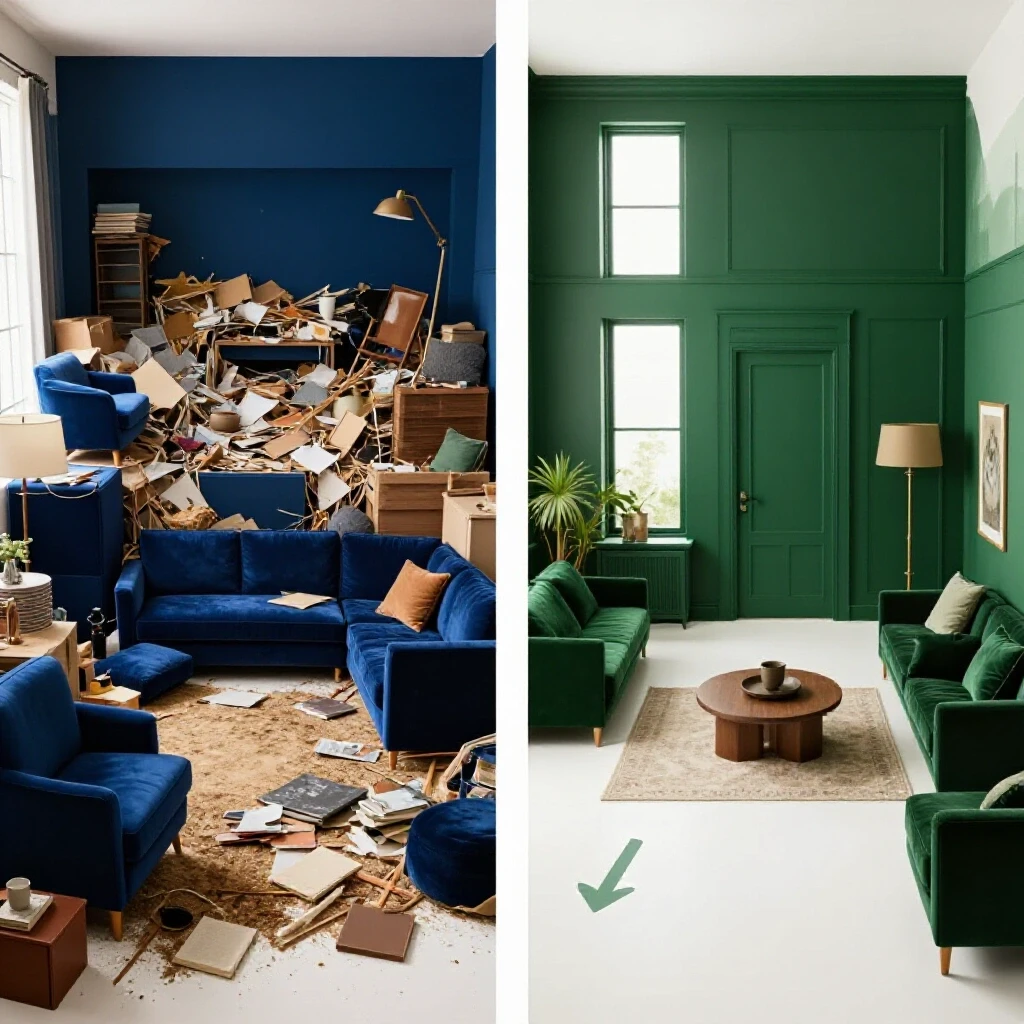
Spatial layout is the strategic arrangement of furniture and pathways within a home to support daily activities. Analyzing these layouts helps you understand how people move from room to room without hitting obstacles. By identifying traffic patterns early, you can prevent the frustration of a home that feels cluttered or difficult to navigate.
When I first look at a new floor plan, I focus on the “natural path.” This is the invisible line people take to get from the front door to the kitchen or from the bedroom to the bathroom. In our second apartment, we made the mistake of placing a heavy sideboard right in the middle of the main walkway. We spent three months bruising our hips before we realized the layout was the problem, not our clumsiness.
To avoid this, aim for clearance margins of at least 30 to 36 inches for major walkways. In smaller rooms, you can sometimes drop to 24 inches for secondary paths, such as the space between a bed and a wall. Measuring these gaps on your floor plan before moving a single heavy box saves your back and your sanity.
Strategies for Adapting Existing Furniture to New Environments
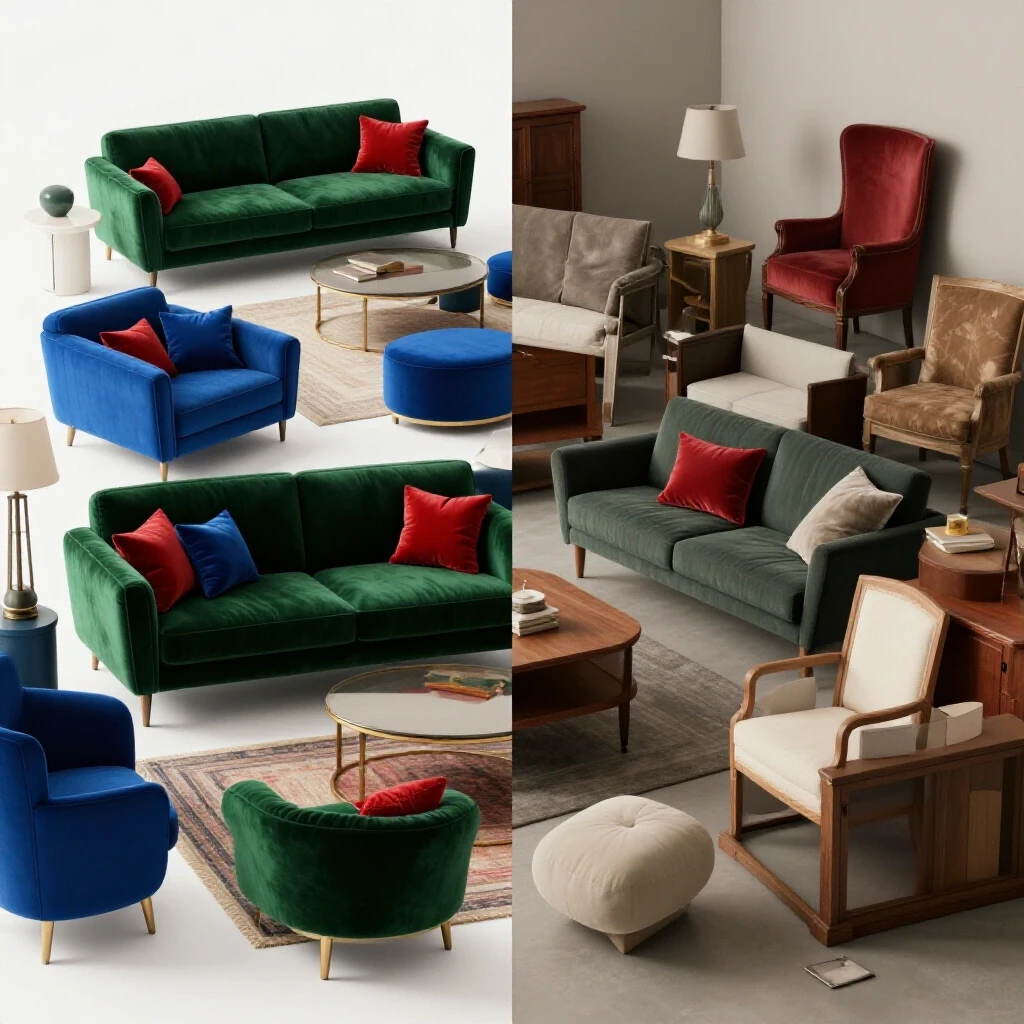
Spatial layout adaptation is the process of reconfiguring your current belongings to meet the specific dimensions and architectural features of a new home. This involves measuring the scale of your furniture against the new room’s volume to ensure a functional fit. It often requires letting go of pieces that worked in your old space but hinder movement in the new one.
During our move from a wide suburban house to a narrow urban townhouse, our massive eight-person dining table simply would not work. It blocked the path to the kitchen and made the room feel like a storage unit. I had to learn that furniture scale is relative. What looks “just right” in a high-ceilinged room can look “monstrous” in a cozy apartment.
Before you move, create a “Sacrifice vs. Utility” list. If a piece of furniture blocks a window, covers a heater vent, or restricts a walkway to less than 30 inches, it may not belong in the new layout. Use the table below to evaluate how your current items might fit into common room footprints.
| Room Type | Key Measurement | Common Obstacle | Flow Solution |
|---|---|---|---|
| Living Room | 10′ x 12′ | Oversized Sectional | Use a loveseat and two chairs to open corners. |
| Dining Area | 8′ x 10′ | Large Rectangular Table | Switch to a round table to soften traffic edges. |
| Primary Bedroom | 11′ x 12′ | King Bed / Twin Nightstands | Use wall-mounted lamps to save floor space. |
| Entryway | 4′ x 6′ | Bulky Coat Rack | Install wall hooks and a slim shoe bench. |
Why Blind Furniture Placement Fails—And How to Draft Your First Spatial Layout Blueprint
A spatial layout blueprint is a scaled drawing or digital map of your new home that includes the dimensions of every wall, window, and door. Drafting this blueprint allows you to experiment with furniture placement virtually before the moving truck arrives. It acts as a guide for movers and helps you visualize the final flow of each room.
I used to think I could “eyeball” where things should go. That changed when I tried to put a queen-sized bed in a room where the door swung inward and hit the mattress. Now, I use a home moving checklist that includes a mandatory measuring phase. You need to know the height of windows, the location of every electrical outlet, and the swing radius of every door.
- Measure the length and width of each room at the floor level.
- Note the height of windows to ensure dressers won’t block the light.
- Mark the location of radiators, vents, and light switches.
- Account for door swings—standard doors need about 36 inches of clear arc space.
Designing Functional Zones in Small or Awkward Rooms
Functional zoning is a technique used to divide a single room into distinct areas based on the activities that happen there. By using furniture, rugs, or lighting as “soft walls,” you can create a sense of order in multi-purpose spaces. This is especially helpful for families who need to combine a home office with a living room or a playroom.
In our last move, I had to fit a home office into a corner of our bedroom. Instead of just shoving a desk against the wall, I used a rug to “zone” the workspace. This visual boundary helped my brain switch from “sleep mode” to “work mode.” Research in environmental psychology suggests that clear boundaries in a home can reduce stress and improve focus.
To create zones, look for “anchor” pieces. A rug can anchor a seating area, while a tall bookshelf can act as a divider between a dining space and a lounge. Ensure that each zone has at least 18 inches of clearance around low furniture like coffee tables to keep the room from feeling cramped.
The New Home Adjustment Guide: From Boxes to Belonging
A new home adjustment guide is a structured timeline that helps residents transition from the chaos of moving day to a settled, functional routine. It covers the physical act of unpacking as well as the emotional process of becoming familiar with a new environment. Following a plan prevents “box fatigue,” where half-packed containers sit in corners for months.
My family uses a “first-night box” system, but the real work starts in the first month. We focus on “high-impact” rooms first—the kitchen and the bathrooms. If you can make a cup of coffee and take a hot shower without searching through ten boxes, your stress levels will drop significantly.
| Phase | Timeline | Primary Goal | Key Action |
|---|---|---|---|
| Phase 1 | Days 1–3 | Basic Functionality | Unpack kitchen, beds, and bathrooms. |
| Phase 2 | Days 4–10 | Spatial Testing | Arrange main furniture and test traffic flow. |
| Phase 3 | Days 11–21 | Routine Design | Set up “landing strips” for keys, mail, and bags. |
| Phase 4 | Day 22–30 | Social Integration | Meet three neighbors and find a local “third place.” |
Solving the Puzzle of Small Room Furniture Layouts
A small room furniture layout focuses on maximizing floor space while maintaining comfort and utility. This often involves using “multi-functional” pieces, such as ottomans with storage or desks that fold against the wall. The goal is to avoid overcrowding while ensuring the room still serves its intended purpose.
When we moved into a smaller apartment in the city, I realized our old coffee table was a “space killer.” It was too large for the narrow gap between the sofa and the TV. We replaced it with two small nesting tables. This allowed us to move them around when the kids needed floor space to play.
- Use furniture with “legs” to show more floor, which makes a room feel larger.
- Hang mirrors opposite windows to bounce light and create depth.
- Keep furniture heights low to maintain a clear line of sight across the room.
- Avoid pushing all furniture against the walls; sometimes “floating” a chair can improve flow.
Integrating into a New Locale and Building Community
Neighborhood community building is the intentional effort to establish social connections in a new area. It involves exploring local amenities, introducing yourself to neighbors, and participating in local events. Building these ties is essential for reducing the isolation that often follows a long-distance move.
Moving is more than just shifting boxes; it is about shifting your life. In our fourth move, I made a point to walk the dog at the same time every evening. This simple routine led to “fence-line chats” with three different neighbors within the first week. According to sociology studies, these “weak ties”—casual acquaintances in your neighborhood—are vital for a sense of security and belonging.
Don’t wait for a perfect house to invite someone over. We often host a “pizza and boxes” night where we invite new neighbors over even if we are still sitting on folding chairs. It lowers the bar for perfection and starts the process of turning a new house into a community hub.
Digital Tools for Modern Home Transition Planning
In the past, I used graph paper and cut-out cardboard furniture. Today, digital tools make home transition planning much more accurate and less labor-intensive. These resources allow you to upload your actual floor plan and drag-and-drop furniture to scale.
- Magicplan: This app uses your phone’s camera to create a floor plan in minutes. It is excellent for quick measurements during a home tour.
- RoomSketcher: A robust tool for 2D and 3D floor plans. It helps you visualize how light will hit your furniture at different times of the day.
- Sortly: A visual inventory app. You can take photos of your boxes and tag them with their contents, making the unpacking process much faster.
- Nextdoor: While primarily a social network, it is a great tool for finding local recommendations for movers, handymen, or the best nearby grocery store.
- Trello: I use this to manage the “logistics” side of the move. Each card represents a task, from “change utilities” to “register for school.”
Establishing Daily Routines in a New Space
Routine design is the act of setting up your home to support the habits you want to maintain. This means placing items where they are most likely to be used, such as keeping the dog leash by the door or the coffee pods next to the machine. A well-designed layout should feel intuitive, reducing the “mental load” of navigating a new environment.
The first few weeks in a new home are a “golden window” for habit change. Because your old cues are gone, you can build better systems. In our current home, I set up a “landing strip” by the back door. It has a tray for keys, a basket for mail, and hooks for backpacks. This simple layout choice has prevented the “kitchen counter clutter” that plagued our previous homes for years.
- Identify your “high-friction” moments, like the morning rush or dinner prep.
- Place tools and supplies at the “point of use.”
- Ensure there is a designated home for every “transient” item like keys or wallets.
- Review your layout after 30 days and move anything that feels like an obstacle.
Final Thoughts on Spatial Transitions
Moving is a marathon, not a sprint. It takes time for a house to feel like it has “flow.” Be patient with yourself as you test different configurations. If a chair feels wrong in the corner, move it. If a room feels cold, add a rug. Your home should evolve as your family’s needs change. By focusing on circulation, scale, and routine, you can turn a stressful relocation into a successful transition.
Frequently Asked Questions
How do I know if my furniture is too big for the new room? A good rule of thumb is the “60/40 rule.” Furniture should occupy about 60% of the floor space, leaving 40% for “white space” or walking paths. If you have less than 30 inches of clearance between major pieces, the furniture is likely too large for the room’s scale.
What is the most common mistake people make when arranging a new living room? Many people push all their furniture against the walls, thinking it creates more space. In reality, this often leaves a “dead zone” in the middle and makes the room feel uninviting. Pulling seating a few inches away from the wall or grouping it around a central point like a rug creates better flow.
How long does it typically take to feel “at home” after a move? Research suggests it takes about three to six months to feel fully adjusted to a new home and neighborhood. The first month is usually focused on physical logistics, while months two through six are about building social routines and emotional connections.
How can I make a small, awkward room feel more functional? Focus on vertical space. Use tall shelving to draw the eye upward and keep the floor clear. Also, prioritize multi-functional furniture, like a storage ottoman that can serve as a coffee table, a seat, and a place to hide blankets.
What should I unpack first to reduce moving stress? Start with the “essentials for survival”: bed linens, basic kitchen tools, and bathroom supplies. Being able to sleep in your own bed and cook a simple meal on the first night significantly reduces the feeling of being “unsettled.”
How do I handle “box fatigue” when I’m tired of unpacking? Set a “one box a day” rule. After the initial rush of the first week, don’t feel pressured to finish everything at once. Focus on one small area—like a single shelf or a drawer—each day to maintain momentum without burning out.
What are the best ways to meet neighbors without being intrusive? Spend time in your front yard or on your porch. Simple visibility is the easiest way to start a conversation. You can also join local community groups or attend neighborhood meetings to meet people with shared interests.
How much clearance do I need for a dining room table? You should aim for at least 36 inches between the edge of the table and the nearest wall or piece of furniture. This allows enough room for people to pull out chairs and walk behind those who are seated.
Is it worth hiring a professional space planner for a residential move? If you are downsizing significantly or moving into a home with a very unusual layout, a professional can provide valuable insights. However, for most moves, using digital planning tools and following basic ergonomic guidelines is enough to create a functional space.
How can I involve my children in the layout planning process? Let them help “map” their own rooms. Give them a tape measure and let them decide where their bed or toy box should go. This gives them a sense of control and helps reduce the anxiety often associated with moving to a new environment.
(This article was written by one of our staff writers, Kevin Thompson. Visit our Meet the Team page to learn more about the author and their expertise.)