How to Solve Awkward Room Layouts in New Homes (Easy Guide)

A well-organized home is more than just a matter of aesthetics; it is a fundamental pillar of your physical and mental health. When we transition into a new environment, the friction caused by a poor spatial layout can lead to elevated cortisol levels and disrupted sleep patterns. By intentionally designing our surroundings to reduce daily stressors—like bumping into a poorly placed table or struggling to find a clear path to the kitchen—we create a sanctuary that supports recovery and emotional stability during the high-pressure period of a move.
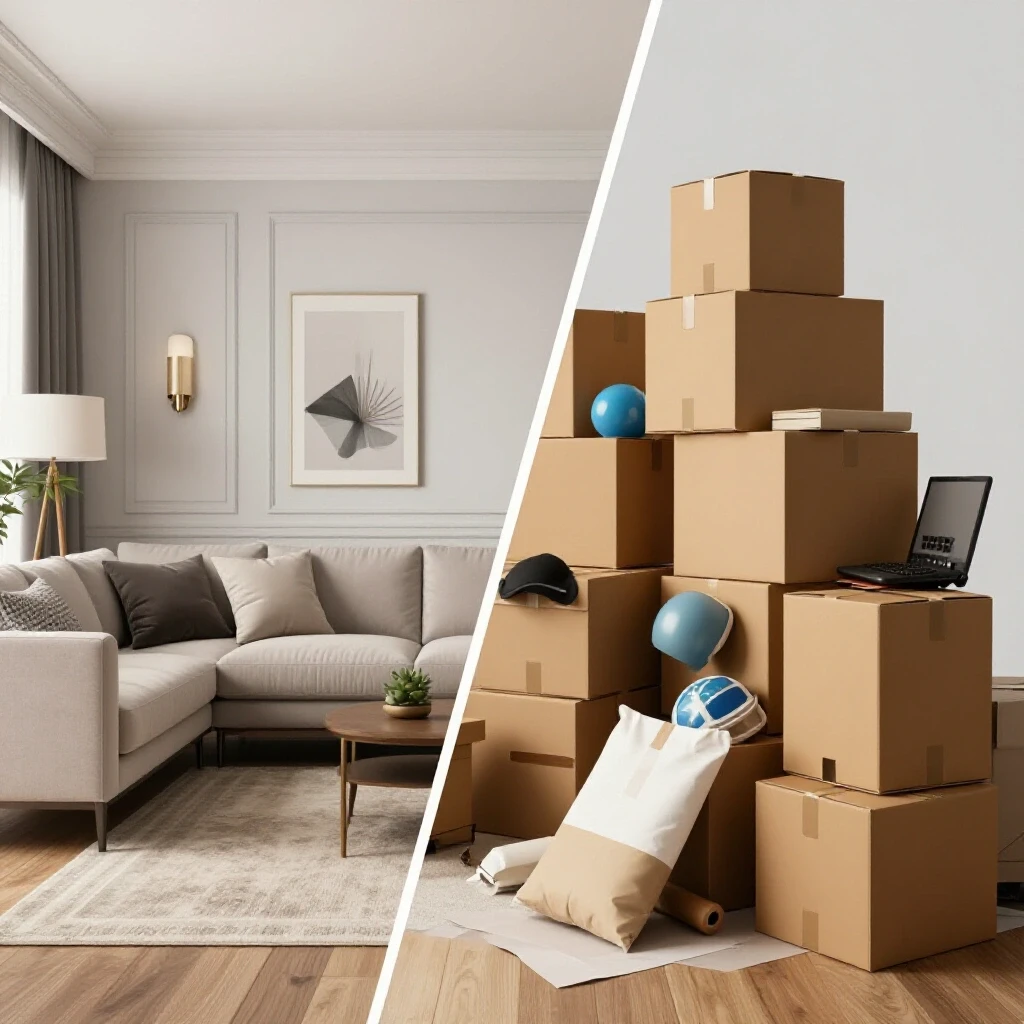
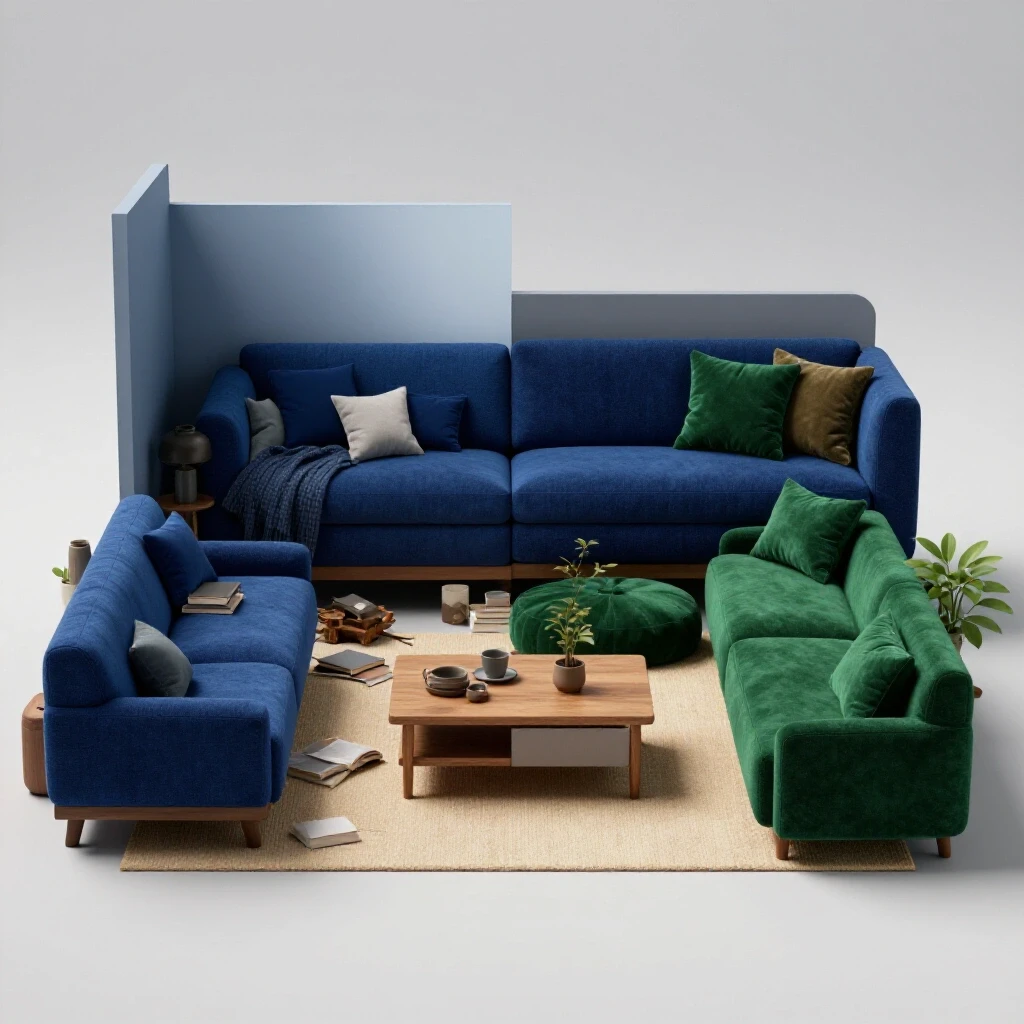
In my 19 years of navigating four major relocations, I have learned that every house has one specific area that defies logic. During our third move, a cross-country transition with two young children, we encountered a long, narrow space that was supposed to be our main living area. It felt more like a hallway than a home. My existing sectional sofa blocked the primary walkway, and the room felt cold and unusable. We spent weeks feeling like guests in our own house until we stopped trying to force our old life into this new, irregular footprint. Through careful measurement and a shift in how we perceived traffic flow, we eventually turned that “problem child” area into the most functional zone in the house.
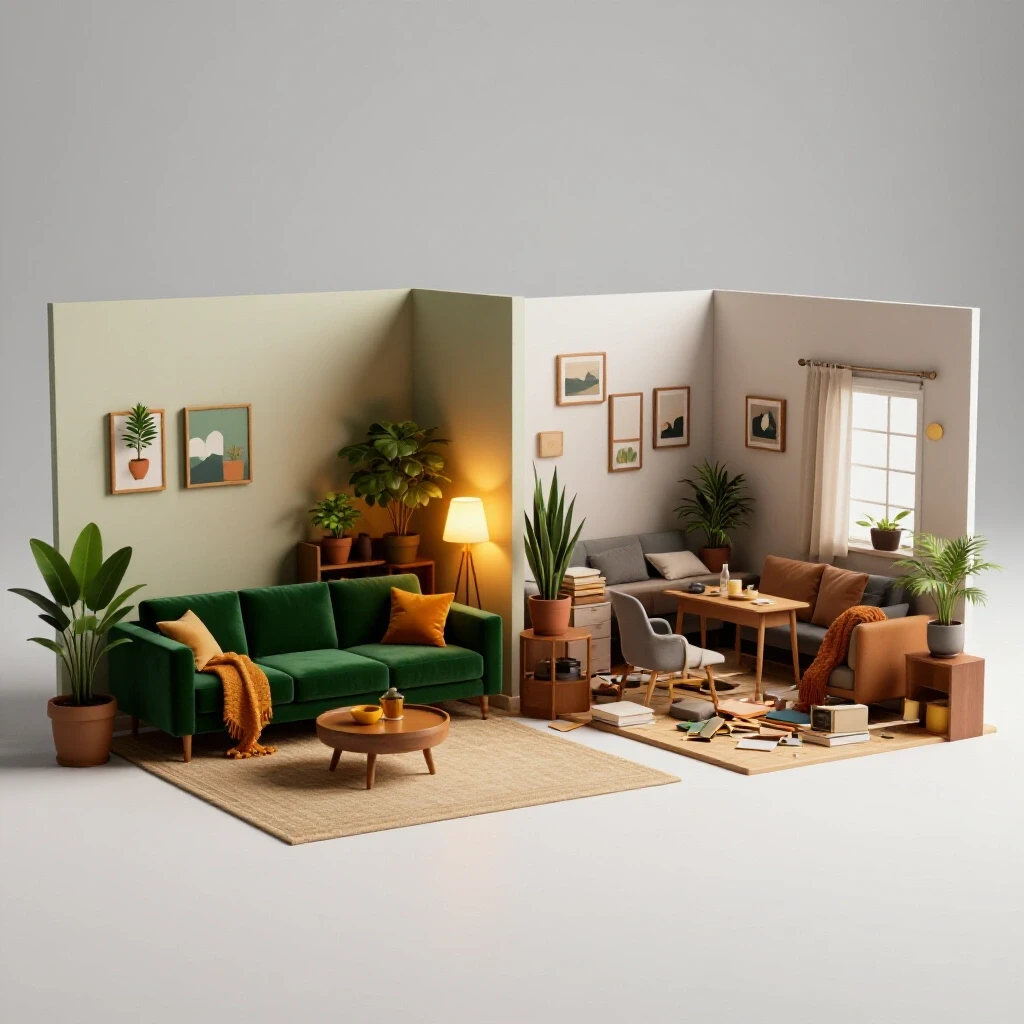
Spatial layout adaptation is the process of modifying how you use your physical environment to match the specific dimensions and flow of a new home. It involves analyzing structural scale—the actual size of the rooms—and circulation paths, which are the invisible “roads” people walk through a house. Understanding these concepts is vital because it prevents the common mistake of overcrowding a room, which can lead to feelings of claustrophobia and increased household tension.
Why Blind Furniture Placement Fails—And How to Draft Your First Spatial Layout Blueprint
A spatial layout blueprint is a scaled map of your living area that accounts for fixed architectural elements like windows, radiators, and door swings. It prevents the physical strain of moving heavy items multiple times and ensures your furniture supports, rather than hinders, daily movement. Drafting this plan before the moving truck arrives is the most effective way to reduce transition anxiety.
When we move, we often try to replicate our previous home’s setup. However, a layout that worked in a square suburban living room rarely translates to an open-concept loft or an older home with narrow corridors. I recommend starting with a “spatial audit.” Measure every wall, but also measure the “dead space” created by door swings. A door needs about 30 to 36 inches of clear arc to open fully. If your dresser sits even two inches into that arc, you will feel a micro-stressor every time you enter the room.
To create a functional home transition planning strategy, you must prioritize circulation. In ergonomics, a primary walkway should be at least 36 inches wide. Secondary paths, such as the space between a bed and a wall, can be narrower, around 24 inches, but should never feel tight. By mapping these paths first, you define where furniture cannot go, which ironically makes it much easier to decide where it should go.
Spatial Blueprint Compatibility Matrix
| Furniture Item | Standard Footprint (Sq. Ft.) | Required Clearance Margin | Ideal Placement Zone |
|---|---|---|---|
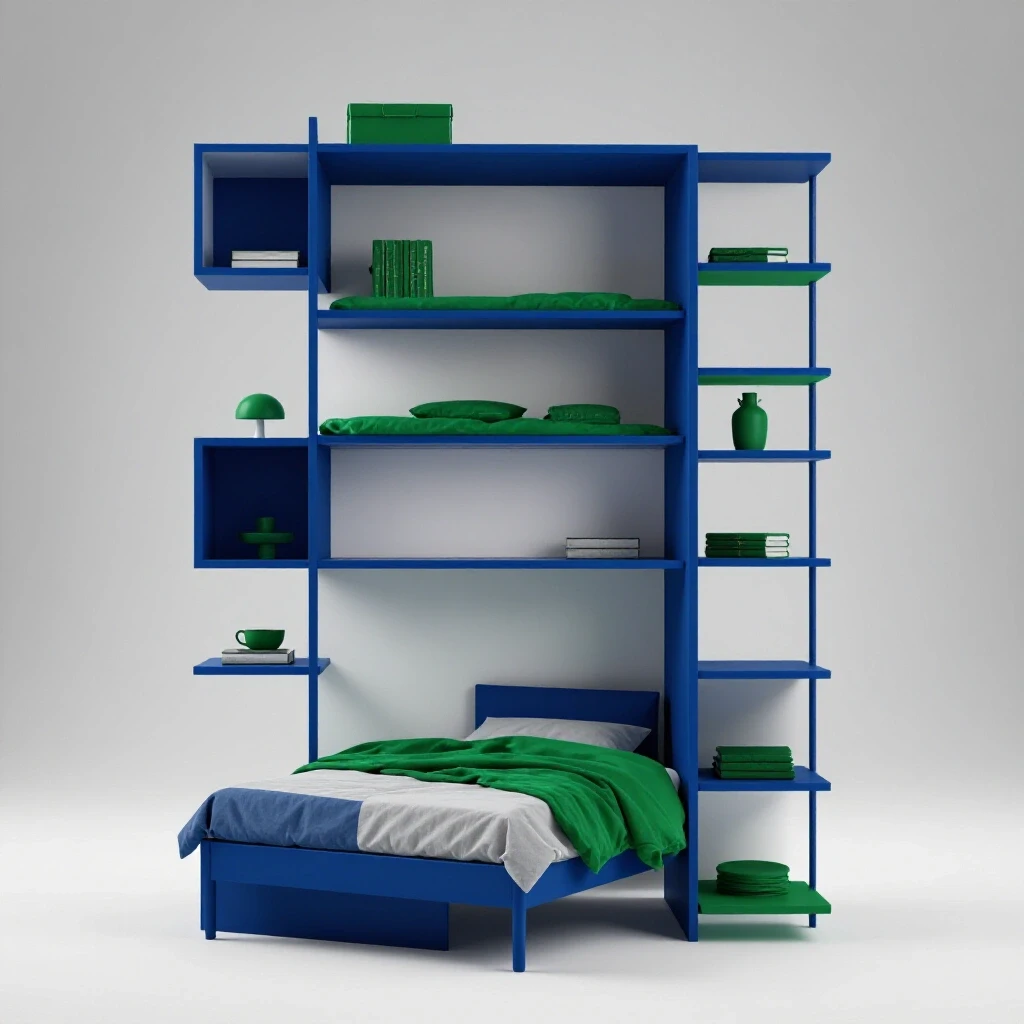
| Queen Bed | 33 sq. ft. | 24–30 inches on sides | Against a solid wall, away from door |
| 3-Seat Sofa | 15–18 sq. ft. | 36 inches for main traffic | Facing a focal point or window |
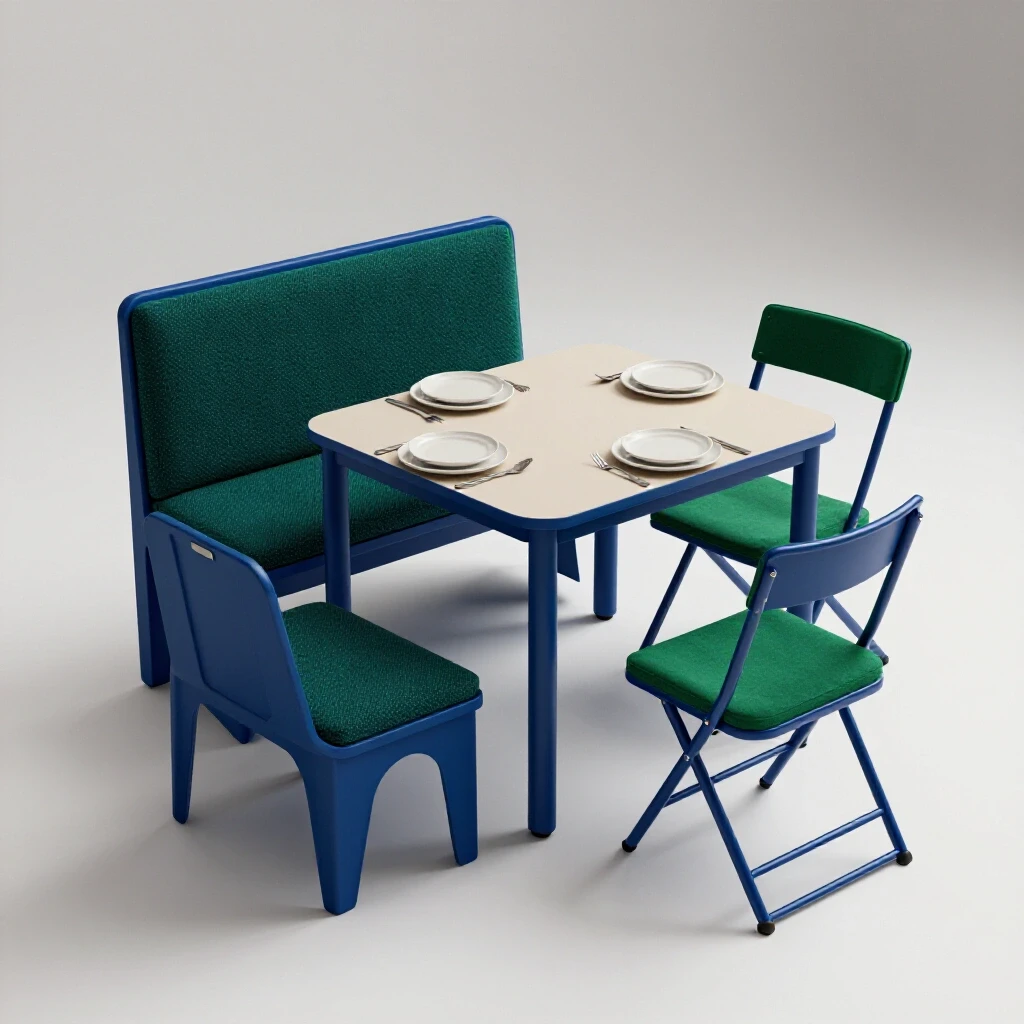
| Dining Table (4) | 12–16 sq. ft. | 36 inches from walls/units | Near kitchen access, central |
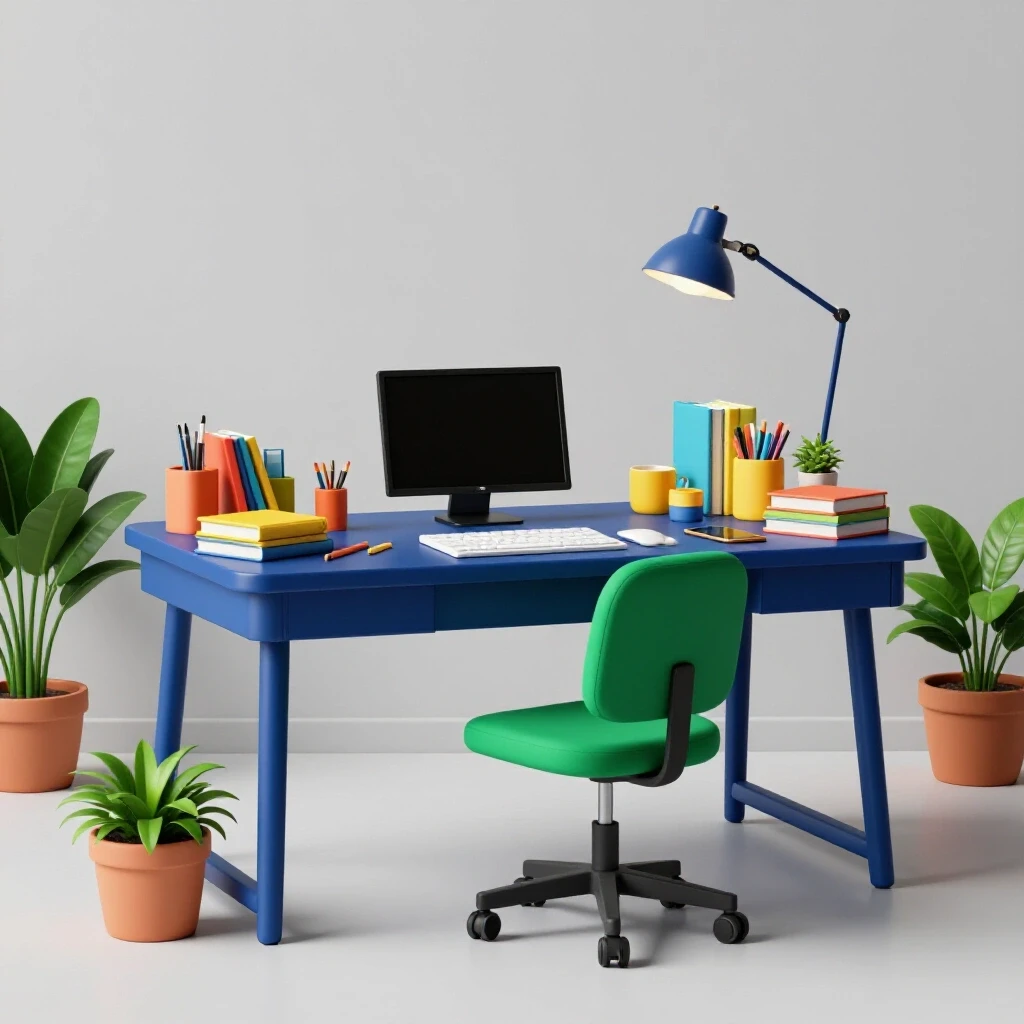
| Desk/Workspace | 8–10 sq. ft. | 30 inches for chair pull-out | Natural light source, low-traffic |
Navigating the “Problem Child” Area: Strategies for Awkward Floor Plans
Awkward floor plans are spaces with irregular shapes, low ceilings, or excessive doorways that disrupt standard furniture arrangements. Solving these requires functional zoning—dividing one room into multiple purpose-driven areas using visual anchors like rugs or lighting. This approach turns a confusing, large space into a series of comfortable, usable “micro-rooms.”
In our last move, we had a room with five different doors and two large windows. There wasn’t a single “long wall” for a sofa or a media console. We felt stuck. The solution was to move furniture away from the walls entirely. This is a core principle of small room furniture layout: “floating” furniture. By placing the sofa in the center of the room and using a rug to define the seating area, we created a clear walking path behind the furniture. This stopped the room from feeling like a crowded intersection.
When you encounter a room that doesn’t make sense, look at the floor. Use painter’s tape to mark out where your furniture will sit. Leave it there for 24 hours. Walk through the taped-off paths. Do you have to turn your shoulders to get past the “table”? If so, that furniture piece is too large for the footprint. This physical testing phase is a crucial part of any new home adjustment guide because it provides data that a 2D drawing cannot.
The First-Month Spatial Adjustment Timeline
Establishing a new routine requires more than just unpacking boxes; it requires a phased approach to how you inhabit the space. Research into housing adaptation suggests that it takes about 30 days for a new environment to feel “automatic.” During this time, your brain is mapping the location of light switches, the height of steps, and the distance to the coffee maker.
- Days 1–3: The Survival Phase. Focus on the “Core Four”: the bed, the shower, the coffee station, and one comfortable place to sit. Don’t worry about the awkward spare room yet. Ensure your home moving checklist includes a “First Night Box” with tools, chargers, and basic toiletries.
- Days 4–10: The Flow Test. Unpack the kitchen and main living areas. Pay attention to where clutter naturally accumulates. If mail is piling up on the dining table, you need a “landing strip” or a small console table near the entrance.
- Days 11–21: The Problem-Solving Phase. This is when you tackle the rooms that aren’t working. Rearrange the furniture in the difficult zone. Try three different configurations if you have to. This is the time to adjust your spatial layout adaptation based on how you actually move.
- Days 22–30: The Integration Phase. Start looking outward. Use neighborhood community building strategies to connect with your surroundings. Walk a different route each day to map out local parks, grocery stores, and neighbors.
Optimizing Small or Irregular Zones with Functional Zoning
Functional zoning is the practice of using visual cues to tell your brain what a specific part of a room is for. In a multi-purpose room, you might have a home office, a guest bed, and a workout area all in 150 square feet. Without zoning, this space will always feel cluttered and stressful.
To zone effectively, use “vertical boundaries.” A tall bookshelf can act as a room divider without the permanence of a wall. A rug can act as a “floor island,” signaling that everything on the rug belongs to the “living zone.” Lighting is another powerful tool. A floor lamp over a chair creates a “reading zone” even in the corner of a busy bedroom.
I once helped a family who was downsizing into a home where the dining room had to double as a playroom. We used low storage bins to create a physical boundary between the table and the play area. This allowed the parents to maintain a sense of order while giving the children a defined space for their toys. It wasn’t a perfect renovation, but it was a practical adaptation that supported their daily life.
Building Community and Establishing Neighborhood Roots
A successful move isn’t just about what happens inside your four walls; it’s about how you integrate into the neighborhood. Feeling like an outsider in your own community can make even a perfectly laid-out home feel cold. I recommend a “community mapping” exercise. Take a physical map of your new area and highlight five key spots: a local coffee shop, a park, a library, a grocery store, and a “third space” (a place that isn’t work or home).
Visit these places at the same time each week. Consistency is the secret to building community. When the barista recognizes your order or you see the same parent at the park, the neighborhood starts to feel smaller and more manageable. This social integration reduces the “relocation blues” and helps you feel more grounded in your new life.
Furniture Clearance Guidelines by Room Footprint
| Room Type | Minimum Walkway | Furniture Distance from Wall | Functional Tip |
|---|---|---|---|
| Living Room | 36 inches | 2–3 inches (avoids scuffs) | Group seating within an 8ft diameter |
| Bedroom | 24–30 inches | 10–12 inches from nightstand | Ensure path to bathroom is clear |
| Home Office | 30 inches | N/A | Place desk facing door or window |
| Hallway | 36 inches | 0 inches (use slim profiles) | Keep floor clear of shoes/bags |
Essential Tools for Modern Layout Planning
Transitioning into a new home is significantly easier when you use digital and physical tools to visualize the space before you lift a single heavy box. Here are five resources that can help you manage your spatial layout:
- MagicPlan (App): This tool uses your phone’s camera to create floor plans. It is excellent for quickly capturing the dimensions of an awkward room during a walkthrough.
- Floorplanner.com: A web-based tool that allows you to drag and drop furniture into a 2D or 3D model of your home. It’s perfect for testing if your old sectional will fit.
- Graph Paper and Cutouts: Sometimes the old-fashioned way is best. Draw your room to scale (1 square = 1 foot) and cut out paper shapes representing your furniture.
- Trello or Notion: Use these for your home moving checklist. You can create boards for “To Buy,” “To Sell,” and “Room Layout Ideas.”
- Painter’s Tape: This is the most valuable tool in your moving kit. Use it to “draw” furniture on the floor of your new home to test traffic flow and scale.
Common Moving Layout Mistakes to Avoid
In my experience, most spatial stress comes from three common errors. First is the “Wall-Hugging Syndrome,” where all furniture is pushed against the perimeter. This often makes a room feel like a waiting room rather than a living space. Second is “Scale Mismatch,” which happens when you try to put oversized furniture from a large house into a smaller, more compact floor plan. If a piece of furniture takes up more than 40% of a room’s floor space, it is likely too large.
The third mistake is ignoring “Sight Lines.” When you walk into a room, what is the first thing you see? If it’s the back of a couch or a cluttered desk, the room will feel uninviting. Try to arrange furniture so that the “view” into the room is open and welcoming. This simple shift in perspective can change the entire energy of your home transition.
Final Steps for a Grounded Transition
Adapting to a new home is a marathon, not a sprint. The goal is not to have a “perfect” house on day one, but to create a space that evolves with your family’s needs. Start by solving the most frustrating spatial bottlenecks. If you can’t walk through the kitchen without bumping into a chair, fix that first.
Once the physical layout is functional, focus on the routines. Set up your “landing strip” for keys and mail. Organize your kitchen so that the things you use daily are within easy reach. These small, practical systems are what turn a house into a home. Remember, the room you can’t figure out today will likely become your favorite spot once you stop fighting its quirks and start working with them.
Frequently Asked Questions
How do I know if my furniture is too big for the new room? A good rule of thumb is the 60/40 rule. Furniture should occupy no more than 60% of the available floor space. The remaining 40% should be open for “white space” and traffic flow. If you find yourself having to shuffle sideways to move around a piece of furniture, it is too large for that specific layout.
What is the best way to handle a long, narrow “bowling alley” room? Break the room into two or three distinct zones. Use a rug to define a seating area at one end and a small desk or a reading nook at the other. Avoid placing all the furniture along one long wall, as this emphasizes the narrowness. Instead, place some pieces perpendicular to the long walls to “break” the visual line.
How much space do I really need for a dining chair? You should allow at least 36 inches from the edge of the table to the nearest wall or piece of furniture. This provides enough room for someone to pull out the chair and sit down comfortably, and for someone else to walk behind them.
What should I do if my new home has no entryway or foyer? Create a “faux foyer” using a small console table, a rug, and some wall hooks. Even 24 inches of dedicated space near the front door can serve as a mental and physical transition zone, preventing clutter from spreading into the living room.
How can I make a dark, awkward corner feel useful? Lighting is key. Add a floor lamp or a wall-mounted sconce to turn a dark corner into a purposeful zone. You can also place a large plant or a small “floating” shelf there to give the eye a place to rest, making the corner feel intentional rather than forgotten.
How long does it typically take to feel “at home” after a move? Most relocation research suggests it takes three to six months to feel fully integrated into a new neighborhood and about 30 days to feel comfortable with your internal home layout. Be patient with yourself during this window of adjustment.
What is the most important measurement to take before moving in? Beyond wall length, measure the width and height of all doorways, hallways, and stairwells. There is nothing more stressful than realizing your sofa won’t fit through the front door or around a tight corner in a hallway.
How do I decide which room should be the “primary” living space in an open floor plan? Look for the natural focal point, such as a fireplace, a large window with a view, or the area with the most natural light. Usually, the zone closest to the kitchen serves best as a dining area, while the zone further away works better for relaxation and media.
Can I use area rugs on top of carpet to define zones? Yes, this is a common and effective technique. A rug on top of carpet adds a layer of texture and provides a visual boundary for a specific functional zone. Just ensure the rug is heavy enough or anchored by furniture so it doesn’t bunch up and create a trip hazard.
What are “circulation paths” and why do they matter? Circulation paths are the natural routes people take to get from one point to another (e.g., from the bedroom to the bathroom). If your furniture blocks these paths, it creates “spatial friction,” leading to daily frustration and physical discomfort. Mapping these paths ensures your home feels easy to navigate.
(This article was written by one of our staff writers, Kevin Thompson. Visit our Meet the Team page to learn more about the author and their expertise.)