How to Set Up a Functional Nursery That Lasts (Step-by-Step Guide)

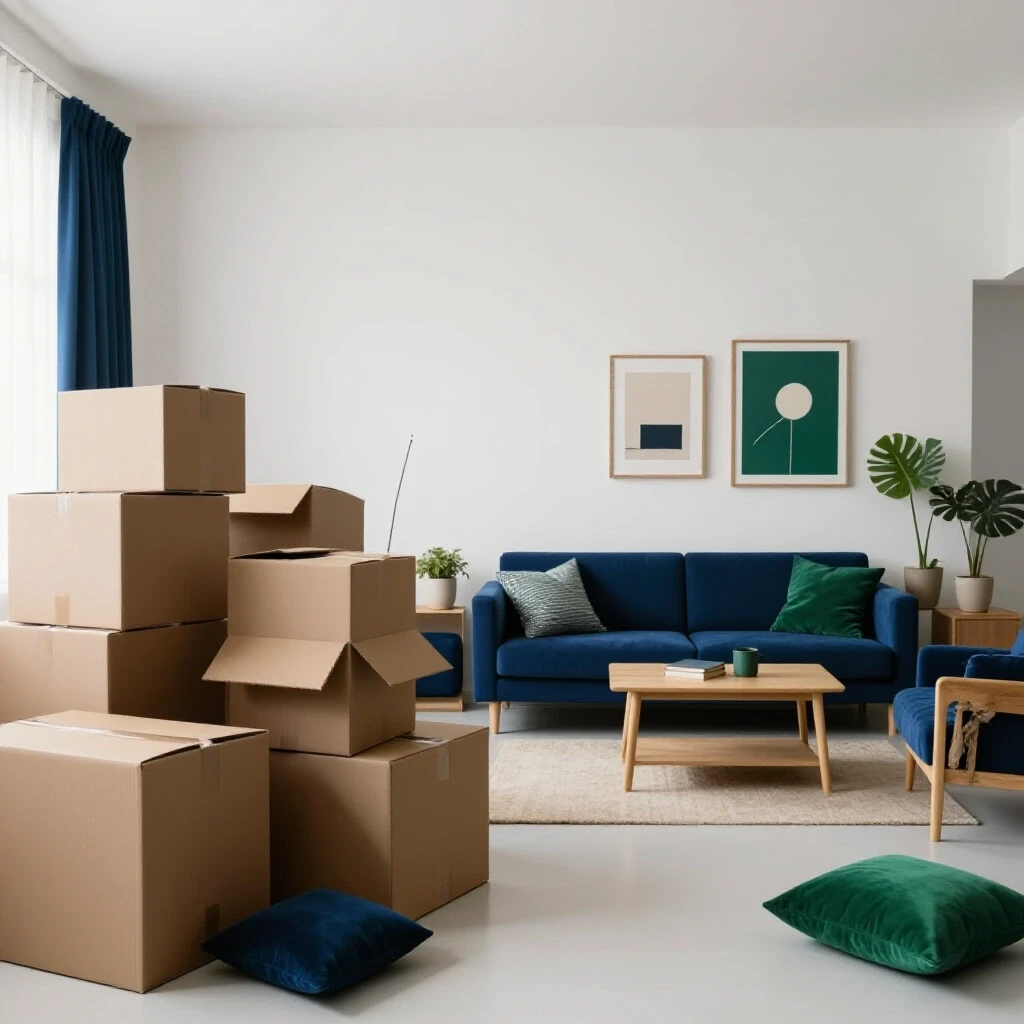
Focusing on ease of use is the most effective way to reduce the friction of moving into a new home. Over the last 19 years, I have moved my family between four different residences, ranging from cramped urban apartments to suburban houses. Each move taught me that the most successful room designs are those that prioritize long-term utility over immediate aesthetics. When you are staring at a sea of boxes and an unfamiliar floor plan, the goal is to create a space that supports your daily rhythm from day one and continues to work as your family grows.
Understanding Spatial Layout Adaptation for Growing Families
Spatial layout adaptation is the process of modifying how you use a room’s square footage to meet specific functional needs while accounting for the physical constraints of a new environment. It involves analyzing traffic patterns, light sources, and furniture scale to ensure a room remains usable as household requirements change over several years.
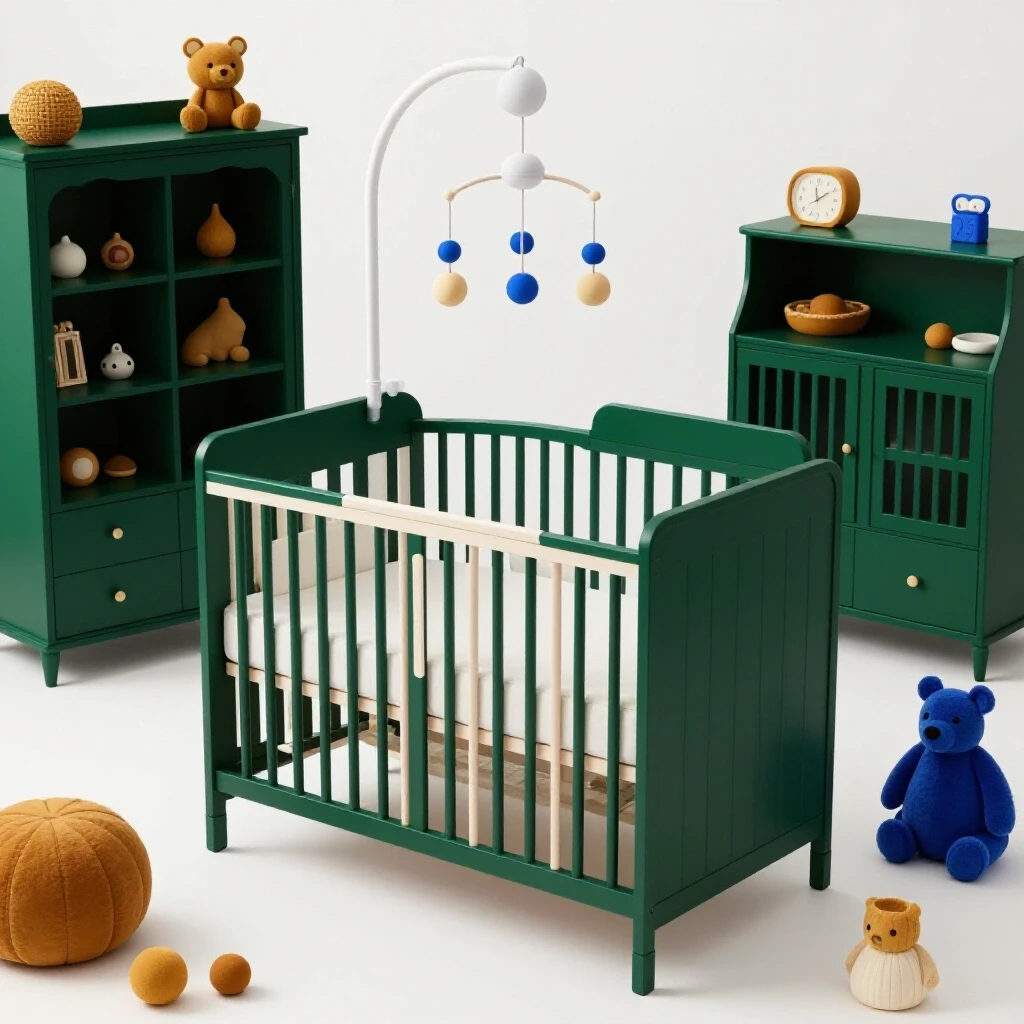
When we moved into our third home, I had to fit a full infant setup into a room that was 20% smaller than our previous one. This required a “spatial audit.” Before moving a single heavy dresser, I measured the “circulation paths”—the walking routes we take most often. In a child’s room, these paths usually run between the door, the sleeping area, and the changing station. Keeping these paths at least 30 to 36 inches wide prevents the room from feeling claustrophobic and reduces the risk of tripping during late-night visits.
Why Structural Scale and Circulation Planning Matter
Structural scale refers to how the size of your furniture relates to the actual dimensions of the room, while circulation planning ensures you can move freely without obstacles. If furniture is too large, it “chokes” the room; if it is too small, the space feels cavernous and uninviting.
In my experience, the biggest mistake is trying to force a large furniture set into a small room just because it worked in the old house. I’ve learned to prioritize “visual weight.” For example, a crib with thin spindles feels lighter and takes up less visual space than a solid-panel wooden crib, even if their footprints are identical. This small distinction can make a 10×10 room feel much more breathable.
Spatial Blueprint Compatibility Matrix
| Feature | Small Room (Under 100 sq ft) | Medium Room (100–144 sq ft) | Large Room (145+ sq ft) |
|---|---|---|---|
| Furniture Scale | Multi-functional, slim profiles | Standard sizes, 1-2 focal pieces | Large sets, can include seating |
| Circulation Path | Minimum 28 inches | Standard 32–36 inches | Wide 40+ inches |
| Storage Strategy | Vertical shelving, under-bed | Closet organizers, dressers | Wardrobes, toy chests, cubbies |
| Zoning | Overlapping zones | Distinct sleep/play zones | Separate sleep, play, and feeding |
Mapping Furniture to New Scales and Awkward Floor Plans
Mapping furniture involves using your new floor plan to decide exactly where every piece will go before the moving truck arrives. This step prevents “furniture Tetris,” where you move heavy items multiple times trying to find the right spot, which only adds to the stress of a home transition.
During our cross-country move, I used a simple grid paper system to represent our new rooms. I cut out paper templates of our existing furniture at the same scale. I quickly realized that our favorite rocking chair wouldn’t allow the closet door to open fully in the new layout. By identifying this on paper first, we decided to sell the chair and buy a smaller swivel glider that fit the corner perfectly. This saved us the physical labor of moving a piece that was destined to fail.
Strategies for Small Room Furniture Layout
A small room furniture layout requires a “less is more” approach, focusing on essential pieces that serve multiple purposes over time. This might mean choosing a dresser that also serves as a changing station or a crib with built-in drawers to maximize every square inch of the footprint.
- Center the Sleep Zone: Place the crib or bed against a solid wall, away from windows and heaters.
- Clearance Margins: Maintain at least 2 feet of space around the crib for easy access and sheet changes.
- Vertical Advantage: Use wall-mounted shelves for books and decor to keep floor space open for movement.
- Door Swings: Always account for the 30-36 inch arc of the door and closet to ensure they don’t hit furniture.
Furniture Clearance Guidelines by Room Footprint
- Primary Walkways: 36 inches for comfortable passage.
- Secondary Paths: 30 inches between furniture pieces.
- Dresser Clearance: 24–30 inches in front of drawers to allow them to open fully while you stand there.
- Changing Table Height: 32–34 inches to prevent back strain for most adults.
- Shelf Depth: 12 inches for standard books; 15-18 inches for toy bins.
Executing a Step-by-Step Unpacking Plan
A step-by-step unpacking plan is a prioritized schedule that focuses on setting up high-utility zones first to establish a sense of normalcy. Instead of trying to unpack the whole house at once, you focus on the rooms that dictate your daily routine and sleep quality.
When we arrived at our fourth home, the child’s room was the first priority. We didn’t focus on hanging pictures or organizing toys. Instead, we focused on the “Essential Three”: the sleeping surface, the changing/clothing station, and the lighting. By having these three systems functional by the first night, we maintained a consistent routine for our kids, which significantly lowered their anxiety—and ours—during the transition.
The First-Month Spatial Adjustment Timeline
| Phase | Focus Area | Goal |
|---|---|---|
| Day 1 | Sleep & Safety | Assemble crib/bed, install window coverings, clear floor paths. |
| Week 1 | Routine Basics | Organize clothing, set up changing station, unpack daily books. |
| Week 2 | Storage Systems | Install wall shelves, organize closet, label toy bins. |
| Week 4 | Personalization | Hang wall art, add area rugs, adjust furniture based on flow. |
Optimizing Awkward Spaces and Functional Zoning
Functional zoning is the practice of dividing a room into specific areas dedicated to different activities, such as sleeping, playing, and dressing. This organization helps a small or awkwardly shaped room feel more structured and prevents “clutter creep” where items from one activity take over the entire space.
In one of our apartments, the designated nursery was a long, narrow “railroad” style room. It felt like a hallway. To fix this, we used a large area rug to define the “play zone” at one end and placed the crib at the other. This visual separation made the room feel like two distinct spaces rather than one cramped corridor. We also used a “visual weight shift,” placing the heaviest furniture (the dresser) furthest from the door to make the entrance feel more open.
Designing for Daily Routine Durability
A durable routine design means the layout supports your habits without requiring constant tidying or rearranging. This includes placing the diaper pail within arm’s reach of the changing table and ensuring the laundry hamper is located where undressing actually happens.
- The Arm’s Reach Rule: Keep all high-frequency items (wipes, diapers, burp cloths) within 12–18 inches of the primary workspace.
- Lighting Layers: Use a dimmable floor lamp for night feedings and a brighter overhead light for playtime.
- Adaptable Storage: Use open bins for toys so that clean-up takes minutes, not hours.
- Floor Comfort: If the room has hard floors, a low-pile rug provides a soft surface for floor play and helps with sound dampening.
Building Community and Neighborhood Integration
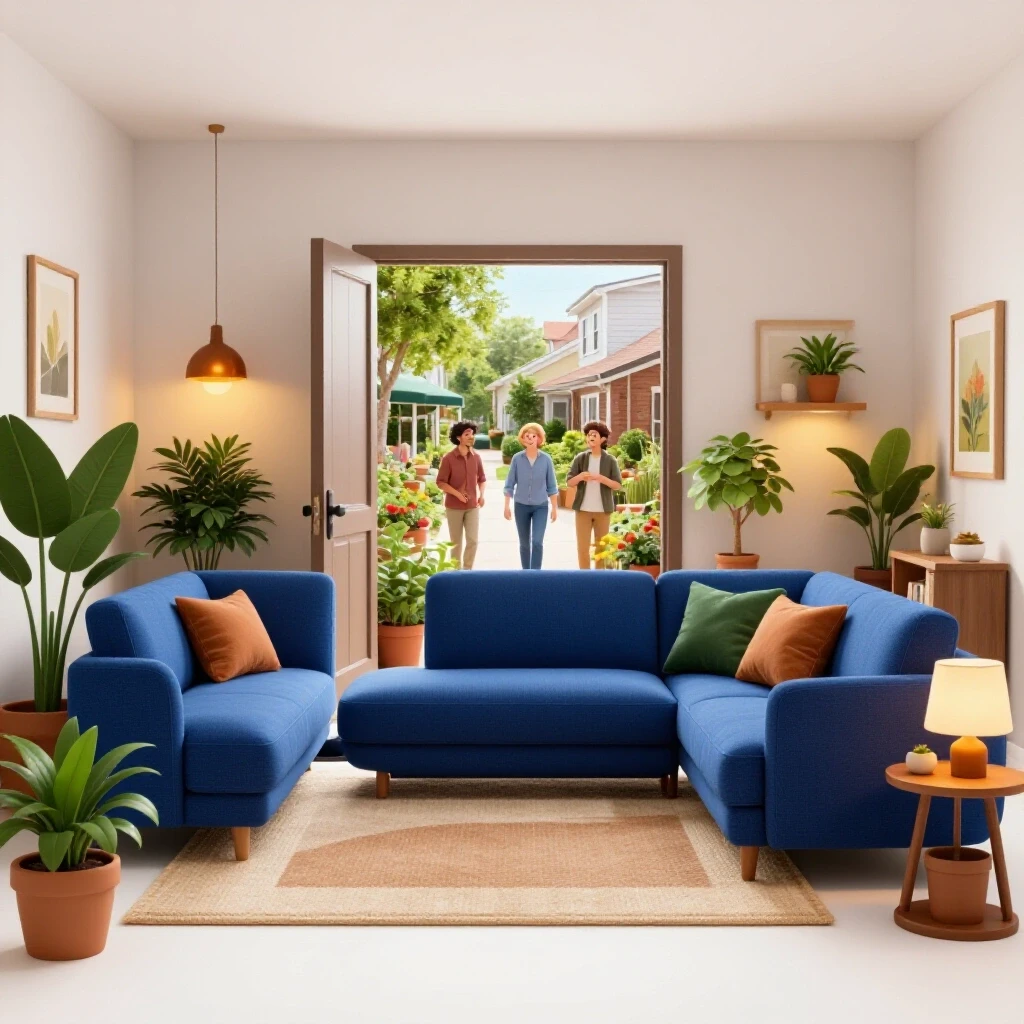
Neighborhood community building is the intentional effort to connect with your new surroundings and neighbors to establish a support network. For families, this often involves finding local parks, libraries, and parent groups that help the new location feel like a true home.
Moving is isolating. I remember feeling like a stranger in my own driveway for the first month of our second move. To break the ice, we took daily walks at the same time every afternoon. This “routine visibility” led to natural conversations with neighbors. We also sought out the local “anchor points”—the neighborhood playground and the nearest library branch. These spots are where you meet people in the same life stage, which is vital for long-term emotional adjustment.
New Home Adjustment Guide: Social Steps
- The “Front Yard” Strategy: Spend time in the front of your house or at the local park to encourage spontaneous greetings.
- Locate Essentials: Find the nearest 24-hour pharmacy and grocery store within the first 48 hours.
- Join Local Groups: Use digital platforms or community boards to find neighborhood-specific parent or hobby groups.
- Host a “Low-Stakes” Open House: Once the main zones are unpacked, invite immediate neighbors over for coffee to introduce yourself.
Resources and Tools for Layout Planning
To help with your transition, several tools can simplify the process of mapping out your new environment. These resources allow you to experiment with different configurations without the physical strain of moving furniture.
- MagicPlan: An app that uses your phone’s camera to create floor plans simply by scanning the room.
- RoomPlanner (by Chief Architect): A detailed tool for placing specific furniture items and viewing them in 3D.
- Homey: An app focused on organizing household tasks and routines during a transition.
- Floorplanner.com: A web-based tool that is excellent for testing different furniture scales against a digital blueprint.
- Sortly: A visual inventory app that helps you track which boxes contain specific items for each room zone.
Key Takeaways for a Smooth Transition
Setting up a functional environment for a child is not about achieving a specific look; it’s about creating a system that lasts. By auditing your space, respecting furniture scale, and prioritizing functional zones, you can create a room that evolves with your family.
- Measure twice, move once: Use digital or paper blueprints to avoid furniture that blocks doors or paths.
- Prioritize the essentials: Focus on sleep and safety zones on the first day of the move.
- Maintain clear paths: Keep 30-36 inch walkways to ensure the room remains safe and functional.
- Think long-term: Choose furniture that can adapt, such as dressers that transition from changing tables to standard storage.
- Be patient with the process: Realize that it takes about four weeks to truly understand how a new layout feels in practice.
Frequently Asked Questions
How do I fit a full nursery setup into a very small bedroom?
Focus on multi-functional furniture. Use a mini-crib instead of a full-sized one to save about 10-15 square feet of floor space. Utilize vertical storage by installing floating shelves for books and supplies, and use a dresser with a removable changing pad on top rather than a separate changing table. Ensure you keep the main walkway at least 28 inches wide to maintain a sense of flow.
What furniture pieces are worth keeping during a move and which should I replace?
Keep pieces that are structurally sound and have a “standard” footprint, such as a high-quality crib or a versatile dresser. Replace items that are overly bulky for your new square footage or those that only serve one highly specific purpose. If a piece of furniture prevents a door from opening or blocks a vent in the new layout, it is better to sell it and find a better-fitting alternative.
How can I make a temporary rental space feel more permanent for my child?
Use “non-permanent” adaptations like area rugs, peel-and-stick wall decals, and tension rods for curtains. These allow you to customize the environment without violating a lease. Focus on the layout of furniture to create distinct “zones” for play and sleep, which provides the structural stability children need to feel settled in a new environment.
What is the most common layout mistake people make in a child’s room?
The most common mistake is pushing all furniture against the walls, which can leave a large, awkward empty space in the middle that feels uninviting. Another frequent error is ignoring the “swing” of doors and drawers. Always measure for the 24-30 inches needed to fully open dresser drawers or the 36-inch arc of the bedroom door.
How do I handle the stress of moving with a young family?
The best way to manage stress is to have a clear “Day One” plan. Pack a “First Night” box for each family member that includes pajamas, a favorite toy, basic toiletries, and a change of clothes. Prioritize setting up the sleeping areas first. When the children have a familiar and functional place to sleep, their stress levels drop, which makes the rest of the unpacking process much smoother for the adults.
When is the best time to start planning the layout of the new home?
You should start as soon as you have the floor plan or have done a walkthrough of the new space. Ideally, this happens 2-4 weeks before the move. Measuring your existing furniture and comparing those dimensions to the new room’s measurements will help you decide what to pack, what to sell, and what new items you might need to purchase.
How do I ensure the new room layout is safe?
Ensure that the crib is placed away from windows to avoid cords or drafts. Check that all heavy furniture, like dressers and bookshelves, are anchored to the wall to prevent tipping. Keep a clear path of at least 30 inches to the door, and ensure there are no loose rugs or cords in the high-traffic “circulation paths.”
How long does it take to feel “at home” in a new neighborhood?
Research and personal experience suggest it takes about 3 to 6 months to feel truly integrated. The first month is usually focused on the physical layout and logistics. By the third month, you usually have established basic routines and met a few neighbors. By six months, you typically have a better grasp of the local community and have formed the beginnings of a social support network.
What are the best dimensions for a changing station?
For ergonomic comfort, a changing surface should be between 32 and 34 inches high. This prevents the person changing the diaper from having to hunch over, which can lead to back pain over time. Ensure there is at least 24 inches of standing room in front of the station so you can work comfortably without feeling cramped.
How can I optimize a room with an awkward shape, like a slanted ceiling?
Use the areas with lower ceiling heights for storage or low-profile items like toy bins or a floor-level reading nook. Place the crib or bed in the area with the highest ceiling clearance to prevent the space from feeling claustrophobic. Use light-colored paint or mirrors on the opposite wall to reflect light and make the angled walls feel less oppressive.
(This article was written by one of our staff writers, Kevin Thompson. Visit our Meet the Team page to learn more about the author and their expertise.)