How to Make Family Life Easier With One Simple Change (Easy Tip)

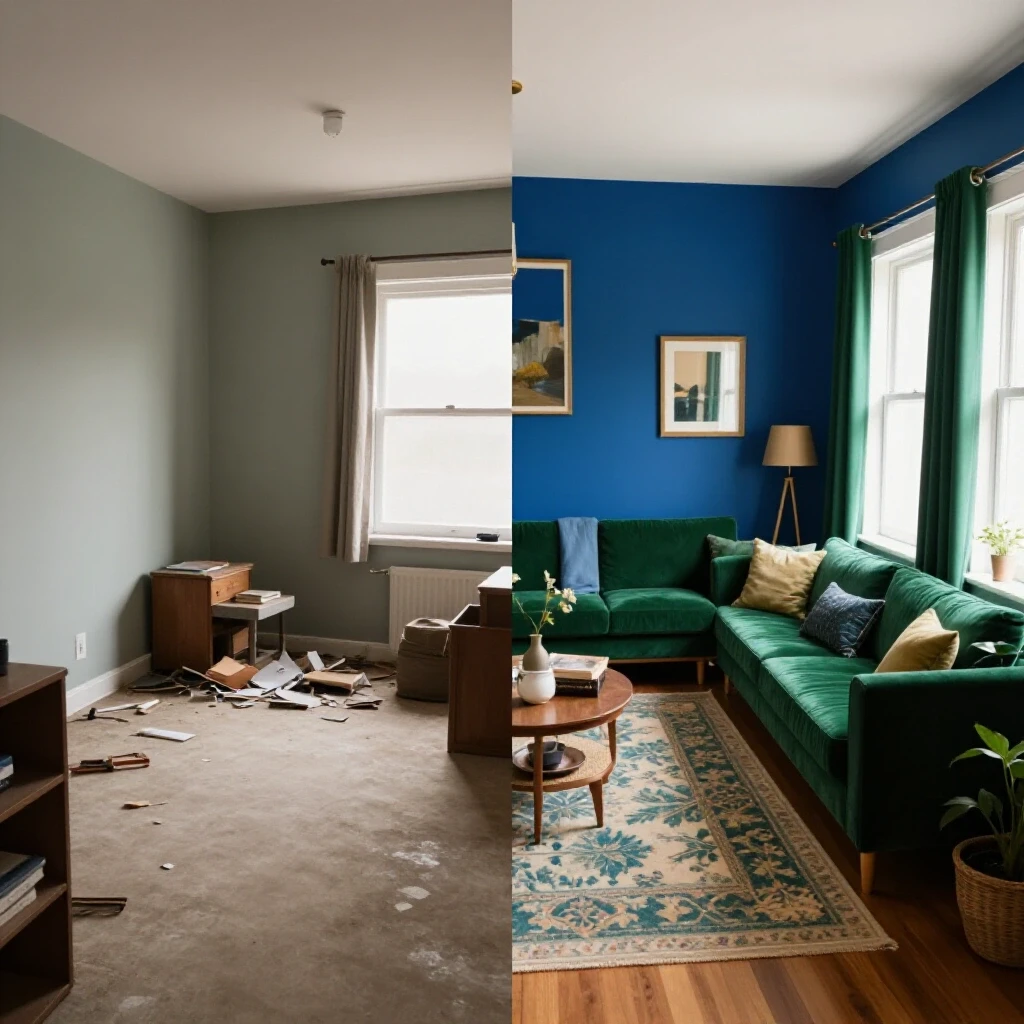
Moving into a new home is often sold as a fresh start, but for most of us, it feels like a high-stakes puzzle where the pieces don’t quite fit. Over 19 years and four major family relocations, I have spent countless nights staring at floor plans, trying to figure out why a sofa that looked great in our old house suddenly felt like a roadblock in the new one. The stress of a cross-country move isn’t just about the boxes; it is about the friction of living in a space that doesn’t yet “work” for your daily life. After years of trial and error, I discovered that the most impactful shift wasn’t buying new things, but rather a single, fundamental change in how we organized our furniture to prioritize movement and function over traditional wall-hugging layouts.
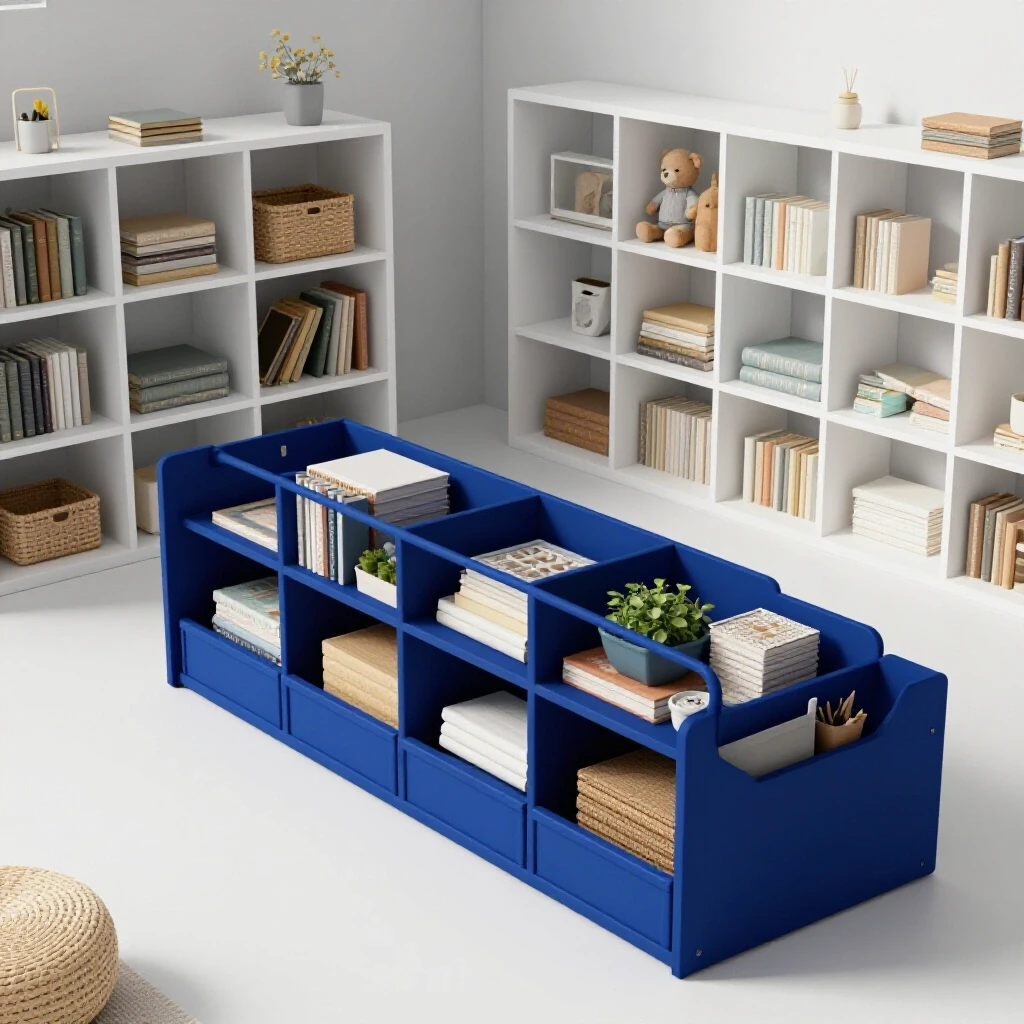
The Foundation of Home Transition Planning: Understanding Your Footprint
Home transition planning is the process of auditing your physical belongings against the actual dimensions and flow of a new residence. It involves more than just seeing if a bed fits in a room; it requires analyzing how people move through that room and where “dead zones” or “bottlenecks” might occur.
When we moved our family from a sprawling suburban house to a compact urban apartment, I realized our biggest mistake was trying to replicate our old layout in a new footprint. We were exhausted by the logistics, and our stress levels peaked because we couldn’t walk through the living room without bumping into a coffee table. We needed a spatial layout adaptation that focused on how we actually lived, not how the previous tenants did. By shifting our perspective from “where does this go?” to “how do we move past this?”, we began to see the floor plan as a series of pathways rather than just a container for objects.
Why Blind Furniture Placement Fails in New Environments
Small room furniture layout often fails because we instinctively push every piece of furniture against the walls to “save space.” This creates a cavernous, awkward center and makes the room feel like a waiting area rather than a home. It also ignores the reality of structural elements like radiators, low windows, or poorly placed outlets.
In my experience, the “wall-hugging” method actually highlights the limitations of a room. During our third move, I spent hours trying to make a sectional sofa work in a room with three doors and a fireplace. It felt like a losing game of Tetris. The breakthrough came when I stopped looking at the walls and started looking at the floor. We needed to create a “room within a room,” a concept that allows for clear walking paths behind the furniture rather than through the middle of a conversation.
The Core Adjustment: Implementing Zonal Traffic Flow Optimization
Zonal traffic flow optimization is the practice of grouping furniture into functional “islands” that are pulled away from the walls to create dedicated paths for movement. This single adjustment solves the problem of awkward floor plans by defining exactly what each part of a room is for while maintaining 30–36 inch clear walkways.
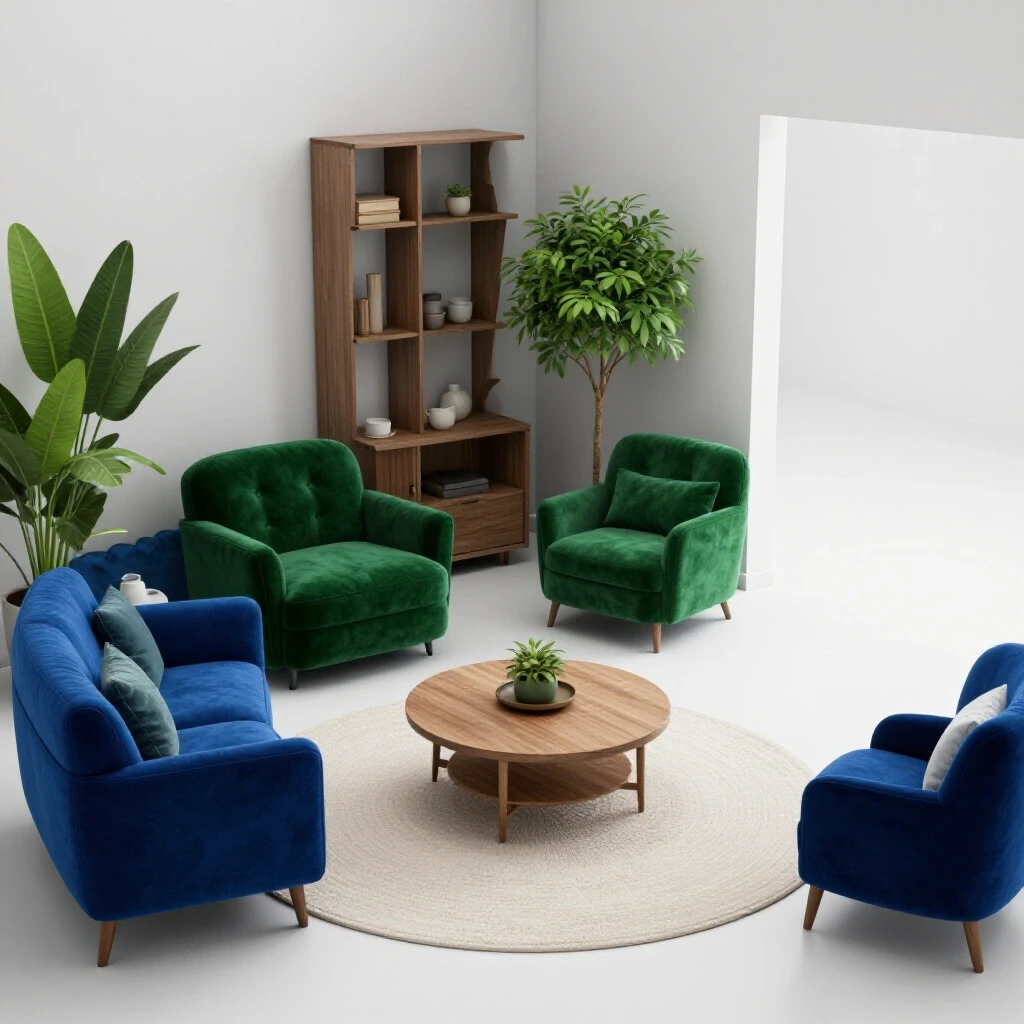
This change was the turning point for our family. Instead of one big, messy room, we created a “reading island,” a “play zone,” and a “conversation circle.” By “floating” the sofa just two feet off the wall, we created a hidden hallway for the kids to run through without interrupting someone watching TV. This didn’t just fix the layout; it reduced the daily friction of four people living in a tight space.
Spatial Blueprint Compatibility Matrix
| Room Type | Primary Challenge | The Zonal Adjustment | Minimum Clearance Needed |
|---|---|---|---|
| Living Room | Multiple entry points | Float sofa to create a “hallway” behind it | 36 inches for main paths |
| Dining Area | Tight footprint | Use a circular table to soften traffic corners | 30 inches behind chairs |
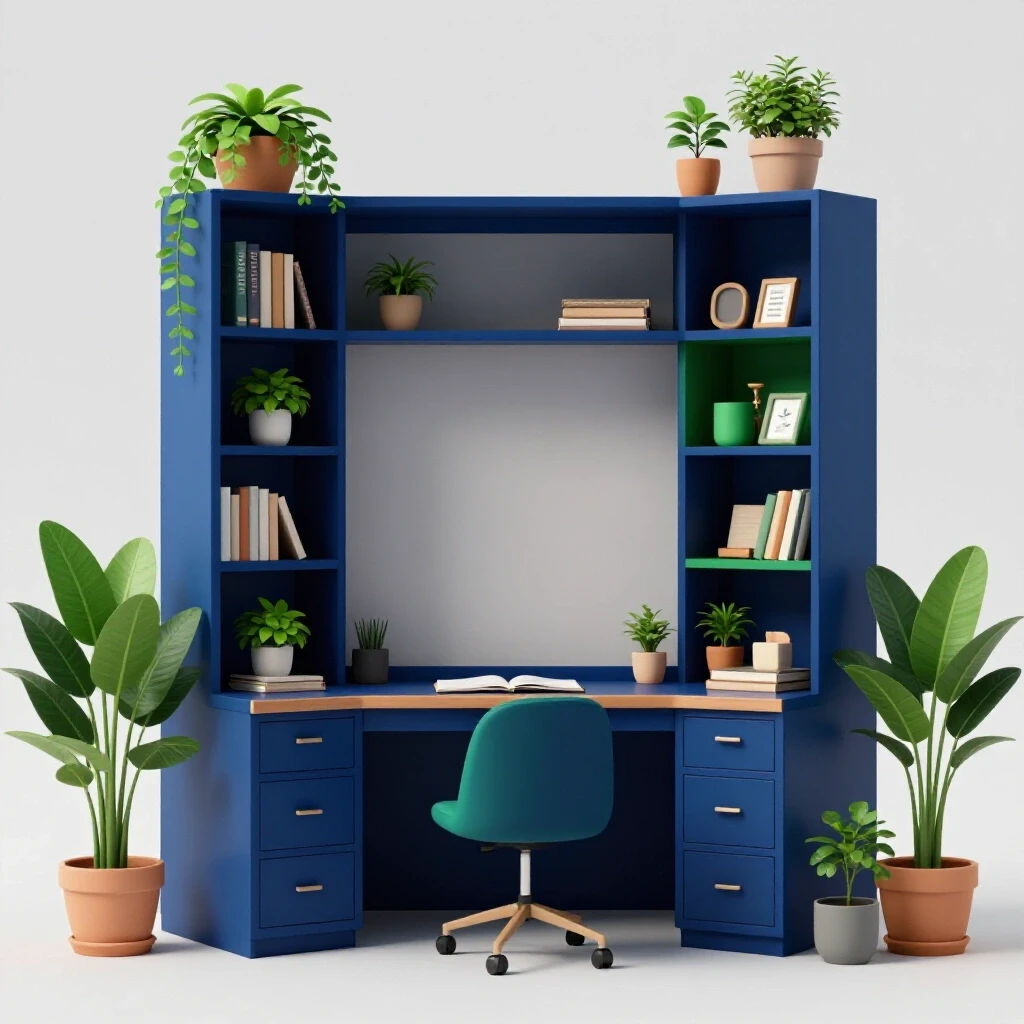
| Home Office | Distractions/Noise | Face desk away from door with a rug “boundary” | 42 inches for chair pull-out |
| Kid’s Bedroom | Floor clutter | Group storage in one “zone” to keep floor open | 24 inches between bed/wall |
Mapping Your New Home Adjustment Guide: The First 30 Days
A successful new home adjustment guide relies on a phased approach to spatial layout. You cannot expect to find the perfect configuration on day one. In my 19 years of moving, I have found that the house “speaks” to you after you have lived in it for a week or two. You notice where the sun hits at 4:00 PM and where the “shoe pile” naturally starts to grow.
During the first week, focus on “rough blocking.” Place the large items generally where you think they go, but do not commit to rugs or heavy decor. By week three, you should be ready to implement your zonal grouping. This is when you measure your clearances and move the furniture those crucial few inches to open up the room.
First-Month Spatial Adjustment Timeline
- Days 1–3: The Survival Phase. Focus on bed placement and clear paths to the bathroom and kitchen. Do not worry about aesthetics.
- Days 4–10: The Observation Phase. Note where family members naturally congregate. Identify “friction points” where people bump into furniture.
- Days 11–21: The Zonal Pivot. Move furniture away from walls. Create 30–36 inch “traffic lanes.” Test the flow for three days.
- Days 22–30: The Refinement Phase. Add rugs to “anchor” your zones and finalize the placement of smaller accent pieces.
Mastering Small Room Furniture Layout Through Strategic Scaling
Adapting your existing furniture to a new, perhaps smaller, environment requires a ruthless look at scale. Visual weight is just as important as physical dimensions. A heavy, dark wood coffee table can make a small room feel claustrophobic, whereas a glass or leggy wooden table allows the eye to see more floor, creating an illusion of space.
In our second move, we had a massive dining table that simply didn’t fit the new breakfast nook. Instead of forcing it, we “zoned” the table into a corner with a bench on one side. This saved 18 inches of clearance space. Understanding that you don’t have to use furniture “as intended” is key to spatial layout adaptation. Sometimes a dresser works better in a hallway than a bedroom, and a desk can serve as a great sofa-back table to define a zone.
Overcoming High-Stress Logistics with a Spatial Audit
Before you even load the truck, a spatial audit can save hours of frustration. This involves measuring every piece of major furniture and comparing it to the new floor plan. I recommend using a simple 1:50 scale drawing or a digital tool. If your sofa is 84 inches long and the only wall without a window is 80 inches, you need to know that before you pay movers to carry it up three flights of stairs.
When we moved across the country, I used a digital floor planner to “pre-place” our items. I realized our king-sized bed would block the closet in the new master bedroom. Because I knew this in advance, we were able to sell the bed frame and buy a lower-profile one that fit the scale of the room. This kind of home transition planning turns a chaotic move into a series of manageable tasks.
Furniture Clearance Guidelines by Room Footprint
- Major Walkways: 36 inches (Standard for two people to pass).
- Minor Walkways: 30 inches (Minimum for comfortable movement).
- Coffee Table to Sofa: 15–18 inches (Close enough to reach, far enough for legs).
- Dining Chair Pull-out: 30–36 inches (To allow someone to walk behind a seated guest).
- Bed to Wall/Dresser: 24 inches (Minimum for walking and opening drawers).
Neighborhood Community Building Through Spatial Openness
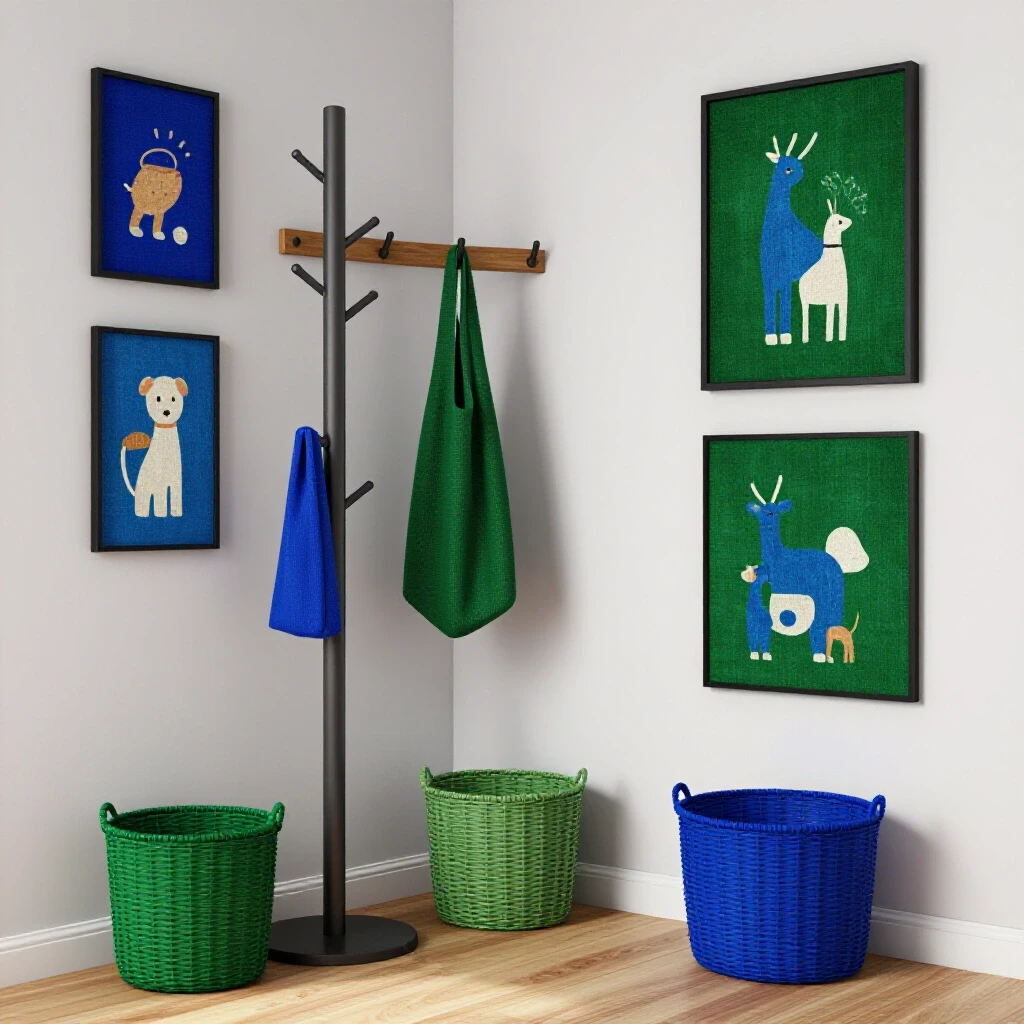
It might seem strange, but your internal home layout can impact how you integrate into a new neighborhood. When we moved to a new suburb, I noticed that our “foyer” was always cluttered with boxes, making us hesitant to open the door to neighbors. By applying our “zonal” rule to the entryway—creating a clear, inviting path and a dedicated “landing zone” for mail and keys—we felt more prepared to welcome people.
Neighborhood community building starts with feeling settled in your own skin and your own home. When your house functions well, you have the emotional energy to step outside and meet the people next door. A cluttered, dysfunctional layout keeps you trapped in a cycle of “fixing the house” instead of “building a life.”
Top Digital Tools for Spatial Mapping and Layout Design
To implement these changes effectively, I have relied on several tools that make the process more visual and less physical. Moving heavy furniture three times is a recipe for a back injury; moving it once on a screen is free.
- MagicPlan: This app uses your phone’s camera to map a room in minutes. It is excellent for getting quick, accurate dimensions of awkward corners.
- Floorplanner.com: A robust browser-based tool that allows you to drag and drop furniture into a 2D or 3D model of your new home.
- Home Design 3D: Great for visualizing how “floating” furniture will look in a three-dimensional space before you move a single chair.
- Trello or Notion: I use these to create a “Box Inventory Packing Log” linked to specific rooms, ensuring that “Zone A” boxes get unloaded exactly where they need to be.
Addressing the “Awkward Room” Syndrome
Every new home seems to have one room that defies logic—a long, narrow “bowling alley” or a room with too many windows. The best way to handle these is to break them into two distinct zones. In a long living room, do not try to make one giant seating area. Instead, use a rug to define a TV zone at one end and a small table or bookshelf to define a “hobby zone” at the other.
In our current home, we have a living room that is also the main thoroughfare to the kitchen. By “floating” our two armchairs at an angle, we directed the traffic flow around the seating area rather than through it. This simple shift in visual weight made the room feel intentional rather than accidental.
Conclusion: The Path to a Settled Home
Transitioning into a new environment is a marathon, not a sprint. The “one change” of prioritizing zonal traffic flow over traditional furniture placement is the most effective way to turn a house into a functional home. It respects the physical reality of your new space while accommodating the messy, beautiful reality of family life.
Start by measuring your main walkways. If they are less than 30 inches, move something. Pull that sofa away from the wall. Create a “zone” for your morning coffee. By focusing on how you move through your space, you will find that the stress of the move begins to lift, replaced by a sense of order and comfort.
FAQ: Navigating Your New Home Layout
How do I know if my furniture is too big for the new room? Measure the “visual footprint.” If a piece of furniture takes up more than 40% of the floor space in a room, it will likely feel overwhelming. Use the 30-inch clearance rule; if you cannot walk around the item with at least 30 inches of space on all sides, it is too large for that specific spot.
What is the “floating furniture” technique exactly? It involves placing your seating (sofas, chairs) away from the walls, often in the center of the room or anchored by a rug. This creates “islands” of function and leaves the perimeter of the room open for traffic flow, which is especially helpful in rooms with many doors or windows.
How can I make an awkward, narrow room feel wider? Avoid placing all furniture along the long walls. Instead, place some items perpendicular to the long walls to “break” the visual line. Using a round coffee table or a circular rug can also help soften the “hallway” feel of a narrow space.
What is the most common mistake people make when unpacking? The most common error is trying to unpack everything at once without a plan. People often fill cabinets and closets randomly just to empty boxes. Instead, unpack by “zone.” Set up your kitchen work zone first, then your sleeping zone, then your living room “flow.”
How much space do I really need for a walkway? For a main thoroughfare where two people might pass each other, aim for 36 inches. For a secondary path, such as the space between a bed and a wall, 24 to 30 inches is usually sufficient for a single person to move comfortably.
Should I buy new furniture before or after I move? Always wait until at least two weeks after you have moved in. You need to see how the light hits the room and how your family actually uses the space. A piece that looks perfect in a showroom might block a vital traffic path in your actual home.
How do rugs help with spatial layout adaptation? Rugs act as “anchors” for your zones. They tell the eye where one functional area ends and another begins. A rug should be large enough that at least the front legs of all furniture in that zone sit on top of it.
How do I handle a room with too many doors? Treat the doors as “fixed paths.” Map out the straightest lines between the doors and keep those areas completely clear of furniture. Then, build your furniture zones in the remaining “dead” spaces, using the floating technique to keep the paths open.
What is the best way to plan a layout for a multi-functional room? Use “visual dividers” like the back of a sofa, a low bookshelf, or a change in rug texture. Each function (like a home office in a bedroom) should have its own clearly defined boundary so the activities don’t bleed into each other and create a sense of clutter.
How can a better layout help me meet my neighbors? A functional, organized entryway reduces the “clutter shame” that often prevents people from inviting neighbors in for a quick chat. When your home feels like a sanctuary rather than a storage unit, you are more likely to engage with your new community.
(This article was written by one of our staff writers, Kevin Thompson. Visit our Meet the Team page to learn more about the author and their expertise.)