How to Increase Family Room Use With Smart Layout Tips (Guide)

A home is more than a collection of walls; it is a vessel for your daily life. When we move, we often focus on the durability of our packing tape and the strength of our boxes, yet the real test of durability lies in how well a new layout withstands the friction of a family’s routine. Over 19 years and four cross-country relocations, I have learned that a room’s success isn’t measured by its aesthetic, but by how often people actually want to be in it.
Transitioning into a new environment is a high-stress period where spatial layout adaptation becomes a survival skill. We often drag our old habits and furniture into new floor plans, only to find that the pieces don’t fit or the room feels cold and unused. By treating the first few months as a period of testing and observation, you can identify why certain areas become “dead zones” and how minor adjustments to furniture placement can invite more frequent interaction and comfort.
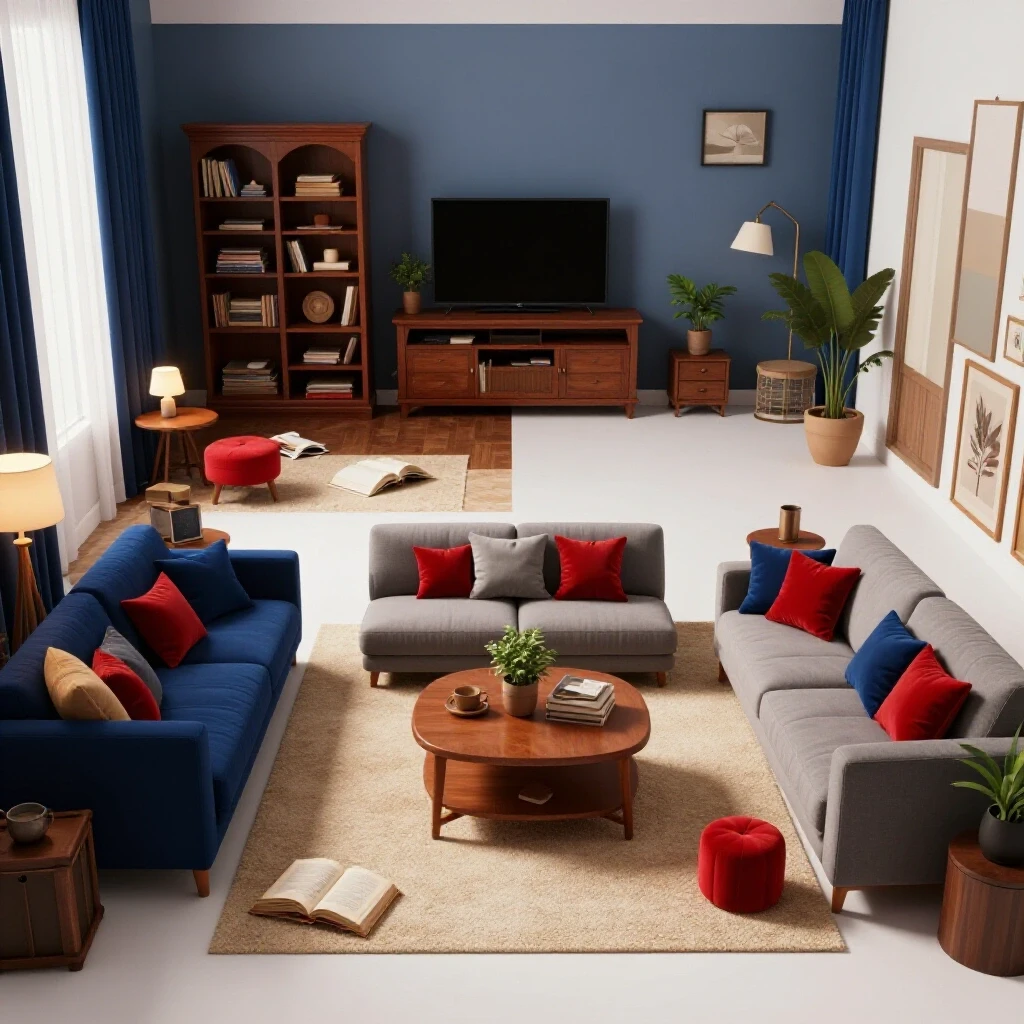
Auditing Your New Floor Plan for Maximum Interaction
Spatial auditing is the process of evaluating a room’s physical dimensions and natural traffic patterns before permanently placing furniture. This step ensures that the layout supports movement rather than hindering it, allowing for a more natural flow of daily activities.
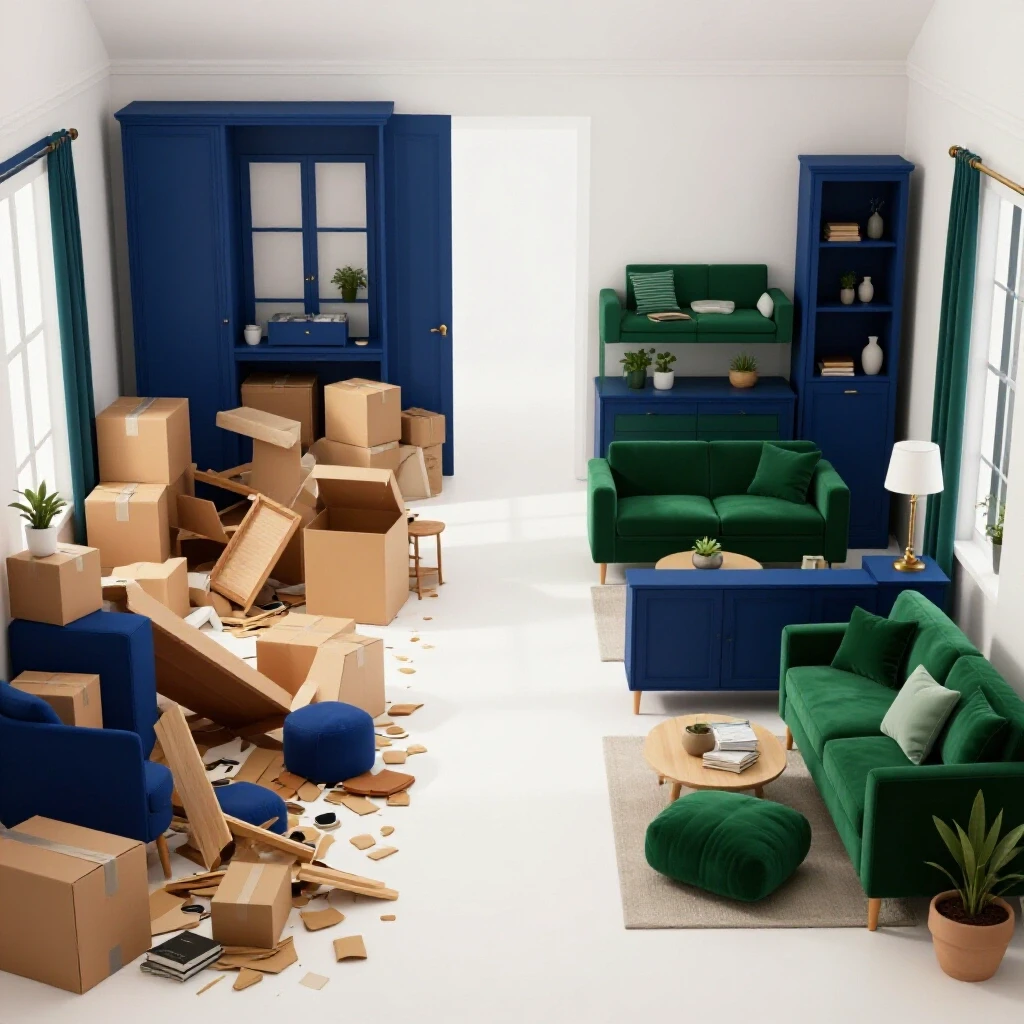
When I moved my family into a 1920s-era home with a narrow, central living area, I realized our old way of arranging the sofa against the longest wall made the room feel like a hallway. To fix this, we had to stop looking at the room as a static box and start looking at it as a series of paths. A successful home transition planning phase requires you to map out where people walk most frequently. If a sofa blocks the shortest path to the bookshelf, that bookshelf will never be used.
Understanding Circulation Paths and Traffic Flow
Circulation paths are the “highways” of your home, representing the invisible lines where people walk to get from one point to another. Mapping these paths prevents furniture from becoming an obstacle, which reduces the daily frustration of navigating a cramped space.
In a shared living area, the primary circulation path should be at least 36 inches wide. This allows two people to pass each other without awkward maneuvering. Secondary paths, such as the space between a coffee table and a sofa, should be roughly 18 inches. During our second move, we used blue painter’s tape to mark these “clearance zones” on the floor before the movers arrived. This simple spatial layout adaptation prevented us from over-crowding the room and ensured that the “flow” of the house remained open and inviting.
| Path Type | Minimum Clearance | Purpose |
|---|---|---|
| Primary Walkway | 36 Inches | Main travel between rooms |
| Secondary Walkway | 24 Inches | Movement between furniture pieces |
| Coffee Table Gap | 18 Inches | Legroom and ease of reaching items |
| Behind Seating | 30 Inches | Access to windows or storage |
Mapping Existing Furniture to a New Footprint
Furniture mapping involves comparing the dimensions of your current pieces against the scale of your new room to ensure a functional fit. This prevents the common mistake of forcing oversized furniture into small rooms, which can make a space feel claustrophobic.
One of the biggest pain points for movers aged 25–45 is the “scale shock” that happens when a sectional sofa that looked great in a suburban basement is squeezed into an urban apartment. I have found that visual weight is just as important as physical dimensions. A heavy, dark leather sofa can “swallow” a small room, making it feel smaller than it actually is. When adapting your small room furniture layout, consider the height of your pieces. Lower-profile furniture allows the eye to travel across the room, creating an illusion of more space.
Scaling and Visual Weight Adjustments
Visual weight refers to how much “space” an object seems to take up based on its color, material, and design. Balancing visual weight helps a room feel grounded and stable rather than lopsided or cluttered.
If you have a large, heavy piece of furniture on one side of the room, you need to balance it with something of similar visual “heaviness” on the other side, like a tall bookshelf or a large piece of art. In our third move, we struggled with a massive wooden armoire. By placing it opposite a large window and adding a light-colored rug, we balanced the room’s “gravity.” This adjustment turned a cramped-feeling corner into a functional focal point, increasing the time we spent in that area of the house.
Implementing Functional Zones for Daily Use
Functional zoning is the practice of dividing a single room into distinct areas based on the activities that happen there. This technique maximizes the utility of a shared space, allowing different family members to engage in different tasks simultaneously without conflict.
The most successful shared spaces I’ve created were those that didn’t try to do just one thing. Instead of a room just being for “sitting,” we created zones for reading, puzzles, and even a small “craft station” for the kids. This variety is what increases the occupancy of the room. When a room serves multiple needs, it becomes the heart of the home. A home moving checklist should include a “zone plan” for the family room to ensure you have the necessary lighting and surfaces for each intended activity.
The Role of Activity Stations and Craft Elements
Activity stations are dedicated spots within a room equipped with the tools needed for a specific hobby or task. Adding these elements encourages “parallel play,” where family members are in the same room but doing different things.
- Reading Nook: A comfortable chair, a small side table, and a dedicated lamp with at least 450 lumens for task lighting.
- Craft Station: A sturdy table with washable surfaces and organized bins for supplies, placed near a window for natural light.
- Game Zone: A low table or a clear section of the rug where a puzzle or board game can stay “in progress” for several days.
- Tech-Free Corner: An area specifically designed without screens, focusing instead on tactile activities like sketching or building blocks.
Practical Strategies for Awkward Room Shapes
Awkward room shapes, such as L-shaped rooms or those with multiple doors and windows, require creative furniture placement to remain functional. These spaces often become “dead zones” because people don’t know how to occupy them comfortably.
In my fourth move, we encountered a “long and skinny” room that felt like a bowling alley. The key to optimizing awkward floor plans is to use furniture to create “sub-rooms.” We used the back of a sofa to act as a soft wall, dividing the long space into a cozy TV area and a separate play zone. By breaking the line of sight, the room felt more intimate and less like a corridor. This is a vital part of a new home adjustment guide: don’t feel obligated to push all your furniture against the walls.
Furniture Clearance Guidelines by Room Footprint
Maintaining proper clearance is essential for both safety and comfort, especially in homes with children or pets. These metrics ensure that the room remains navigable even when it is fully occupied.
- Entryway Clearance: Keep at least 42 inches clear near the main entrance to the room to avoid a “bottleneck” effect.
- Seating Distance: For comfortable conversation, chairs should be placed no more than 8 feet apart.
- TV Viewing Angle: The center of the television should be at eye level, usually 42 inches from the floor, and placed at a distance roughly 1.5 to 2.5 times the screen’s diagonal width.
- Storage Access: Leave at least 36 inches in front of cabinets or bookshelves so doors can open fully and people can browse comfortably.
Establishing New Household Routines through Layout
A new home is a blank slate for your family’s habits, and the physical layout of your shared space heavily influences the routines you establish. By intentionally designing the space to support desired behaviors, you can make the transition smoother and more rewarding.
During our first month in a new home, we often perform “occupancy checks.” I literally count how many people are in the family room at different times of the day. If the room is empty at 7:00 PM, I ask why. Is it too dark? Is the seating uncomfortable? Is the layout too formal? In one move, we realized we weren’t using the room because the light switch was in an inconvenient spot. Adding a few floor lamps on a smart timer changed the atmosphere entirely, and suddenly, the room was full every evening.
First-Month Spatial Adjustment Timeline
The first 30 days are a period of high flux. Use this timeline to systematically refine your layout based on real-world usage rather than theoretical plans.
- Week 1: The Logistics Phase. Focus on basic functionality. Get the seating in place and ensure paths are clear. Use your home moving checklist to track where every box ended up.
- Week 2: The Observation Phase. Pay attention to where people naturally congregate. Are they sitting on the floor because the chairs are too far apart? Are they leaving the room because it’s too chilly?
- Week 3: The Adjustment Phase. Move the furniture based on your observations. Shift the sofa six inches, swap a side table, or add a rug to dampen the sound.
- Week 4: The Integration Phase. Finalize the layout and begin neighborhood community building by inviting a new neighbor over for coffee in your newly optimized space.
Spatial Blueprint Compatibility Matrix
This matrix helps you determine if your current furniture is a good match for the dimensions and “vibe” of your new shared living area.
| Furniture Piece | Large Room (20’x20’+) | Small/Awkward Room | Recommendation |
|---|---|---|---|
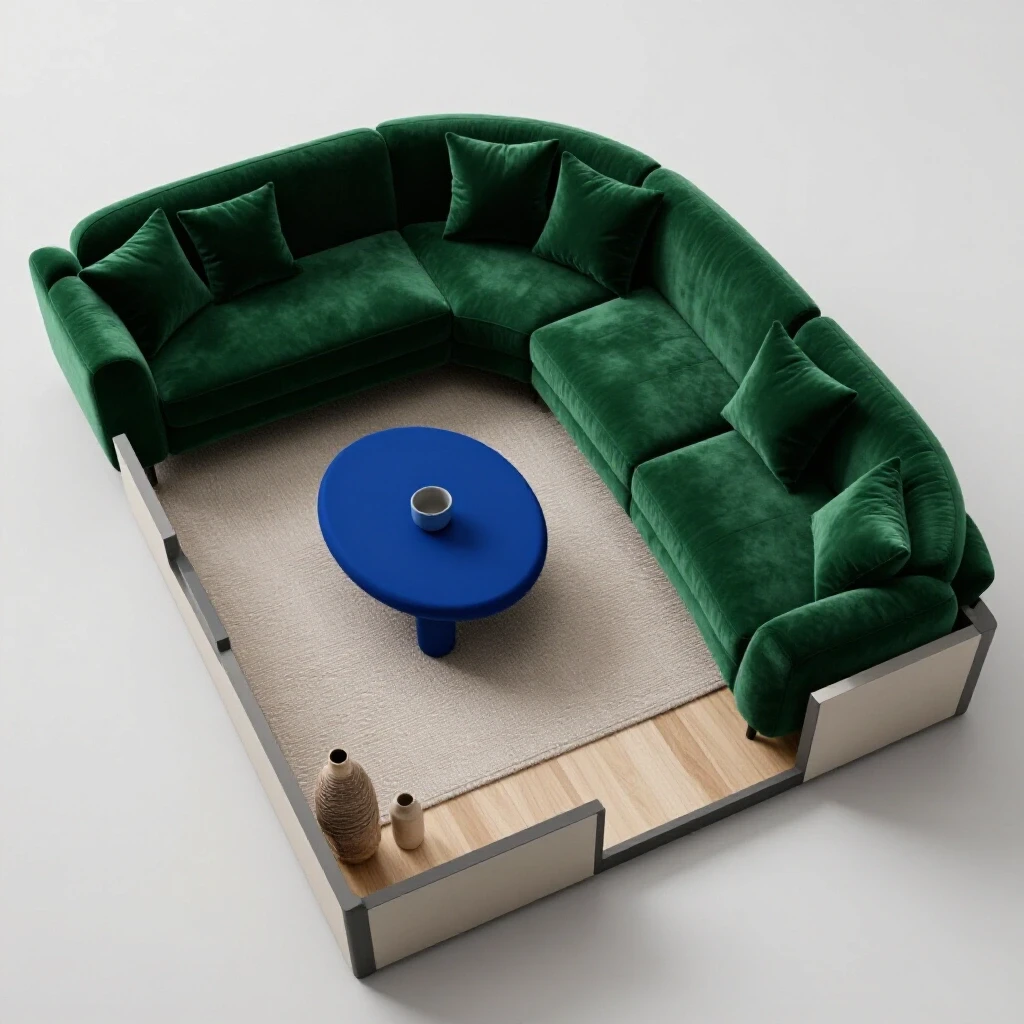
| Sectional Sofa | Excellent focal point | Can block traffic | Use to “zone” large spaces; avoid in narrow rooms. |
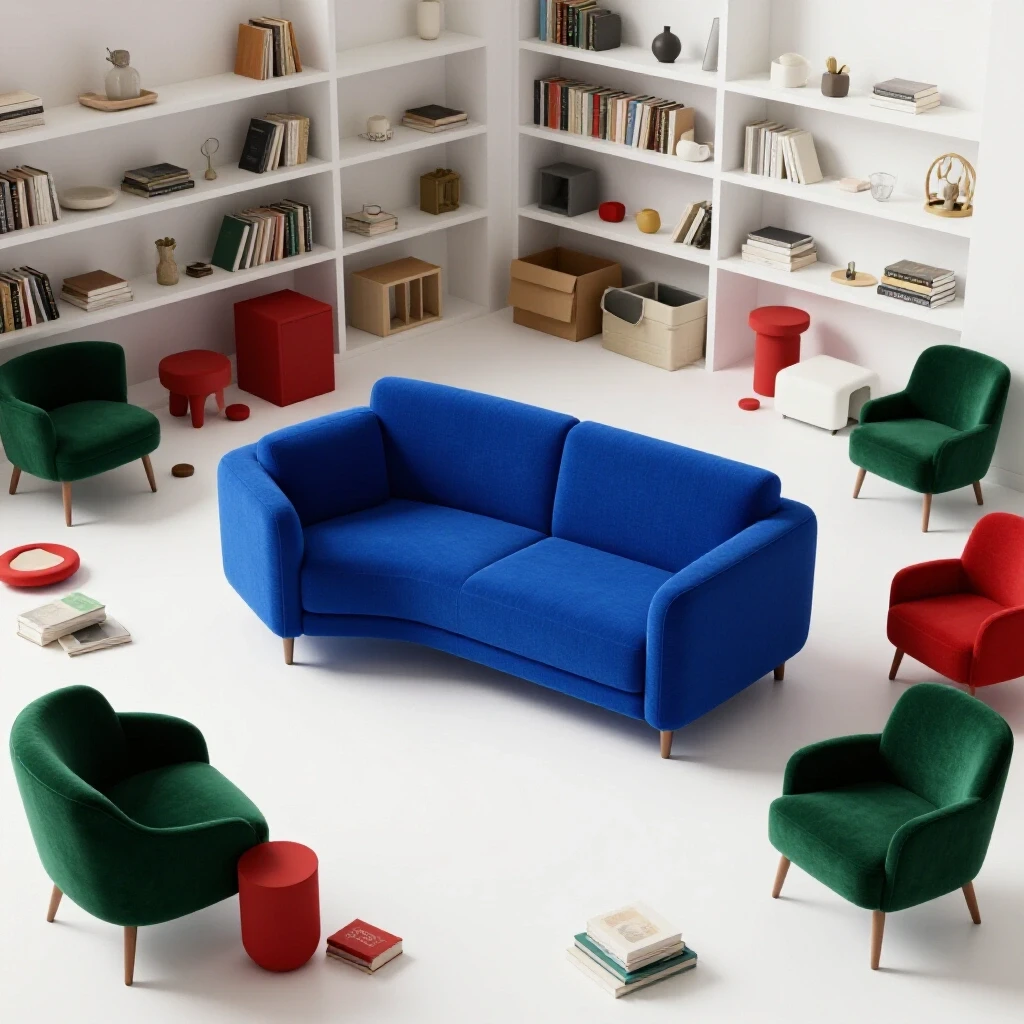
| Armchairs | May feel “lost” | Great for corners | Use pairs in large rooms; single chairs in small rooms. |
| Large Rug | Anchors the space | Can make room feel smaller | Ensure all furniture legs sit on the rug to unify. |
| Tall Bookshelf | Adds vertical interest | Can feel “looming” | Secure to walls; use open-back styles for small rooms. |
| Coffee Table | Central hub | May be an obstacle | Use round tables in tight spaces to prevent bruised shins. |
Digital Tools and Resources for Layout Planning
In the modern era, you don’t have to move heavy furniture five times to find the right spot. Several digital tools can help you visualize your spatial layout adaptation before you even pick up a box.
- Floorplanner: A web-based tool that allows you to create 2D and 3D floor plans with ease. It’s great for testing “what-if” scenarios with your existing furniture dimensions.
- MagicPlan: An app that uses your phone’s camera to measure rooms and create a floor plan instantly. This is incredibly helpful during the house-hunting or initial move-in phase.
- SketchUp: For those who want more detail, this tool allows for precise 3D modeling of your furniture and room layout.
- Home Design 3D: A mobile-friendly app that lets you drag and drop furniture into a virtual version of your new home.
- Trello or Notion: While not layout tools, these are excellent for maintaining a box inventory packing log and tracking your transition timeline.
Overcoming the “New Home” Isolation
One of the hardest parts of moving is the feeling of being an outsider in your own neighborhood. However, the way you set up your home can actually help you integrate. A welcoming, functional family room makes you more likely to host others, which is the first step in neighborhood community building.
In our third move, we made it a point to set up our “social zone” first. We made sure there was plenty of seating and a clear area for drinks and snacks. Within two weeks, we invited the neighbors over for a simple “pizza on the floor” night. Because the room felt functional and comfortable—even with a few boxes still in the corner—it lowered the barrier to social interaction. The goal isn’t a “perfect” house; it’s a house that is ready to be lived in.
Key Takeaways for a Smooth Transition
- Measure twice, move once. Use the 36-inch rule for main walkways to ensure the house feels easy to move through.
- Prioritize lighting. A well-lit room is a used room. Aim for multiple light sources (overhead, task, and ambient).
- Be flexible. Your first layout is rarely your best. Be willing to move things around after seeing how your family actually uses the space.
- Create zones. Give every family member a reason to be in the room by including activity stations and craft elements.
- Focus on durability. Choose layouts and materials that can handle the reality of daily life, including kids, pets, and the occasional spilled drink.
Conclusion
Optimizing a new home is a journey of trial and error. By focusing on traffic flow, visual weight, and functional zoning, you can transform a stressful relocation into an opportunity to build a more intentional daily life. Remember that the goal of spatial layout adaptation is to create a space that serves your family’s needs, not a space that looks like a showroom. Take the time to observe, adjust, and experiment. In doing so, you will find that your shared living area becomes more than just a room—it becomes the place where your family truly connects and thrives.
FAQ
How do I know if my old furniture will fit in a much smaller family room? Before moving, measure all your large pieces (length, width, and depth). Use a digital floor planner or graph paper to draw your new room to scale. Ensure you have at least 30 inches of clearance around major pieces. If the furniture blocks windows or walkways, consider downsizing or repurposing those items in different rooms.
What is the “36-inch rule” in home layout? The 36-inch rule suggests that primary traffic paths—the routes you take to get from one room to another—should be at least 36 inches wide. This allows for comfortable movement and ensures the home doesn’t feel cramped, especially during high-traffic times like morning routines or when hosting guests.
How can I make a long, narrow room feel more comfortable? Break the room into “zones” using furniture. Instead of lining everything up against the walls, place a sofa or a set of chairs perpendicular to the long walls to create a visual break. Using area rugs to define different sections (like a reading nook and a TV area) can also help the room feel more balanced and less like a hallway.
Why does my family avoid our new living area even though it’s finished? It usually comes down to “friction.” Check the lighting; if it’s too dim or too harsh, people will stay away. Also, look at the seating orientation. If the chairs are too far apart for conversation or if the room feels “too precious” to actually sit in, family members will migrate elsewhere. Adding “activity stations” can also give them a reason to stay.
What are “craft elements” and how do they increase room usage? Craft elements are any additions that encourage tactile or creative activities, such as a dedicated puzzle table, a basket of knitting supplies, or a kid’s art station. By integrating these into the family room, you provide “anchors” that draw people into the space for reasons other than just watching television.
How long does it typically take to feel “at home” after a move? Research and personal experience suggest that the initial spatial adjustment takes about 30 days. However, the emotional feeling of being “at home” often takes 6 to 12 months. Using the first month to refine your layout based on your daily routines can significantly speed up this process.
How do I handle a room with too many doors and windows? Treat the doors as “fixed paths” and keep a 36-inch clearance in front of them. For windows, try to use low-profile furniture like benches or ottomans that don’t block the light or the view. You can also “float” your furniture in the center of the room, away from the walls, to create a cozy island of seating.
What is “visual weight” in interior design? Visual weight is the perceived heaviness of an object. Dark colors, solid bases, and large scales have high visual weight. To make a room feel balanced, you should distribute this weight evenly. For example, if you have a large fireplace on one wall, balance it with a dark bookshelf or a heavy piece of art on the opposite wall.
What is the best way to plan a furniture layout before the movers arrive? Use blue painter’s tape to “draw” the footprint of your furniture on the floor of the new house. This allows you to physically walk through the paths and see if the scale feels right. It’s a low-cost, high-impact way to avoid moving a heavy sofa multiple times.
How can I involve my children in the layout transition? Give them a specific “zone” that they are responsible for. Let them help decide where their craft station or toy bin goes. When children feel they have agency over their environment, they are more likely to use the space and feel comfortable in the new neighborhood.
(This article was written by one of our staff writers, Kevin Thompson. Visit our Meet the Team page to learn more about the author and their expertise.)