Managing the First 100 Days After Moving: Practical Tips (Guide)

Entering a new home is often a mixture of relief and immediate physical challenge. After four major relocations over nearly two decades, I have learned that the first night is less about decor and more about finding the coffee maker. True comfort does not come from a finished look; it comes from a space that functions without friction. In my experience, the first three months are a period of high-stakes experimentation where you determine if your old life fits into your new walls.
Why Your First 100 Days Require a Strategic New Home Adjustment Guide
A new home adjustment guide serves as a strategic roadmap for the first three months in a fresh environment. It prioritizes functional setup over aesthetics, ensuring that the home supports your daily needs immediately. This phase focuses on testing layouts, refining storage systems, and gradually integrating into the local neighborhood through intentional, small-scale actions.

When my family moved from a spacious suburban house to a 1,200-square-foot bungalow, the transition was jarring. We had furniture that was too large and a kitchen layout that felt like a puzzle. I realized that we couldn’t just “live with it.” We had to audit the space. Spatial layout refers to the arrangement of physical objects within a room to maximize utility and movement. It is the “what” of your home—the physical footprint. Environmental transition is the “why”—the process of making that footprint feel like a sanctuary.
During this initial period, your goal is to reduce the cognitive load of navigating a new space. You are essentially “re-mapping” your brain. Every time you reach for a light switch that isn’t there, you experience a small flash of stress. By creating a structured plan, you minimize these friction points and turn a house into a functional machine for your family.
Auditing the Floor Plan for Spatial Layout Adaptation
Spatial layout adaptation is the process of modifying your existing furniture and belongings to fit the unique architectural constraints of a new residence. This involves measuring clearance margins, identifying primary traffic lanes, and ensuring that the scale of your items matches the volume of the rooms. It prevents cramped quarters and promotes easy movement.
The most common mistake I see is “blind placement,” where movers put furniture exactly where it was in the old house. In our second move, I tried to force a king-sized bed into a room with three doors and a low window. It blocked the closet and felt suffocating. We eventually learned that we had to prioritize “circulation paths”—the 30 to 36-inch wide lanes needed for people to walk comfortably through a room.
Establishing Your First-Month Spatial Adjustment Timeline
| Phase | Timeline | Primary Objective | Key Metric |
|---|---|---|---|
| Initial Landing | Days 1-7 | Establish “Zones of Survival” (Sleeping, Eating, Hygiene) | 100% box clearance in kitchen |
| Functional Testing | Days 8-30 | Evaluate traffic flow and furniture scale | 36-inch clearance in main halls |
| System Refinement | Days 31-60 | Optimize storage and routine efficiency | 10-minute “reset” time for main rooms |
| Community Mapping | Days 61-100 | Establish external routines and local connections | 3-5 “regular” local spots identified |
Solving the Small Room Furniture Layout Puzzle
A small room furniture layout requires a focus on multi-functionality and visual weight management to prevent a “cluttered” feel. This involves using vertical space for storage and choosing furniture with exposed legs to create a sense of openness. It is about balancing the physical footprint with the need for breathable, open floor space.
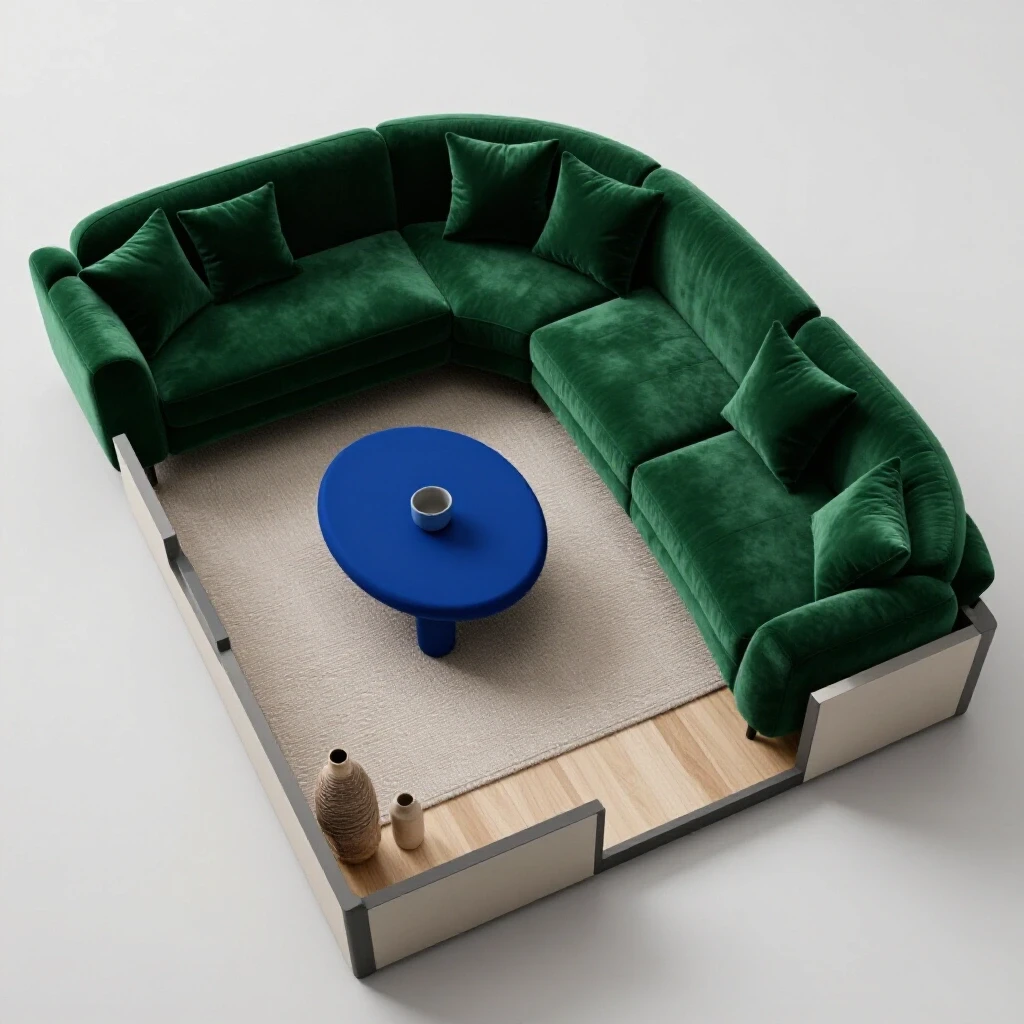
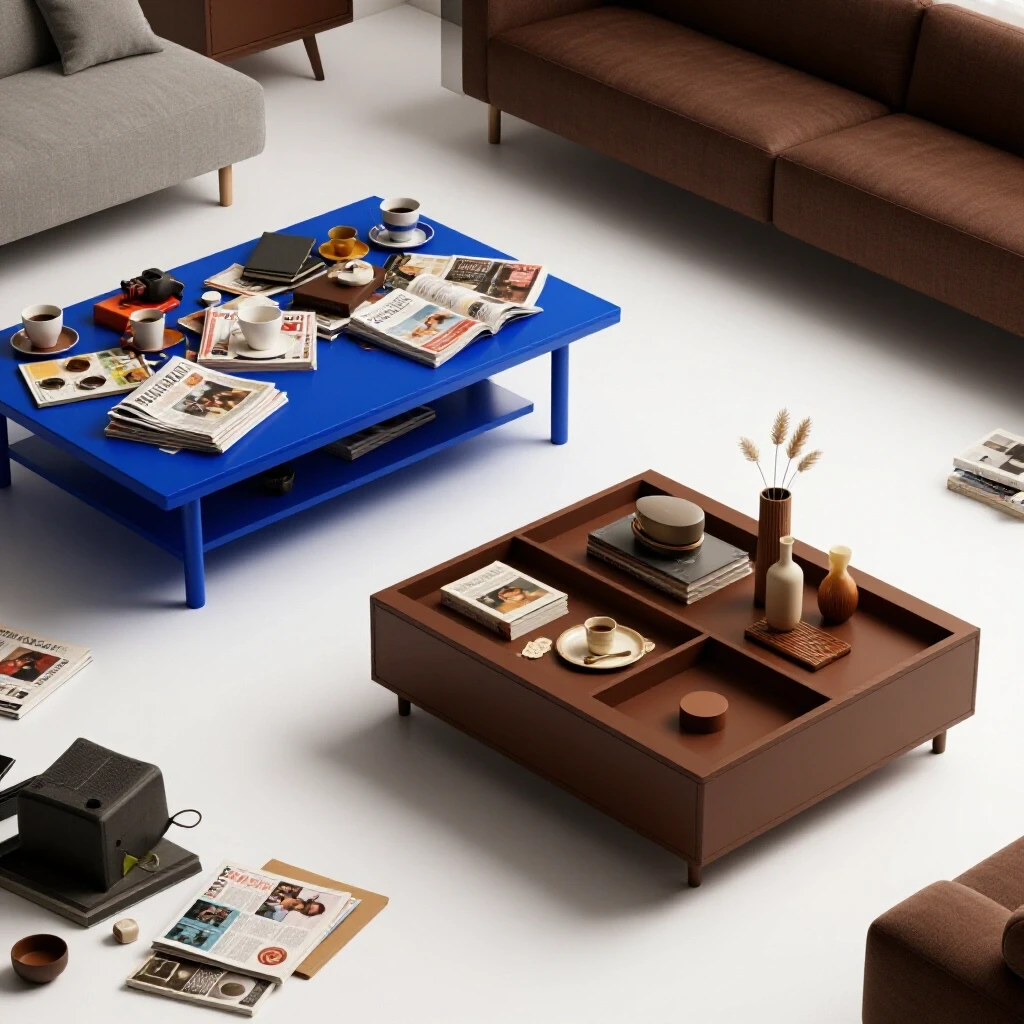
When we moved into a home with a narrow living room, our large sectional sofa acted like a barricade. I had to rethink the room’s “visual weight.” We swapped the heavy coffee table for two small nesting tables. This opened up the floor and allowed us to move them when the kids needed space to play.
- The 18-Inch Rule: Keep 18 inches between your sofa and coffee table. It is the sweet spot for reaching your drink while still having legroom.
- The 3-Foot Rule: Ensure there are at least 3 feet of space in major walkways. If a chair forces you to turn sideways to pass, it’s too big for that spot.
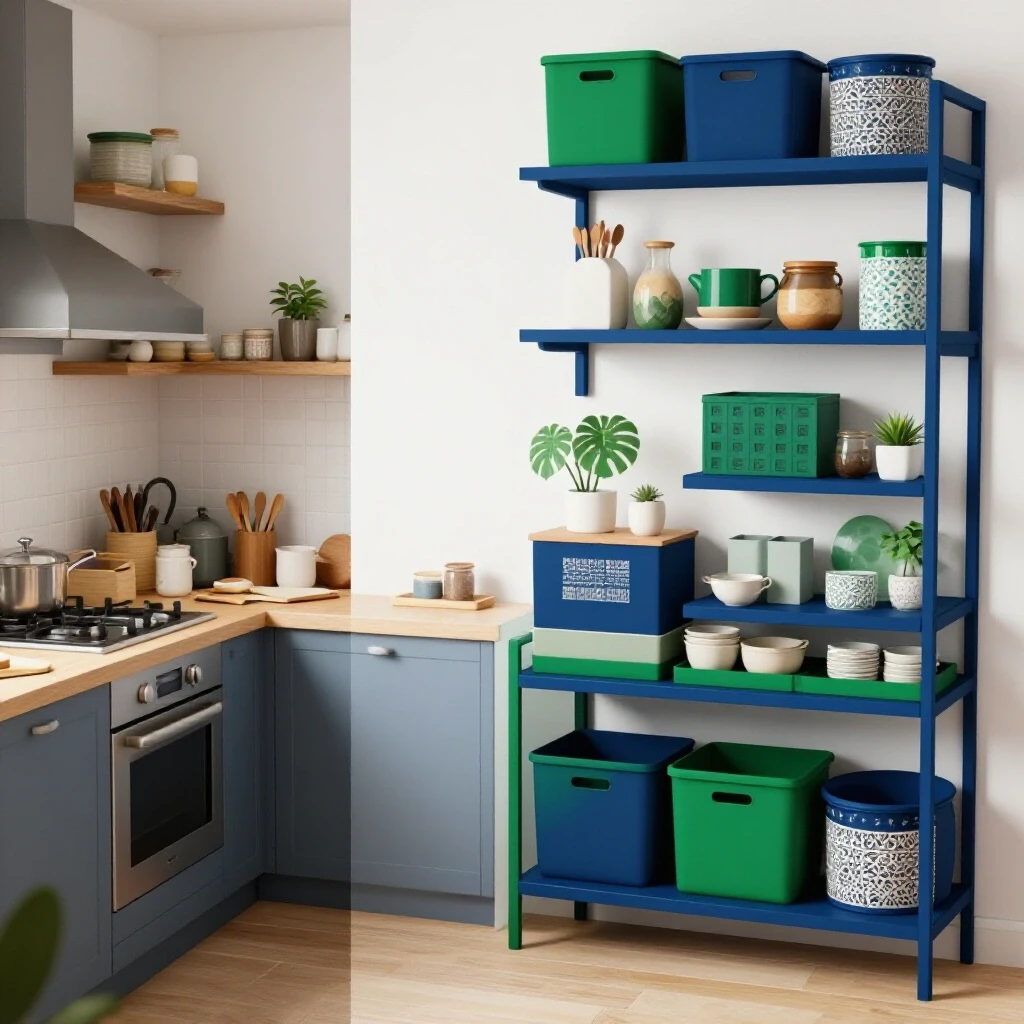
- Verticality: If you lack floor space, use the walls. Floating shelves can hold books that would otherwise require a bulky bookcase.
Why Blind Furniture Placement Fails and How to Draft a Blueprint
Home transition planning is the intentional process of mapping out where items will live based on how they are used daily. It moves beyond just “unpacking” and into “system design,” where the placement of an object is dictated by its frequency of use. This prevents the common trap of burying essential items in deep storage.
I once spent three months looking for our slow cooker because I tucked it into a “convenient” corner cabinet that I never actually used. Now, I use a “Spatial Blueprint Compatibility Matrix” to evaluate every major piece of furniture against the new room’s dimensions.
Spatial Blueprint Compatibility Matrix
- The “Anchor” Test: Does the largest piece in the room (bed, sofa, dining table) allow for at least 32 inches of clearance around all sides?
- The “Light” Test: Does the furniture block natural light sources or HVAC vents?
- The “Utility” Test: Can you fully open every door and drawer without hitting another object?
- The “Traffic” Test: Does the layout force you to walk a “zigzag” pattern to get from one side of the house to the other?
Optimizing Awkward Spaces and Functional Zoning
Functional zoning is the practice of dividing a single room into distinct areas based on activity, such as a “work zone” or a “relaxation zone.” This is especially useful in open-concept homes or small apartments where one room must serve multiple purposes. It uses visual cues like rugs or lighting to define boundaries.
In our third move, we had a “bonus room” that was long and narrow. It felt like a hallway. By using a rug to anchor a seating area at one end and a desk at the other, we created two rooms in one. We also used “zoning” in the kitchen. We created a “Coffee Station” away from the main cooking area. This meant my wife could make her morning latte without getting in the way of school lunch preparation.
Clearance Guidelines by Room Footprint
- Dining Area: Allow 32 to 36 inches between the table edge and the wall or other furniture to allow for chair pull-out.
- Bedroom: Maintain at least 24 inches on either side of the bed for easy making and nightstand access.
- Kitchen: Aim for a “work triangle” (sink, stove, fridge) where the sum of the three legs is between 12 and 26 feet.
- Entryway: Keep a 42-inch diameter “landing zone” clear for people to enter, remove shoes, and set down bags.
Building Daily Routine Systems and Home Unpacking Strategies
A home moving checklist for the post-arrival phase focuses on the systematic unpacking of boxes and the immediate establishment of household systems. It prioritizes high-use areas like the kitchen and bathrooms to restore a sense of normalcy quickly. This approach treats unpacking as a series of small, manageable sprints rather than a marathon.
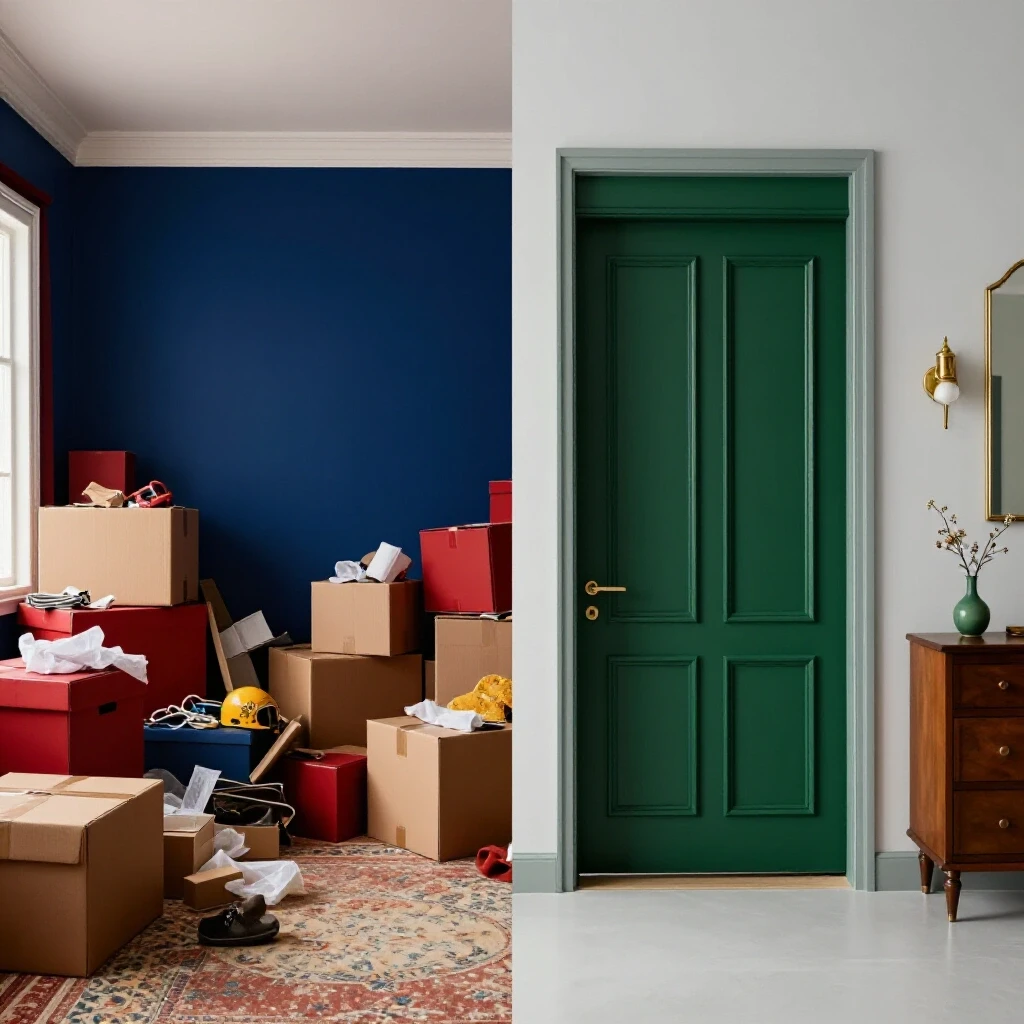
The “Realities” of the first 100 days often involve living out of boxes longer than we’d like. My rule is the “One Room a Week” method. After the kitchen and bedrooms are functional, we pick one room and commit to finishing it entirely. This prevents the “half-unpacked” feeling that can linger for months.
- The “First Night” Box: This should contain towels, bed sheets, basic tools, a shower curtain, and chargers.
- Zone-Based Unpacking: Unpack the items that go in drawers first. Getting things off horizontal surfaces (counters and floors) immediately reduces visual stress.
- The “Empty Box” Rule: Once a box is empty, break it down and move it to the garage or recycling area immediately. Do not let empty boxes clutter your new floor plan.
Neighborhood Community Building and External Integration
Neighborhood community building is the process of establishing social and functional roots in your new locale. It involves identifying essential services, meeting neighbors, and finding local “third places” like coffee shops or parks. This phase of the transition is vital for moving from “resident” to “member of the community.”
After 19 years of moving, I’ve found the “Radius Rule” works best. Start at your front door and work outward. In the first 30 days, meet the neighbors on either side of you. In the first 60 days, find your “regular” grocery store and pharmacy. By day 100, you should know the name of at least one person at a local business.
- Walk the Dog (or the Stroller): Moving through the neighborhood at a human pace is the best way to meet people.
- The “Front Yard” Strategy: Spend time in the front of your house rather than the back. It makes you approachable.
- Local Digital Groups: Join neighborhood-specific apps or social media groups to learn about local events and “unwritten” rules like trash pickup quirks.
Essential Tools for Contemporary Moving Coordination
Modern technology can significantly reduce the stress of spatial planning. Instead of moving heavy furniture five times, you can move it once digitally.
- MagicPlan: An app that uses your phone’s camera to create an instant floor plan of your new rooms.
- RoomPlanner: A tool that allows you to drop 3D models of furniture into your virtual rooms to check for scale and clearance.
- Trello or Notion: Great for creating a digital inventory of what is in which box, making the “where is the crockpot?” search much shorter.
- Nextdoor: While it can be noisy, it’s a verified way to find local recommendations for plumbers, electricians, or the best pizza nearby.
Final Thoughts on Your Transition
The first 100 days are not about achieving a magazine-ready home. They are about the slow, deliberate work of making a space yours. I have moved families across state lines and into tiny city apartments, and the reality is always the same: it takes time for a house to learn your name. Be patient with your layout. If a chair feels wrong in the corner, move it. If a routine isn’t working, change the system. Your home should evolve with you.
Frequently Asked Questions
How do I handle furniture that is clearly too big for my new living room? If a piece of furniture blocks a natural walkway or covers more than 40% of the floor space, it is likely too large. Consider “swapping” the room’s purpose—perhaps the large sofa works better in a basement or den—or look into “visual weight” tricks like removing the rug to show more floor. If it still doesn’t fit, it may be time to sell it and find a piece that respects the room’s scale.
What is the most important room to set up in the first 48 hours? The kitchen and the primary bathroom are the “survival zones.” Being able to cook a simple meal and take a hot shower behind a closed curtain provides an immediate psychological boost. Following these, focus on the bedrooms to ensure everyone is getting quality sleep during the high-stress transition period.
How can I make an awkward “nook” or corner useful? Awkward spaces are perfect for “micro-zones.” A small corner can become a reading nook with a single chair and a lamp, or a “drop zone” for mail and keys with a narrow console table. The key is to give the space a specific job so it doesn’t just become a magnet for clutter.
How do I determine the best traffic flow in an open-concept layout? Place your largest furniture pieces first, then walk through the room as if you are heading to the kitchen or the exit. If you have to walk around a sofa or table in a way that feels unnatural, you are blocking a “primary circulation path.” Aim for straight or gently curved paths with at least 36 inches of width.
When should I start hanging art and decorating? I recommend waiting until at least Day 45. By then, you will have a better sense of how the light hits the walls throughout the day and where you naturally spend your time. Decorating too early can lead to “clutter creep,” where you fill space before you truly understand how you use it.
What is the “30-36 inch rule” for hallways? Building codes and ergonomic studies suggest that 36 inches is the standard width for a comfortable hallway. In a home, maintaining at least 30 inches of clear space between furniture pieces ensures that two people can pass each other or that you can carry a laundry basket without hitting walls.
How do I build community if I’m an introvert or busy with a family? Focus on “passive” integration. Frequent the same coffee shop at the same time every Saturday. Wave to neighbors when you get the mail. These small, repetitive actions build “familiarity” without requiring high-energy social interaction. Over time, these small “nods” turn into “hellos.”
How do I keep the house from feeling like a construction zone for months? Use the “Hidden Box” method. Designate one closet or a corner of the garage as the “Unprocessed Zone.” Keep all unopened boxes there so your main living areas feel clear and functional. This reduces visual stress and allows you to tackle the remaining boxes on your own schedule.
What should I do if my “work from home” space is in a high-traffic area? Use “visual dividers” like a tall bookshelf or a folding screen to create a sense of privacy. If possible, position your desk so your back is to the traffic. This helps signal to other family members that you are in “work mode” and reduces the distractions of the household flow.
How do I handle the “settling noises” and weird quirks of a new house? In the first 100 days, keep a “Home Log.” Every time you notice a leaky faucet, a drafty window, or a light switch that does nothing, write it down. This prevents you from feeling overwhelmed by small repairs and gives you a clear list to tackle once the initial move-in stress has subsided.
(This article was written by one of our staff writers, Kevin Thompson. Visit our Meet the Team page to learn more about the author and their expertise.)