Functional Home Changes After Moving for Better Living (Guide)

Talking about waterproof options for a high-traffic entryway was the first conversation my wife and I had after our third cross-country move. Over 19 years and four different homes, I have learned that the most important changes happen after the boxes are empty. Moving a family of five into a new space is more than just shifting furniture. It is about analyzing how a new layout can either support or hinder your daily life.
When we landed in our latest home, a 1920s craftsman with narrow hallways and odd corners, the stress was high. Our old furniture didn’t fit. The “flow” felt wrong. We had to stop looking at the house as it was and start seeing it as a series of functional zones. This guide focuses on the practical, physical adjustments that turn a new floor plan into a working environment.
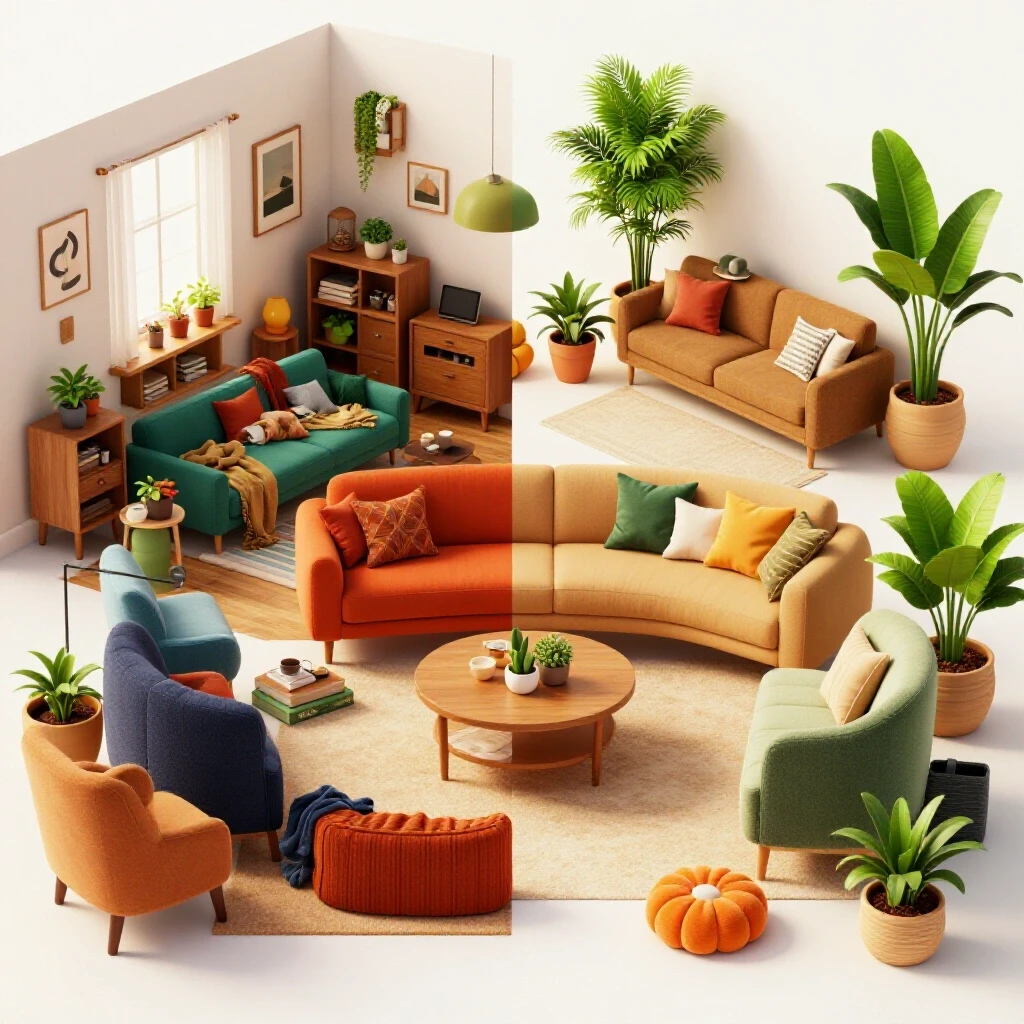
Analyzing the Spatial Footprint for Daily Flow
Spatial layout is the strategic arrangement of furniture and objects within a room to support movement and activity. It involves understanding how people move through a house (circulation) and ensuring that each zone serves a specific purpose. By mapping out these paths, you can prevent physical and visual clutter from taking over your new environment.
In my experience, the biggest mistake people make is placing furniture where it “looks good” rather than where it functions best. In our second move, I placed a large bookshelf in a hallway because it fit the wall perfectly. However, it reduced the walking space to 24 inches. We bumped our shoulders every time we went to the bedroom.
To avoid this, you must measure your circulation paths. A standard hallway or main walking path should ideally be 30 to 36 inches wide. This allows two people to pass each other or one person to carry a basket of laundry without hitting the walls. If your furniture narrows these paths, the house will always feel cramped, no matter how much square footage you have.
Why Visual Weight Matters in Small Rooms
Visual weight refers to the perceived “heaviness” of an object based on its size, color, and texture. In a new home, a dark, bulky sofa might overwhelm a light-filled living room, making the space feel smaller than it actually is. Balancing visual weight helps maintain a sense of openness and comfort.
During our move to a smaller apartment, we had a heavy oak dining table. It took up the entire room visually. We swapped the heavy chairs for ones with open backs. This simple change allowed the eye to see through the furniture to the walls, making the room feel larger. When adapting your old furniture to a new space, consider the “sight lines.” If a piece of furniture blocks your view of a window or a doorway, it is likely too heavy for that spot.
The Spatial Blueprint Compatibility Matrix
| Room Type | Primary Function | Minimum Clearance Margin | Key Flow Consideration |
|---|---|---|---|
| Entryway | Transition/Storage | 36 inches | Door swing radius and shoe storage depth |
| Kitchen | Meal Prep/Work | 42 inches | The “Work Triangle” between sink, stove, and fridge |
| Living Room | Relaxation/Social | 18 inches | Distance between seating and coffee tables |
| Bedroom | Rest/Storage | 24 inches | Space around the bed for making it and walking |
| Home Office | Focus/Task | 30 inches | Chair pull-out distance and cable management |
Adapting Existing Furniture to New Room Scales
Room scale refers to the relationship between the size of a space and the objects within it. When moving, furniture often feels too large or too small for the new dimensions. This requires a rethink of how you use each piece to maintain physical clearance and functional comfort.
One of the most successful changes we made involved our sectional sofa. In our old house, it was the center of a massive basement. In the new house, it blocked the heater vents and the path to the sliding door. Instead of forcing it to work as one piece, we separated the sections.
We used the corner piece as an armchair in a reading nook and kept the rest in the living room. This is a vital strategy for anyone transitioning into a different layout. Don’t be afraid to break up sets. Your furniture should serve the room, not the other way around.
Furniture Clearance Guidelines by Room Footprint
- Dining Areas: Leave at least 32 to 36 inches between the table edge and the wall or other furniture to allow chairs to pull out comfortably.
- Living Areas: Maintain 12 to 18 inches between a sofa and a coffee table so items are reachable but legs have room to move.
- Bedrooms: Ensure there is at least 24 inches of walking space on either side of the bed.
- Workspaces: A desk chair needs roughly 30 to 42 inches of “roll-back” space to be functional.
Solving the Puzzle of Awkward Floor Plans
Awkward floor plans include features like diagonal walls, deep alcoves, or “dead zones” under stairs. Optimizing these requires identifying underutilized square footage. You can then convert these spots into functional storage or specialized work areas that alleviate pressure on your main living zones.
In our third home, we had a strange alcove under the stairs that became a “clutter magnet.” We decided to install simple floating shelves and a small bench. It transformed from a wasted corner into a dedicated “library nook” for the kids. This removed three boxes of books from the living room, opening up the main floor plan.
When you encounter an awkward space, ask yourself: “What task am I currently doing in a high-traffic area that could be moved here?” Often, these odd corners are perfect for low-energy tasks like charging electronics, storing seasonal gear, or housing a small home office.
Strategies for Multi-Functional Zoning
- Use Rugs to Define Borders: In an open-concept room, a rug acts as a “physical boundary” for a zone without needing walls.
- Vertical Storage: If a room has a small footprint but high ceilings, use the vertical space for items you don’t use every day.
- Lighting as a Zone Marker: A floor lamp over a chair immediately tells the brain, “This is a reading area,” even if it is in the middle of a larger room.
Redesigning Daily Household Systems for Efficiency
Household systems are the physical frameworks that support your daily habits. This includes laundry processing, mail sorting, and meal preparation. Adjusting these systems after a move ensures the house works for your current needs rather than forcing old habits into a new shell.
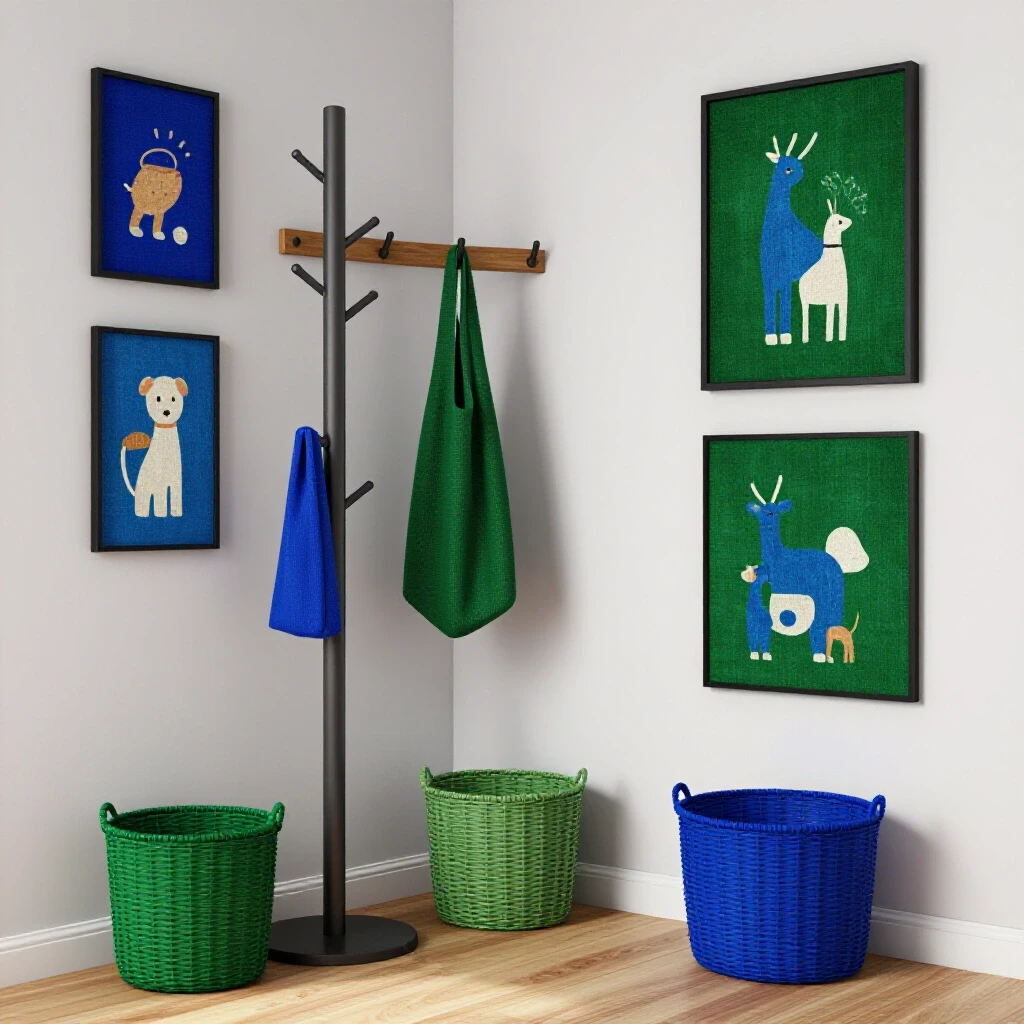
Interestingly, the most effective change we ever made was moving our “command center” to a side wall near the kitchen. In our previous home, we kept mail and school papers on the kitchen island. This created a constant feeling of mess. In the new layout, we dedicated a small wall with hooks and a narrow shelf for these items.
By creating a “landing zone” for paper and keys, we cleared the most used surface in the house. This reduced my daily stress significantly. When you move, pay attention to where “piles” start to form. Those piles are a signal that your current system isn’t matching the new layout.
First-Month Spatial Adjustment Timeline
- Week 1: The Traffic Audit. Observe where people naturally walk and where they get stuck. Move any furniture that blocks these paths.
- Week 2: The Storage Test. Identify which cabinets and closets are hard to reach. Move daily-use items to “prime real estate” (between waist and eye level).
- Week 3: The Lighting Check. Notice dark corners where tasks are performed. Add lamps or move desks closer to windows.
- Week 4: The Routine Refinement. Evaluate your morning and evening routines. If you are walking across the house too much to get ready, move your supplies closer to the point of use.
Improving Usability Through Lighting and Visibility
Visibility is a key component of a functional home. If you cannot see what you are doing, the space will feel frustrating. Many new residents rely on the “big light” in the center of the ceiling, which often creates shadows exactly where you need to work.
We found that adding small, battery-powered lights under the kitchen cabinets made the room much more usable for cooking. We didn’t need a contractor or a big budget. We just needed light on the counters. Similarly, adding a motion-sensor light in a deep pantry or a dark hallway can prevent the “search and struggle” that adds to post-move fatigue.
Three Layers of Functional Lighting
- Ambient Lighting: The general overhead light that allows you to move safely through a room.
- Task Lighting: Focused light for specific activities, like a desk lamp or a reading light.
- Accent Lighting: Light used to highlight a specific area, which helps with “visual navigation” of the home at night.
Integrating the Home into the Local Environment
Neighborhood integration involves aligning your home’s physical layout with the external community. This includes setting up transition zones, like porches or entryways, that facilitate interactions with neighbors. It also means adjusting your home to the local climate and culture.
When we moved to a rainier climate, our “waterproof options” for the entryway became a priority. We created a “wet zone” with a heavy-duty mat and a boot rack right inside the door. This prevented mud from tracking through the house, which kept our stress levels lower.
Building a community often starts at the front door. If your front porch is cluttered with boxes, you are less likely to sit out there and meet people. One of our “top wins” was prioritizing the setup of our outdoor seating. Within the first two weeks, we were sitting outside in the evenings. This simple layout choice led to more conversations with neighbors than we had in three years at our previous home.
Practical Steps for Neighborhood Connection
- Clear the Entryway: Ensure your front door is accessible and inviting.
- Set Up a “Social Zone”: If you have a front yard or porch, place two chairs there to signal that you are open to interaction.
- Map Local Resources: Create a physical or digital map of the nearest grocery store, park, and coffee shop. This helps the new area feel like “your” neighborhood.
Digital Tools for Space Mapping and Layout Planning
Modern tools can take the guesswork out of furniture placement. Before you lift a heavy sofa, use these resources to see if it will actually fit.
- MagicPlan: This app uses your phone’s camera to create a floor plan of your room. You can then drop in virtual furniture to check clearances.
- Floorplanner: A web-based tool that allows you to recreate your new home’s dimensions and test different layouts in 3D.
- Roomstyler: Great for visualizing how different furniture “weights” and colors will look in your specific room shape.
- Home Design 3D: An intuitive tool for those who want to see how structural changes (like adding a shelf or a room divider) might impact flow.
Common Layout Mistakes to Avoid
- The “Wall Hugger” Layout: Pushing all furniture against the walls can make a room feel hollow and cold. Try “floating” the sofa a few inches off the wall to create a more intimate feel.
- Ignoring the Swing: Forgetting to account for how far a door or cabinet opens can ruin a layout. Always measure the “swing radius.”
- Blocking Natural Light: Placing tall furniture in front of windows reduces the “visual volume” of the room and can make you feel more isolated.
- Over-furnishing: Just because you own a piece of furniture doesn’t mean it belongs in the new house. If it prevents a 30-inch clearance, it might be time to let it go.
Final Steps for a Smooth Transition
Adapting to a new home is a marathon, not a sprint. The most functional changes are often the ones you make after living in the space for a month. Start by ensuring your main walking paths are clear. Then, focus on the zones where you spend the most time, like the kitchen and the living room.
By prioritizing flow and usability over aesthetics, you create an environment that supports your family’s needs. Remember that a house is a living thing. It should evolve as you learn how to move within its walls.
Frequently Asked Questions
How do I know if my furniture is too big for the new room? If you have less than 30 inches of walking space around the piece, or if it blocks a window or doorway, it is likely too large. You can also test the “visual weight” by seeing if the piece dominates the room’s sight lines. If the room feels “tilted” toward that object, try moving it to a larger wall or a different room.
What is the best way to handle a long, narrow living room? Divide the room into two distinct functional zones. For example, use one end for a seating area and the other for a small workspace or a play area. Use a rug to anchor each zone. This breaks up the “bowling alley” feel and makes the space more usable.
How much space do I really need for a home office? At a minimum, you need a 48-inch wide desk and at least 30 to 42 inches of clearance behind the desk for your chair. If you are in a high-traffic area, try to use a “corner desk” layout to keep your workspace out of the main circulation paths.
What should I do if my new kitchen has very little counter space? Look for “vertical wins.” Use wall-mounted magnetic strips for knives and hanging racks for pots and pans. You can also use a “rolling cart” that can be moved into the center of the room for prep work and tucked away when not in use.
How can I make an awkward corner under the stairs useful? These are perfect for “low-profile” functions. Consider turning it into a pet station, a small wine rack, or a dedicated spot for charging all the family’s electronics. The key is to keep the items organized so it doesn’t become a “junk drawer” for the whole house.
Is it worth it to change the lighting immediately after moving? Yes. Lighting is one of the most cost-effective ways to improve the functionality of a home. Adding task lighting in the kitchen or a lamp in a dark reading corner can immediately reduce the eye strain and frustration of working in a new, unfamiliar space.
How do I deal with “social friction” during the first month in a new home? Social friction often comes from a lack of “landing zones.” If everyone is dropping their gear in the middle of the floor, stress rises. Prioritize setting up an entryway system with hooks and bins. When everyone knows where their shoes and keys go, the household runs more smoothly, reducing tension.
What are the most important measurements to remember? Keep your main walkways at 30 to 36 inches. Leave 18 inches between your sofa and coffee table. Ensure you have 32 to 36 inches of “pull-out” space for dining chairs. Following these basic ergonomic rules will solve 90% of layout frustrations.
(This article was written by one of our staff writers, Kevin Thompson. Visit our Meet the Team page to learn more about the author and their expertise.)