Practical Solutions for Limited Closet Space (Easy Home Fixes)

Recent housing trends show a significant shift toward smaller, more efficient living spaces, especially among professionals and young families moving into urban centers or historic neighborhoods. While these homes offer character and great locations, they often lack the expansive built-in storage found in modern suburban builds. This shift requires a new approach to how we view our floor plans and where we keep our belongings.
In my nineteen years of navigating four different cross-country moves, I have faced the “missing closet” dilemma more than once. During our third move, we transitioned from a modern house to a charming 1940s cottage. The bedrooms were beautiful, but they lacked any meaningful storage depth. My wife and I found ourselves staring at a pile of boxes, wondering how to fit a family’s wardrobe into rooms that seemingly had no space for it. We had to stop looking for closets and start creating them using the floor space we actually had.

Analyzing Your New Spatial Footprint Before the Move
A spatial layout is the strategic arrangement of furniture and storage units to maximize the utility of a room while maintaining clear paths for movement. Understanding this footprint is essential because it prevents you from overcrowding a room with heavy furniture that blocks natural light or foot traffic.
Before you even load the moving truck, you need a home moving checklist that includes a detailed spatial audit. I recommend using a laser measure to get exact dimensions of every wall, including the distance between window frames and corners. In our cottage move, I realized that while we didn’t have built-in wardrobes, we had several “dead zones” behind doors and under windows that could be utilized for external storage systems.
- Measure the total linear feet of hanging space you currently use.
- Identify wall segments at least 24 inches deep to accommodate standard hangers.
- Map out high-traffic zones where you need at least 36 inches of clearance.
- Check for floor vents or radiators that might limit where you place heavy shelving.
| Component | Minimum Clearance | Ideal Clearance | Purpose |
|---|---|---|---|
| Walking Paths | 30 inches | 36 inches | Comfortable movement between furniture |
| Wardrobe Access | 24 inches | 30 inches | Space to stand and reach for items |
| Bed Perimeters | 24 inches | 32 inches | Ease of making the bed and nightstand access |
| Door Swings | 36 inches | 42 inches | Preventing collisions with furniture |
Strategies for Managing Clothing Storage in Rooms with Limited Built-in Capacity
When built-in storage is absent, you must look at your walls as untapped real estate for organizational systems. This involves shifting from horizontal storage, which eats up floor space, to vertical systems that draw the eye upward and keep the floor clear.
One of the most effective home transition planning steps we took was installing wall-mounted rail systems. These are not the expensive custom builds you see in magazines; they are simple, adjustable tracks found at most hardware stores. By mounting these directly to the studs, we created a tiered hanging system that held twice as much as a standard closet. We used the top tier for off-season coats and the lower tier for daily wear, effectively creating a “closet wall” that looked intentional rather than cluttered.
Utilizing Vertical Height to Recover Floor Space
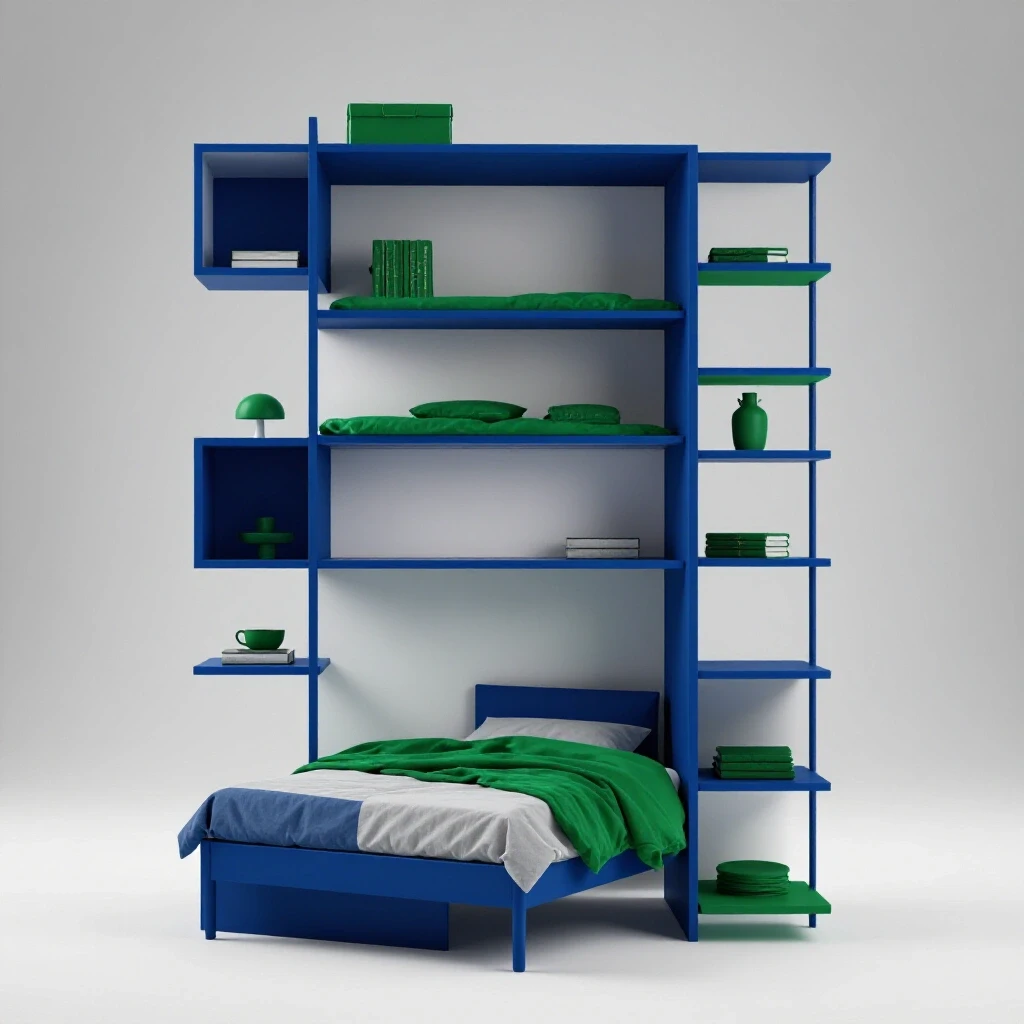
Vertical integration is the practice of using the full height of a wall, from floor to ceiling, to store items that would otherwise require multiple pieces of furniture. This is particularly useful in small room furniture layout planning where every square inch of the floor is precious.
In our second apartment, the ceilings were ten feet high, but the room was tiny. We solved our storage problem by installing shelving units that went all the way to the ceiling. We kept a small, foldable step stool tucked under the bed. This allowed us to store bulky items like suitcases and extra bedding at the very top, leaving the reachable areas for our daily clothing.
- Use 12-inch deep shelves for folded items like jeans and sweaters.
- Install a second hanging rod 40 inches below the first to double your shirt storage.
- Apply “visual weight” principles by putting heavier items lower and lighter items higher.
- Ensure all wall-mounted units are secured into studs to handle the weight of heavy winter gear.
Repurposing Furniture to Create External Storage Systems
Repurposed furniture involves taking items originally intended for one use, such as bookshelves or armoires, and adapting them to serve as primary clothing storage. This approach is a cornerstone of spatial layout adaptation because it allows you to use pieces you already own in new, creative ways.
During our most recent move, we had an old, sturdy bookshelf that didn’t fit in the living room. Instead of selling it, we moved it into the bedroom. We removed two shelves to create a tall opening and installed a tension rod. This became my daughter’s dress closet. The remaining shelves held her shoes and folded bins. It was a low-cost fix that saved us from buying a new wardrobe and helped her feel settled in her new room immediately.
The Role of Freestanding Wardrobes as Room Dividers
A freestanding wardrobe is a portable cabinet designed to hold clothes, which can be placed anywhere in a room regardless of the original architecture. Using these pieces effectively requires understanding room flow so they don’t become massive obstacles.
If you have a long, narrow bedroom, placing a wardrobe at a 90-degree angle to the wall can create a “dressing nook.” This provides a sense of privacy and separates the sleeping area from the storage area. When we did this in our first apartment, it reduced the visual clutter of seeing clothes from the bed, which significantly lowered our stress levels during those first few weeks of the new home adjustment guide phase.
- Choose wardrobes with mirrors on the doors to make small rooms feel larger.
- Place heavier wardrobes against “anchor walls” to maintain room balance.
- Leave at least 3 inches of space between the top of the wardrobe and the ceiling for air circulation.
- Use felt pads on the bottom of heavy furniture to make micro-adjustments easier without damaging floors.
Optimizing Awkward Room Layouts for Daily Functionality
Functional zoning is the process of dividing a single room into specific areas based on the activities that happen there, such as sleeping, dressing, or working. In homes with unconventional layouts, zoning helps establish a sense of order and routine.
When you are struggling with an awkward floor plan, the goal is to define where the “dressing zone” begins and ends. In one of our moves, we had a bedroom with a strange alcove. Instead of trying to fit a bed there, we turned the entire alcove into a walk-in storage area using industrial pipe racks. By keeping all the clothing in that one “zone,” the rest of the room felt open and calm.
Maintaining Circulation Paths and Clearance Margins
Circulation paths are the “invisible hallways” in a room that allow you to move from the door to the bed or the window without zig-zagging around furniture. Keeping these paths clear is vital for a smooth home transition.
A common mistake I see in new home setups is pushing all furniture against the walls, which can actually make a room feel more cramped. Sometimes, pulling a dresser a few inches away from a corner or centering a wardrobe on a wall creates a more balanced feel. Always aim for a 30-to-36-inch clearance in your primary walking paths.
- Avoid placing tall furniture next to the entry door, as it creates a “tunnel” effect.
- Ensure you can fully open every drawer and door without hitting the bed.
- Keep a 12-inch margin between the bed and any wall-mounted shelving for safety.
- Use a “first-month spatial adjustment timeline” to test the layout before committing to permanent wall anchors.
Building Comfortable Daily Routines Through Organized Systems
A daily routine design is a structured plan for how you interact with your home environment from the moment you wake up. When storage is disorganized, your morning routine becomes a source of friction, which adds to the overall stress of relocating.
In our experience, the first two weeks in a new home are the most critical. If you are digging through boxes for a clean shirt, you will feel out of place. We prioritized setting up our “external closet” systems within the first 48 hours. Having a designated spot for shoes, keys, and work clothes allowed us to focus on neighborhood community building rather than household chaos.
Reducing Social Friction in Shared Spaces
Social friction occurs when the physical limitations of a home cause tension between family members, such as two people trying to get dressed in a cramped corner at the same time. Solving storage issues is as much about relationship management as it is about carpentry.
By creating separate “storage zones” for my wife and me on opposite sides of the room, we eliminated the morning bottleneck. We used a mix of under-bed rolling bins for off-season items and a shared tall dresser for daily essentials. This simple spatial change meant we weren’t bumping into each other while trying to get ready for work, making the transition into our new neighborhood much smoother.
- Identify the “peak usage” times for your storage areas.
- Distribute storage units to prevent crowding in one area of the room.
- Use clear bins with labels for children’s clothes to encourage independence.
- Set a “reset” routine every Sunday to put away stray items and maintain the system.
Digital Tools and Resources for Layout Planning
Modern technology has made it much easier to visualize how furniture will fit into a new space without heavy lifting. I always recommend using at least one digital tool before the actual move date.
- MagicPlan: This app uses your phone’s camera to create a 2D and 3D floor plan of your new home. It’s excellent for measuring those awkward corners.
- Floorplanner: A web-based tool that allows you to drag and drop standard furniture sizes into your room dimensions to check for clearance.
- Moving Inventory Trackers: Apps like Sortly help you catalog what is in each box, so you know exactly which “storage fix” components to unpack first.
- Digital Levels: Use your smartphone’s built-in level to ensure that any DIY shelving you install is perfectly straight, which is crucial for structural integrity.
Finalizing the Transition: A Monthly Adjustment Guide
The first month in a new home is a period of trial and error. No layout is perfect on day one. I suggest a “soft setup” where you place furniture but wait three to four weeks before drilling permanent holes for shelves or racks.
During this time, pay attention to where the “clutter piles” form. If clothes always end up on a chair, it means your current storage system is too hard to access. We found that adding a few decorative hooks on the back of the door solved the “chair pile” problem instantly. These small, grounded adjustments are what eventually make an awkward house feel like a functional home.
- Week 1: Focus on basic furniture placement and primary walking paths.
- Week 2: Identify storage gaps and install temporary or adjustable shelving.
- Week 3: Observe daily routines and move items closer to where they are used.
- Week 4: Finalize the layout and secure all wall-mounted units for long-term use.
Frequently Asked Questions
How do I know if a room is too small for a freestanding wardrobe? Measure the room’s total square footage and subtract the footprint of your bed and walking paths (36 inches around the bed). If the remaining space is less than 24 inches deep, a standard wardrobe will likely make the room feel cramped. In these cases, consider wall-mounted rails or under-bed storage instead.
What is the best way to store heavy winter coats without a hall closet? Industrial-grade wall hooks or a heavy-duty rolling rack are excellent alternatives. Ensure hooks are mounted into studs or use high-capacity toggle bolts. For seasonal storage, vacuum-sealed bags kept under the bed can reduce the volume of bulky coats by up to 75%.
How can I make an open clothing rack look less messy? Use uniform hangers and group clothes by color or type. Adding a simple curtain rod and a neutral fabric panel in front of the rack can also hide the visual clutter while keeping your items easily accessible.
Are tension rods strong enough to hold a full wardrobe of clothes? Tension rods are best for lightweight items or children’s clothing. For an adult wardrobe, always opt for fixed rods screwed into wooden supports or wall studs. A standard 4-foot closet rod can hold about 60 to 80 pounds if properly supported.
How do I deal with a bedroom that has no wall space for a dresser? Look toward the center of the room or under the bed. Low-profile dressers can sometimes act as a “footboard” for the bed. Alternatively, use a bed frame with built-in drawers, which can provide as much storage as a medium-sized dresser without taking up any extra floor space.
What is the “30-inch rule” in furniture layout? The 30-inch rule suggests that you should maintain at least 30 inches of open floor space between pieces of furniture to allow for comfortable movement. In high-traffic areas like the path to the bathroom or the entry door, increasing this to 36 inches is recommended.
Can I install shelving in a rental home to fix storage issues? Most landlords allow for shelving if you patch and paint the holes before moving out. However, always check your lease first. If drilling is prohibited, look for “no-drill” tension-based shelving systems that press against the floor and ceiling for stability.
How deep should my DIY shelves be for folded clothes? For most adult clothing, a shelf depth of 12 to 14 inches is ideal. This allows for a standard fold without too much wasted space behind the clothes or items hanging over the edge.
How do I prevent my new storage system from feeling overwhelming in a small room? Keep the colors of your storage units similar to the wall color. This “camouflages” the furniture and makes the room feel more expansive. Also, avoid using too many solid doors; a mix of open shelving and bins can feel lighter.
What should I do if my furniture simply won’t fit in the new layout? Be prepared to edit. In my nineteen years of moving, I’ve learned that sometimes a beloved piece of furniture just doesn’t work in a new environment. Selling or donating an oversized dresser and replacing it with two smaller, more versatile units is often the best path to a functional home.
(This article was written by one of our staff writers, Kevin Thompson. Visit our Meet the Team page to learn more about the author and their expertise.)