How to Adjust to a New School District: Tips for Families (Guide)

Our golden retriever, Cooper, was the first to realize something was different when we pulled up to our third home in ten years. He paced the empty hallways, his claws clicking on the hardwood, looking for his familiar corner by the radiator. Like pets, children and adults often feel adrift during a major relocation to a new residential area. The physical environment dictates our stress levels more than we realize. Over my 19 years of moving between four different homes, I have learned that the fastest way to feel settled is to prioritize the home’s layout and internal flow.
Auditing the New Footprint for a Seamless Transition
Spatial layout adaptation is the process of reconfiguring your physical belongings to fit the unique dimensions and flow of a new residence. It involves analyzing how traffic moves through a room and where natural light falls to ensure the space supports your family’s daily habits.

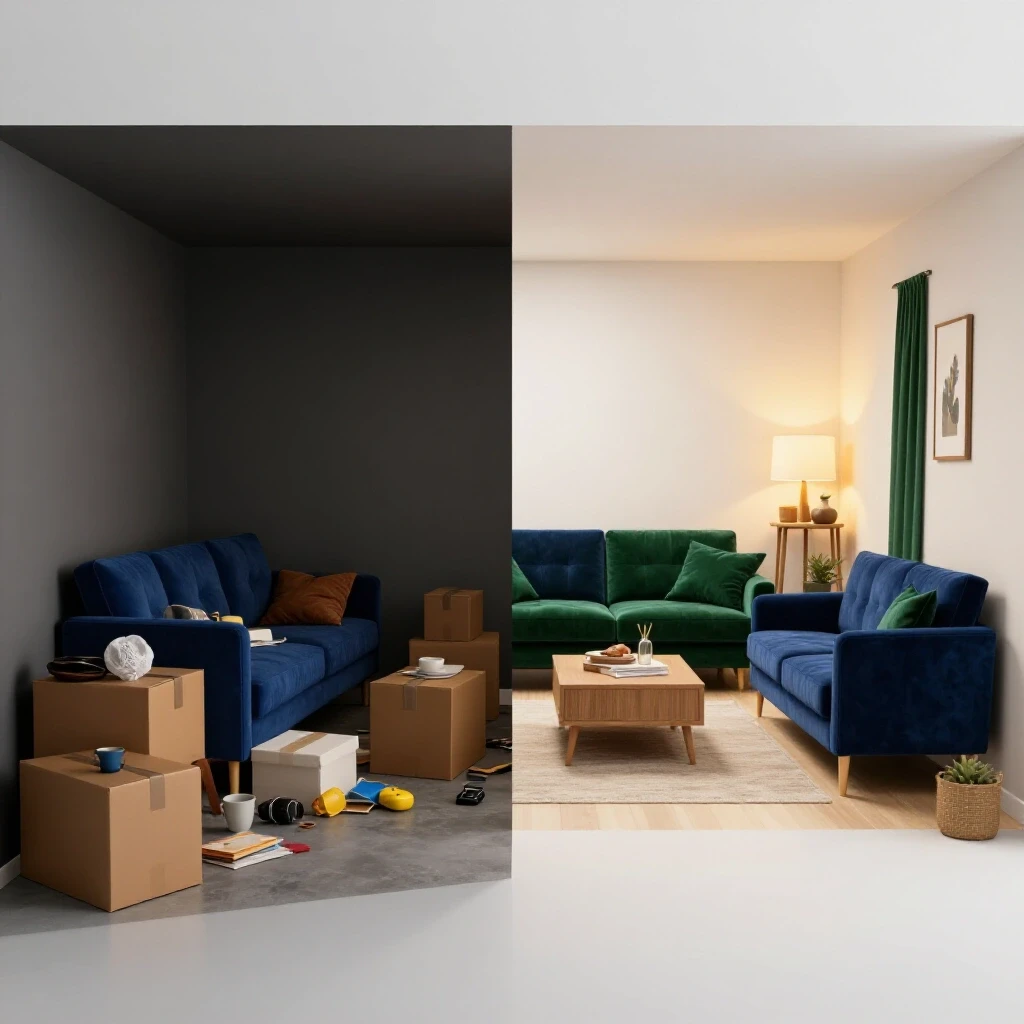
When we moved into a home specifically to be near better local amenities, I realized our old sofa was six inches too long for the primary living wall. This is a common hurdle in home transition planning. Before you even unpack the first box, you must conduct a spatial audit. This means measuring every wall, doorway, and window height. Knowing these numbers helps you avoid the frustration of dragging a heavy dresser up a flight of stairs only to find it blocks a closet door.
- Measure the “swing” of every door to ensure furniture won’t obstruct it.
- Identify the location of all electrical outlets and cable jacks.
- Map out the natural “traffic lanes” where people will walk most often.
- Document the ceiling heights to determine if vertical storage is an option.
Understanding the “why” behind layout zoning is essential. Zoning is the practice of dividing a single room into functional areas, such as a reading corner or a homework station. By defining these zones early, you give each family member a sense of purpose and place within the new walls.
Mapping Existing Furniture to New Room Scales
Furniture scale refers to the size of a piece of furniture in relation to the room it occupies. Visual weight is the perceived “heaviness” of an object based on its color, material, and size. Balancing these two elements is key to making a new house feel like a home.
In our second move, we transitioned from a wide-open suburban layout to a more segmented, traditional floor plan. My favorite oversized armchair suddenly looked like a giant in a dollhouse. To fix this, I had to learn about clearance margins. For a room to feel comfortable, you generally need 30 to 36 inches of space for major walkways. If you are working with a small room furniture layout, you might reduce this to 24 inches, but any less will make the space feel cramped and stressful.
| Room Type | Recommended Clearance Margin | Common Furniture Goal |
|---|---|---|
| Living Room | 30–36 inches for main paths | 18 inches between sofa and coffee table |
| Dining Room | 36 inches from table to wall | Space for chairs to pull out fully |
| Bedroom | 24–30 inches around the bed | Easy access to closets and drawers |
| Home Office | 36–42 inches behind the desk | Room for a rolling chair to move |
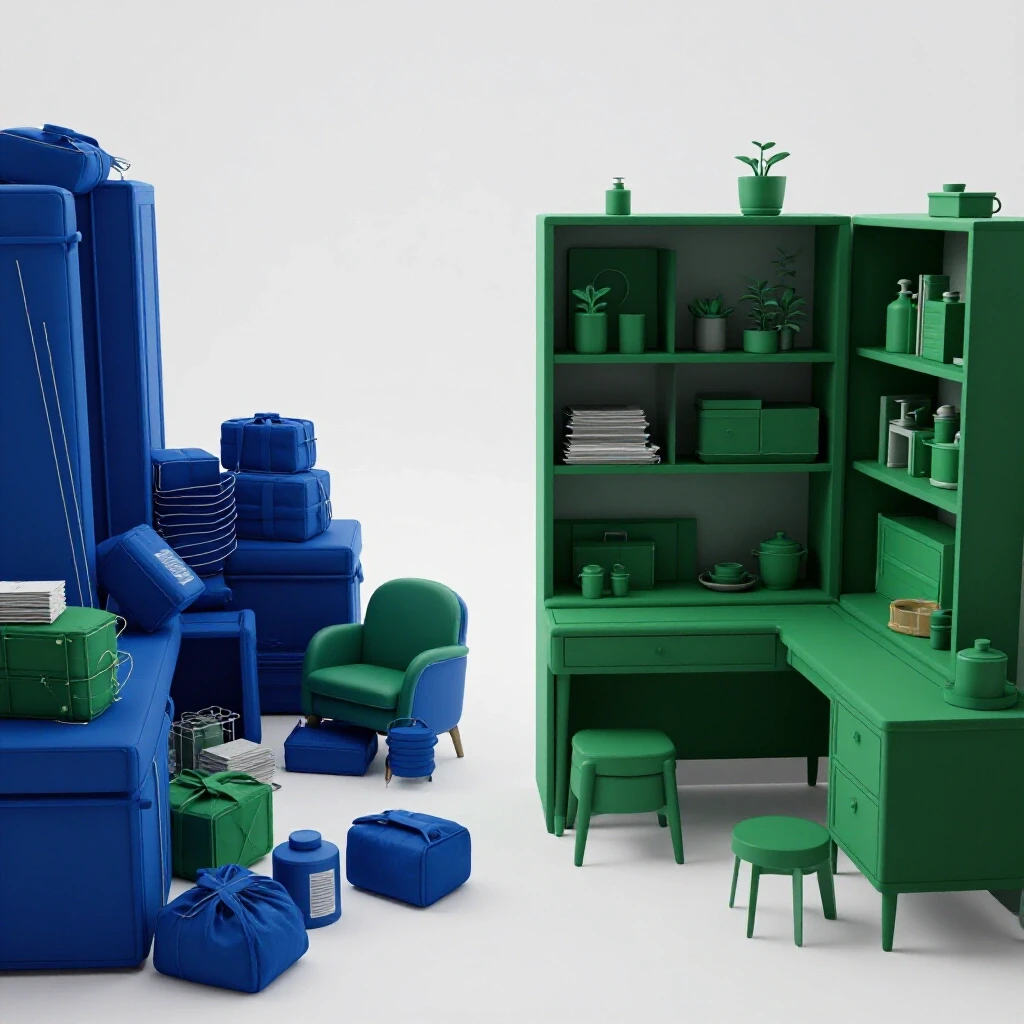
Spatial Blueprint Compatibility Matrix
To manage this, I suggest creating a simple grid. List your “must-have” furniture items and compare their dimensions against the new room’s “sweet spots.” If a piece doesn’t fit the 30-inch clearance rule, it might be time to repurpose it in a different room or consider downsizing. This objective approach reduces the emotional weight of letting go of items that simply don’t serve the new environment.
Strategies for Optimizing Awkward Floor Plans
An awkward floor plan is a room with unusual angles, misplaced windows, or structural pillars that disrupt the standard furniture arrangement. These spaces often become “dead zones” where clutter accumulates because the family doesn’t know how to use them.
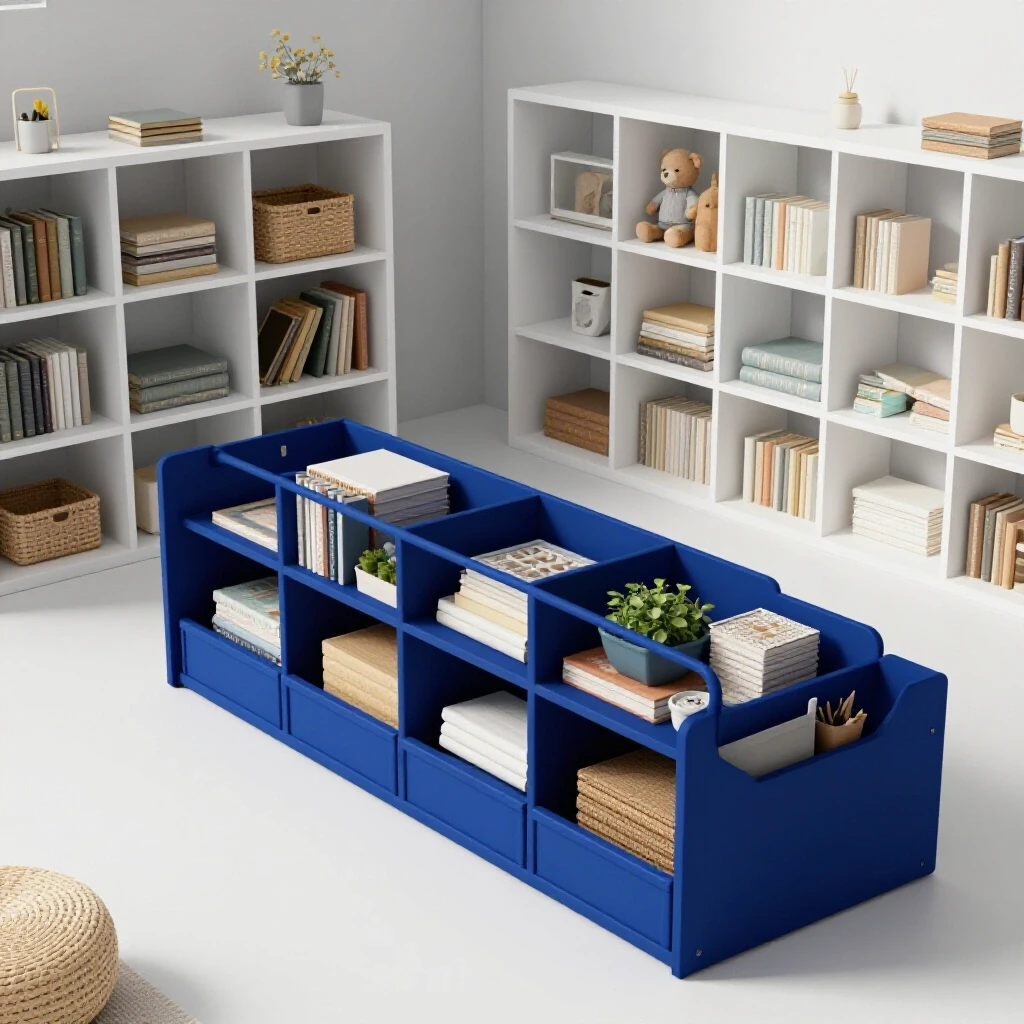
During our cross-country move, we encountered a long, narrow “bonus room” that felt more like a hallway than a living space. I found that the best way to handle these areas is to lean into multi-functionality. We divided the room using a low bookshelf, creating a craft area on one side and a cozy media nook on the other. This prevented the “bowling alley” effect and gave the kids a dedicated spot for their creative projects.
- Use area rugs to define specific zones within a large or strangely shaped room.
- Place floor lamps in dark corners to expand the visual boundaries of the space.
- Utilize “floating” furniture layouts where the sofa is not pushed against the wall.
- Install wall-mounted shelving to save floor space in narrow corridors.
When you address these awkward spots early, you reduce the “spatial friction” that leads to household arguments. A home that flows well allows for smoother morning routines and more relaxed evenings.
DIY Room Makeovers to Support Emotional Transitions
A home transition involves more than just physical labor; it requires emotional adaptation. For children, especially, their bedroom is their sanctuary. In our experience, involving them in a DIY room makeover is a powerful way to help them claim their new territory and feel a sense of ownership.
We made it a tradition to let our kids choose a new paint color or a specific craft project for their walls during the first week. In one home, we built a simple plywood “gallery wall” where they could pin up their drawings and photos. This small act of interior styling helped bridge the gap between the old house and the new one. It turned an unfamiliar room into a personal gallery of their lives.
- Color selection: Let family members choose one accent color for their personal space.
- Memory corners: Dedicate a small shelf to items from the previous home to provide continuity.
- Lighting updates: Replace generic fixtures with something that reflects the occupant’s style.
- Interactive walls: Use chalkboard paint or corkboards to encourage creativity.
These projects don’t have to be expensive or time-consuming. The goal is to create a physical “anchor” in the new environment. When a child sees their own handiwork on the wall, the house stops being a building and starts being their home.
Establishing Functional Daily Systems and Routines
A new home adjustment guide is incomplete without a plan for daily operations. When the physical layout changes, your old habits often break. You might find yourself walking across the house to find a pair of scissors or struggling to find a place for school bags and coats.
I recommend setting up “landing strips” near the main entry points. This is a designated zone with hooks for bags, a tray for keys, and a basket for mail. In our current home, this simple system saved us twenty minutes of searching every morning. We also focused on “zoning” the kitchen to match our cooking habits, ensuring the coffee maker was near the mugs and the trash can was near the prep area.
First-Month Spatial Adjustment Timeline
- Week 1: Focus on the “Vital Three”—the kitchen, the primary bathroom, and the beds. Ensure these are fully functional and comfortable.
- Week 2: Address the “Landing Strip” and storage zones. Get the boxes out of the hallways to restore clear circulation paths.
- Week 3: Fine-tune furniture placement. If you find yourself bumping into a table, move it. This is the “testing phase” for your layout.
- Week 4: Focus on aesthetics and “soft” touches. Hang the pictures, lay out the decorative pillows, and finalize the kids’ craft stations.
By following a structured timeline, you prevent the “moving fatigue” that often sets in after the first few days. It allows you to tackle the transition in manageable chunks rather than trying to do everything at once.
Neighborhood Integration Through Home-Based Connection
While much of the move happens inside the walls, your home is also your gateway to the local community. Neighborhood community building can start right on your front porch or in your driveway. During our third relocation, we made a point to spend time in the front yard rather than the backyard for the first month.
This simple shift in “spatial presence” made us accessible to neighbors. We set up a small seating area near the front door, which naturally led to quick introductions and tips about the best local parks or grocery stores. Creating a welcoming exterior is a form of lifestyle design that signals you are ready to be part of the neighborhood fabric.
- Front-facing activity: Spend time gardening or sitting out front to encourage natural greetings.
- The “Open Garage” rule: If you are working on a project in the garage, keep the door open to invite conversation.
- Small gestures: Share extra garden produce or offer to help a neighbor with a small task.
- Home-based gatherings: Once the main living areas are settled, host a simple “box-opening” coffee for the immediate neighbors.
Essential Tools for Layout Planning and Relocation
Modern technology has made home moving checklists much more interactive. I have used several digital tools to help visualize spaces before moving a single heavy box. These resources allow you to experiment with “what-if” scenarios without the physical strain.
- MagicPlan: An app that uses your phone’s camera to create floor plans simply by scanning the room.
- RoomPlanner: A tool for dragging and dropping furniture into a digital version of your new home.
- Trello or Notion: Excellent for creating a digital moving tracker with photos of box contents and room assignments.
- Graph Paper and Cut-outs: Sometimes the old-school method is best. Use a 1/4-inch scale to move paper furniture around a hand-drawn floor plan.
These tools provide a sense of control during a time that often feels chaotic. They allow you to solve spatial puzzles on a screen, ensuring that when the movers arrive, you have a clear plan for every item.
Final Thoughts on the Transition Process
Adjusting to a new living environment is a marathon, not a sprint. It took us nearly six months in our last home to feel like the layout was truly optimized for our family’s rhythm. Be patient with yourself and your space. If a furniture arrangement isn’t working after a week, change it. The goal is to create a home that supports your life, not one that you have to work around.
Focus on the small wins—a perfectly organized pantry, a cozy reading nook, or a successful DIY project in a child’s room. These are the building blocks of a settled life. By prioritizing spatial logic and functional design, you turn the stress of a move into an opportunity to build a better daily routine for your entire family.
Frequently Asked Questions
How do I decide which furniture to keep when downsizing to a smaller home? Focus on multi-functional pieces and items that fit the “30-inch rule” for clearances. Measure your new rooms and compare them to your current furniture dimensions using a spatial blueprint. If a piece blocks a natural walkway or makes a room feel crowded, it is a candidate for sale or donation. Prioritize items that serve more than one purpose, like an ottoman with storage or a dining table with leaves.
What is the most common mistake people make when arranging a new living room? The most common error is pushing all the furniture against the walls, which can make a room feel cold and cavernous. Instead, try “floating” the sofa or chairs to create an intimate conversation area. Ensure there is an 18-inch gap between the sofa and the coffee table for easy access while maintaining a sense of openness.
How can I help my children feel more comfortable in their new rooms quickly? Involve them in the design process immediately. Let them choose a DIY craft project or a specific layout for their toys. Establishing a “memory corner” with familiar items from their old room provides a sense of continuity. The faster they see their own personality reflected in the space, the sooner they will feel at home.
What are the ideal measurements for a functional home office layout? You should aim for at least 36 to 42 inches of clearance behind the desk to allow for a rolling chair. If the office is in a shared space, use a rug or a room divider to create a visual “zone” that signals a transition from home life to work life. Ensure the desk is positioned to minimize glare on the screen from windows.
How do I handle a “dead zone” or an awkward corner in a new floor plan? Turn dead zones into functional “micro-zones.” A small corner can become a reading nook with a single chair and a lamp. A narrow hallway can host thin, wall-mounted bookshelves. The key is to give every square foot a specific purpose so that clutter doesn’t have a place to land.
How long does it typically take for a family to feel “settled” in a new layout? While the physical unpacking might take a week or two, the spatial adjustment usually takes three to six months. This period allows you to test your routines and move furniture around as you discover how you actually use the space. Don’t feel pressured to have a “perfect” home in the first month.
What is the best way to manage the logistics of a cross-country move with a family? Use a digital moving tracker to categorize boxes by room and priority. Pack a “First-Night Box” for every family member containing essentials like bedding, pajamas, and basic toiletries. Having a clear spatial plan for the new house before the truck arrives will reduce the number of times you have to move heavy items.
How can I make my new home feel more integrated into the neighborhood? Focus on the “front-facing” parts of your home. Spend time on the porch or in the front yard to make yourself accessible to neighbors. A well-maintained exterior and a welcoming entryway signal that you are invested in the community. Simple home-based gestures, like hosting a small coffee for neighbors, can jumpstart your social integration.
(This article was written by one of our staff writers, Kevin Thompson. Visit our Meet the Team page to learn more about the author and their expertise.)