How to Stop Chasing Perfect When Moving Into a New Home (Guide)

Are you holding your breath until every box is unpacked and every picture is hung exactly right before you finally allow yourself to feel at home? In my nineteen years of navigating four major relocations with a growing family, I have learned that the most successful moves happen when we stop waiting for a finished state and start living in the transition. Moving is not just about transporting boxes; it is about recalculating how your daily life fits into a brand-new set of dimensions.
When I moved my family from a spacious suburban house to a compact urban apartment, I spent weeks trying to force our old life into a new footprint. I realized that the stress of moving often comes from trying to recreate a previous environment rather than listening to what the new space actually needs. By shifting our focus toward iterative adjustments and functional flow, we found that comfort comes much faster than a completed “to-do” list ever could.
Auditing Your Spatial Footprint Before the Move
A spatial audit is the systematic evaluation of your current belongings against the dimensions and flow of your future residence. It identifies which items support your daily activities and which will create physical friction in a new environment. This process allows you to make informed decisions about what to keep, sell, or donate before you pay to move it.
Before you pack a single box, you must understand the structural scale of your new home. In my second cross-country move, I made the mistake of assuming our king-sized bed would fit in a charming older home. I neglected to measure the narrow, winding staircase. We ended up stuck on moving day with a mattress that could not physically reach the second floor.
A thorough home moving checklist should always begin with a measuring tape. Measure the width of every doorway, the height of every ceiling, and the clearance of every hallway. Most standard hallways require a 30 to 36-inch clearance for comfortable movement. If your favorite dresser is 34 inches deep, it might technically fit, but it will make the passage feel cramped and difficult to navigate.
- Measure Entry Points: Check front doors, back doors, and any interior tight turns.
- Assess Ceiling Heights: High ceilings can handle tall bookshelves, but low ceilings will make them feel overbearing.
- Identify Power Outlets: Knowing where your plugs are located determines where your “tech hubs” and lamps will live.
Spatial Blueprint Compatibility Matrix
| Current Item | New Room Dimensions | Compatibility Status | Action Required |
|---|---|---|---|
| Sectional Sofa | 12′ x 14′ Living Room | High Friction | Split sections or replace |
| Dining Table (8-seat) | 10′ x 10′ Nook | No Fit | Sell and downsize to 4-seat |
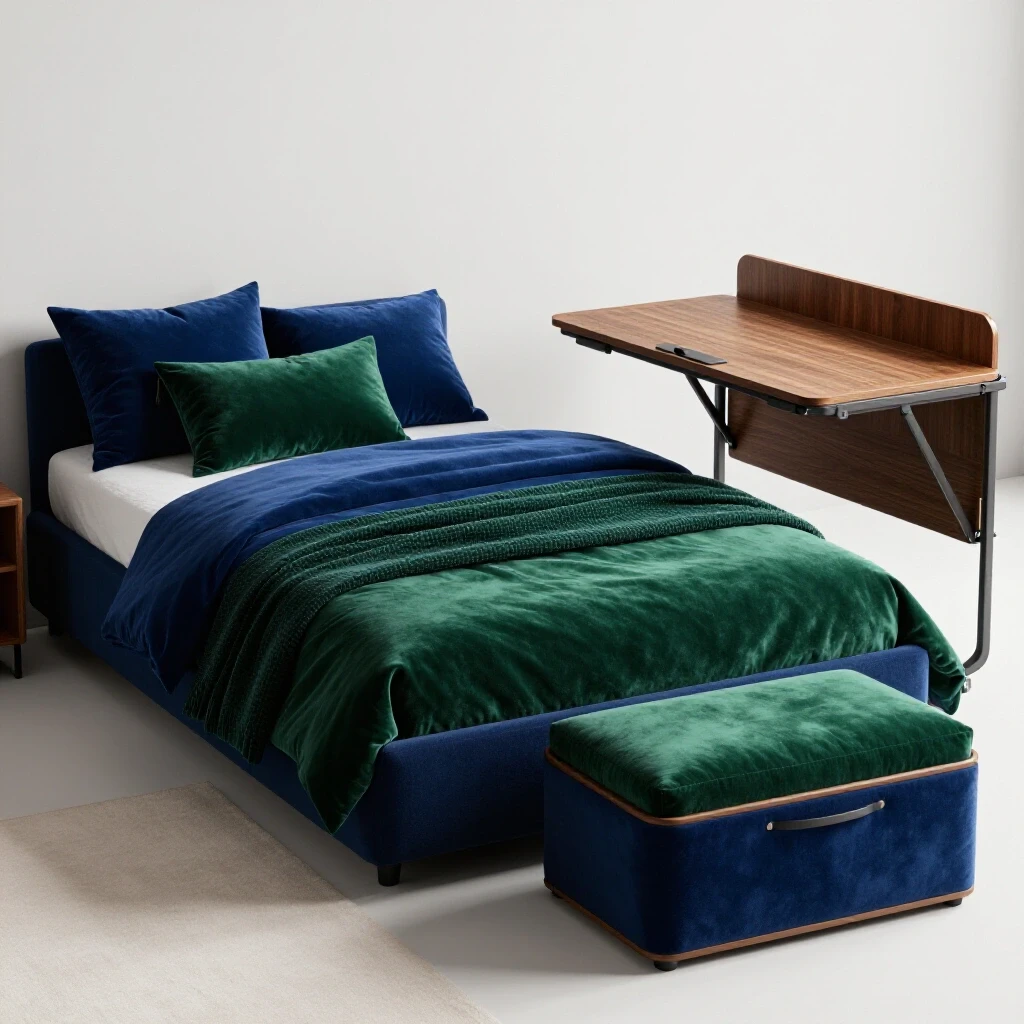
| King Bed Frame | 11′ x 12′ Bedroom | Tight Fit | Use low-profile frame |
| Home Office Desk | 5′ Closet Nook | Perfect Fit | Remove closet doors for “cloffice” |
Why Blind Furniture Placement Fails and How to Draft a Layout
Drafting a layout involves creating a visual map of your home to ensure furniture scales match the room size. This process prevents overcrowding and maintains clear paths for movement throughout the house. A well-planned layout considers traffic circulation and the visual weight of objects within a room.
When we moved into our third home, I stopped trying to guess where things went. I started using a digital space-planner to map out our small room furniture layout before the truck arrived. I learned that “visual weight” is just as important as physical dimensions. A dark, heavy wooden desk can make a small room feel tiny, even if it fits the measurements.
To ensure a smooth home transition planning phase, focus on circulation paths. These are the “roads” people walk on to get from one room to another. You should aim for at least 3 feet of walking space for major thoroughfares. In a living room, keep at least 18 inches between the edge of the sofa and the coffee table. This allows for easy legroom while keeping the table within reach.
- Map the Traffic: Draw lines on your floor plan where people will walk most often.
- Identify the Focal Point: Every room has one, whether it is a fireplace, a window, or a TV.
- Balance the Weight: Distribute large pieces of furniture across the room rather than bunching them on one side.
Adapting to Awkward Floor Plans with Flexible Thinking
Awkward floor plans feature non-standard angles, poorly placed windows, or narrow dimensions that challenge traditional furniture arrangements. Adapting requires prioritizing function over symmetry and using multi-purpose zones to maximize utility. This approach allows you to work with the quirks of a home rather than against them.
We once lived in a “shotgun” style house where every room led directly into the next. There were no hallways, which meant every room was also a walkway. This is where functional zoning becomes essential. Instead of seeing a room as one big box, see it as a collection of small zones.
For example, an awkward corner in a living room can become a “reading zone” with a single chair and a small lamp. A narrow entryway can become a “landing zone” for keys and mail. By breaking the room down into smaller tasks, the strange angles start to make sense.
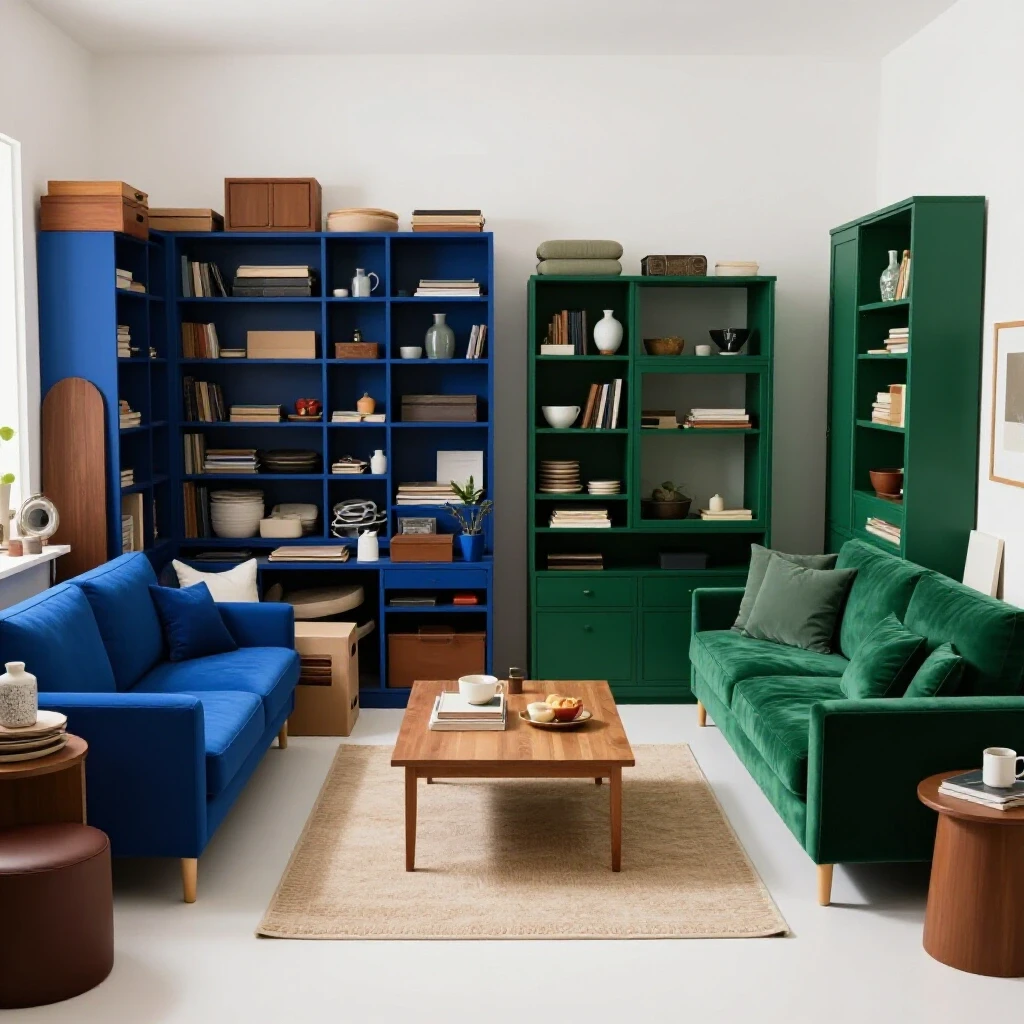
- Use Vertical Space: In small rooms, go up. Tall shelving units use the wall instead of the floor.
- Floating Furniture: Do not feel obligated to push every piece of furniture against a wall. Sometimes pulling a sofa out 12 inches creates a better flow.
- Multi-Functional Pieces: An ottoman that serves as a coffee table and extra seating is a lifesaver in tight quarters.
The First-Month Spatial Adjustment Timeline
This timeline outlines the phases of settling in, from essential survival setups to the gradual refinement of room functions. It acknowledges that a home evolves through use rather than being completed on moving day. Following a structured schedule reduces the pressure to “finish” everything immediately.
During our most recent move, I realized that the “perfect” layout on paper rarely survives the first week of real life. We thought the dining table belonged in the sunroom, but after three days, we realized the morning sun was too bright for breakfast. We moved it. That is the beauty of an iterative process.
The first month is about testing your theories. If a layout feels frustrating, change it. You are not failing; you are gathering data on how your family actually uses the space. This is a vital part of any new home adjustment guide.
First-Month Spatial Adjustment Schedule
- Day 1-2: The Survival Phase. Unpack the kitchen “essentials” box, set up all beds, and ensure the bathroom is functional. Focus on sleep and food.
- Week 1: The Flow Phase. Arrange the main seating areas. Pay attention to where people naturally drop their bags and shoes. This is where you need storage.
- Week 2: The Efficiency Phase. Organize the “high-use” cabinets. If you find yourself walking across the kitchen every time you need a spoon, move the spoons.
- Month 1: The Refinement Phase. Hang the art and photos. Now that you know how the light hits the walls and how the rooms feel, you can make permanent aesthetic choices.
Establishing Daily Routines and Neighborhood Integration
Neighborhood integration is the intentional process of learning local geography and social patterns to feel connected to a new area. It involves mapping out essential services and initiating low-pressure interactions with neighbors. Building community is just as important as unpacking boxes for long-term comfort.
A move is a massive disruption to your internal clock. In our first cross-country move, we felt like strangers for six months because we stayed inside trying to unpack. By our fourth move, we changed our strategy. We made it a rule to walk the neighborhood for 20 minutes every evening, even if there were still thirty boxes in the garage.
Community mapping helps you feel “local” faster. Find your “third place”—a coffee shop, a park, or a library—where you can exist outside of work and home. Research shows that having a predictable routine in a new environment lowers stress levels significantly.
- The “Local” Loop: Find the nearest grocery store, pharmacy, and hardware store within the first 48 hours.
- Introduce Yourself: You don’t need a formal party. A simple wave or a quick “Hi, we just moved in” while checking the mail is enough to start.
- Join Digital Groups: Look for neighborhood social media groups to stay informed about local events and safety updates.
Practical Tools for Layout Planning and Coordination
When you are in the thick of a move, your brain is often at its maximum capacity. Having a set of reliable tools can take the guesswork out of the logistics. In my experience, using a mix of digital and physical tools provides the best results for spatial layout adaptation.
- Digital Floor Plan Apps: Many free apps allow you to take a photo of a room and instantly generate a 3D model. This is excellent for testing furniture sizes before you move them.
- Painter’s Tape: This is my favorite “low-tech” tool. Tape out the footprint of your furniture on the floor of your new home. It helps you feel the physical presence of the items before the heavy lifting begins.
- Box Inventory Logs: Use a simple numbering system. Label the box “Kitchen #4” and keep a list on your phone of what is inside. You will thank yourself when you are looking for the coffee grinder on Monday morning.
Moving Logistics and Weight Tolerances
Understanding the physical limits of your move can prevent injury and damage. Most professional moving kits suggest specific weight tolerances for boxes to ensure they can be carried safely. A small box should generally not exceed 30 pounds, while a large box should be kept under 50 pounds for safety.
- Books and Heavy Items: Always go in small boxes. A large box full of books is a recipe for a broken box or a strained back.
- Linens and Pillows: These are great for large boxes because they provide volume without adding too much weight.
- Fragile Goods: Use double-walled boxes for glassware. Ensure there is at least 2 inches of padding between the item and the box wall.
By focusing on these practical, iterative steps, you can transform the high-stress experience of moving into a manageable transition. Remember that a home is a living thing; it grows and changes with you. You don’t need it to be “done” by the end of the first week. You just need it to work for you today.
Frequently Asked Questions
How do I decide which furniture to get rid of before a move? Start by measuring your new floor plan and identifying “dead zones” where large pieces simply won’t fit. Use the 30-36 inch rule for walkways. If a piece of furniture blocks a natural path or prevents a door from opening fully, it is a candidate for replacement or removal.
What is the best way to handle an awkwardly shaped living room? Instead of trying to center everything, create “functional zones.” Use area rugs to define specific spaces, like a conversation area or a workspace. This breaks the room into smaller, more manageable sections that don’t rely on the room’s overall symmetry.
How long does it typically take to feel “settled” in a new home? Based on housing adaptation studies and my own experience, the “survival” phase lasts about a week. However, it often takes three to six months to establish a solid routine and feel a true sense of belonging in a new neighborhood.
What should I pack in my “Essentials Box”? This box should be the last one on the truck and the first one off. Include basic toiletries, a change of clothes, chargers, basic tools (like a screwdriver and box cutter), coffee supplies, and any daily medications. Think of it as a “camping kit” for your first night.
How can I make my old furniture look like it belongs in a new style of home? Focus on “visual bridges.” If you are moving traditional furniture into a modern space, use updated textiles like throw pillows or rugs to blend the styles. You can also change the hardware on dressers or cabinets to match the finishes in your new home.
Is it better to unpack room by room or by item type? I recommend a “high-use” approach. Unpack the kitchen and bedrooms first so you can eat and sleep. After that, move to the bathroom and living areas. Leave the “low-use” areas like the garage or guest room for the final stages of the first month.
How do I keep my kids or pets calm during a move? Maintain their routines as much as possible. Set up their “zones” (beds, toy areas, crates) early in the process so they have a familiar home base amidst the chaos of boxes. Familiar smells, like unwashed bedding, can also provide a sense of security.
What are the most common layout mistakes people make when moving? The biggest mistake is pushing all furniture against the walls, which often creates a “waiting room” feel. Another mistake is ignoring the location of power outlets and windows, leading to glares on screens or a lack of light in workspaces.
How do I find the best walking paths in my new neighborhood? Use digital maps to identify nearby parks or shops, but then explore them on foot. Pay attention to which streets have the most shade, where the sidewalks are widest, and where you see other neighbors out and about.
What should I do if my furniture is too big for the elevator or stairs? Before moving day, measure the “tightest squeeze” in your path. If an item won’t fit, you may need to disassemble it further or hire a specialty moving service that uses hoists. If those aren’t options, it’s better to sell the item before the move.
How can I meet my neighbors without feeling awkward? Spend time in your front yard or on your porch. Simple activities like watering plants or washing the car make you approachable. If you see a neighbor, a quick introduction like, “Hi, I’m Kevin, we just moved in next door,” is a low-pressure way to start a connection.
(This article was written by one of our staff writers, Kevin Thompson. Visit our Meet the Team page to learn more about the author and their expertise.)