Avoid These 5 Common Moving Mistakes for a Smoother Move (Guide)

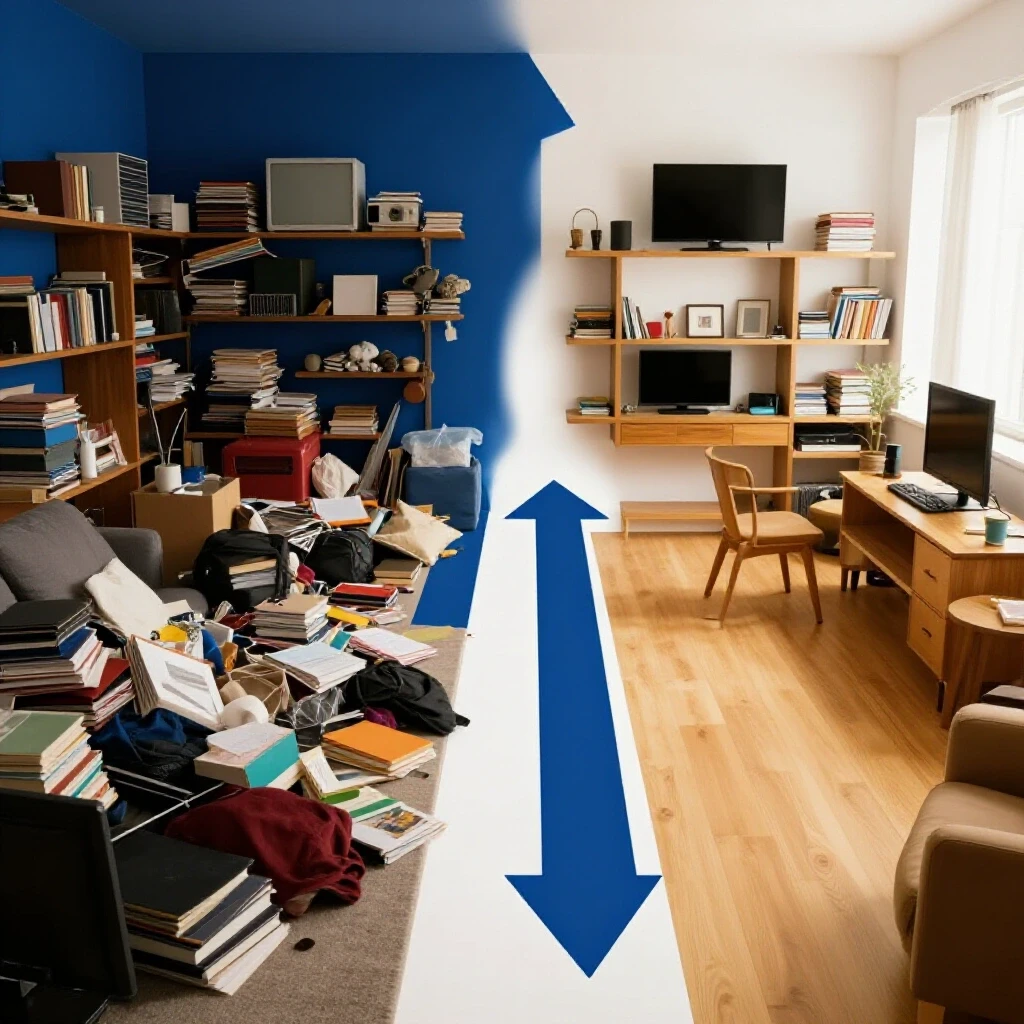
Discussing upgrades to a living space often starts with choosing paint colors or new curtains, but the real work of a successful transition begins long before the first box is taped. Over 19 years and four major family relocations, I have learned that a home is more than a collection of rooms; it is a series of interconnected systems. When these systems are ignored during a move, the result is often a house that feels like a storage unit rather than a sanctuary.
My journey through four different homes—ranging from tight city apartments to sprawling suburban layouts—taught me that the most common moving pitfalls are rarely about the logistics of the truck. Instead, they stem from a lack of spatial foresight and a failure to adapt existing belongings to a new environment’s unique scale. By focusing on structural layout adaptations and functional zoning, you can bypass the “box-living” phase and settle into a comfortable routine much faster.

Auditing Spatial Footprints Before the First Box is Taped
A spatial audit involves measuring the physical dimensions of both your current belongings and your future home to ensure a functional fit. It prevents the frustration of moving heavy furniture that physically cannot fit through doorways or within room boundaries. This process acts as a reality check for your floor plan.
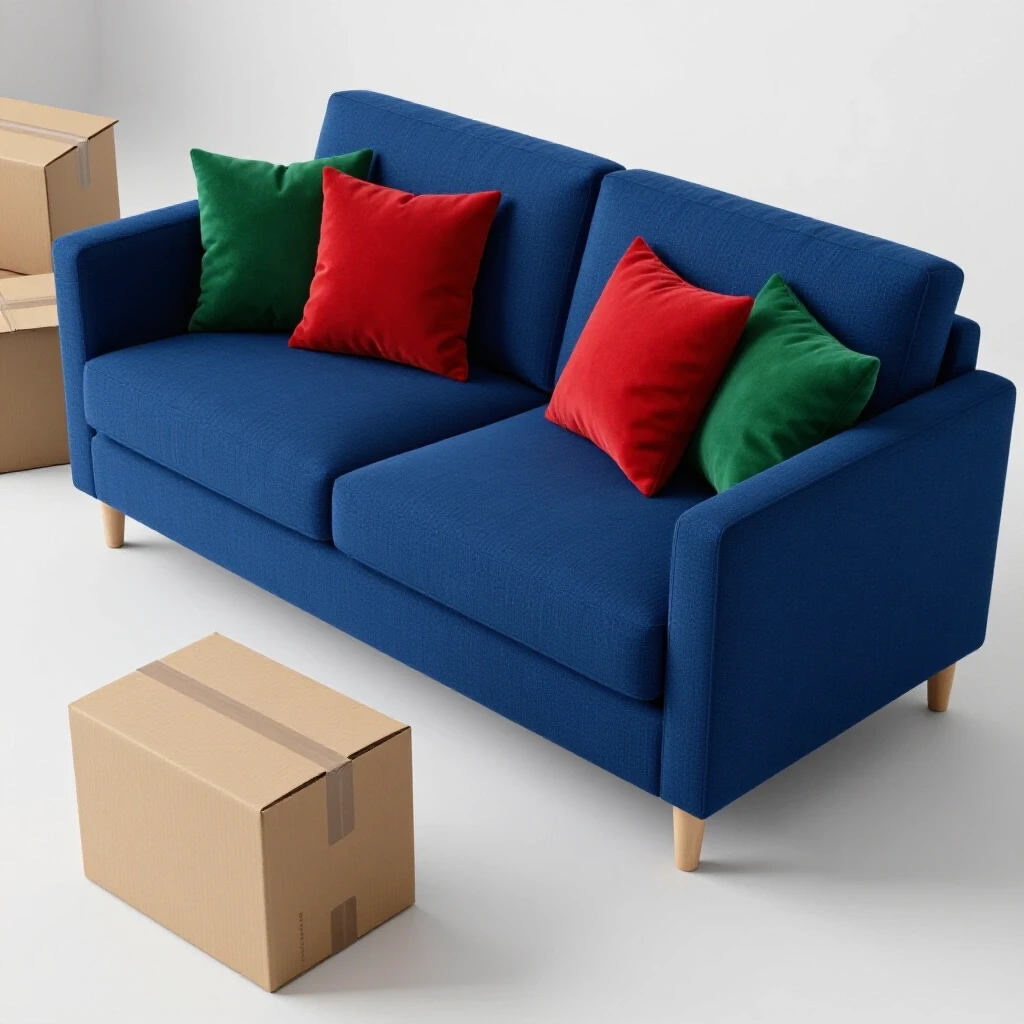
In my second move, I assumed our oversized sectional sofa would fit into a charming 1920s bungalow. I didn’t account for the narrow 30-inch hallway or the sharp turn at the entrance. We spent three hours trying to wedge it in before realizing the layout simply wouldn’t allow it. This taught me that a home moving checklist must include a “clearance audit” for every large item.
When you conduct a spatial audit, you are looking for more than just square footage. You are looking for “usable volume.” This includes measuring ceiling heights, window placements, and the swing radius of doors. Interestingly, many movers overlook the fact that a room might have the floor space for a desk, but a low-hanging light fixture or a radiator might make that specific placement impossible.
Building on this, I recommend creating a digital or paper map of your new home’s dimensions. Use a high-quality steel measuring tape rather than a laser measure for tight corners, as lasers can sometimes bounce off reflective surfaces and give false readings. Once you have these numbers, you can compare them against your current furniture to decide what truly deserves a spot in the new house.
Understanding Structural Scale and Circulation Paths
Structural scale refers to the relationship between the size of a room and the objects within it, while circulation paths are the “invisible hallways” people use to walk through a space. Maintaining a balance between these two ensures that a room feels open rather than cluttered. Proper planning respects the natural flow of human movement.
To keep a home feeling breathable, you should aim for a 36-inch clearance in high-traffic areas. This is the standard width for most hallways and allows two people to pass each other comfortably. In smaller rooms, you can occasionally drop this to 30 inches, but anything less will make the space feel cramped and difficult to navigate.
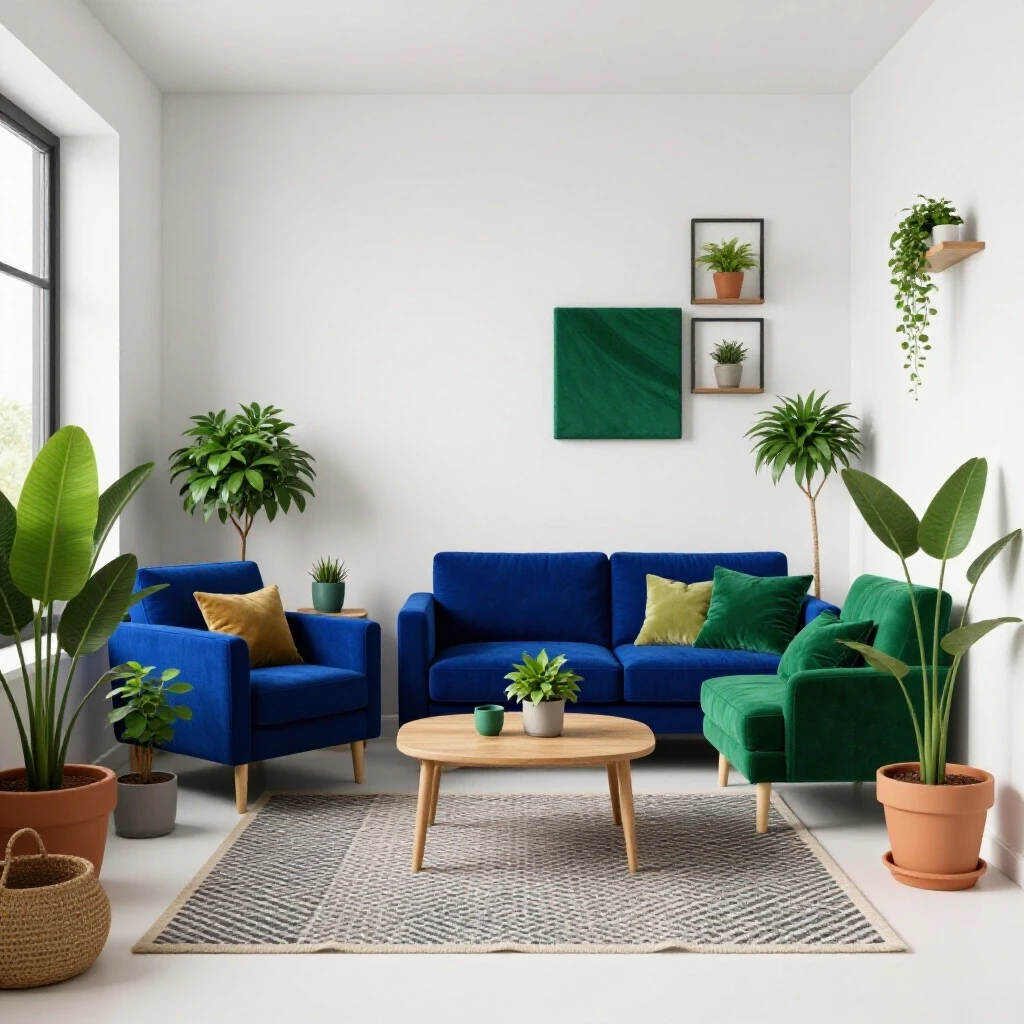
As a result of ignoring these margins, many families find themselves constantly bumping into coffee tables or squeezing past armchairs. In my third move, I prioritized circulation by “zoning” the living room. I placed the furniture at least 12 inches away from the walls to create a floating layout. This not only improved the visual weight of the room but also made cleaning and moving through the space much easier.
- Hallway Widths: 36 inches (Standard)
- Dining Chair Pull-out Space: 24–30 inches
- Coffee Table to Sofa Distance: 14–18 inches
- Entryway “Drop Zone” Width: 48 inches (for multiple people)
Why Mapping Traffic Flow Prevents Post-Move Friction
Traffic flow mapping is the intentional design of pathways that connect different functional areas of a home. By identifying where people will naturally walk—such as from the kitchen to the dining table—you can place furniture in a way that supports these movements. This reduces the daily friction of a poorly organized home.
When we moved into our fourth home, I spent an entire afternoon just walking the empty floor plan. I traced the path from the bedrooms to the bathroom and from the front door to the kitchen. I realized that placing a large sideboard in the dining room would block the primary path to the backyard. Because I caught this early, we were able to find a slimmer storage solution before the move-in day.
| Room Type | Ideal Clearance | Common Obstruction | Adjustment Strategy |
|---|---|---|---|
| Living Room | 36″ Walkways | Large Coffee Tables | Switch to nesting tables |
| Bedroom | 30″ Around Bed | Oversized Dressers | Use vertical wall shelving |
| Kitchen | 42″ Work Triangle | Kitchen Islands | Ensure 3-foot gap on all sides |
| Home Office | 36″ Behind Desk | Filing Cabinets | Use under-desk storage |
Establishing these paths early is a core part of effective home transition planning. It allows you to visualize the daily life of your family before you are surrounded by stacks of cardboard. If you have children or pets, these pathways become even more critical for safety and ease of movement.
Adapting Existing Furniture to Unfamiliar Scale and Proportions
Furniture scale adaptation is the process of evaluating how your current pieces visually and physically occupy a new room’s volume. It involves balancing the “visual weight” of items to prevent a room from feeling cramped or cavernous. Not every piece of furniture transitions well between different architectural styles.
A common mistake I’ve seen (and made) is trying to force “apartment-sized” furniture into a large, open-concept home, or vice versa. In a large room, small furniture can look like it’s floating aimlessly. Conversely, heavy, dark wood furniture can overwhelm a small room with low ceilings. To fix this, consider the “visual height” of your pieces.
Building on the concept of visual weight, if you are moving into a smaller space, look for furniture with legs rather than solid bases. Seeing the floor underneath a sofa or cabinet creates an illusion of more space. During our cross-country move, we swapped our solid-base nightstands for wall-mounted floating shelves. This small change made a cramped bedroom feel significantly more open.
Guidelines for Room-to-Furniture Scaling
Scale guidelines help you determine if a piece of furniture is proportionally appropriate for a room. These metrics are based on interior design standards that prioritize both aesthetics and physical comfort. Using these numbers ensures that your layout feels intentional rather than accidental.
- Sofa Length: Should occupy about 2/3 of the wall it sits against.
- Rug Size: All furniture legs (or at least the front legs) should rest on the rug to anchor the room.
- Art Placement: The center of a picture should be roughly 57–60 inches from the floor (eye level).
- Lighting: In a dining room, the bottom of a chandelier should be 30–36 inches above the table.
Interestingly, housing adaptation research suggests that our brains feel more relaxed in spaces where the furniture scale is consistent. When you mix a massive, overstuffed recliner with a delicate, mid-century modern side table, the visual “noise” can lead to a subtle sense of unease. Sticking to a consistent scale helps create a cohesive new home adjustment guide for your lifestyle.
Designing Functional Zones for Immediate Daily Routines
Functional zoning is the practice of dedicating specific areas of a home to certain tasks, such as work, sleep, or play. Establishing these zones during the first week helps reduce the mental load of living out of boxes. It provides a sense of order when the rest of the house is in flux.
When we moved with our two children, the “play zone” was the first thing I set up. By defining a specific corner of the living room for their toys, I kept the rest of the floor clear for unpacking. This spatial layout adaptation allowed the adults to work on the move while the kids had a safe, familiar spot to occupy themselves.
A successful home transition planning strategy involves identifying “high-utility zones.” These are areas like the entryway (for keys and mail), the coffee station, and the charging hub for electronics. If these are functional within the first 48 hours, the rest of the unpacking process feels much less chaotic.
- The Landing Strip: A small table or hooks near the door for immediate essentials.
- The Command Center: A central spot for calendars, mail, and school forms.
- The Rest Zone: A completely unpacked bedroom to ensure quality sleep during the move.
- The Nourishment Hub: A kitchen corner with the most-used appliances (coffee maker, toaster).
Efficient Unpacking and Spatial-Flow Designs
A step-by-step unpacking plan prevents the “shoving” method, where items are put away randomly just to clear the floor. By following a logical order, you can ensure that every item is placed in a way that supports the room’s intended layout. This stage is where your spatial planning finally comes to life.
I always recommend the “Room-by-Room, Layer-by-Layer” approach. Start with the “essentials layer”—the items you need to function. Then move to the “utility layer”—storage, linens, and kitchenware. Finally, tackle the “aesthetic layer”—decor and photos. This prevents you from hanging pictures on the wall before you’ve even found your forks.
As a result of this structured approach, you can evaluate the flow of a room as you fill it. If you find that a bookshelf makes a corner feel too dark, you have the flexibility to move it before it’s fully loaded with books. This “live-in testing” is a vital part of adapting to a new living environment.
| Phase | Timeline | Primary Goal |
|---|---|---|
| Week 1 | Days 1–3 | Set up beds, kitchen essentials, and bathrooms. |
| Week 1 | Days 4–7 | Unpack clothing and organize primary storage zones. |
| Week 2 | Days 8–14 | Arrange secondary rooms (guest rooms, offices). |
| Week 3 | Days 15–21 | Focus on wall decor, rugs, and aesthetic touches. |
| Week 4 | Days 22–30 | Evaluate traffic flow and adjust furniture as needed. |
Why Small Room Furniture Layouts Require Creative Thinking
Small or awkward rooms often feature “dead space” or “pathway conflicts” that traditional furniture arrangements can’t solve. Optimizing these areas requires looking beyond the standard “sofa against the wall” mentality. It often involves using multi-functional pieces or vertical storage.
In our first apartment, we had a living room that was essentially a long, narrow hallway. To make it work, I used a low bookshelf as a room divider. This created a distinct “entryway” and a “sitting area” without blocking the light. This type of small room furniture layout adaptation is essential for making a house feel customized to your needs.
Building on this, don’t be afraid to use the “diagonal” in awkward rooms. Placing a bed or a desk at an angle can sometimes open up floor space that would otherwise be wasted. While it feels counterintuitive, it can break up the boxy feel of a difficult room and create more natural circulation paths.
- Use Mirrors: They double the visual depth of a narrow room.
- Go Vertical: Use tall bookshelves to draw the eye upward.
- Choose “Leggy” Furniture: Pieces that show the floor feel lighter.
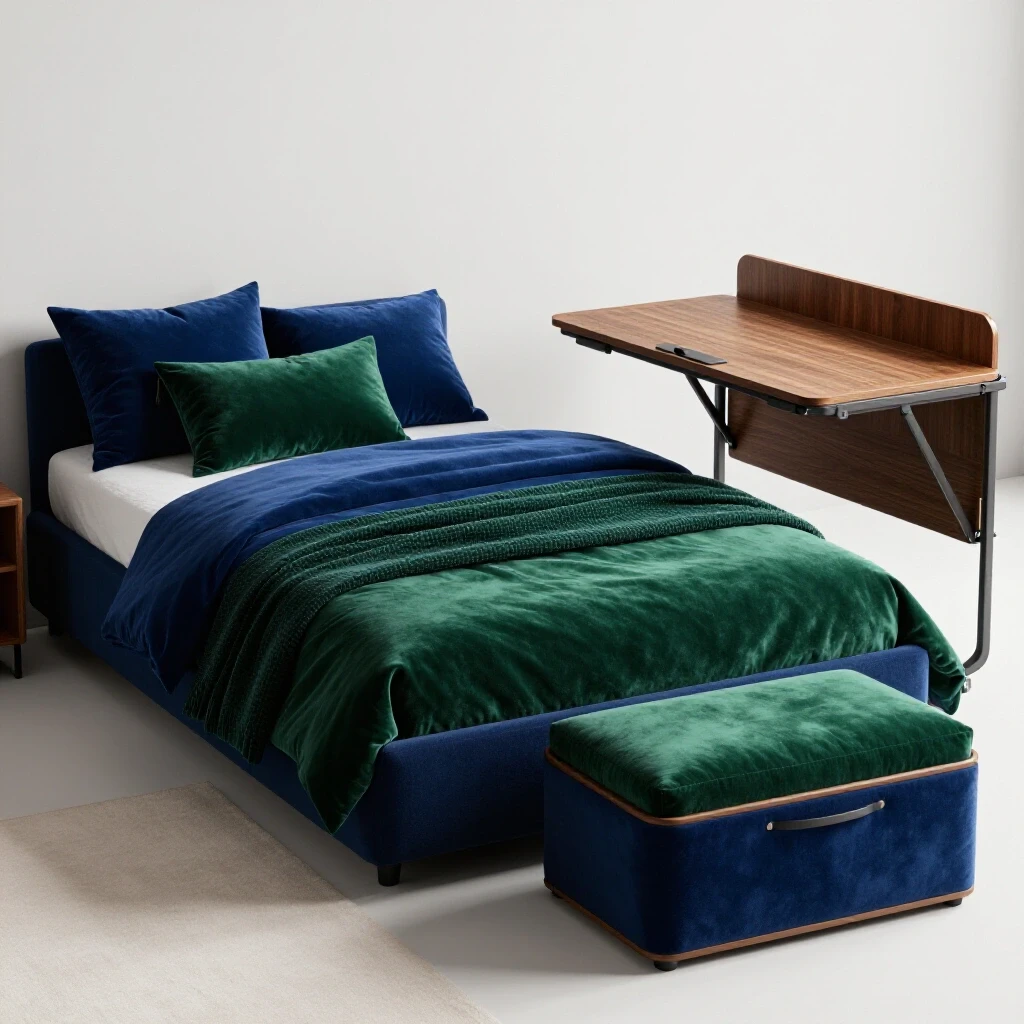
- Multi-purpose Items: Ottomans with storage or desks that fold into the wall.
Strategies for Integrating into Your New Neighborhood Fabric
Neighborhood integration is the intentional effort to build social connections and learn the local landscape after a relocation. This process turns a house into a home by establishing a sense of belonging and community support. It is the final piece of a successful transition.
Moving is isolating. I remember feeling like a stranger in my own neighborhood for the first six months of our third move. I eventually realized I was waiting for the community to come to me. I changed my strategy: I started taking the same walk every morning at 8:00 AM. This simple routine led to “micro-interactions” with neighbors, which eventually turned into real friendships.
Building community is about identifying “Third Places”—locations that aren’t work or home, like a local park, library, or coffee shop. By becoming a “regular” at one of these spots, you naturally integrate into the local social fabric. This is just as important for your well-being as having a functional kitchen layout.
Modern Tools for Space Mapping and Relocation Coordination
In the digital age, we have access to powerful resources that make spatial layout adaptation much easier. These tools allow you to experiment with different configurations without lifting a single heavy box. Using them can save hours of physical labor and prevent furniture damage.
- MagicPlan: An app that uses your phone’s camera to create floor plans simply by scanning the room.
- Roomstyler 3D Home Planner: A browser-based tool for dragging and dropping furniture into a virtual room.
- Trello or Notion: Excellent for creating a digital home moving checklist and tracking box contents.
- Sortly: A visual inventory app that helps you remember exactly what is in every box.
- Floorplanner.com: Great for creating detailed 2D and 3D diagrams of awkward spaces.
Using these resources allows you to visualize the spatial storage volumes of your new home before you arrive. You can see, for example, if your existing bookshelf will block a light switch or if your bed will fit between two windows. This level of preparation is what separates a high-stress move from a structured transition.
Establishing a New Normal Through Daily Routine Design
The final step in a move is the creation of new household routines that fit the new layout. A different floor plan often means your old habits won’t work the same way. You must be willing to experiment with how you use your space until it feels natural.
For example, in our current home, the laundry room is on a different floor than the bedrooms. This required a complete change in how we manage chores. We had to implement a “staging basket” at the top of the stairs. It took a few weeks to adjust, but by acknowledging the layout’s constraints, we built a system that worked for us rather than fighting against the house.
As you settle in, pay attention to where “clutter magnets” form. If mail always ends up on the kitchen island, it’s a sign you need a better “drop zone” near the entrance. Adjusting your routines to match the physical reality of your home is the secret to long-term comfort.
- Observe: Watch where family members naturally drop their things.
- Adjust: Place storage solutions exactly where the clutter accumulates.
- Test: Give a new routine two weeks before deciding if it works.
- Refine: Don’t be afraid to move furniture again after a month of living in the space.
Final Thoughts on Your Transition
Relocating is a significant life event that demands both physical effort and mental flexibility. By focusing on spatial layout adaptation, respecting circulation paths, and being intentional about your routines, you can turn a stressful move into a successful new chapter. Remember that a home is a living environment; it should evolve as your needs change. Take the time to measure, plan, and connect, and you will find yourself feeling at home much sooner than you expected.
Frequently Asked Questions
How do I know if my current furniture is too big for my new home? Measure the “visual footprint” of your furniture. If a piece takes up more than 40% of the floor space in a room, it will likely feel overwhelming. Also, check doorway and hallway clearances; if you have less than 30 inches of space to move the item through, it may not physically fit into the room without significant effort or potential damage.
What is the best way to plan a layout for an awkward, L-shaped room? Treat an L-shaped room as two distinct zones. Use a rug or a piece of furniture, like a sofa or a low console, to create a visual boundary between the two sections. This allows one side to function as a sitting area while the other serves as a dining space or home office, preventing the room from feeling like a giant, wasted hallway.
How much space should I leave for walking paths between furniture? The gold standard is 36 inches for major thoroughfares to allow for comfortable movement. In tighter spaces or secondary paths, such as the gap between a bed and a wall, you can go as low as 30 inches. Anything below 24 inches will feel like a “squeeze” and should be avoided in daily-use areas.
How can I make my new neighborhood feel like home faster? Establish a “Third Place” immediately. Find a local coffee shop, park, or library and visit it at the same time several days a week. Routine creates familiarity, and being a “regular” makes it much easier to start casual conversations with neighbors, which is the foundation of community building.
Should I unpack the kitchen or the bedroom first? Always start with the bedroom and a basic bathroom setup. Moving is physically exhausting, and having a fully functional, “box-free” sleeping environment on the first night is crucial for your mental health. The kitchen is a close second, but you can always order takeout for a night; you can’t “order” a good night’s sleep in a cluttered room.
What tools are best for measuring a room if I don’t have a floor plan? If you don’t have a professional blueprint, use a combination of a 25-foot steel measuring tape and a mobile app like MagicPlan. The tape is best for accuracy in small corners, while the app helps you visualize the entire room in 3D. Always record measurements for windows, radiators, and outlets, as these are the most common layout spoilers.
How do I handle the stress of living among boxes for weeks? Set a “Zero-Box Zone.” Choose one room—usually the primary bedroom or a small corner of the living room—and make it a priority to unpack it completely within the first 48 hours. Having one area that feels “finished” provides a mental sanctuary where you can escape the chaos of the rest of the house.
How do I adapt my old routines to a new house layout? Observe your natural movements for the first week. If you find yourself walking across the house to put away your keys, move a small table or hook to the spot where you naturally want to drop them. Don’t force your old house’s habits onto the new one; let the new layout dictate where your systems should live.
What is “visual weight,” and why does it matter in a move? Visual weight refers to how much “space” an object seems to take up based on its color, material, and design. A dark, solid-base velvet sofa feels “heavier” than a light-colored sofa with thin metal legs, even if they are the same size. Balancing visual weight prevents a room from feeling lopsided or cramped.
Is it worth it to use a digital floor planner before moving? Yes, absolutely. Digital planners allow you to “fail” virtually. It is much easier to realize a dresser won’t fit on a screen than it is to realize it while you are standing in a narrow hallway holding one end of it. It also helps you decide which pieces to sell or donate before you pay to move them.
(This article was written by one of our staff writers, Kevin Thompson. Visit our Meet the Team page to learn more about the author and their expertise.)