How to Make a Small Entryway Work for Families (Step-by-Step)

Have you ever wondered if your personal style is actually compatible with the reality of a busy family morning? I have spent 19 years moving my family between four different homes, ranging from spacious suburban houses to cramped city apartments. Each time, the biggest challenge wasn’t the living room or the kitchen. It was the first six feet of the house.
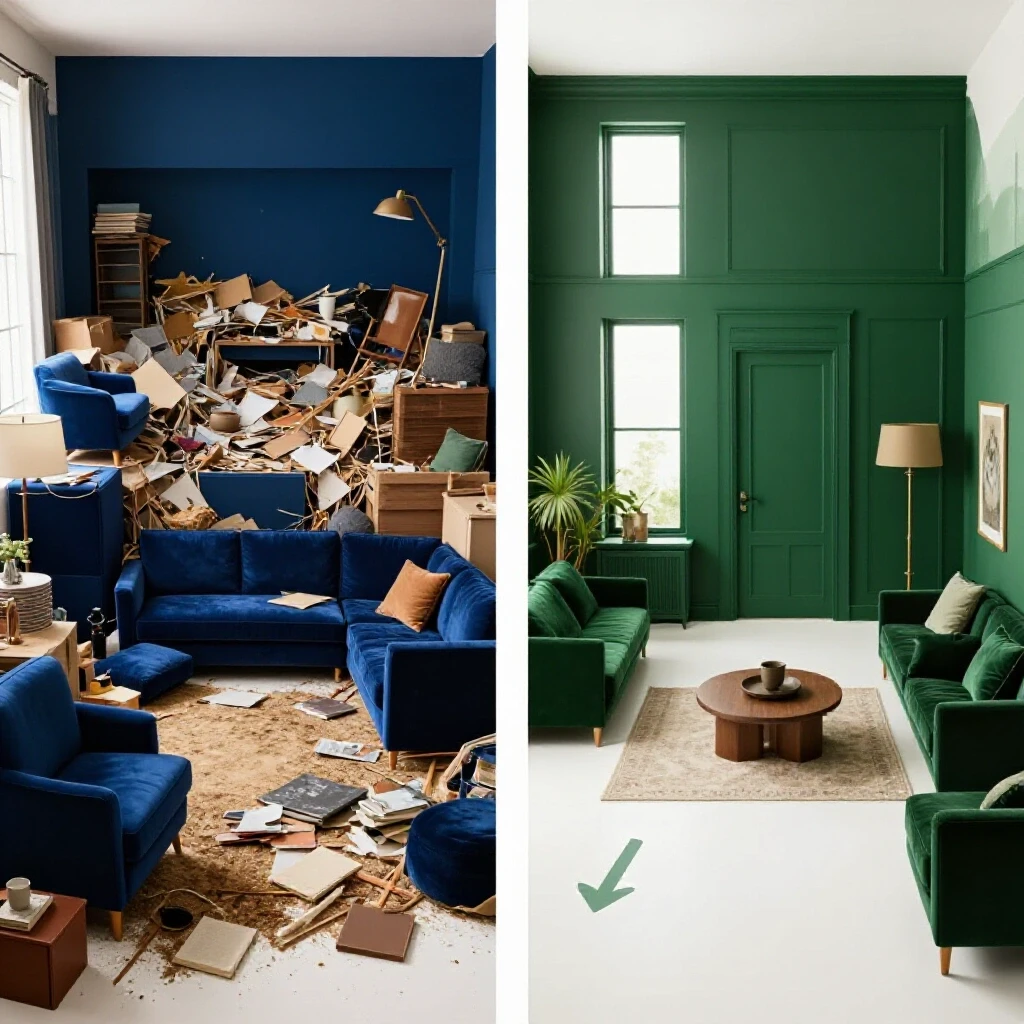
When you are in the middle of a cross-country move or downsizing into a smaller floor plan, the entrance of your home often becomes a dumping ground for boxes and boots. This “bottleneck effect” can increase the stress of an already difficult transition. I have learned that if you don’t solve the flow of your arrival area early, the rest of your home systems will likely struggle to function.
In this guide, I will share the strategies I used to turn cramped, awkward foyers into organized “launchpads.” We will look at how to measure your space, adapt your existing furniture, and create routines that help your family feel at home in a new neighborhood.
What is Spatial Layout Adaptation for Families?
Spatial layout adaptation is the process of modifying how you use a room to fit your specific daily activities and furniture. It focuses on how people move through a space rather than just how the room looks.
For a family in transition, this is vital because your old furniture was likely bought for a different floor plan. When you move, you must evaluate the structural scale of your new home. This means looking at the physical dimensions and the “circulation paths”—the invisible tracks where your kids and pets run every day. Understanding these paths helps you avoid placing a heavy dresser where it will block a doorway or a narrow hall.
Why Blind Furniture Placement Fails in New Entries
Many movers make the mistake of placing furniture based on where it “looks best” on move-in day. This often leads to “spatial friction,” where the layout works against your family’s natural movements.
In my third move, I tried to force a large, beautiful antique bench into a narrow hallway. It looked great, but we couldn’t open the front door all the way. We spent two weeks tripping over shoes because there was no room for a rug. This taught me that a home moving checklist must include a “functional audit” of the arrival zone before any heavy lifting begins.
The Spatial Blueprint Compatibility Matrix
| Entry Type | Common Family Pain Point | Recommended Strategy | Furniture Profile |
|---|---|---|---|
| Narrow Hallway | Shoulder-bumping, door blockages | Vertical storage and wall-mounted hooks | Ultra-slim (under 12 inches deep) |
| Direct-to-Living | No “zone” for bags, floor clutter | Visual zoning with rugs or open shelving | Low-profile cabinets or room dividers |
| Small Square Foyer | Corner dead zones, “pile-up” | Corner seating and tiered shoe racks | Multi-functional storage ottomans |
| Mudroom/Laundry Combo | Moisture and traffic jams | Durable surfaces and distinct “wet” zones | Waterproof bins and heavy-duty benches |
Measuring the Footprint for Daily Traffic
Before you unpack a single box, you need to understand the physical limits of your new space. A small room furniture layout requires precision. You aren’t just measuring walls; you are measuring “clearance margins.”
In a home with children, you need wider paths than a single person might. I recommend a minimum of 30 to 36 inches for any main walking path. If your entryway is narrower than this, any furniture you add will make the space feel claustrophobic.
Furniture Clearance Guidelines by Room Footprint
- Main Walking Path: 36 inches (allows two people to pass or one person with a bag).
- Door Swing Radius: 36 to 42 inches (must remain completely clear of furniture).
- Seating Access: 18 inches of floor space in front of a bench for feet and shoes.
- Hook Height for Kids: 36 to 48 inches from the floor (allows children to be independent).
- Adult Reach Height: 60 to 70 inches for less-frequently used items like hats or umbrellas.
Adapting Existing Furniture to Awkward Floor Plans
One of the hardest parts of home transition planning is realizing your favorite furniture doesn’t fit. During my second move, we had a massive coat wardrobe that simply wouldn’t work in our new, smaller foyer. Instead of selling it immediately, we analyzed its “visual weight.”
If a piece of furniture feels too “heavy” for a small room, it usually means it is too tall or too dark for the space. In small entryways, I suggest using furniture with “legs” rather than pieces that sit flat on the floor. Seeing the floor continue under a bench or console makes the room feel larger.
How to Scale Your Entryway Furniture
- Evaluate Depth: Most standard consoles are 18 inches deep. In a small entry, look for “laptop desks” or “radiator covers” which are often only 10 to 12 inches deep.
- Use the “Floating” Method: If floor space is at a premium, use wall-mounted shelves. This keeps the “footprint” clear for shoes and bags.
- Repurpose with Purpose: A narrow bookshelf can become a shoe station if you lay it on its side and add a cushioned top for seating.
Functional Zoning for High-Traffic Families
A successful new home adjustment guide must focus on “zoning.” This means giving every item a specific “home” based on how often it is used. In our current home, we divided our small entrance into three zones: the Launchpad, the Landing, and the Long-term.
The “Launchpad” is for items you need every time you leave (keys, wallet, dog leash). The “Landing” is for daily wear (school bags, current jackets). The “Long-term” is for seasonal gear (snow boots or sun hats) which should be moved to a closet or a higher shelf.
The “Hook and Bin” System
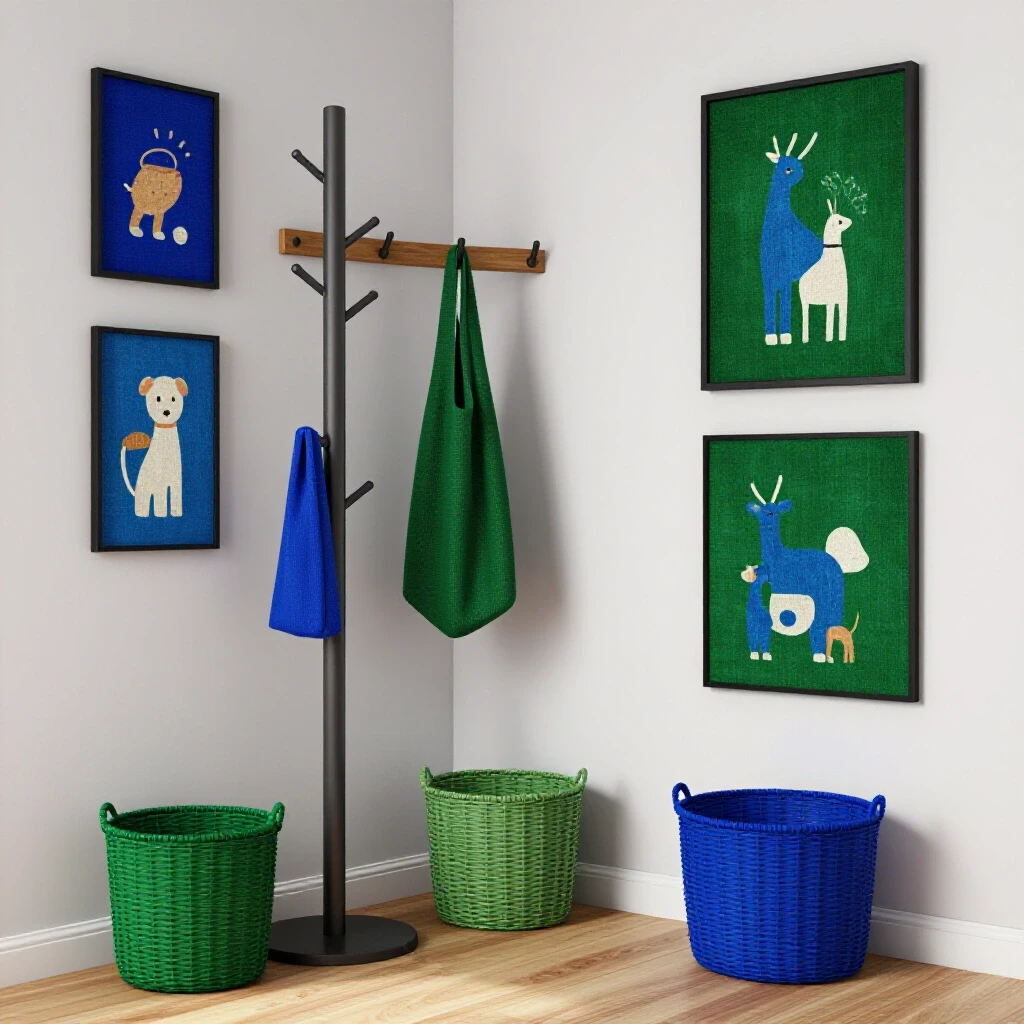
- Hooks over Hangers: In a rush, kids will rarely use a coat hanger. Hooks are faster and keep coats off the floor.
- Individual Bins: Give each family member one bin. This limits the amount of “stuff” that can accumulate in the entry.
- The “One-In, One-Out” Rule: To manage clutter in a small space, for every new pair of shoes brought into the entry, an old pair must move to a bedroom closet.
Unpacking and Establishing New Daily Routines
The first month in a new home is when habits are formed. If you allow the entryway to be messy for the first 30 days, it will likely stay that way. Your home transition planning should include a “Day One” setup for the entry.
I always pack an “Entryway Box” that is clearly labeled. It contains the basic tools for the arrival zone: a small rug, a few wall hooks, a tray for keys, and a trash can for junk mail. Setting this up immediately prevents the “box mountain” from forming near the front door.
First-Month Spatial Adjustment Timeline
- Days 1–3: Set up the “Entryway Box.” Install temporary hooks. Establish a “no shoes on the carpet” rule if applicable.
- Week 2: Observe the flow. Are people tripping over the rug? Is the mail piling up? Adjust furniture by a few inches to fix “pinch points.”
- Week 4: Evaluate the storage volume. If bins are overflowing, it is time to move seasonal items to a secondary storage area like a garage or basement.
Building Community from Your Front Door
Neighborhood community building starts at the entrance of your home. A functional entryway makes it easier to say “yes” to a quick chat with a neighbor. If your entry is organized, you won’t feel embarrassed to open the door when someone stops by to say hello.
In my experience, the “porch effect” is real. If you have a small outdoor space or a clear view from your entry, use it. We made it a habit to spend 15 minutes in the front area every evening. This simple routine helped us meet more neighbors in one month than we did in a year at our previous home.
Essential Tools for Home Transitioning
To make a small space work, you need more than just a tape measure. Modern tools can help you visualize a layout before you move a single heavy dresser.
- Digital Space Planners: Apps like MagicPlan or RoomScan Pro allow you to create a 3D model of your room using your phone’s camera.
- Visual Inventory Trackers: Use an app like Sortly to catalog what is in your boxes. This helps you find your “entryway essentials” without opening every carton.
- Layout Mapping Templates: Use graph paper where one square equals six inches. Cut out small paper shapes representing your furniture to test different configurations.
- Moving Trackers: Trello or Notion templates can help you manage the logistics of address changes and utility setups so you can focus on the physical layout.
Managing the Emotional Stress of a New Layout
Moving is more than just a physical task; it is an emotional one. High stress from moving logistics often comes from a feeling of “losing control” over your environment. By focusing on the entryway—the place where you transition from the world back to your family—you regain a sense of order.
Be realistic about the timeline. It took my family about six months to feel truly “settled” in our last move. The layout we started with on day one was not the layout we had at month six. We constantly tweaked the furniture and the systems as we learned how the house “breathed.”
Key Takeaways for a Smooth Transition
- Prioritize Flow over Fashion: A beautiful entry that you can’t walk through will only cause frustration.
- Think Vertically: When floor space is gone, use the walls.
- Measure Twice: Use the 30-36 inch rule for all paths.
- Start Small: Focus on the first six feet of the house to set the tone for the rest of the home.
- Be Patient: Routines take time to build. Adjust your systems as your family’s needs change.
Conclusion
Adapting a small entrance for a busy family is about more than just buying the right bins. It is about understanding how your family moves and creating a space that supports those movements. By auditing your furniture, measuring your clearances, and establishing clear zones, you can reduce the friction of daily life.
Remember that a home is a living environment. It should evolve as your children grow and your needs change. Start with a solid plan, use the right tools, and give yourself the grace to make adjustments along the way. Your new house will feel like a home the moment the morning “launch” becomes a routine rather than a rescue mission.
Frequently Asked Questions
How do I handle a front door that opens directly into the living room?
When you lack a formal foyer, you must create a “virtual entry.” Use a durable area rug to define the space. Place a low cabinet or a sturdy bench with its back to the living room to act as a divider. This creates a physical boundary that tells the family where the “outside” ends and the “inside” begins.
What is the best way to store shoes in a very narrow hallway?
Look for “tipping” shoe cabinets. These are usually only 6 to 9 inches deep because the shoes sit vertically inside the cabinet. They provide a slim profile that maintains the 30-36 inch clearance needed for walking paths while hiding the visual clutter of multiple pairs of shoes.
How many hooks does a family of four actually need?
A good rule of thumb is three hooks per person: one for a heavy coat, one for a light jacket or bag, and one for “active” gear like a hat or umbrella. For a family of four, aim for 12 hooks. If wall space is limited, use a “double-decker” hook system with adult hooks high and kid hooks low.
How do I keep the entryway from becoming a “black hole” for mail and papers?
Create a “One-Touch” station. Use a small wall-mounted file or a basket specifically for mail. Place a small recycling bin nearby so junk mail never makes it further into the house. The goal is to sort paper the moment you walk through the door.
Should I use a rug in a high-traffic family entry?
Yes, but choose the material carefully. Look for “indoor/outdoor” rugs or low-pile synthetic fibers that can be hosed off or easily cleaned. A rug acts as a “dirt trap,” protecting the rest of your home’s flooring and visually anchoring the entry zone.
What if my existing bench is too big for the new space?
If your bench blocks the path, consider moving it to the foot of a bed or a mudroom. Replace it with a “perch”—a very narrow stool or a wall-mounted folding seat. This provides a place to sit and tie shoes without taking up permanent floor space.
How do I involve my kids in keeping the entry organized?
Lower the “barrier to entry.” Use open bins instead of drawers and hooks instead of hangers. Label the bins with pictures or names. When the system is easy enough for a child to use independently, they are more likely to follow the routine.
How can I make a dark, small entry feel more welcoming?
Since we are avoiding major renovations, focus on lighting and mirrors. A large mirror reflects light and creates the illusion of more depth. Swap out a standard “boob light” for a brighter LED fixture to eliminate dark corners that tend to collect hidden clutter.
What should I do with bulky sports equipment or strollers?
These items should not live in a small entryway. If you have a garage or a porch, create a secondary “staging area” there. If you must keep a stroller inside, look for a model that has a “standing fold” and store it in a corner or behind a door when not in use.
How often should I “reset” the entry layout?
I recommend a seasonal audit. Every three months, move out the gear that is no longer in use (like moving sandals out for boots). This prevents the “clutter creep” that happens when a small space is forced to hold more than one season’s worth of items.
(This article was written by one of our staff writers, Kevin Thompson. Visit our Meet the Team page to learn more about the author and their expertise.)