How to Create Fair Shared Storage Systems for Roommates (Guide)

When we prepare for a move, we often focus on the heavy lifting and the logistics of truck rentals. However, one of the most impactful choices we make starts with our packing materials, where opting for eco-friendly options like recycled corrugated cardboard and biodegradable honeycomb wrap can reduce waste. Beyond the boxes, the real challenge of a home transition planning process is figuring out how to live together in a new, often smaller or differently shaped environment.
Over 19 years and four major cross-country relocations, I have learned that the stress of moving isn’t just about the physical labor. It is about the friction that occurs when three or four people try to squeeze their lives into a single hallway closet or a kitchen with half the cabinet space of the previous home. Creating a balanced organizational system is essential for maintaining peace during these transitions.
In my experience, the most successful moves are those where the family sits down with a home moving checklist that prioritizes spatial layout adaptation. We have had to learn how to divide limited square footage so that everyone feels their needs are met. This guide outlines the strategies I have used to manage shared household zones and optimize furniture placement in even the most awkward floor plans.
Auditing Your Footprint Before the First Box is Taped
A spatial audit is the process of measuring your current furniture against the dimensions of your future home to determine what will actually fit. This step is vital because it prevents the high cost and physical strain of moving items that will only end up blocking walkways or crowding shared closets.
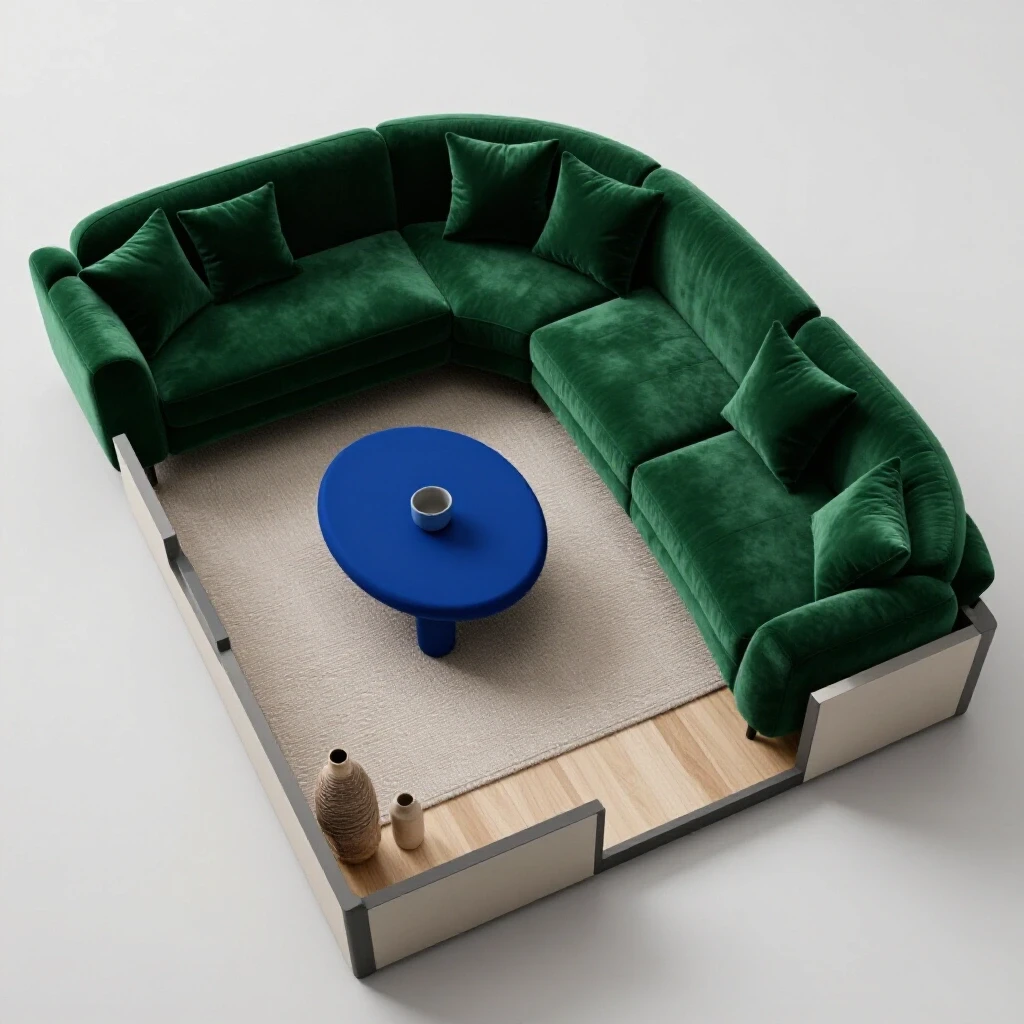
Before you start packing, you need to understand the structural scale of your new environment. I remember moving our family from a sprawling suburban house to a narrow city townhouse. We assumed our large sectional sofa would fit, but we forgot to account for the 32-inch door frames and the tight turn at the top of the stairs. We ended up leaving the sofa on the sidewalk because it simply couldn’t enter the building.
To avoid this, create a spatial layout blueprint. Use a digital floor plan tool or simple graph paper to map out every room. Mark the locations of windows, radiators, and electrical outlets, as these “immovable objects” dictate where your furniture can go.
Understanding Circulation Paths and Clearance Margins
Circulation paths are the invisible “roads” through your home that allow people to move from one room to another without bumping into furniture. Maintaining these paths is the difference between a home that feels spacious and one that feels like an obstacle course.
For a comfortable daily routine, you should aim for specific clearance margins throughout your home. In high-traffic areas like hallways and entryways, a width of 30 to 36 inches is the standard for comfortable movement. In a dining area, you need at least 24 inches behind a chair when someone is seated to allow others to pass by.
- Hallways: 36 inches for two people to pass comfortably.
- Kitchen Work Zones: 42 to 48 inches between counters.
- Bedroom Walkways: 24 to 30 inches around the perimeter of the bed.
- Living Room Traffic: 30 inches between the coffee table and the sofa.
Spatial Blueprint Compatibility Matrix
| Furniture Item | Current Dimensions | New Room Target | Fit Status | Adjustment Needed |
|---|---|---|---|---|
| King Size Bed | 76″ x 80″ | Primary Bedroom | Tight | Remove one nightstand |
| Dining Table | 72″ x 36″ | Dining Nook | No Fit | Replace with round 42″ table |
| Bookshelf | 36″ x 72″ | Home Office | Good | Secure to wall for safety |
| Sectional Sofa | 110″ x 90″ | Living Room | Partial | Separate pieces into two zones |
Redefining Equitable Access in Common Household Areas
Shared storage management is the practice of dividing communal spaces—like linen closets, pantries, and entryways—into designated zones that provide each family member with equal utility. This prevents the “storage creep” where one person’s hobby gear or wardrobe takes over the entire house.
When we moved into our third home, a compact three-bedroom, we realized the only storage for the entire family was a single reach-in closet in the hallway. Tensions rose quickly as shoes and coats piled up in a messy heap. We had to develop a system of visual rotation and physical dividers to make that small space work for four people.
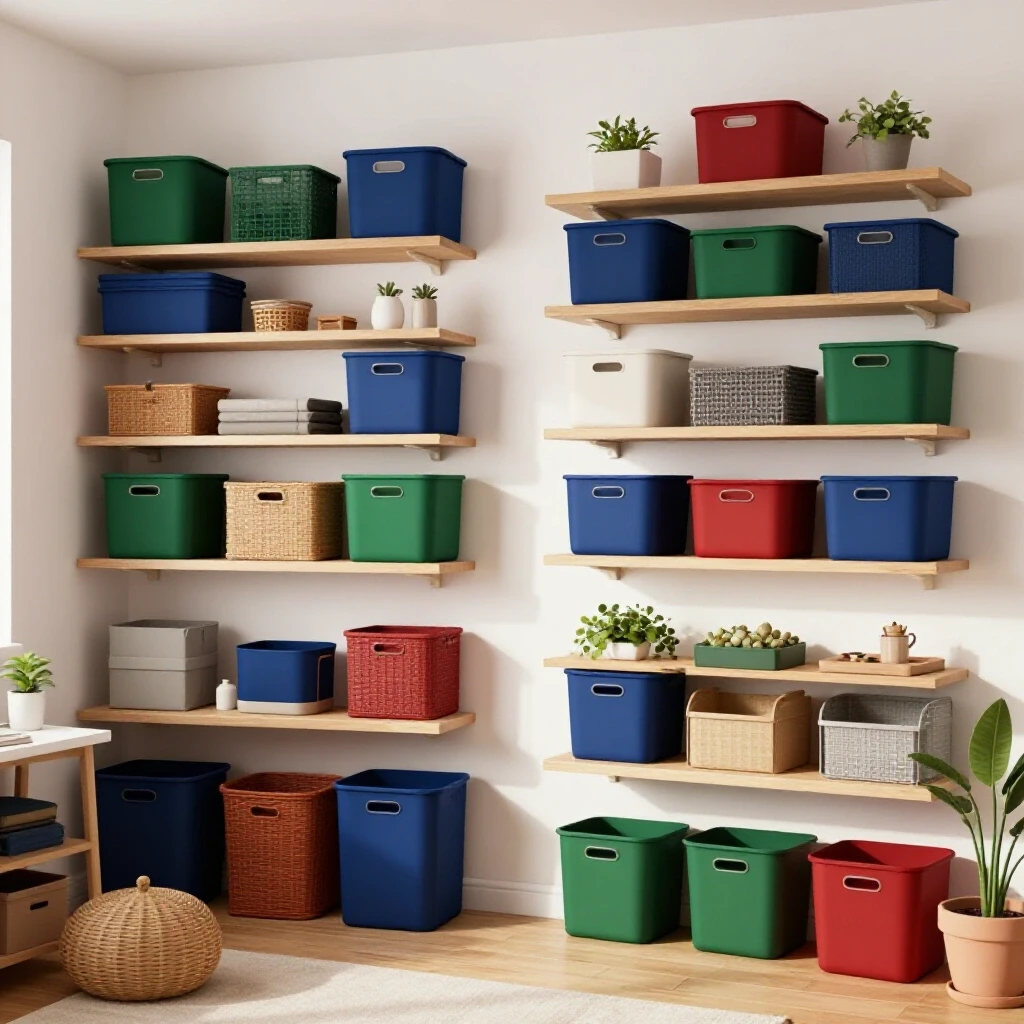
The goal is to create a sense of ownership within shared spaces. By using simple DIY solutions like plywood partitions or labeled bins, you can ensure that the “prime real estate” (the shelves at eye level) is distributed fairly rather than being claimed by the first person to unpack.
Implementing DIY Modular Dividers and Zones
Modular dividers are temporary or semi-permanent physical barriers used to split a large shelf or drawer into smaller, manageable sections. These are particularly useful in deep “builder-grade” closets where items often get lost in the back.
I found that using simple cardboard or thin wood inserts allowed us to give each child their own “cubby” within a single large cabinet. We also used a custom labeling system that utilized colors rather than just names. This helped our youngest child, who couldn’t read yet, know exactly where his shoes belonged.
- Vertical Dividers: Use these on long shelves to prevent stacks of clothes from toppling into someone else’s space.
- Color-Coded Bins: Assign one color to each family member for their “grab-and-go” items.
- The 18-Inch Rule: Items used daily should stay within the front 18 inches of a shelf for easy access.
- Visual Rotation: Move off-season items to the highest or lowest shelves, keeping the middle section for current needs.
Shared Space Allocation Guidelines
| Storage Type | Allocation Method | Practical Tool | Benefit |
|---|---|---|---|
| Entryway Closet | One hook and one bin per person | Heavy-duty wall hooks | Reduces morning exit stress |
| Kitchen Pantry | One shelf per category (Baking, Snacks, Grains) | Clear DIY bins | Prevents overbuying and waste |
| Bathroom Vanity | Split drawers by person | Bamboo or plastic trays | Speeds up morning routines |
| Linen Closet | Color-coded towel sets | Shelf risers | Easy to identify clean laundry |
Navigating the Awkward Room Challenge with Spatial Zoning
Spatial zoning is the technique of using furniture and rugs to define specific functional areas within a single, multi-purpose room. This is especially helpful in modern “open concept” layouts or older homes with strangely shaped “L-shaped” rooms.
Awkward floor plans are a major pain point for transitional residents. You might have a living room that is also your home office and the kids’ play area. Without clear zones, these functions bleed into each other, making it hard to relax or focus. In our second move, we had a long, narrow living room that felt like a bowling alley.
We solved this by using the “visual weight” of our furniture. We placed a low bookshelf perpendicular to the wall to act as a room divider, separating the “office” corner from the “seating” area. This created a mental boundary that helped us transition from work mode to family time.
Why Blind Furniture Placement Fails
Many movers make the mistake of pushing all furniture against the walls, thinking it creates more space. In reality, this often leaves a large, unusable void in the center of the room and makes the layout feel disconnected.
A better approach is to group furniture by activity. For a small room furniture layout, consider pulling the sofa away from the wall by just six inches. This small gap creates a sense of depth and allows for better air circulation. If you are dealing with a corner that feels “dead,” add a small chair and a floor lamp to turn it into a reading nook.
- Identify the Focal Point: Usually a fireplace, a window, or a media center.
- Establish Traffic Flow: Ensure there is a clear path to the door that doesn’t cross through the middle of a conversation area.
- Balance Visual Weight: Don’t put all the “heavy” furniture (like a dark wood armoire and a leather sofa) on one side of the room.
- Use Rugs to Anchor Zones: A rug should be large enough that at least the front legs of all furniture in that zone sit on it.
The Logistics of Unpacking: A Room-by-Room Strategy
A structured unpacking plan is a step-by-step schedule that prioritizes the setup of essential living zones to reduce post-move exhaustion. The first 72 hours in a new home are the most critical for establishing a sense of normalcy and routine.
Most people make the mistake of trying to unpack everything at once. This leads to a house full of half-empty boxes and high stress levels. Instead, focus on “High-Utility Zones” first. My rule has always been: Beds, then Bathrooms, then Breakfast. If everyone can sleep, shower, and eat a simple meal, the rest of the move feels manageable.
During this phase, keep your home moving checklist handy. Check off each room as it becomes “functional,” which means the floor is clear and the primary furniture is in its permanent spot. Don’t worry about decor or hanging pictures yet; focus on the flow.
First-Month Spatial Adjustment Timeline
| Phase | Timeframe | Focus Area | Goal |
|---|---|---|---|
| Arrival | Day 1 | Bedrooms & Bathrooms | Ensure everyone can sleep and wash. |
| Function | Days 2–5 | Kitchen & Living Room | Establish meal prep and relaxation zones. |
| Organization | Week 2 | Shared Closets & Entryways | Implement the balanced storage systems. |
| Refinement | Week 3 | Awkward Spaces & Offices | Adjust furniture based on actual daily flow. |
| Integration | Week 4 | Neighborhood & Community | Explore local parks and meet neighbors. |
Essential Moving Kit Weight Tolerances
When unpacking, it is helpful to know the limits of your storage and your own physical capacity. Overloading shelves or boxes can lead to damage or injury during the transition.
- Small Boxes (Books/Heavy Items): Keep under 30 lbs.
- Medium Boxes (General Household): Keep under 45 lbs.
- Standard Closet Rods: Can typically hold 15–30 lbs per foot.
- Floating Shelves: Often limited to 15–20 lbs depending on wall anchors.
Building Community and Routine in a New Neighborhood
Neighborhood community building is the intentional effort to connect with your new surroundings and the people living there. A new home adjustment guide isn’t complete without addressing the feeling of isolation that often follows a move.
After our cross-country move, I felt like an outsider for months. I realized that our home transition planning had focused so much on the inside of the house that we forgot about the outside. To fix this, we started a “daily walk” routine. Every evening after dinner, we walked three blocks in a different direction.
This simple routine helped us map out the neighborhood. We found the best local coffee shop, the quietest park, and the neighbors who were also out walking their dogs. It turned an unfamiliar place into a community.
Strategies for Neighborhood Integration
- The “Front Yard” Rule: Spend time in the front of your house—gardening or sitting on the porch—to make yourself approachable to neighbors.
- Support Local Small Businesses: Visit the neighborhood hardware store or bakery rather than a big-box chain to get a feel for the local culture.
- Join Digital Groups: Use local social media groups to ask for recommendations for plumbers or the best pizza nearby.
- Host a “Low-Stakes” Open House: Once you are unpacked, invite the immediate neighbors over for coffee and donuts. Keep it simple to reduce your own stress.
Practical Tools for Your Home Transition
To successfully manage a move and the subsequent spatial layout adaptation, you need the right tools. These resources help you visualize the space before you move a single heavy dresser.
- Digital Space Planners: Apps like MagicPlan or Floorplanner allow you to take photos of a room and create a 3D model. This is excellent for testing if your furniture fits in awkward corners.
- Box Inventory Log: A simple spreadsheet or notebook where you number every box and list the contents. This prevents the “Where is my coffee maker?” panic on the first morning.
- Furniture Footprint Templates: Cut out pieces of newspaper or painter’s tape to the exact size of your furniture. Lay them on the floor of the new house to see how much walking space remains.
- Moving Coordination Apps: Tools like Todoist or Trello can help you manage the home moving checklist and assign tasks to different family members.
Furniture Clearance Guidelines by Room Footprint
| Room Type | Minimum Walkway | Furniture-to-Wall Gap | Key Measurement |
|---|---|---|---|
| Small Bedroom | 22 inches | 2 inches | Bed to closet door swing |
| Narrow Kitchen | 36 inches | 0 inches | Oven door full extension |
| Open Living Area | 30 inches | 6–12 inches | Sofa to coffee table |
| Home Office | 30 inches | 3 inches | Chair pull-out distance |
Establishing Long-Term Spatial Success
Adapting to a new home is a marathon, not a sprint. It takes time for a house to feel like a home and for a new layout to feel natural. Be prepared to move things around after the first month. Sometimes, the spot you thought was “perfect” for the desk ends up having a glare on the computer screen at 2:00 PM.
The key to a smooth transition is flexibility. By using an equitable approach to shared storage and being mindful of spatial flow, you reduce the daily friction that causes move-related stress. Focus on the systems that support your family’s unique needs, and don’t be afraid to change a layout if it isn’t working.
Your new environment is a tool for your lifestyle. When you take the time to plan the logistics and the layout, you aren’t just moving boxes; you are building a foundation for a comfortable daily life in your new community.
Frequently Asked Questions
How do I decide who gets which shelf in a shared closet? The best way to handle shared storage management is to prioritize accessibility based on frequency of use and physical height. Use the middle shelves (between waist and eye level) for items used daily, and divide these equally among household members. Lower shelves are ideal for children, while higher shelves should be reserved for seasonal or rarely used items.
What if my large dining table doesn’t fit in the new dining nook? If your furniture doesn’t match the structural scale of the new room, you have two choices: adapt the piece or replace it. For a table that is too large, consider removing a leaf if it is extendable. If it’s still too bulky, it may be better to sell it and purchase a round table, which has a smaller footprint and allows for better circulation paths in tight spaces.
How can I make an “L-shaped” room feel cohesive? Use spatial zoning to give each part of the “L” a specific purpose. For example, the long arm of the “L” can be the living area, while the shorter arm becomes a dining nook or home office. Anchor these zones with separate rugs and ensure the lighting is appropriate for each task (e.g., a floor lamp for the sofa and a pendant light for the table).
What is the most common mistake in a small room furniture layout? The most frequent error is “wall-hugging,” where all furniture is pushed against the perimeter. This often makes a small room feel cramped and emphasizes its smallness. Instead, try to float at least one piece of furniture, like a chair or a small table, to create a sense of depth and allow for 24-30 inches of walking space around the items.
How do I manage the stress of moving with a family? High logistics stress can be mitigated by using a comprehensive home moving checklist and involving everyone in the process. Give each family member a specific “zone” to be responsible for. Establishing a “first-night box” with essentials like bed sheets, toiletries, and basic tools also ensures the first 24 hours are as calm as possible.
How much space do I really need for a hallway? For comfortable daily living, a hallway should be at least 36 inches wide. If you are moving into an older home with narrower passages (some as small as 30 inches), avoid placing any furniture, like console tables or coat racks, in that space, as it will restrict movement and make the home feel cluttered.
What are some DIY ways to divide a pantry fairly? You can create a balanced organizational system in a pantry by using tension rods to create vertical slots for baking sheets or by building simple wooden “U-shaped” risers to double the shelf space. Labeling each shelf by category (e.g., “Kids’ Snacks,” “Breakfast Items”) helps maintain the system over time.
How long does it typically take to feel “at home” after a move? According to housing adaptation research, it usually takes about three to six months to fully adjust to a new environment and neighborhood. The first month is about physical setup, while the subsequent months are about building routines and community connections. Be patient with yourself and your family during this period.
How do I handle “dead space” in a corner? A dead corner can be transformed into a functional zone with a few simple additions. Consider a corner-mounted shelf for books, a tall indoor plant to add visual weight, or a small accent chair. The goal is to make the corner feel intentional rather than like an empty gap in the spatial layout.
Is it worth it to use a digital floor planner? Yes, digital space-planners are invaluable for home transition planning. They allow you to see if your furniture will block windows or outlets before you arrive. This saves time on moving day and prevents the physical strain of moving heavy items multiple times to find the right fit.
(This article was written by one of our staff writers, Kevin Thompson. Visit our Meet the Team page to learn more about the author and their expertise.)