How to Use Temporary Furniture When Moving Homes (Simple Guide)

During my third cross-country move, I found myself standing in a living room that was exactly half the size of my previous one. I had a massive sectional sofa that refused to fit through the narrow 30-inch doorway. In a moment of sheer exhaustion, I bought a cheap, modular loveseat from a local big-box store just so we had a place to sit while we figured out the “real” furniture. Interestingly, that “temporary” seat stayed with us for seven years. It fit the scale of our lives better than the expensive piece we eventually sold. This taught me that the items we choose during a transition often reveal more about our actual needs than the items we plan for months in advance.

Analyzing the Spatial Blueprint Before the Big Move
A spatial blueprint is the foundational map of how your furniture interacts with the physical boundaries of a new home. It involves measuring not just the floor area, but the volume of the room and the natural paths people take when walking from one door to another.
Before you pack a single box, you need to conduct a spatial audit. I have learned through four relocations that a floor plan on a screen never feels the same as a physical room. In my second move, I assumed our king-sized bed would fit because the square footage matched. However, I didn’t account for the radiator placement and the swing of the closet door. We ended up with only 12 inches of clearance on one side, making it nearly impossible to make the bed.
To avoid this, use a home moving checklist that prioritizes “circulation paths.” A circulation path is the 30 to 36 inches of unobstructed space required for a person to walk comfortably through a room. If your existing furniture chokes these paths, you are creating a high-stress environment from day one. In these cases, using smaller, provisional items can help you test the flow of the room before you commit to a permanent layout.
Understanding Structural Scale and Room Volume
Structural scale refers to how the size of your furniture relates to the height of the ceilings and the width of the walls. It is the “why” behind a room feeling cramped or airy, regardless of the actual square footage available for your belongings.
When moving into a new home, the visual weight of your items changes. A dark, heavy bookshelf might have looked grounded in a room with ten-foot ceilings, but it can feel suffocating in a modern apartment with eight-foot ceilings. I recommend using the “two-thirds rule” for spatial layout adaptation. No single piece of furniture should occupy more than two-thirds of the length of the wall it sits against. This leaves enough “negative space” for the room to breathe.
Mapping Traffic Flow and Clearance Margins
Traffic flow is the invisible track that connects the different zones of a home, such as the path from the kitchen to the dining table. Clearance margins are the specific measurements required to ensure these tracks remain open and functional for daily household activities.
I always carry a tape measure during the first week of a home transition. You need at least 36 inches for major hallways and 30 inches for internal doorways. In the living room, keep 15 to 18 inches between the sofa and the coffee table. These measurements aren’t just for aesthetics; they reduce the physical friction of moving through your home. If your current furniture doesn’t allow for these margins, it is a sign that a different, perhaps more flexible, solution is needed for that specific area.
| Feature | Standard Clearance | Why It Matters |
|---|---|---|
| Main Hallways | 36 inches | Allows two people to pass comfortably. |
| Dining Chair Pull-out | 32 inches | Prevents chairs from hitting walls or cabinets. |
| Coffee Table Gap | 16 inches | Provides legroom while keeping drinks in reach. |
| Bedside Walkway | 24 inches | Ensures you don’t trip in the middle of the night. |
Integrating Provisional Pieces into Long-Term Floor Plans
Provisional pieces are items brought into a home to solve an immediate functional gap, such as a folding table used as a desk. These items allow you to live in a space before making permanent decisions about its final layout and design.
During my move to a cramped townhouse, we used a simple metal shelving unit in the kitchen because the cabinets were too high to reach comfortably. We intended to replace it with a custom pantry. However, after three months, we realized the open shelving made our morning routine faster. We decided to keep it, simply upgrading the bins used for organization. This is a prime example of how home transition planning allows you to test-drive your habits.
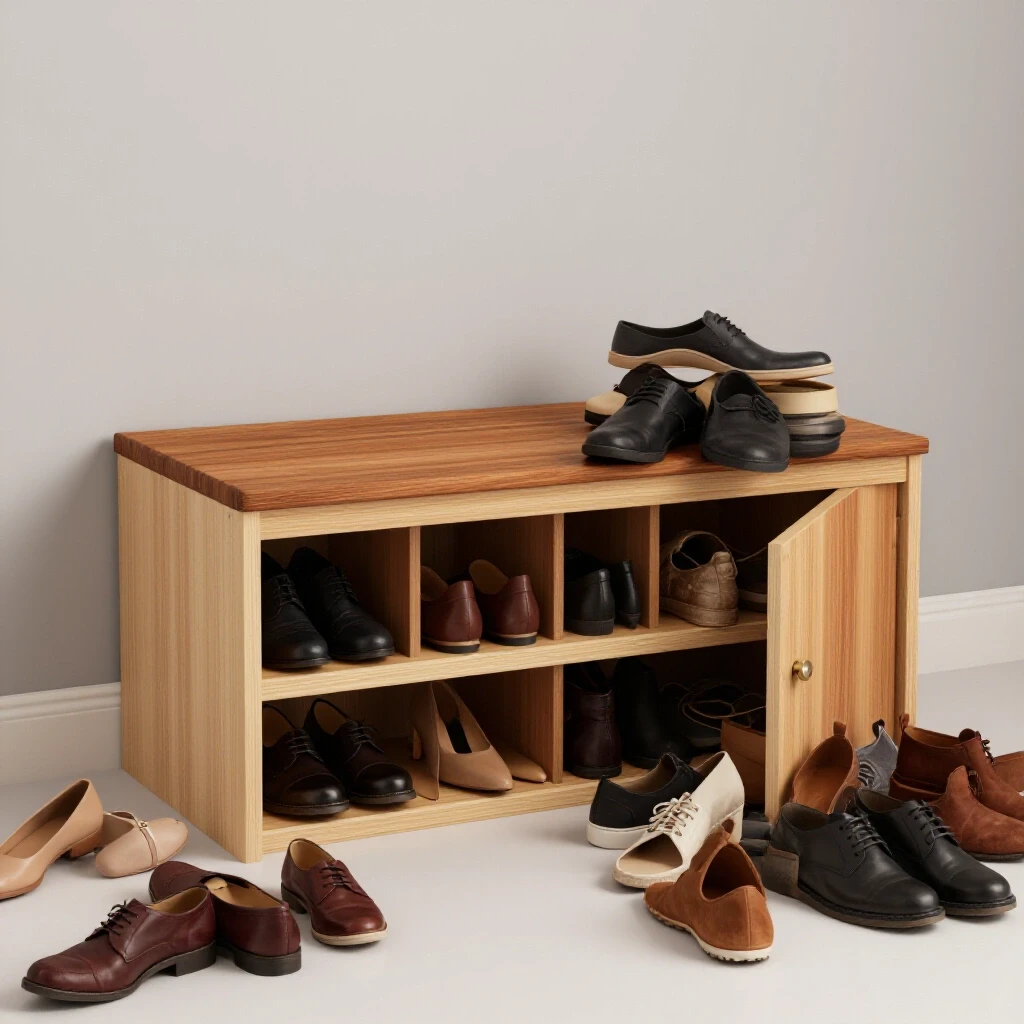
When a temporary item works well, it is usually because it solves a specific “friction point” in your daily routine. Building on this, you should evaluate these items based on their multi-functionality. Can that small stool serve as a side table? Can that entry bench also hold shoes? If the answer is yes, that piece has earned its place in your permanent layout.
Why Some Interim Solutions Become Permanent
Some short-term furniture stays because it fits the unique “quirks” of a new floor plan better than standard pieces. These items often possess a slim profile or modular design that adapts to the specific constraints of an awkward or small room layout.
In my experience, the items that “stick” are those that provide high utility without taking up much visual space. For example, we once bought a narrow console table for a hallway to hold mail and keys. We thought we would find something “nicer” later. But its thin 10-inch depth was perfect for the high-traffic area. It stayed through two more moves because its utility outweighed any desire for a more decorative, but bulkier, alternative.
Evaluating Visual Weight and Aesthetic Harmony
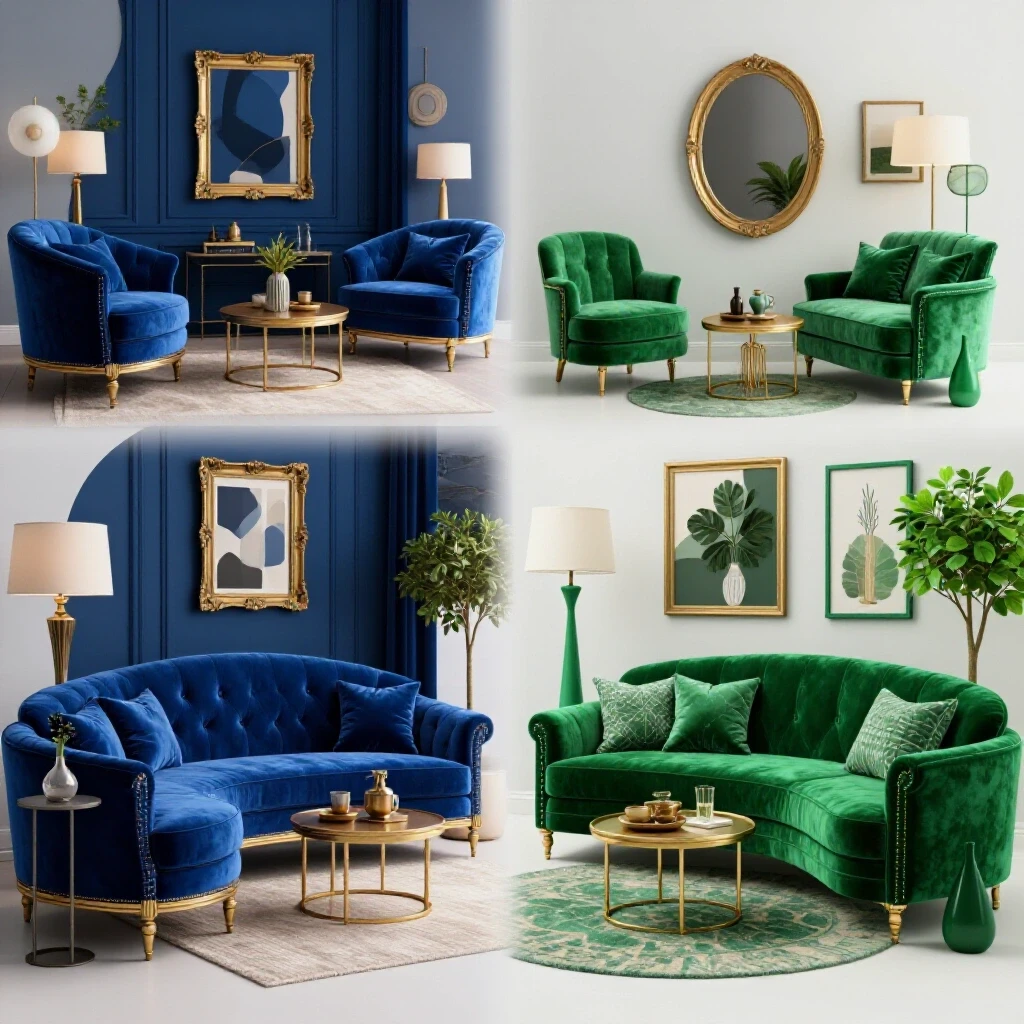
Visual weight is the perceived heaviness of an object based on its color, material, and size. Aesthetic harmony is achieved when the visual weights of different items in a room are balanced, creating a sense of calm and order in the living environment.
When you are in the middle of a new home adjustment guide, it is easy to ignore how things look because you just want them to work. But as the stress of the move fades, visual clutter can become a new source of anxiety. I suggest looking at your room from the doorway. Does one side feel “heavier” than the other? If your interim furniture is made of light materials like wire, glass, or light wood, it often blends in more easily, making it a strong candidate for long-term use.
Managing Awkward Room Layouts with Flexible Solutions
Awkward room layouts include spaces with non-parallel walls, low eaves, or poorly placed windows that disrupt traditional furniture arrangements. Solving these challenges requires a mix of creative zoning and the use of furniture that can be easily reconfigured.
One of my most difficult moves involved a living room that was also a hallway to the backyard. Every time we sat down to watch a movie, someone was walking through our line of sight. We used a low-profile bookshelf to create a “soft wall,” redirecting the foot traffic behind the sofa. This small room furniture layout trick turned a frustrating passthrough into a cozy, private zone.
Using “zoning” is the best way to handle these spaces. Zoning means defining a specific purpose for a corner or section of a room using rugs, lighting, or furniture placement. If you have an awkward nook, don’t try to force a large piece of furniture into it. Instead, use a smaller, flexible item—like a single chair and a lamp—to turn it into a reading corner.
Strategies for Small Room Furniture Layouts
Small rooms require a “less is more” approach where every piece of furniture must serve at least two purposes. By maximizing vertical space and choosing pieces with exposed legs, you can make a small room feel significantly larger than its actual dimensions.
- Use Leggy Furniture: Pieces that sit up on legs allow you to see the floor underneath, which tricks the brain into thinking the room is bigger.
- Go Vertical: Use tall, narrow shelves instead of wide ones to save floor space.
- Mirror Placement: Placing a mirror opposite a window can double the light and depth of a small room.
- Avoid “Wall Hugging”: Pulling furniture just two inches away from the wall can actually make a room feel more spacious.
Addressing Non-Standard Architectural Features
Non-standard features like bay windows, fireplaces, or sloped ceilings require furniture that respects the architecture rather than fighting it. These features often dictate the “anchor point” of a room, which is the primary focus around which all other items are arranged.
In our fourth move, we had a beautiful bay window that I initially tried to block with a desk. It felt wrong immediately. I replaced the desk with two small, low-profile armchairs that we had originally bought for the guest room. This layout change opened up the view and created a natural conversation spot. When you adapt to the architecture, your daily routines feel more supported by the home rather than restricted by it.
Establishing Functional Daily Systems and Routines
A functional daily system is a set of organized habits and physical stations—like a coffee bar or a “launchpad” for school bags—that streamline your morning and evening activities. These systems are the backbone of a comfortable home life during a transition.
The first month in a new home is a period of “routine discovery.” You are learning where the light switches are and which kitchen drawer is most convenient for silverware. During this time, I recommend keeping your layout flexible. Don’t bolt anything to the wall yet. We used a rolling cart for our coffee supplies for the first three weeks. Eventually, we realized we preferred having the coffee station near the sink rather than the pantry. Because the cart was mobile, the adjustment was effortless.
Building community in a new neighborhood also starts with your home’s layout. If your “public” spaces—like the living room or front porch—are set up to be welcoming, you are more likely to invite a neighbor over for a quick chat. This social integration is just as important as the physical furniture for a successful move.
The First-Month Spatial Adjustment Timeline
The first 30 days of a move are divided into stages: the survival phase, the functional phase, and the refinement phase. Each stage requires a different focus on how you interact with your furniture and the surrounding space.
- Week 1: Survival. Focus on the “Big Three”: beds, a place to eat, and a place to sit. Don’t worry about decor.
- Week 2: Functional Mapping. Observe where piles of mail or shoes are forming. This is where you need a “system” or a piece of furniture to catch the clutter.
- Week 3: Traffic Testing. Move a few pieces of furniture by just six inches to see if it improves the flow of the room.
- Week 4: Final Integration. Decide which of your interim pieces are working so well they should stay, and start planning for the permanent replacement of those that aren’t.
Creating a Home “Launchpad” for Family Logistics
A “launchpad” is a designated area, usually near the primary entrance, where all the items needed for leaving the house are stored. This includes keys, bags, shoes, and coats, organized in a way that prevents last-minute searching.
When we moved with kids, the “launchpad” was a lifesaver. We used a set of plastic bins on a temporary bench. It wasn’t pretty, but it stopped the morning “where are my shoes?” panic. Interestingly, when we finally bought a “real” entryway organizer, we modeled it exactly after that temporary setup because the logic of the bins worked perfectly for our family.
Tools and Resources for Layout Planning
Modern technology provides several ways to visualize your new home before you move a single heavy object. These tools can help you avoid the physical strain of trial-and-error furniture placement.
- MagicPlan: This app uses your phone’s camera to create a floor plan just by scanning the room. It’s excellent for quick measurements.
- HomeByMe: A 3D planning tool that allows you to virtually place furniture and see how the volume of the room feels.
- Floorplanner: A simple, web-based tool for creating 2D and 3D layouts with a large library of furniture sizes.
- Trello or Notion: Use these for a home moving checklist and to track the dimensions of every room and piece of furniture.
- Graph Paper and Cutouts: Sometimes the old-fashioned way is best. Use a 1/4-inch scale to move paper furniture around a paper room.
Case Study: The “Awkward Living Room” Transition
In my second move, we encountered a long, narrow living room that felt more like a bowling alley than a home. We had a large, traditional sofa that made the room feel even narrower. We decided to use two small, inexpensive “temporary” chairs to break the room into two distinct zones: a TV area and a small home office.
The chairs were only meant to last a few months. However, the “two-zone” layout was so successful at managing the room’s awkward shape that we kept them for three years. We eventually replaced them with higher-quality versions of the same size. This experience proved that the layout strategy was more important than the furniture quality during the initial transition.
| Move Number | Key Challenge | The Interim Solution | The Long-Term Result |
|---|---|---|---|
| Move 1 | No pantry space | Metal wire shelving | Kept for 5 years; moved to garage later. |
| Move 2 | Narrow living room | Small armchairs for zoning | Defined the layout for the next decade. |
| Move 3 | Kids’ shared room | Modular storage cubes | Stayed until the kids got separate rooms. |
| Move 4 | High-traffic entry | Slim console table | Remained the permanent “launchpad.” |
Conclusion: Embracing the Transition
Moving is a process of discovery, not just a logistical task. By allowing yourself to use provisional furniture and flexible layouts, you give your family the space to learn how a new home actually functions. Don’t rush to make every corner “perfect” in the first week. Instead, focus on the measurements that matter—the 36-inch walkways and the 30-inch doorways—and let your daily routines guide your final decisions.
The items that stay are rarely the ones you expected. They are the pieces that quietly solve problems, fit the scale of your new life, and make the transition from “new house” to “home” a little more comfortable every day. Take it one room at a time, measure twice, and be open to the idea that a $20 solution might be exactly what your new space needs.
Frequently Asked Questions
How do I know if my old furniture is too big for my new home?
Measure the “circulation paths” in your new floor plan. If placing your old sofa leaves you with less than 30 inches of walking space between the sofa and the next wall or object, the piece is likely too large for the room’s scale. You should consider a more compact or modular alternative.
What is the most important measurement to take before moving?
The width and height of all entry points, including front doors, apartment elevators, and internal hallways. A standard doorway is 30 to 36 inches wide. If your furniture is wider than your narrowest point of entry, you will need to disassemble it or find a different solution.
How can I make an awkward room layout feel functional?
Use “zoning” to give specific areas of the room a dedicated purpose. Use rugs to define the boundaries of a zone and ensure that furniture doesn’t block the natural “traffic flow” of the room. Small, flexible pieces are often better for awkward spaces than one large, dominant piece.
Why should I wait to buy permanent furniture for a new home?
Living in the space for at least 30 days allows you to see how light moves through the room, where you naturally drop your keys, and how you actually use the space. This “routine discovery” prevents you from buying expensive items that might not fit your actual lifestyle.
What are “clearance margins” and why do they matter?
Clearance margins are the empty spaces around furniture required for comfortable movement. For example, you need 15 to 18 inches between a sofa and a coffee table and 32 inches to pull out a dining chair. Ignoring these leads to a home that feels cramped and frustrating to navigate.
How do I handle a “launchpad” area in a small entryway?
Look for “low-profile” furniture, such as a narrow console table or a wall-mounted rack. These items provide the necessary function of a launchpad—storing keys, bags, and shoes—without obstructing the 36-inch clearance needed for the main entrance.
Can temporary furniture actually be durable?
Yes, many modular or metal-based provisional items are quite durable. The key is to look at the material and construction. Items that are easy to clean and can be reconfigured are often more “durable” in a lifestyle sense because they adapt to your changing needs over time.
How do I balance visual weight in a new room?
Stand at the entrance of the room and look for “heavy” spots—areas with dark colors or large, solid furniture. Balance these by placing “lighter” items (like glass tables or furniture with legs) on the opposite side. This creates aesthetic harmony and makes the room feel more stable.
What is the “two-thirds rule” for walls?
This rule suggests that a piece of furniture, like a sofa or sideboard, should only take up about two-thirds of the total length of the wall it is placed against. This prevents the room from feeling “overstuffed” and allows for better traffic flow and visual breathing room.
How do I start building community in a new neighborhood?
Focus on your “public-facing” home routines. Setting up a comfortable porch or a welcoming entryway makes it easier to engage with neighbors. Practical daily systems that reduce your stress inside the home also give you more emotional energy to step outside and meet new people.
(This article was written by one of our staff writers, Kevin Thompson. Visit our Meet the Team page to learn more about the author and their expertise.)