How to Fix Loose Exterior Trim From Weather Damage (Step-by-Step)

The subtle signs of wear-and-tear on an older home often begin at the edges, where different materials meet. I spent nearly two decades as a facilities technician, and the most expensive lessons I learned usually started with a single piece of wood pulling away from a corner. On a legacy property I managed in the Pacific Northwest, a seemingly minor gap in the window casing allowed wind-driven rain to bypass the building’s primary drainage plane. By the time the homeowner noticed the soft spot in the drywall inside, the structural jack studs had reached a moisture content of 35%, leading to significant fungal growth and a repair bill that could have been avoided with a handful of stainless steel screws.
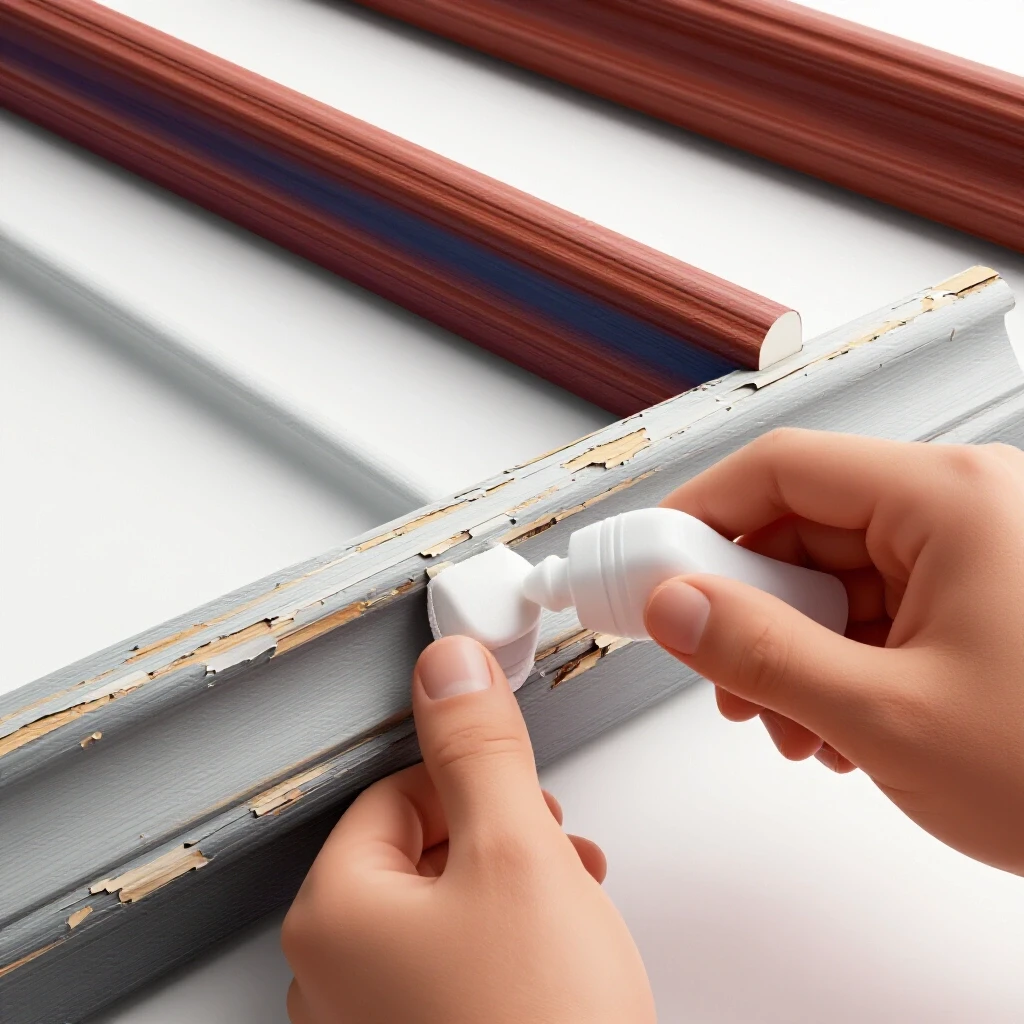
Understanding Building Science and Envelope Integrity
Building science is the study of how heat, air, and moisture move through a structure’s physical boundaries. In residential diagnostics, we treat the house as a system where the exterior skin must manage bulk water, air infiltration, and thermal bridging to prevent the degradation of the underlying framing and insulation.
When decorative components on the outside of a house begin to sag or pull away, it is rarely just an aesthetic issue. These elements serve as the first line of defense against the elements. A gap as small as 1/16 of an inch can act as a vacuum, pulling liquid water behind the siding through capillary action. Capillary action occurs when water molecules are drawn into tight spaces by surface tension, often moving upward against gravity. Once water is trapped behind the board, the lack of airflow prevents evaporation, leading to the rapid decay of both the trim and the structural sheathing.
The Role of Thermal Expansion in Fastener Failure
Thermal expansion is the physical tendency of materials to change in volume and length in response to temperature fluctuations. Different materials, such as cellular PVC and traditional cedar, expand and contract at vastly different rates, which puts immense stress on the nails holding them in place.
In my years of residential diagnostics, I have found that most fastener failures occur because the original installer did not account for this movement. A 12-foot length of PVC can move up to 1/8 of an inch for every 30-degree change in temperature. If the board is pinned too tightly or the wrong fasteners are used, the board will eventually “walk” itself off the wall. This mechanical failure exposes the end grain of the wood or the unsealed edges of the house wrap to UV degradation and moisture.
Essential Diagnostic Tools for Exterior Envelopes
Maintaining an older property requires more than a visual inspection; it demands objective data to identify hidden moisture before it causes structural rot. Systematic property assessments rely on specific instruments that allow a homeowner to see what is happening beneath the surface of the paint.
- Pin-Type Moisture Meter: This device measures electrical resistance between two probes to determine the moisture content (MC%) of wood. For exterior components, a reading between 9% and 12% is normal, while anything over 19% indicates a high risk of rot.
- Infrared Thermal Camera: These cameras detect temperature differentials on the wall surface. During the winter, a cold spot behind a corner board often indicates a pocket of moisture or a significant air leak where the envelope has been breached.
- Non-Marring Pry Bar: A small, flat bar is used to gently test the “give” of a board. If a corner board moves more than 1/16 of an inch under light pressure, the fasteners have likely lost their withdrawal resistance.
- Extendable Inspection Mirror: This tool allows you to see the underside of fascia boards and the tops of window caps where water often pools and begins the delamination process.
| Symptom | Potential Root Cause | Diagnostic Test |
|---|---|---|
| Board bowing outward | Thermal expansion or moisture-induced swelling | Measure MC% at the center vs. the edges |
| Rust streaks on paint | Non-galvanized fasteners or salt-air corrosion | Check fastener magnetism (stainless is non-magnetic) |
| Soft wood at the base | Capillary rise from ground contact | Probe with an awl to check for fiber degradation |
| Gaps at miter joints | Structural settling or wood shrinkage | Inspect foundation for corresponding cracks |
Identifying Symptoms of Fastener and Material Failure
Early detection of separated exterior components is the cornerstone of preventative home care. By the time a board is visibly hanging, the weatherproofing layers behind it have likely been compromised for months, if not years.
I look for “telegraphing” signs, such as a thin line of unpainted wood showing at a joint. This indicates the board is shifting. Another red flag is “cupping,” where the edges of a board curl away from the wall. This is a classic sign of a moisture imbalance, where the back of the board is wetter than the face. In my facility logs, I recorded that 80% of cupping issues were caused by a lack of a “rainscreen” gap, which is a 1/4-inch to 3/4-inch space behind the trim that allows for drainage and drying.
Structural Protection through Drainage Pathways
A drainage pathway is a designated route for water to exit the building envelope safely without contacting moisture-sensitive materials. This involves the use of kick-out flashing, drip caps, and properly sloped horizontal surfaces.
When an exterior band board or frieze pulls away, it often interrupts these pathways. Water that should be shed away from the house instead follows the back of the board, dumping directly onto the top of the siding or into the soffit. This is why structural protection is not just about nailing a board back into place; it is about ensuring the flashing above that board is still tucked behind the water-resistive barrier (WRB).
Systematic Repair of Detached Fascia and Corner Boards
Repairing a failing exterior element requires a sequence that addresses the cause of the failure rather than just the symptom. Simply driving a new nail into the same hole will result in a repeat failure within a single season.
The first step is to assess the substrate. If the wood behind the trim is soft, the new fasteners will not hold. I recommend using 3-inch or 3.5-inch stainless steel trim screws rather than nails. Screws provide superior withdrawal resistance, which is the force required to pull a fastener out of the wood. For older homes with dense, old-growth framing, pre-drilling is essential to prevent splitting the dry, brittle fibers of the legacy lumber.
Step-by-Step Reinforcement Sequence
- Remove and Inspect: Carefully pry the loose board back far enough to inspect the house wrap and sheathing. Look for staining or “tide lines” that indicate chronic water intrusion.
- Dry the Zone: If the moisture content is above 18%, use a fan or allow the area to air dry until it drops below 15% before re-securing.
- Apply Wood Consolidant: If minor surface rot is present on the back of the board, apply an epoxy-based consolidant to harden the fibers.
- Install New Fasteners: Use Grade 304 or 316 stainless steel screws. Space them every 12 to 16 inches, ensuring they penetrate at least 1.5 inches into the solid structural framing (studs), not just the thin sheathing.
- Seal the Top Edge: Apply a high-quality polyurethane or hybrid silyl-terminated polyether (STPE) sealant to the top horizontal joint. Leave the bottom joint open to allow any trapped moisture to escape.
Material Selection for Long-Term Weather Resistance
When a piece of wood has decayed beyond repair, selecting a replacement material is a critical decision for the home’s longevity. Modern options vary in their maintenance requirements, thermal stability, and resistance to biological attack.
Traditional wood, like Cedar or Redwood, is naturally rot-resistant but requires frequent painting and is prone to shrinking. Fiber cement is fire-resistant and holds paint well but is heavy and can crack if the house settles. Cellular PVC is impervious to water and insects, but its high rate of thermal expansion requires specific adhesives and “floating” installation techniques. In my experience, for legacy homes, a high-quality rot-treated wood (like those treated with zinc borate) often provides the best balance of historical accuracy and modern durability.
| Material Type | Pros | Cons | Ideal Use Case |
|---|---|---|---|
| Cellular PVC | Zero rot, insect-proof | High thermal expansion | Ground-contact areas |
| Fiber Cement | Fire-rated, stable | Absorbs water if unsealed | Large frieze boards |
| Treated Pine | Cost-effective, strong | Can warp or twist | Structural backing |
| Clear Cedar | Historical look, stable | Expensive, needs stain | High-visibility accents |
Multi-Year Prevention and Maintenance Framework
Preventative home care is not a one-time event but a recurring cycle of inspection and minor adjustments. By tracking the performance of your home’s envelope over several years, you can identify patterns, such as which side of the house takes the most “weather-beating” from prevailing winds.
I recommend a bi-annual inspection schedule: once in the late fall before the freeze-thaw cycles begin, and once in the late spring after the heavy rains. During these checks, use your moisture meter on the bottom 6 inches of all corner boards. This area is most susceptible to “splash-back” moisture. If you notice the MC% rising year over year, it is a sign that your gutter system may be overflowing or your grading slope is insufficient.
Seasonal Maintenance Checklist
- Spring Audit: Inspect all miter joints for gaps wider than 1/8 inch. Check for “alligatoring” paint, which suggests the wood underneath is saturated.
- Fall Audit: Ensure all drip caps are clear of debris. Re-caulk vertical joints where the sealant has pulled away from the substrate.
- Grading Check: Verify that the soil or mulch is at least 6 inches below the bottom edge of any wood trim to prevent capillary rise.
- Fastener Check: Look for “popped” nail heads. If found, replace with a trim screw in a slightly different location to ensure fresh wood contact.
Critical Diagnostic Mistakes to Avoid
One of the most common errors I see homeowners make is “over-sealing” their exterior. It is a natural instinct to caulk every single gap you see, but this can be a fatal mistake for the building envelope.
Buildings need to breathe. If you seal the bottom edge of a horizontal trim board, you create a “bath tub” effect. Any water that gets behind the siding—whether through a window leak or interior vapor drive—will be trapped. This trapped water will eventually rot the sill plate of your home. Always leave a “weep hole” or an unsealed bottom edge to allow for drainage. Additionally, never use silicone caulk on wood trim; it cannot be painted, and once it fails, nothing else will stick to that surface without extensive sanding.
Transitioning to Professional Assistance
While many reinforcement tasks are within the scope of a dedicated homeowner, certain symptoms indicate a deeper structural failure that requires specialized equipment or code-compliant repairs.
If you discover that the structural rim joist is soft or if the “give” in the exterior boards is accompanied by interior floor sagging, the issue has moved beyond the envelope and into the home’s skeleton. Furthermore, if you suspect the presence of lead-based paint—common in homes built before 1978—you must follow specific RRP (Renovation, Repair, and Painting) lead-safe protocols. In these cases, a professional with a structural engineering background or a certified lead-safe contractor is necessary to ensure the safety and stability of the property.
Frequently Asked Questions
How do I know if my exterior boards are rotting or just need paint? Use a sharp awl or a screwdriver to gently probe the wood, especially at the bottom edges and joints. If the tool sinks into the wood with little resistance, the cellulose fibers have broken down due to fungal decay (rot). If the wood is firm but the paint is flaking, it is a surface-level maintenance issue.
What is the best fastener for re-attaching loose corner boards? Stainless steel trim screws (Grade 304 for inland, Grade 316 for coastal) are the gold standard. They do not rust, and their threaded shafts provide significantly more holding power than smooth-shank nails, which tend to back out over time due to wood movement.
Can I use expanding foam to fill the gaps behind loose trim? I generally advise against this. Most expanding foams are open-cell and can actually hold moisture against the wood like a sponge. If you must use foam, ensure it is a closed-cell, low-expansion variety specifically rated for windows and doors, but it should never replace proper flashing and mechanical fasteners.
Why does my trim keep pulling away even after I nail it back? This is usually due to thermal expansion or moisture cycling. If the board is wood, it may be soaking up water from the back side, causing it to swell and pull the nails out. If it is PVC, it may be expanding in the sun and “jacking” itself away from the wall. Using screws and leaving proper expansion gaps at the ends of the boards usually solves this.
Is it safe to use a pressure washer to clean my exterior trim? Be extremely cautious. High-pressure water can easily be driven behind the boards and into the wall cavity, leading to hidden mold growth. Use a low-pressure “soft wash” technique with a garden hose and a soft-bristled brush instead.
How much of a gap should I leave between the trim and the siding? Standard practice is to leave a 1/8-inch gap between the end of the siding and the trim board. This gap should be filled with a high-quality, flexible sealant to allow for the independent movement of both materials.
What moisture content is considered “safe” for exterior wood? Ideally, exterior wood should stay below 15% MC%. Once it hits 20%, the conditions are right for decay fungi to become active. If your readings are consistently above 19%, you need to investigate the source of the water intrusion immediately.
Should I caulk the gap between my fascia board and the roof shingles? No. Caulking this area can trap water against the roof deck and the fascia, leading to rot in both. The roof’s drip edge should overlap the fascia to direct water into the gutters without the need for sealant.
What is the “rainscreen principle” in home maintenance? The rainscreen principle involves creating a small air space behind the exterior cladding. This space allows for pressure equalization and provides a path for moisture to drain and air to circulate, significantly increasing the lifespan of the paint and the wood.
How do I fix a miter joint that has opened up? Clean out any old caulk or debris. If the wood is dry, you can use a “pocket screw” joinery method to pull the miter back together, then seal the joint with a high-performance exterior wood glue and a flexible sealant on the surface.
(This article was written by one of our staff writers, Daniel Whitaker. Visit our Meet the Team page to learn more about the author and their expertise.)