30-Day Declutter Challenge for Families (Step-by-Step Guide)

Why does a home that was tidy on Sunday evening often feel like a disaster zone by Tuesday afternoon? This question haunted my household for years, despite my professional background in operations and logistics. I spent my workdays optimizing supply chains and warehouse flows, yet my own living room suffered from a constant “reversion to chaos.” I realized that my family didn’t need more storage bins or a weekend cleaning spree; we needed a systematic overhaul of our spatial logistics. Over the course of a month-long reorganization project, I applied industrial principles to our home to see if we could create a system that actually lasted.
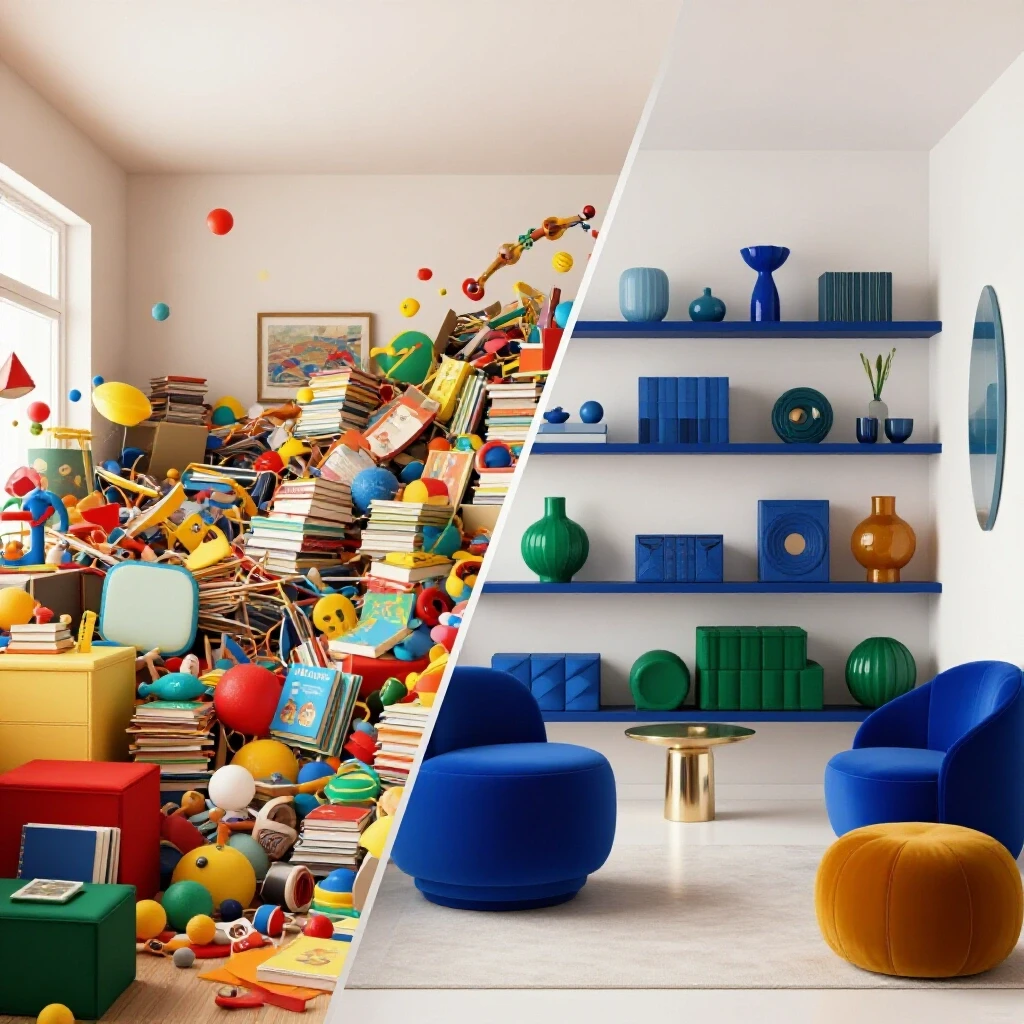
The Logistics of Household Reversion
Household reversion is the phenomenon where a space returns to its original state of disarray shortly after being organized. This happens because the system used to organize the space exceeds the “maintenance capacity” of the people living there. In logistics, if a warehouse layout requires too many steps to restock an item, workers will eventually leave items in the aisles, creating a bottleneck.
In my home, our “bottleneck” was the entryway. We had a beautiful, multi-tiered shoe rack that required everyone to carefully align their shoes. It looked great for five minutes. However, because it took too much effort to use during the after-school rush, shoes ended up in a pile on the floor. Environmental psychology studies suggest that visual complexity in our surroundings can increase cognitive load, making it harder to focus and stay productive. When a system is too complex, we naturally default to the path of least resistance, which usually means leaving items where they fall.
Defining Retrieval Friction in Daily Life
Retrieval friction refers to the number of physical and mental steps required to either access an item or put it back in its designated place. High-friction systems involve lids, stacked boxes, or items hidden behind other items, which almost always lead to clutter. Low-friction systems prioritize “one-touch” or “no-look” placement to ensure items are returned to their zones.
I began measuring the “step count” for common household tasks. To put away a clean towel, my spouse had to open a closet, move a basket of toiletries, and then fold the towel onto a high shelf. That is a four-step process. By removing the closet door and using open-front cubbies, we reduced it to a one-step process. This reduction in friction is the secret to why some homes stay tidy while others fail.
A Month-Long Framework for Sustainable Order
A 30-day spatial overhaul is not about a single deep clean; it is about redesigning the flow of goods through your home. During the first ten days, the focus is on a spatial audit and high-speed sorting to identify where the system is breaking down. The middle ten days involve re-zoning the house based on usage frequency, and the final ten days are dedicated to testing and refining the new habit loops.
In my own family’s journey, the most significant shift happened when I stopped looking at “tidying” as a chore and started looking at it as “inventory management.” We tracked every item that entered the house for one week. We discovered that 60% of our daily clutter was paper-based—mail, school flyers, and receipts. By creating a specific “inflow station” at the door, we prevented that clutter from ever reaching the kitchen counters.
Inflow and Outflow Management
Inflow and outflow control is the process of managing the volume of items entering and leaving a space to ensure the total volume never exceeds the room’s spatial capacity. Spatial capacity is the hard limit of items a room can hold before its primary function is compromised. If you bring in ten new items but only remove two, you have a “net gain” that eventually leads to overflow.
We implemented a “one-in, one-out” rule for clothing and toys, which kept our space utilization at a manageable 75%. This percentage is a logistical sweet spot; it provides enough empty space to move items around without causing a jam. Research in organizational behavior suggests that when shelves are filled to 100% capacity, people are significantly less likely to put things back because the physical effort required to “wedge” an item in is too high.
| Metric | Goal | Why It Matters |
|---|---|---|
| Space Utilization | 75% | Allows for easy retrieval without moving other items. |
| Retrieval Step Count | 1-2 Steps | Reduces the mental energy needed to tidy up. |
| Daily Reset Time | 15 Minutes | Prevents clutter from accumulating into a multi-hour task. |
| Inflow/Outflow Ratio | 1:1 | Ensures the total volume of possessions remains stable. |
Engineering Low-Maintenance Family Zones
Zoning is the practice of grouping items by their function and the frequency with which they are used, placing high-use items in “prime real estate” (waist-to-eye level). A well-zoned home reduces the time spent searching for items, which lowers daily stress. When every family member knows exactly where an item lives, the “mental load” of organization is shared rather than falling on one person.
I mapped out our kitchen using a “frequency of use” chart. Items used daily, like coffee mugs and plates, were placed in the most accessible cabinets. Items used once a month, like the slow cooker, were moved to higher or lower “secondary” storage. This reduced our morning routine duration by nearly 10 minutes because we were no longer digging through cabinets to find what we needed.
The Storage Friction Index
The Storage Friction Index is a tool used to evaluate how difficult a storage solution is to maintain based on the number of physical actions required. A high-friction index (Score 4-5) indicates a system that is likely to fail in a busy household. A low-friction index (Score 1-2) represents a sustainable system that even children can follow with minimal instruction.
- Score 1 (Open Bin/Hook): No lids, no doors. Item is dropped or hung in one motion.
- Score 2 (Drawer/Open Shelf): One motion to open a drawer or place on a shelf.
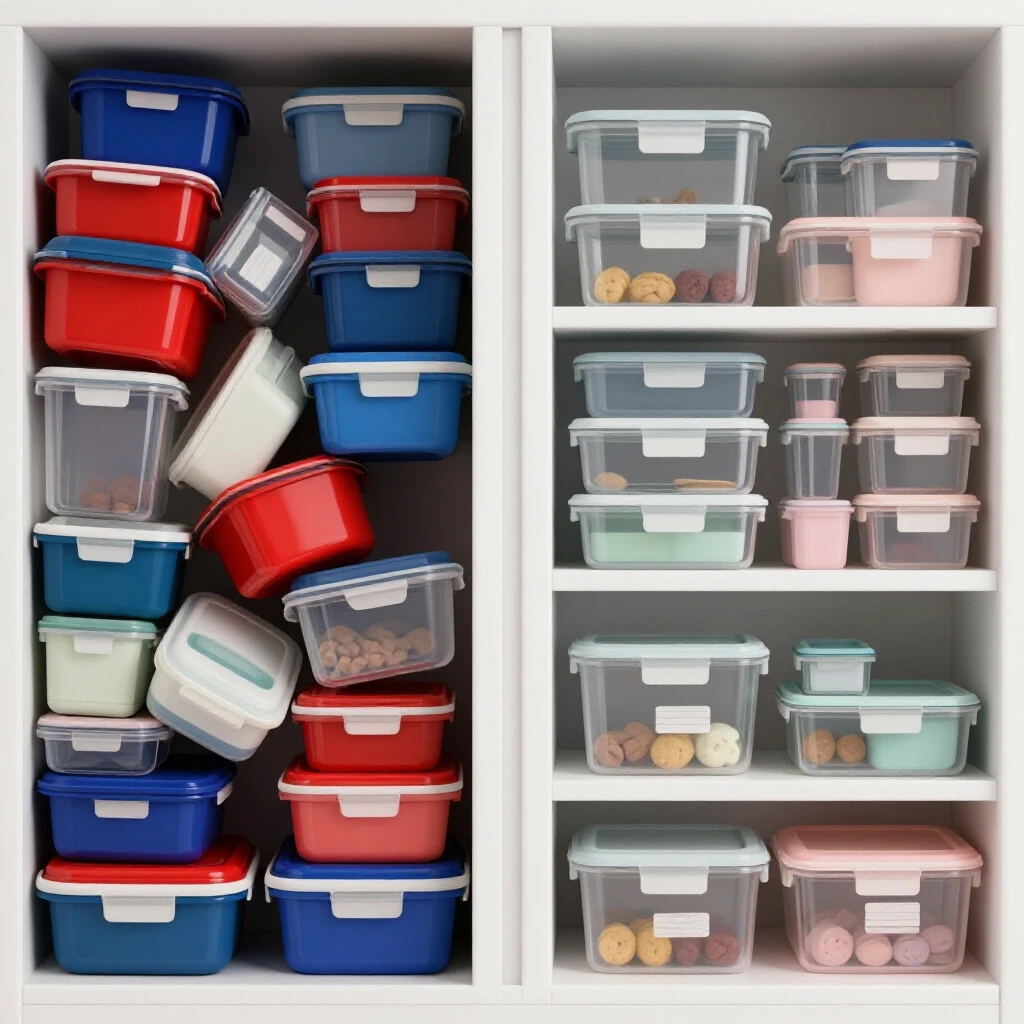
- Score 3 (Lidded Bin on Shelf): Requires removing the bin and lifting a lid.
- Score 4 (Stacked Bins): Requires moving one or more bins to reach the target.
- Score 5 (Hidden/Deep Storage): Requires moving multiple items and using a stool or ladder.
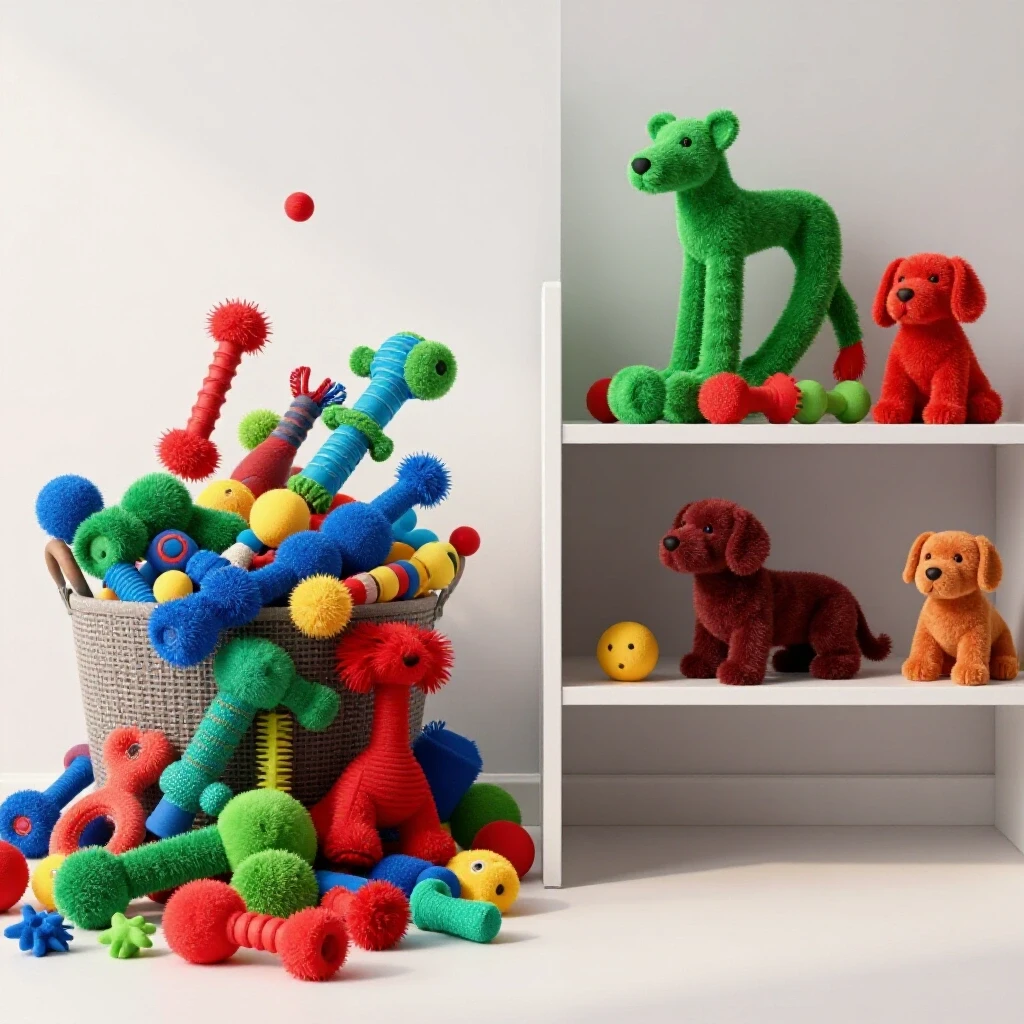
In our month-long project, we moved almost all of our children’s toy storage from Score 4 (stacked bins with lids) to Score 1 (large, open baskets). The result was an immediate 40% increase in the speed of evening cleanups. The kids didn’t have to think about which lid went where; they just had to get the toys into the right basket.
Measurable Changes After a 30-Day Overhaul
The true success of a reorganization project is measured by the reduction in “system friction” and the time saved on daily maintenance. After 30 days of applying these principles, we found that our daily “reset” time—the time it takes to return the house to its baseline state—dropped from 45 minutes to just 15 minutes. This was not because we had fewer things, but because every thing had a low-friction “home.”
We also tracked our “sorting speed,” which is the time it takes to categorize and put away a basket of mixed items. Initially, sorting a basket of laundry took 12 minutes because of disorganized dresser drawers. After we reorganized the drawers into simple zones (socks, shirts, pants) without complex folding requirements, sorting time dropped to 5 minutes.
Habit Loops and System Maintenance
A habit loop is a neurological pattern that governs a behavior, consisting of a cue, a routine, and a reward. In a home system, the “cue” is finishing an activity (like dinner), the “routine” is the low-friction cleanup, and the “reward” is a clear space for the next morning. Sustainable systems rely on these loops rather than willpower.
To maintain our progress, we established a “15-minute sweep” every evening at 8:00 PM. Because we had already lowered the friction of our storage, this sweep became a low-stress activity. We weren’t “organizing”—we were simply following the logistics plan we had built. This shift from active decision-making to passive routine is what prevents the home from reverting to a cluttered state.
- Step 1: Audit. Identify high-friction areas where clutter naturally piles up.
- Step 2: Purge. Remove items until you reach 75% spatial capacity.
- Step 3: Zone. Place items near their point of use.
- Step 4: Simplify. Use the lowest friction storage possible (bins over boxes, hooks over hangers).
- Step 5: Repeat. Perform a daily 15-minute reset to maintain the flow.
Conclusion: Sustainable Steps for Busy Families
The most important takeaway from my 30-day spatial experiment was that “neatness” is a byproduct of good logistics, not a personality trait. By focusing on flow rates, retrieval friction, and spatial capacity, my family was able to break the cycle of constant tidying and rapid reversion. We stopped fighting against our natural behaviors and started building systems that accommodated them.
If you are feeling overwhelmed by the state of your home, start small. Don’t try to organize the whole house in a weekend. Pick one high-traffic area, like the entryway or the kitchen counter, and analyze the friction. Ask yourself: “How many steps does it take to put this away?” If the answer is more than two, find a way to simplify the system. Over time, these small logistical adjustments will aggregate into a home that works with you, rather than against you.
Frequently Asked Questions
What is the “75% Rule” in home organization? The 75% Rule suggests that you should never fill a storage space, shelf, or closet beyond 75% of its physical capacity. This remaining 25% of “buffer space” is critical for logistics because it allows you to see, reach, and return items without having to shift or move other objects. When a space is 100% full, the friction of putting something back becomes so high that most people will simply leave the item on a nearby flat surface instead.
How do I decide which items are “high-use” for zoning? High-use items are those you touch at least once a day. In a logistical zoning map, these should be placed in “Zone 1,” which is the area between your mid-thigh and your shoulders. This eliminates the need to bend down or reach up, reducing the physical effort of the task. Items used once a week go in “Zone 2” (higher or lower shelves), and seasonal items go in “Zone 3” (attics, basements, or very high shelves).
Why do storage bins often make clutter worse? Storage bins often fail because they add “friction layers.” If a bin has a lid and is stacked under another bin, you have to perform multiple actions just to put one item away. This leads to “micro-clutter” on top of the bins. To make bins work, use open-topped containers or clear drawers that allow for one-motion retrieval and replacement.
How can I get my children to follow an organization system? Children are the ultimate “friction detectors.” If a system is too hard, they won’t use it. To align family behavior, use the “drop zone” method. Replace hangers with sturdy hooks and replace toy boxes with shallow, open baskets. Labeling bins with pictures instead of words also helps younger children identify the correct “outflow” point for their toys without needing adult assistance.
What is “inflow control” and why is it important? Inflow control is the practice of stopping clutter at the threshold of your home. This involves creating a dedicated station for mail, packages, and school papers. By processing these items the moment they enter the house—shredding junk mail immediately and filing important papers—you prevent the “clutter creep” that typically takes over kitchen islands and dining tables.
How long should a daily maintenance routine take? For a standard family home, a daily maintenance routine (or “reset”) should take no longer than 15 to 20 minutes. If it takes longer, your storage systems are likely too high-friction or your total volume of items exceeds your spatial capacity. The goal of the reset is not to deep clean, but to return items to their designated low-friction zones so the house is functional for the next day.
Does labeling really help in a family home? Yes, but not for the reasons you might think. Labels aren’t just for finding things; they serve as a visual “contract” for where an item belongs. When a shelf is labeled “Board Games,” it creates a psychological boundary that prevents other random items from being placed there. Use large, clear text or icons to ensure the system is “self-explanatory” for every member of the household.
What is the best way to handle “sentimental” clutter? In a logistical framework, sentimental items are “low-frequency” goods. They should not occupy “prime real estate” in your living areas. Move them to “Zone 3” storage, such as a dedicated, labeled bin in a closet. By removing them from your daily flow, you reduce visual noise and decision fatigue while still keeping the items safe.
How do I manage the “paper trail” from school and work? Establish a “one-in, one-out” digital policy. Scan important documents and recycle the physical copies immediately. For school papers that need to be kept temporarily, use a vertical wall-mounted file system. Vertical storage is lower friction than horizontal stacks because you can see every item at once without digging through a pile.
What should I do if my home reverts to clutter after the 30 days? If a space reverts, do a “friction audit.” Observe where the items are piling up. Usually, clutter accumulates because the “home” for those items is too far away or too hard to access. Move the storage closer to where the items are actually used, or simplify the container (e.g., remove the lid). Reversion is a sign that the system needs a logistical adjustment, not that you have failed.
(This article was written by one of our staff writers, Christopher Bennett. Visit our Meet the Team page to learn more about the author and their expertise.)