How to Declutter Your Home for Real Relief (Simple Living Guide)

Would you rather spend your Saturday morning hunting through a mountain of plastic bins to find a single pair of soccer cleats, or enjoy a quiet cup of coffee in a room that feels light and manageable? For many parents, the reality is a constant cycle of tidying up, only to see the house revert to chaos within forty-eight hours. After eleven years in operations and logistics, I realized that the problem isn’t a lack of effort; it is a breakdown in the systems we use to manage our daily inventory.
Analyzing the Psychological Cost of Excess Household Inventory
The mental burden of managing too many possessions often leads to a state of chronic stress known as visual processing overload. When every surface is covered with items, our brains must constantly filter out irrelevant information, which depletes our energy and makes it harder to focus on family or work.
Research in environmental psychology suggests that physical clutter can significantly raise cortisol levels, particularly in women. In my professional life, I manage supply chains where every square inch of a warehouse costs money. In a home, that “cost” is paid in mental fatigue. When we own more than our space can comfortably hold, we are forced into a state of constant sorting. This is why many families feel like they are “cleaning” all day without actually making progress. The goal of a more intentional lifestyle isn’t to live in an empty box, but to match our belongings to our actual spatial capacity.
Why Your Previous Home Organization Systems Failed
Most organizing attempts fail because they prioritize how a room looks in a photograph over how a family actually moves through the space. If a system requires five steps to put away a remote control, the remote will inevitably end up on the coffee table instead of in its designated bin.
In logistics, we call this “retrieval friction.” High-friction systems—like bins with tight lids stacked three deep—are the enemies of a tidy home. I once spent a weekend labeling thirty beautiful, opaque baskets for our playroom. Within three days, the floor was covered again. My children couldn’t see what was inside the baskets, and the effort of removing a lid was just enough of a barrier to prevent them from cleaning up. We had created a system that looked great but functioned poorly for a real family.
Table 1: Storage Friction Index by Bin Type
| Container Type | Access Steps | Friction Level | Sustainability for Kids |
|---|---|---|---|
| Open Front Bin | 1 (Drop in) | Very Low | High |
| Clear Bin (No Lid) | 1 (Drop in) | Low | High |
| Lidded Tote | 3 (Unstack, Open, Place) | Medium | Moderate |
| Stacked Opaque Bins | 5+ (Unstack, Search, Open) | High | Low |
Applying Logistics Principles to Sustainable Decluttering
To create a home that stays tidy, we must view our possessions through the lens of flow rates and throughput. Every item that enters your home represents a future task; it must be cleaned, stored, repaired, or eventually discarded.
Sustainable decluttering is not a one-time event but a shift in how we manage the “inventory” of our lives. By reducing the total volume of items, we decrease the number of decisions we have to make every day. In my house, we moved from a “storage-first” mindset to a “flow-first” mindset. Instead of buying more bins to hide the mess, we began reducing the number of items until they fit comfortably into the low-friction zones we already had. This approach reduces the daily sorting time from hours to minutes.
Reducing Retrieval Friction in Daily Household Flows
Retrieval friction is the physical and mental effort required to get an item out or put it away. For a system to last, the effort to put an item away should be equal to or less than the effort to take it out.
When I audited our kitchen, I found that our most-used pans were buried under three heavy pots. This meant that every time we finished dinner, the person cleaning up would leave the pans on the counter rather than fighting with the cabinet. We reduced the number of pots to only what we used weekly and installed a simple rack. The friction dropped, and the counters stayed clear. You can apply this to any area: if your laundry system is failing, it might be because the baskets are too far from the machines or the sorting process is too complex.
Table 2: Daily Maintenance Timelines by Family Size
| Family Size | Items Managed Daily | High-Friction Cleanup Time | Low-Friction Cleanup Time |
|---|---|---|---|
| 2 Adults | ~50 | 20 Minutes | 5 Minutes |
| 2 Adults, 1 Child | ~150 | 45 Minutes | 15 Minutes |
| 2 Adults, 3 Children | ~300+ | 90+ Minutes | 25 Minutes |
A Practical Framework for a Gradual Decluttering Journey
Starting a decluttering journey can feel overwhelming, so it is essential to use a structured sorting framework that prevents decision fatigue. Rather than trying to organize the whole house at once, focus on high-traffic zones where excess items cause the most daily stress.
I recommend a “Zone-Based Sort” rather than a category-based one for busy parents. This means you tackle the mudroom or the kitchen junk drawer first. Use a simple four-box method: Keep, Relocate, Donate, and Trash. The key is to set a “time-box” of 15 to 30 minutes. In logistics, we know that short, intense bursts of sorting are more efficient than long, drawn-out sessions where focus wanes. By limiting the time, you prevent the mental exhaustion that leads to “maybe” piles.
High-Speed Zoning Maps for Your Home
A zoning map is a mental or physical layout of your home that dictates where items belong based on how often they are used. Items used daily should live in “Prime Real Estate”—the areas between your waist and shoulders.
- Active Zone: Countertops and eye-level shelves. Only items used daily (coffee maker, keys) live here.
- Passive Zone: High shelves or bottom drawers. Items used weekly (baking supplies, extra towels) go here.
- Deep Storage: Attic, garage, or top of closets. Items used seasonally (holiday decor, camping gear) are stored here.
When we redesigned our entryway, we realized the kids were dropping bags on the floor because the coat hooks were too high. By moving the hooks to their “Active Zone,” the floor stayed clear. This simple spatial adjustment removed the need for me to nag them, as the system now worked with their natural height and movement.
Creating Functional Home Storage for Busy Families
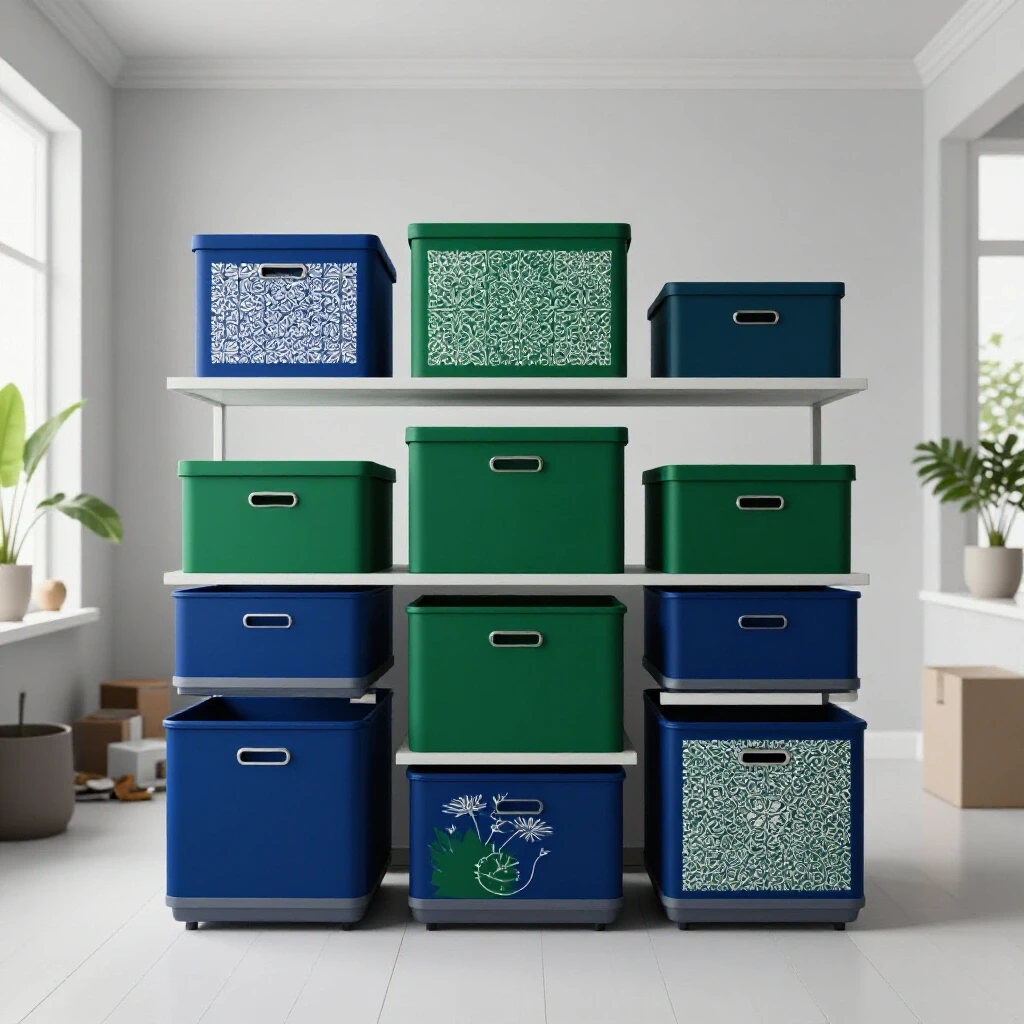
Functional home storage focuses on accessibility and durability rather than aesthetics alone. When selecting containers, choose modular units that can grow with your family’s needs and provide clear visual cues.
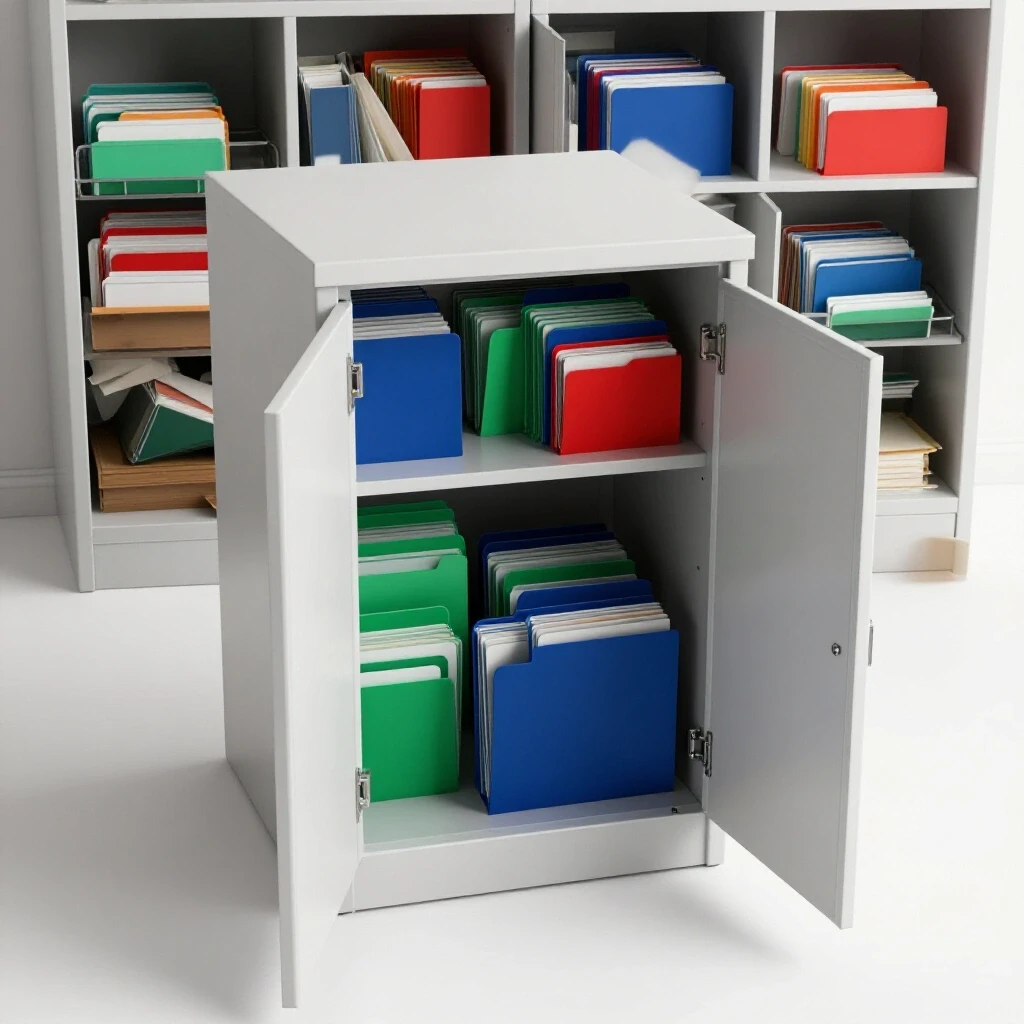
In my experience, the best home organization systems are those that allow for “visual inventory.” This means you can see what you have without opening a drawer. For a family, clear bins or open-faced cubbies are almost always superior to decorative, woven baskets. We also use a “One-In, One-Out” rule to maintain spatial capacity. If a new toy comes into the house, an old one must be donated. This keeps our inventory stable and prevents the slow creep of clutter that usually leads to a weekend-long cleaning crisis.
Decluttering Sorting Log: A 15-Minute Daily Metric
- Goal: Sort 20 items per session.
- Success Metric: 10 items removed (trash or donate), 10 items returned to their “Active Zone.”
- Frequency: 5 days a week.
- Result: 200 items managed per month with zero weekend “marathons.”
Establishing Low-Maintenance Maintenance Habit Loops
The real relief comes not from the act of throwing things away, but from the habit loops that keep the home functional. A habit loop consists of a trigger, an action, and a reward.
In our home, the trigger is finishing dinner. The action is a “10-minute reset” where every family member returns items to their zones. The reward is a clean living space for the evening. Because we have reduced our total inventory and used low-friction storage, this reset actually takes ten minutes. When we had too much stuff, this same task took an hour and felt like a chore. Now, it feels like a simple closing shift at a well-run business. We use digital inventory methods for seasonal items, using simple QR code labels on garage bins so we never have to open them to see what is inside.
Common Mistakes to Avoid in Family Systems
- Buying containers first: Never buy bins before you have reduced your inventory. You will end up organizing clutter.
- Over-labeling: If a bin is clear, you don’t need a label. Too many labels can create visual noise.
- Perfect as the enemy of good: Aim for a “functional” home, not a “perfect” one. A few toys on the floor is fine; fifty toys you can’t put away is a system failure.
- Ignoring the “Landing Strip”: Every home needs a place for incoming mail and bags. If you don’t design one, the kitchen island will become the default.
Summary of Key Takeaways
Reducing the number of possessions in your home is the most effective way to lower daily stress and maintenance time. By applying logistics principles—like reducing retrieval friction and honoring spatial capacity—you can create a home that supports your family rather than draining your energy. Focus on high-speed zoning, use clear and open storage, and implement short, daily habit loops to maintain the flow. The goal is a living space that feels light and functional, allowing you to spend your time on what truly matters.
Frequently Asked Questions
How do I start decluttering when I feel completely overwhelmed?
Start with a single “micro-zone,” such as one drawer or a small shelf in the entryway. Use a 15-minute timer to prevent burnout. Focusing on a small win provides the dopamine boost needed to tackle a larger area the next day.
What is the “three-step rule” for storage?
The three-step rule suggests that any item used daily should be accessible in three steps or fewer (e.g., walk to cabinet, open door, grab item). If it takes more steps, the system is high-friction and will likely fail.
How can I get my kids to follow an organization system?
Design systems at their physical height. Use open bins without lids so they can “drop” items back into place. Visual cues, like a small picture of a block on the front of a bin, help younger children identify where things go without needing to read.
Why does my house get messy again so fast after I clean it?
This usually happens because your “inventory” exceeds your “spatial capacity.” You likely have more items than your storage can hold comfortably, or your storage systems have too much friction, causing family members to leave things on flat surfaces instead of putting them away.
Should I use a professional organizer?
A professional can help, but the most sustainable systems are built by the people living in the home. Use logistics principles to analyze your own movement patterns first. If you don’t change your “inflow” and “outflow” habits, a professional’s work will likely be undone within weeks.
How do I handle sentimental items that I don’t use?
Move sentimental items out of your “Active Zones” and into “Deep Storage.” If you have a large volume, consider digitizing photos or keeping only one representative item from a collection. Remember, the goal is to free up the space you live in every day.
What are the best containers for a busy family?
Clear, stackable plastic bins for closets and open-front “scoop” bins for playrooms are best. Avoid opaque baskets with lids for items used daily, as they hide the contents and increase the effort required to tidy up.
How often should I perform a “system audit”?
I recommend a quick spatial audit every change of season. As kids grow or hobbies change, your “Active Zones” will need to shift. Spending 30 minutes every three months to re-evaluate your zones prevents long-term clutter buildup.
Is it better to declutter by category or by room?
For busy professionals, decluttering by room or “zone” is usually more effective. It allows you to see immediate functional improvements in your daily life, such as a faster morning routine because the bathroom is organized.
What is “visual inventory” and why does it matter?
Visual inventory is the ability to see what you own at a glance. When items are hidden in dark closets or solid boxes, we often buy duplicates because we forget what we have. Clear storage reduces waste and simplifies the decision-making process.
(This article was written by one of our staff writers, Christopher Bennett. Visit our Meet the Team page to learn more about the author and their expertise.)