How to Organize Craft Supplies by Project for More Use (Guide)

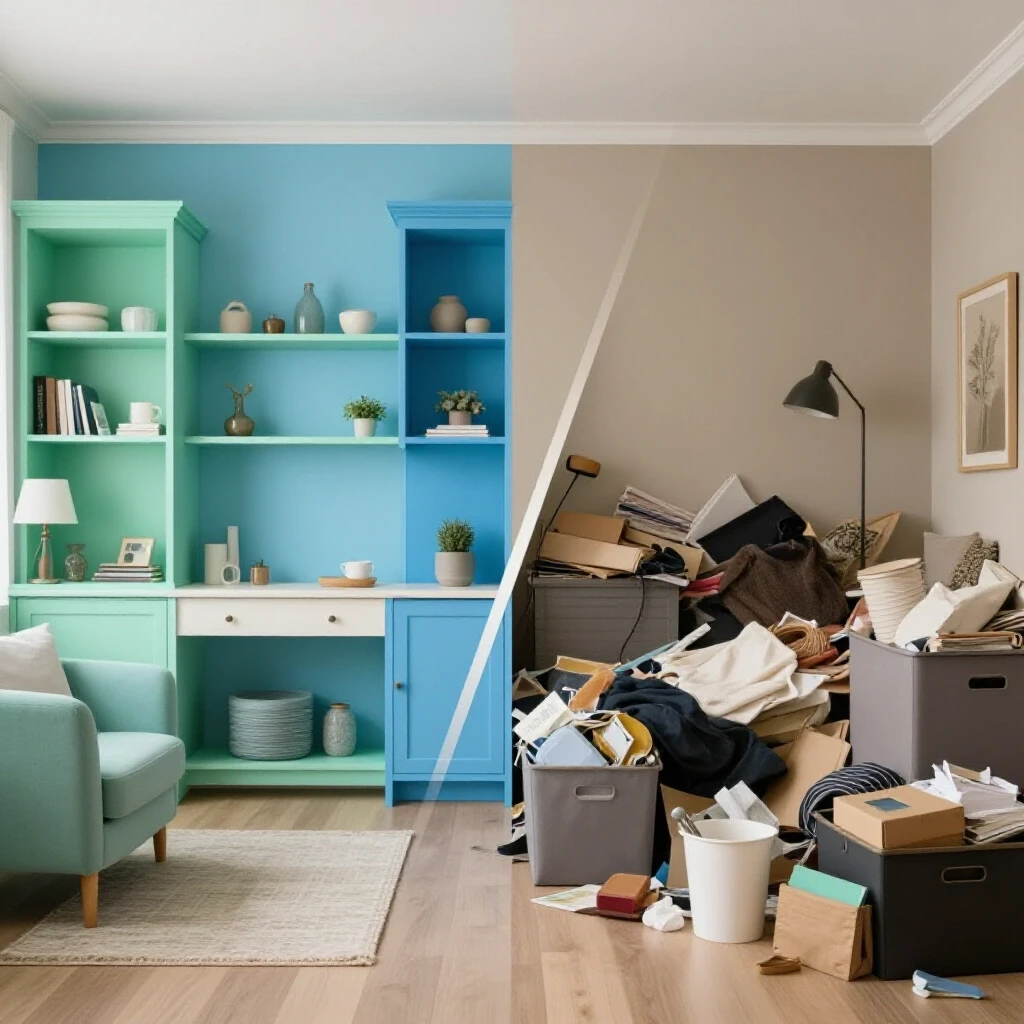
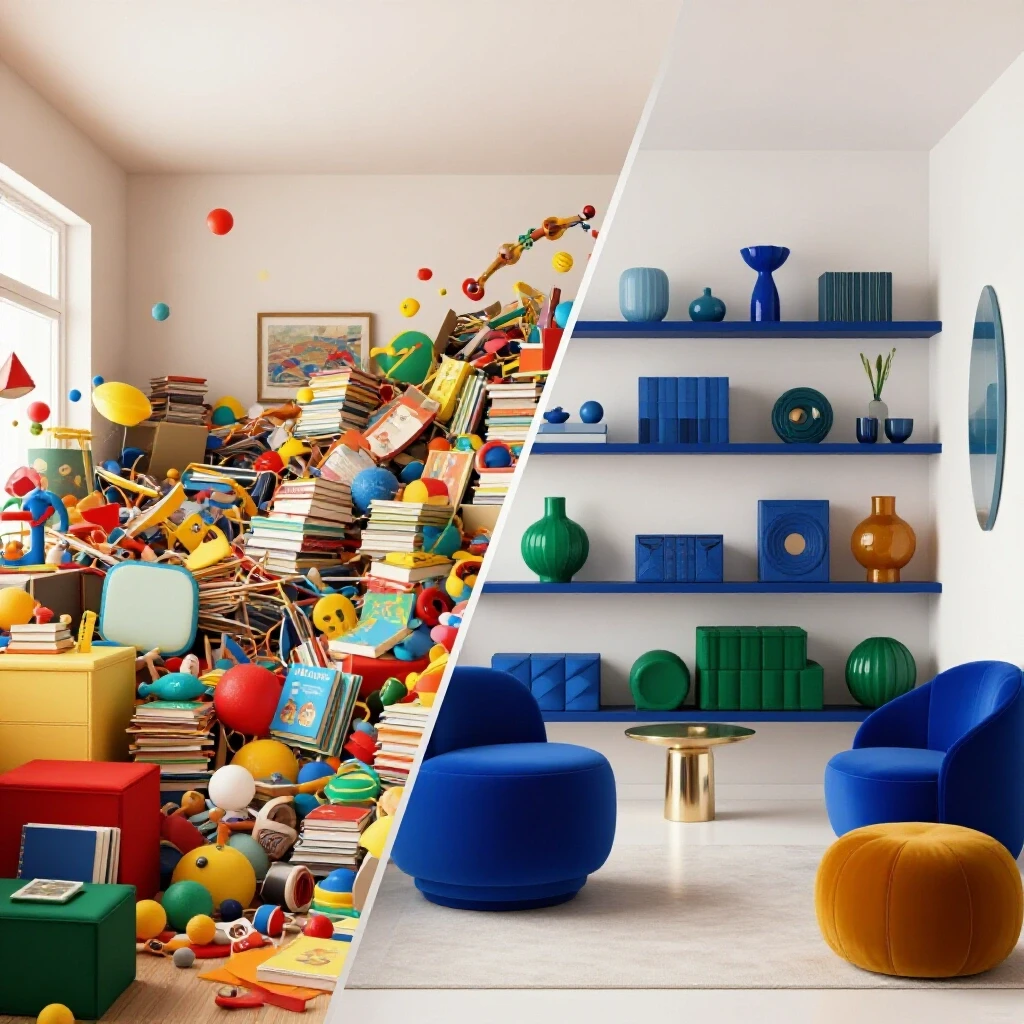
In our house, the dining table used to be the graveyard of unfinished ideas. My wife and children would start a project with the best intentions, but within forty-eight hours, the surface was buried under a mountain of loose beads, tangled yarn, and half-empty glue sticks. We were constantly buying duplicates of items we already owned simply because we couldn’t find the originals. By shifting our focus toward eco-conscious consumption—prioritizing the use of every scrap of fabric or ounce of paint we already own—we transformed our home from a cluttered warehouse into a functional workshop.
Rethinking the Logistics of Household Hobby Spaces
Spatial logistics in a family home involves managing the flow of physical items to ensure they serve a purpose rather than just occupying volume. In a cluttered environment, the primary failure isn’t a lack of space, but rather high retrieval friction, which occurs when the effort to find and set up materials exceeds the desire to actually create something.
In my eleven years of managing logistics, I have seen how “dead inventory” happens in warehouses. The same thing happens in our spare closets. When we store items by category—like putting all ribbons in one box and all scissors in another—we inadvertently increase the number of steps required to start a task. Environmental psychology research suggests that visual noise from disorganized piles can increase cortisol levels, making us feel exhausted before we even begin. To solve this, we must view our creative materials not as individual units, but as part of a larger workflow.
Understanding Retrieval Friction in Home Storage
Retrieval friction is the measurable amount of time and physical effort required to move an item from its storage location to its point of use. In a typical home, a high-friction system involves digging through nested bins or moving heavy boxes to reach a single item, which often leads to project abandonment.
When I audited our family’s hobby habits, I found that if it took more than four minutes to gather all the components for a small project, my children would lose interest. We measured the “touch points” required to start a simple watercolor session. In our old system, it took nine steps: find the paper, locate the paints, search for the right brush, get water, find a palette, and so on. By reducing these touch points, we drastically increased the frequency of actual use while decreasing the post-activity mess.
Reducing Retrieval Friction through Project-Centered Kits
A project-centered kit is a pre-assembled bundle containing all the necessary components for a specific task, stored together in a single container. This method shifts the organizational focus from “what is this item?” to “what does this item help me accomplish?” which simplifies both the setup and the cleanup process.
I realized that our traditional sorting methods were failing because they required too much “mental processing” during cleanup. If a child has to decide which of five different bins a scrap of felt belongs in, they will likely just leave it on the floor. By grouping materials by the specific project they are intended for—such as a “wooden birdhouse kit” or a “knit blanket bundle”—we eliminate the decision fatigue associated with tidying up.
The Logic of “Kit-Based” Sorting
Sorting by project involves identifying specific outcomes and gathering every necessary tool and material into a dedicated zone. This approach mimics industrial “kitting” processes where parts are pre-delivered to an assembly line to ensure maximum efficiency and minimum waste of movement during the production phase.
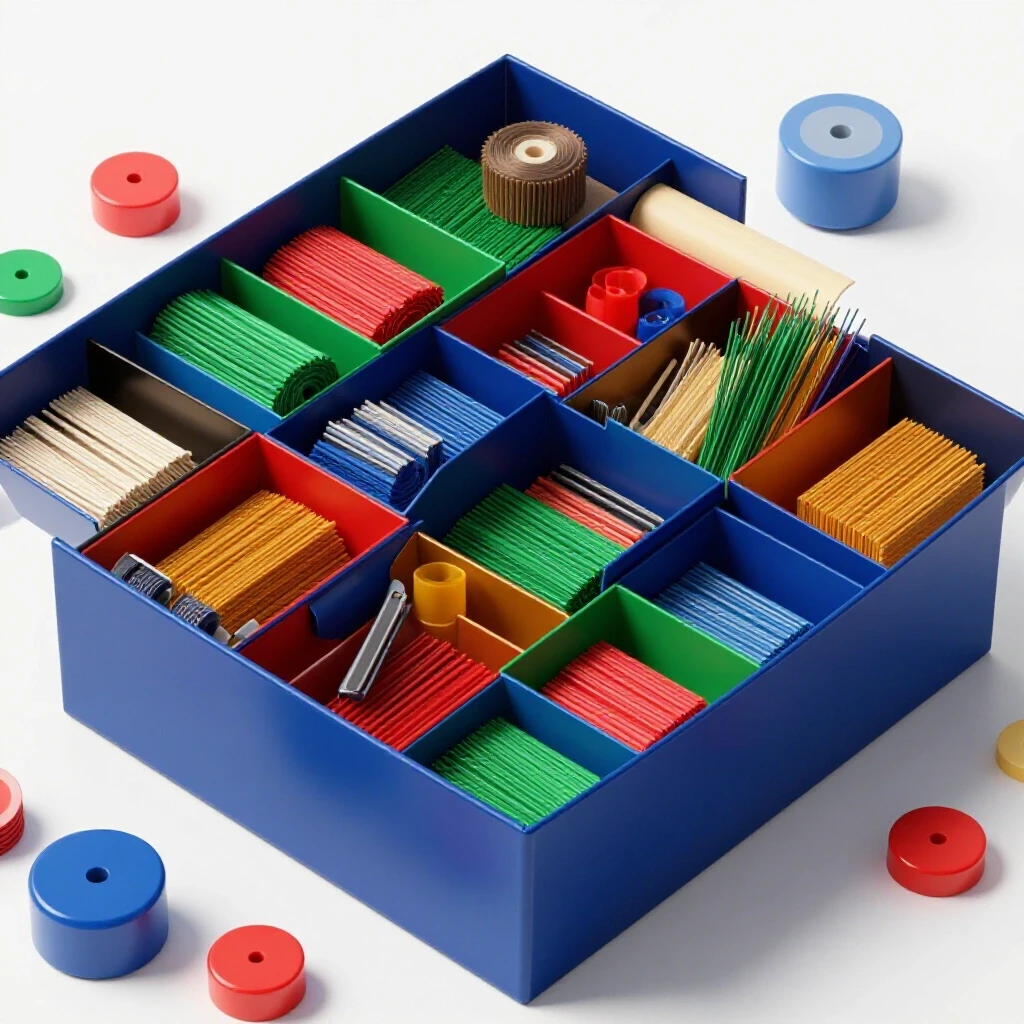
In our home, we started by identifying our top five recurring activities. We moved away from the “big bin of everything” model. Instead, we created small, transparent containers that hold only what is needed for one specific goal. For example, our “birthday card kit” contains blank cards, a specific set of markers, stamps, and an ink pad. Interestingly, when we moved to this model, our “sorting time” dropped from fifteen minutes to under three minutes per session.
Table 1: Storage Friction Index by Bin Type
| Container Type | Retrieval Steps | Sorting Speed | Visibility | Best Use Case |
|---|---|---|---|---|
| Deep Opaque Totes | 5+ Steps | Very Slow | 10% | Long-term archives |
| Open Baskets | 1 Step | Fast | 80% | Daily use items |
| Shallow Clear Bins | 2 Steps | Moderate | 100% | Project-specific kits |
| Multi-Drawer Units | 1 Step | Fast | 50% | Small, high-frequency parts |
Analyzing Spatial Capacity and Inventory Density
Spatial capacity refers to the physical limit of a storage area, while inventory density measures how much “stuff” is packed into that space. Overcrowding a shelf beyond 80% capacity usually leads to a total system collapse because there is no room to maneuver items without causing a landslide of clutter.
In logistics, we use a “redline” system. Once a shelf reaches a certain density, no new items can enter until something is used or removed. In our home, we applied this to our hobby supplies. We measured our shelves and realized we were at 110% capacity—meaning items were stacked on top of each other and spilling onto the floor. By organizing materials into project-specific bundles, we could better see what we actually had, which naturally led to a reduction in total volume as we finished old tasks.
Calculating Your Home’s Flow Rate
The flow rate is the speed at which items enter your home versus the speed at which they are used or discarded. A healthy household system requires an outflow that matches or exceeds the inflow to prevent “clutter creep,” which is the gradual accumulation of unused materials over time.
- Inflow: New materials brought into the home.
- Outflow: Materials used up in finished projects or donated.
- Stagnation: Items that haven’t been touched in over six months.
I tracked our family’s flow rate for thirty days. We were bringing in three new “ideas” (bags of supplies) for every one project we actually finished. To fix this, we implemented a “one-in, one-done” rule. We couldn’t start a new project kit until one existing kit was completed and its container was empty. This simple logistical constraint reduced our household clutter by 25% in just two months.
Implementing Sustainable Habit Loops for the Whole Family
A habit loop is a three-part process consisting of a cue, a routine, and a reward that helps automate a behavior. In a family setting, sustainable organization depends on creating loops that are easy enough for the youngest member to follow without constant adult supervision or complex instructions.
The biggest mistake I made early on was designing a system that looked like a magazine photo but functioned like a puzzle. My kids couldn’t maintain it. We had to simplify. We used the “two-minute rule” from productivity studies: if an item takes more than two minutes to put away, the system is too complex. We replaced lids with open-top bins for high-frequency projects and used large-font labels that even a tired parent could read at 9:00 PM.
Designing High-Speed Zoning Maps
Zoning is the practice of dividing a room into specific areas based on the type of activity performed there. A high-speed zoning map ensures that all tools needed for a project are within arm’s reach of the “work zone,” minimizing the need to walk across the room.
- The Hot Zone: Items used daily (e.g., the current project kit).
- The Cold Zone: Materials for future projects, stored on higher shelves.
- The Tool Station: A central hub for shared items like scissors or tape.
- The Scrap Depot: A single, small bin for reusable leftovers, emptied monthly.
By mapping our craft room this way, we reduced the “walking distance” of a single cleanup session by nearly sixty feet. This might sound small, but over a year, that is miles of unnecessary movement saved. It turns out that the less you have to move, the more likely you are to put things back where they belong.
Table 2: Daily Maintenance Timelines by Family Size
| Family Size | Sorting Method | Daily Time Goal | System Type |
|---|---|---|---|
| 2 Adults | Project Kits | 5 Minutes | Low Friction |
| 2 Adults + 1 Child | Zone Sorting | 8 Minutes | Visual Labels |
| 2 Adults + 3 Children | Open-Bin Kits | 12 Minutes | High Durability |
Measuring the Success of Your New Creative Workflow
Success in home organization is measured by the longevity of the system and the reduction in mental fatigue, rather than the aesthetic perfection of the shelves. A system is successful if it remains functional for more than thirty days without requiring a “deep clean” or a total reset.
In my professional experience, we use Key Performance Indicators (KPIs). For our home, our KPIs were “days since the last dining table pile-up” and “time spent looking for a specific tool.” Before we organized by project, we were losing an average of twenty minutes per week searching for things. Now, that number is near zero. We don’t aim for a “perfect” home; we aim for a home that recovers quickly from a mess.
Using Visual Cues to Prevent System Failure
Visual cues are environmental signals, such as color-coded labels or transparent bins, that provide immediate information about where an item belongs. These cues reduce the cognitive load on family members, making it easier to maintain order during busy work weeks or school semesters.
- Transparent Containers: Allow for 100% visibility of contents without opening the lid.
- Color-Coded Kits: Blue for sewing, red for paper crafts, green for painting.
- Photo Labels: For younger children, a photo of the finished project on the bin shows exactly what goes inside.
- Shadow Boards: Outlining tools on a pegboard ensures you know exactly which item is missing at a glance.
We found that using clear shoebox-sized bins was our “magic bullet.” They are small enough to prevent over-stuffing but large enough to hold a complete project. When a bin is empty, it’s a visual signal that we have “capacity” for a new creative endeavor. This prevents us from buying supplies for a project we don’t have the physical room to store.
Common Obstacles to Maintaining Project-Based Order
Even the best logistics systems face challenges like “sentimental clutter” or “aspirational hoarding.” Sentimental clutter involves keeping scraps because of the memory attached to them, while aspirational hoarding is the act of buying supplies for a version of yourself that has more free time than you actually do.
To combat this, I treat our home supplies like a “just-in-time” inventory system. We only keep what we have a concrete plan to use within the next ninety days. If a project kit has sat untouched for six months, we evaluate if we are actually going to do it. If the answer is no, we break the kit down and donate the materials. This keeps the energy in the room fresh and prevents the “mental weight” of unfinished tasks from causing stress.
Strategies for High-Volume Household Management
- The 15-Minute Reset: Set a timer every evening to return project kits to their zones.
- Inventory Audits: Every three months, check for dried-out glues or markers to keep kits functional.
- The “Work-in-Progress” Shelf: A dedicated spot for kits that are currently being used, keeping them off the floor.
- Digital Cataloging: Take a quick photo of your kits so you don’t buy duplicates while at the store.
By following these steps, we have moved away from the cycle of “clean and crash.” Our home stays functional because the systems are built around how we actually live, not how we think we should live. We focus on the flow of items, the reduction of friction, and the joy of actually using what we have.
Frequently Asked Questions
How do I start organizing if I have a massive amount of mixed supplies?
Start by performing a “spatial audit.” Instead of sorting every tiny item, group them into large project categories first. Ask yourself, “What project does this belong to?” If you can’t answer that in three seconds, put it in a “general supplies” bin for now. Focus on creating five complete kits for projects you want to do this month. This provides an immediate win and reduces the initial overwhelm.
What is the best way to handle leftover materials from a finished project?
In logistics, we call this “remnant management.” Designate one small “Scrap Depot” bin. Once a project is done, only keep pieces that are large enough to be the primary component of a new kit. If the bin overflows, it’s time to use those scraps or let them go. This prevents small leftovers from cluttering up your high-priority project kits.
My kids always mix up the kits. How can I prevent this?
Use the “One Kit at a Time” rule. In our house, we only allow one project kit to be open per person. Before they can pull out the “beading kit,” the “coloring kit” must be returned to its zone. Making the containers small and easy to carry also helps children take ownership of the cleanup process.
Won’t project-based storage take up more space than category-based storage?
Initially, it might seem that way because you aren’t nesting items as tightly. However, it actually saves space by preventing the “duplicate purchase” trap. When you know you have a complete “curtain-mending kit” ready to go, you won’t buy extra thread or needles “just in case.” It also forces you to confront how many projects you realistically have room for.
How do I manage tools that are used for multiple different projects?
Create a “Central Tool Hub.” While the specific materials (yarn, fabric, paper) go into project kits, common tools like high-quality scissors, rulers, and glue guns live in a single, well-labeled station. Use a “shadow board” or clear drawer so everyone knows exactly where the tool returns when the project session ends.
What should I do with “aspirational” projects I haven’t touched in years?
Apply the “90-day rule.” If you haven’t looked at the materials in three months, and you don’t have a specific date on the calendar to start, the kit is likely dead inventory. Consider donating it to a local school or community center. Clearing that physical space often clears the mental space needed to actually finish the projects you enjoy today.
How do I label kits so everyone in the family understands them?
Use a dual-labeling system. Use a clear, bold text label for adults and a simple icon or photo for children. For example, a kit for making paper planes could have the words “Paper Planes” and a small drawing of a plane. This ensures that no matter who is tidying up, there is zero confusion about where the bin belongs.
Is it worth buying expensive modular storage units for this system?
Not necessarily. In logistics, the container is less important than the “system of access.” You can use repurposed shoeboxes or plastic bins you already own. The key is consistency in size so they stack efficiently and transparency so you can see the contents. Focus on the workflow first, and only invest in new containers if your current ones are causing high retrieval friction.
How can I make this system sustainable when I’m exhausted after work?
The beauty of project-based kits is that they are designed for “low-energy” days. Because everything is already gathered, you don’t have to think. You just grab one bin and start. If you only have ten minutes, you can do ten minutes of work and spend only sixty seconds putting the bin back. It’s the “thinking” that’s exhausting, not the “doing.”
What if a project is too big to fit in a small kit bin?
For larger-scale projects, like refinishing a chair, use a “Project Zone” instead of a bin. Use a specific shelf or a corner of the room and keep all related items (sandpaper, stain, brushes) in a single open crate in that zone. The principle remains the same: keep the materials and the project together to reduce the friction of starting and stopping.
(This article was written by one of our staff writers, Christopher Bennett. Visit our Meet the Team page to learn more about the author and their expertise.)