How to Handle New Build Delays When Buying a Home (Guide)

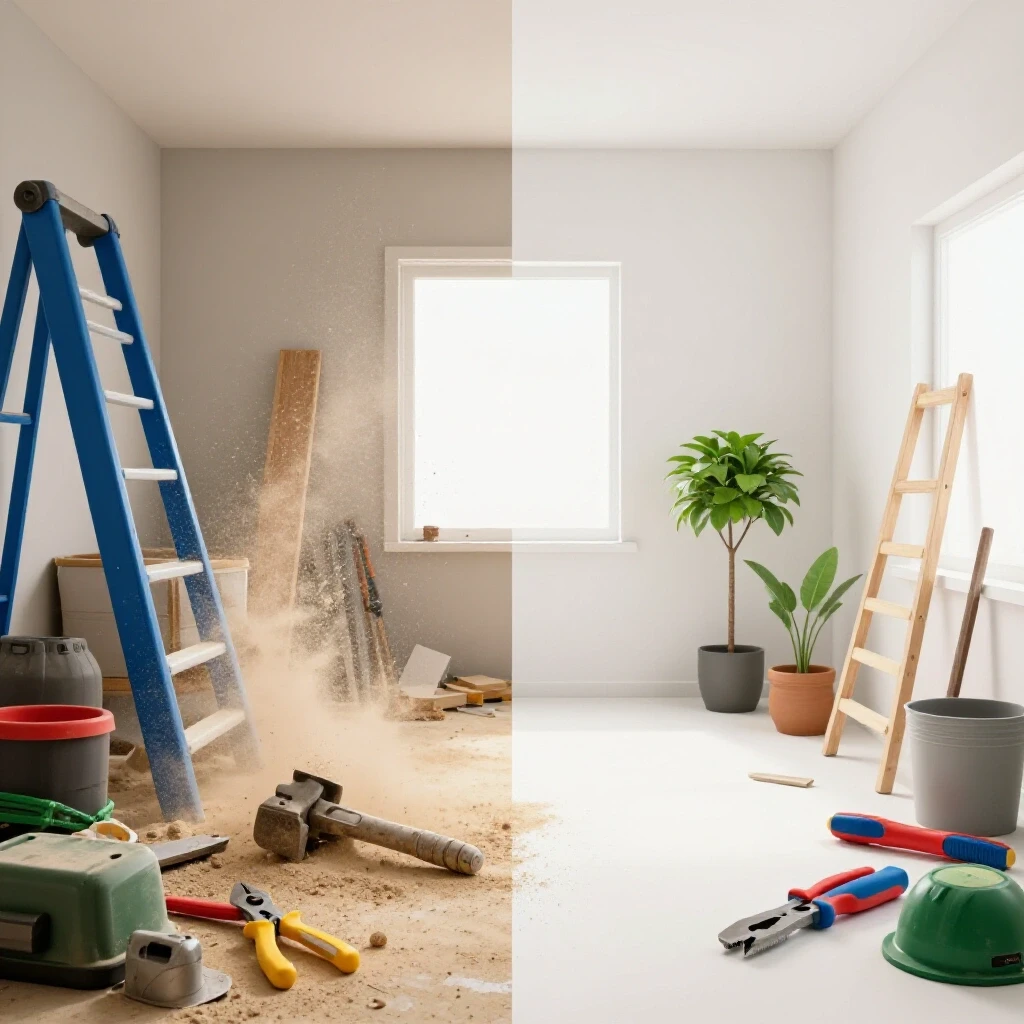
Introducing flooring as art allows us to see the potential in a home before it is even finished. When I stood in my second house, looking at the bare concrete slab that was supposed to be covered in hardwood three months prior, I had to shift my perspective. Instead of seeing a failure of timing, I began to see the raw structure as a canvas for what was to come.
Over my 14 years of owning three different homes, I have learned that the path to a new front door is rarely a straight line. According to U.S. Census Bureau data, the average completion time for a new single-family home has seen significant shifts over the last decade. For many first-time buyers in the 25–40 age range, these shifting timelines can feel like a personal setback. However, my logs show that these waiting periods are actually a vital part of the homeownership journey. They offer a unique window to prepare your finances, your skills, and your mindset for the responsibilities ahead.
Navigating the Extended Timeline of a New Home Purchase
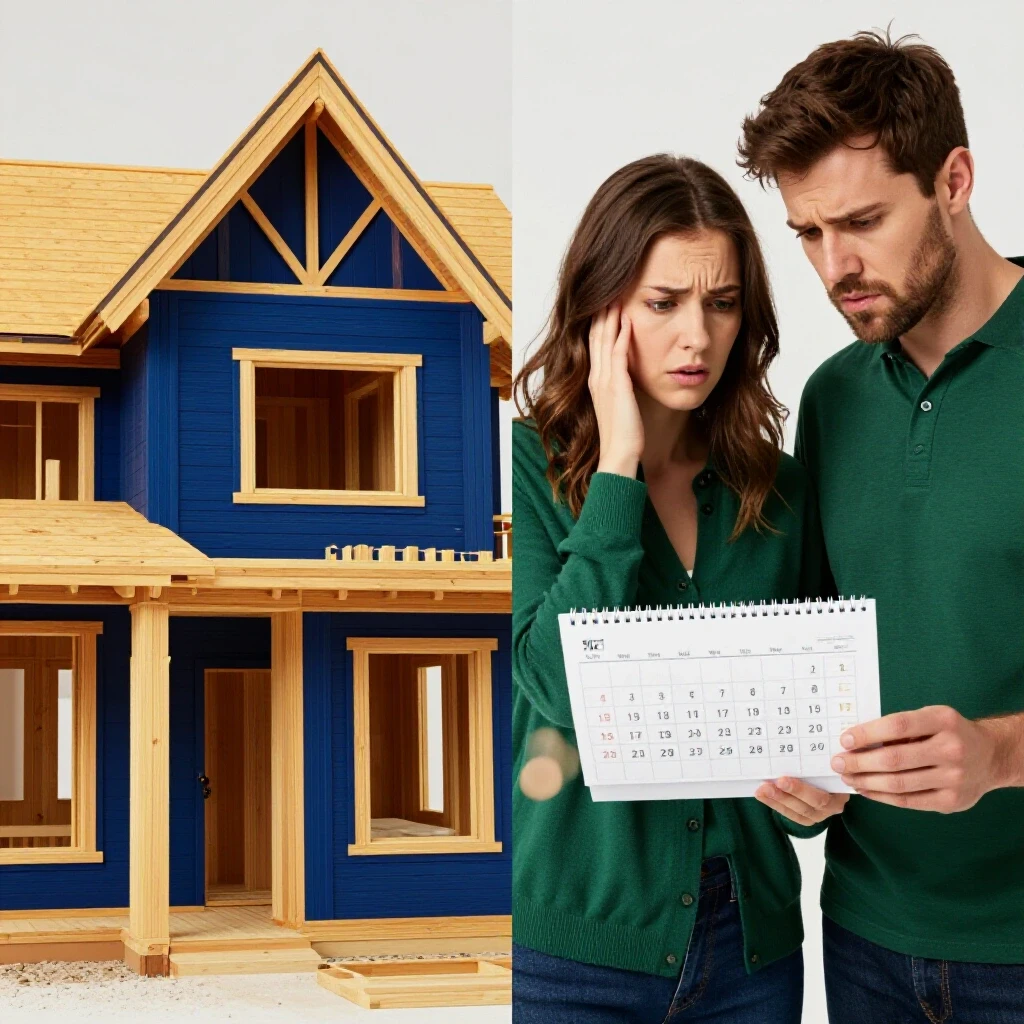
This phase involves managing the gap between your expected move-in date and the actual completion of your property. It requires flexibility in housing, storage, and emotional expectations to avoid burnout while waiting for your new construction project to reach its final inspection and closing date.
When you are house-hunting or waiting for a build to finish, the uncertainty can be the hardest part. In my second home purchase, the move-in date moved four times. Each time, I had to rethink where I would sleep and where my boxes would stay. Interestingly, HUD reports suggest that while most buyers expect a six-month build, the reality often stretches to nine or twelve months depending on the region.
To handle this, I recommend a “buffer month” strategy. Never plan your move-out date from your current rental or home for the exact day your new home is promised. Giving yourself a 30-day overlap can reduce the stress of sudden schedule changes. This period isn’t just lost time; it is a chance to refine your vision for the interior without the pressure of living in a construction zone.
Understanding the Causes of Delivery Shifts
These shifts occur when the estimated completion date of a property moves further into the future due to various external factors. Understanding these causes helps homeowners set realistic expectations and prevents the frustration that comes from assuming a construction schedule is a fixed guarantee.
In my experience tracking these trends, two main factors usually drive these shifts: material availability and labor scheduling. You might see a house that looks 90% done, but it sits idle for weeks. This often happens because a specific component, like a transformer or a custom window, is stuck in transit.
- Material shortages often affect finishing touches like cabinets or flooring.
- Labor gaps occur when specialized trades, like electricians, are booked across multiple sites.
- Weather events can halt outdoor work, such as grading or driveway pouring.
The Psychological Impact of the Waiting Period
The waiting period is the emotional space between signing a contract and moving in. It is often characterized by a mix of excitement and anxiety, as buyers navigate the uncertainty of when they will finally be able to settle into their new permanent residence.
It is easy to feel like your life is on hold. I remember checking my build site every single evening after work. While it felt productive, it actually increased my anxiety. I’ve found that homeowners who limit their site visits to once a week tend to be much happier. They notice big milestones rather than focusing on the lack of daily progress.
Creating a Flexible Budget for Transition Periods
A financial strategy that accounts for fluctuating move-in dates and temporary living expenses. This includes setting aside a “bridge fund” to cover extra rent, storage unit fees, and price increases for furniture or materials that might occur while your home is still under construction.
When your move-in date shifts, your budget must shift with it. I tracked every penny during my three home purchases, and the “hidden” costs of waiting were eye-opening. You aren’t just paying for a mortgage; you are paying for the “in-between.”
For a typical 2,000-square-foot home, I suggest a transition fund of at least $5,000 to $10,000. This isn’t for the house itself, but for the logistics of not being in the house. This fund covers things like month-to-month rent premiums, which can be 20% higher than a standard lease.
| Expense Category | Estimated Monthly Cost | 3-Month Total |
|---|---|---|
| Temporary Housing (Rent) | $2,200 | $6,600 |
| Storage Unit (10×20) | $250 | $750 |
| Short-term Insurance | $50 | $150 |
| Extra Moving/Labor Fees | $300 | $900 |
| Total Transition Cost | $2,800 | $8,400 |
Establishing a Maintenance Reserve Early
A maintenance reserve is a dedicated savings account intended to cover the ongoing costs of property upkeep. Starting this fund before you even move in ensures that you have the capital ready for the inevitable “first-year surprises” that every homeowner eventually faces.
Most experts suggest the 1% rule: save 1% of your home’s value each year for maintenance. For a $400,000 home, that is $4,000 a year, or about $333 a month. Starting this while you are waiting for your home to be finished gives you a massive head start. By the time you get your keys, you might already have $2,000 saved for that fence or those custom blinds you didn’t budget for initially.
Tracking Utility Benchmarks by Property Age
Utility benchmarks are the average costs for electricity, water, and gas based on the size and age of a home. Monitoring these figures allows new homeowners to predict their monthly overhead and identify if their new systems are operating efficiently.
Newer homes are generally more efficient, but they often have larger footprints. In my 14 years of logs, I’ve found that a modern home usually costs about $0.12 per square foot per month for total utilities. If you are moving into a 2,500-square-foot home, expect a $300 monthly bill.
- Heating and cooling typically account for 50% of the bill.
- Water usage increases significantly if you are establishing a new lawn.
- Smart thermostats can save roughly 8% on annual cooling costs.
Styling Your Life While Waiting for Permanent Interiors
Using creative decor and adaptive furniture to make a temporary living situation or a “shell” home feel personal. This focuses on items that are easy to move or repurpose, allowing you to maintain your design enthusiasm during extended waiting periods.
When my third home was delayed, I lived in a small apartment with most of my belongings in boxes. I learned that “styling” doesn’t require a finished house. You can treat your current space as a laboratory. This is the time to buy “transitional” pieces—items like high-quality rugs or modular shelving that will work in your current rental and your future home.
Think of flooring as art. A beautiful Persian rug or a modern geometric runner can be rolled up and moved in ten minutes. It provides comfort now and defines a room later. This approach keeps your creative spark alive without committing to permanent fixtures that might not fit the final build.
Creative Decor Hacks for Temporary Spaces
These are low-cost, non-permanent design solutions used to personalize a space without making structural changes. These hacks are ideal for renters or homeowners waiting for their new build, as they provide an immediate aesthetic boost without a large investment.
- Command Hooks and Strips: Use these for gallery walls so you don’t have to patch holes later.
- Peel-and-Stick Wallpaper: A great way to test a bold pattern in a small area like a temporary office.
- Plug-in Sconces: These provide high-end lighting without the need for an electrician in your temporary space.
- Textile Layering: Use throws and pillows to hide “rental-grade” furniture while you wait for your custom sofa.
Prioritizing Furniture Purchases
This involves strategically choosing which pieces of furniture to buy first based on lead times and utility. By focusing on essential items that take the longest to ship, homeowners can ensure their new house is functional from the first day of occupancy.
Don’t wait until the move-in day to order your “big” furniture. Some sofas have a 16-week lead time. If your home is delayed by three months, and you wait to order until you move in, you could be sitting on lawn chairs for half a year. I use a simple “Lead Time vs. Need” chart to stay organized.
| Item | Average Lead Time | Priority |
|---|---|---|
| Custom Sofa | 12–20 Weeks | High |
| Dining Table | 8–12 Weeks | Medium |
| Mattress/Bed Frame | 2–4 Weeks | High |
| Area Rugs | 1–2 Weeks | Low |
Essential Home Toolkits for the Pre-Move Phase
A curated set of tools and skills gathered before you take possession of your new property. This preparation helps you hit the ground running once the keys are finally in your hand, allowing for immediate small repairs or customizations.
The time you spend waiting is the perfect time to build your “Homeowner’s Survival Kit.” Many first-time buyers wait until a pipe leaks to buy a wrench. Building this kit early means you aren’t running to the hardware store at 10:00 PM on your first night in the new house.
I recommend starting with quality over quantity. You don’t need a 500-piece set. You need 10 tools that actually work. My personal log shows that I used my cordless drill and a 25-foot tape measure more in the first month than every other tool combined.
- Cordless Drill/Driver: For hanging curtains and assembling furniture.
- 25-Foot Tape Measure: To ensure your furniture actually fits through the doors.
- Stud Finder: Essential for mounting TVs or heavy mirrors safely.
- Level (2-foot): Because nothing ruins a room like a crooked shelf.
- Multi-bit Screwdriver: Saves space and covers almost every screw type.
- Utility Knife: You will be opening hundreds of boxes.
- Flashlight/Headlamp: For looking into dark crawlspaces or attics.
- Adjustable Wrench: For tightening loose fixtures or hoses.
Learning Basic DIY Skills While You Wait
This involves taking the time to watch tutorials or attend workshops to learn simple home maintenance tasks. Mastering these skills during the transition period builds confidence and reduces the need to hire professionals for minor issues after move-in.
Use the waiting period to watch videos on how to change an air filter, how to find your main water shut-off valve, and how to patch drywall. These are “low-stakes” skills that save you hundreds of dollars in service calls. In my first year of homeownership, I spent $250 on a plumber just to find out a reset button had tripped. I never made that mistake again.
Managing Homeowner Fatigue During Long Wait Times
The mental and emotional exhaustion that comes from prolonged anticipation and shifting schedules. It involves setting realistic milestones and maintaining a healthy distance from the build site to preserve your enthusiasm for the eventual move-in.
Homeowner burnout is real. It happens when the house becomes your only personality trait. You spend every dinner talking about floor plans and every weekend driving by the site. To combat this, I suggest “Home-Free Zones.” These are times or places where you agree not to discuss the house.
In my 14 years, I’ve seen that the most successful homeowners are those who treat the house as a part of their life, not the center of it. If the construction timeline stretches out, take a weekend trip. Get away from the spreadsheets and the samples. You will return with a clearer head and more patience for the final push.
Setting Realistic Milestones
Milestones are specific, achievable goals that mark progress during the home-buying or building process. By focusing on these smaller steps rather than just the final move-in date, homeowners can maintain a sense of accomplishment throughout the journey.
- Foundation Pour: The first time the house feels real.
- Framing Completion: When you can finally walk through the “rooms.”
- Drywall Phase: The point where it starts looking like a home instead of a skeleton.
- Cabinet Installation: The beginning of the end of the wait.
The Value of a Digital Home Log
A digital home log is a centralized place to store all documents, receipts, and notes related to your property. Keeping this log from the start of the purchase process ensures you have a complete history of the home’s development and maintenance.
I use a simple cloud-based folder for each house I’ve owned. During the waiting period, I upload photos of the “behind-the-walls” phase. Knowing where the wires and pipes are located before the drywall goes up is a superpower. It prevents you from drilling into a water line three years later when you’re hanging a picture.
- Photos of open framing: Essential for future DIY projects.
- Appliance manuals: Download PDFs before the paper ones get lost.
- Paint colors: Keep a list of the exact shades used in each room.
- Contact list: Save the names of every subcontractor who worked on the house.
Long-Term Asset Protection and Prevention
This refers to the proactive steps taken to maintain the value and integrity of a property over time. It includes regular inspections, preventative maintenance, and strategic upgrades that prevent minor issues from turning into expensive repairs.
Once you finally move in, the focus shifts from “getting the house” to “keeping the house.” The first year is critical. New homes settle. Wood dries and shrinks slightly, which can cause small cracks in drywall. This is normal, but it can be alarming if you aren’t expecting it.
Proactive care is always cheaper than reactive repair. For example, cleaning your gutters twice a year costs $0 if you do it yourself, but a foundation repair from water damage can cost $10,000. My logs show that I spend about 4 hours a month on basic preventative tasks, and it has saved me from every major system failure over 14 years.
Preventative Maintenance Timeline
A schedule of recurring tasks designed to keep home systems running efficiently. Following a timeline ensures that no part of the home is neglected and helps distribute the workload and cost of maintenance throughout the year.
- Monthly: Test smoke detectors and change the HVAC filter.
- Quarterly: Check for leaks under sinks and clean the range hood filter.
- Bi-Annually: Clean gutters and inspect the exterior for cracks or gaps.
- Annually: Service the HVAC system and flush the water heater to remove sediment.
Understanding Appliance Lifespans
The expected duration that major household machines, like refrigerators and furnaces, will function effectively. Knowing these horizons helps homeowners budget for replacements well in advance, avoiding the shock of a sudden, expensive failure.
| Appliance | Average Lifespan | Replacement Cost (Avg) |
|---|---|---|
| Water Heater | 10–12 Years | $1,200–$2,000 |
| HVAC System | 15–20 Years | $5,000–$8,000 |
| Dishwasher | 9–10 Years | $600–$1,000 |
| Roof (Shingle) | 20–25 Years | $8,000–$15,000 |
Conclusion: Taking the First Steps Toward Homeownership
Moving into a new home is a marathon, not a sprint. The periods of waiting and the shifts in construction timelines are not just obstacles; they are opportunities to build a solid foundation for your future life. By focusing on flexible budgeting, creative styling, and proactive maintenance planning, you can turn the stress of the “in-between” into a period of productive growth.
Start small. This week, create your digital home log and start saving your transition fund. Research one DIY skill you want to master before move-in day. Remember, the goal isn’t just to own a house—it’s to create a sustainable, joyful home that lasts for decades.
FAQ: Navigating the Realities of New Home Timelines
What should I do if my move-in date is pushed back by several months? First, review your current housing situation. If you are renting, talk to your landlord about a month-to-month extension or a short-term lease. Next, contact your moving company and storage provider to update your dates. Use this extra time to finalize your “first-week” budget and shop for any long-lead-time furniture you haven’t ordered yet.
How much extra money should I save for “hidden” costs during a build delay? I recommend a buffer of 2% to 3% of the home’s purchase price. This isn’t for the house itself, but for the logistical costs like extra rent, storage, and potential price increases for items like appliances or landscaping that you may need to purchase separately.
Is it normal for a new home to have small cracks in the walls during the first year? Yes, this is very common. As a new home “settles” and the wood framing dries out, small hairline cracks can appear in the drywall or at the corners of doors. Most builders offer a one-year warranty walk-through where they will patch and paint these minor cosmetic issues.
What are the most important tools for a first-time homeowner to buy first? Focus on the basics: a high-quality cordless drill, a 25-foot tape measure, a level, and a stud finder. These four tools will handle 80% of your initial tasks, like hanging curtains, mounting TVs, and assembling furniture.
How often should I visit the construction site of my new home? Visiting once a week is usually the sweet spot. It allows you to see significant progress without getting bogged down in the day-to-day lulls. Always make sure you have permission from the builder before entering the site for safety reasons.
What is the “1% rule” for home maintenance? The 1% rule suggests that you should set aside 1% of your home’s total value each year for ongoing maintenance and repairs. For a $350,000 home, you should aim to save $3,500 annually. This ensures you have funds ready for routine tasks and unexpected failures.
How can I make my temporary rental feel like “home” while I wait for my house? Focus on “soft” decor like high-quality area rugs, throw blankets, and pillows. These items add immediate warmth and personality to a space but are very easy to pack and move when your permanent home is finally ready.
Should I buy all my furniture before I move into the new house? Only order the items with long lead times, such as custom sofas or dining sets. For everything else, it is often better to wait until you are in the space to see how the light and traffic flow work. This prevents you from buying pieces that are the wrong size or style.
What are the benefits of keeping a digital home log? A digital log keeps all your warranties, paint colors, and “behind-the-wall” photos in one place. This makes it much easier to handle future repairs, insurance claims, or even the eventual sale of your home, as you can prove exactly how the property has been maintained.
How do I avoid burnout during a long construction process? Establish “home-free” times where you don’t look at the budget or visit the site. Focus on your hobbies and spend time with friends. Treating the home purchase as a background process rather than your primary focus will help keep your energy levels high for the actual move-in.
(This article was written by one of our staff writers, Michael Morrison. Visit our Meet the Team page to learn more about the author and their expertise.)