How to Test Paint Samples for Home Renovation (Step-by-Step Guide)

Have you ever noticed how a color that looks like a soft morning mist in the store can suddenly turn into a gloomy hospital gray once it hits your living room walls? It is a frustrating phenomenon that has derailed many well-planned renovations. During my 18 years in the field, I have seen homeowners spend thousands on high-end cabinetry and structural changes, only to have the entire project feel “off” because the final wall color didn’t behave as expected.
One of my early personal renovations involved a kitchen where I chose a “warm white” based on a two-inch paper swatch. By the time the crew finished the second coat, the room looked distinctly peach. I had to pay for a full repaint, which added $1,200 to my budget and pushed our move-in date back by three days. That mistake taught me that color selection isn’t a decorative afterthought; it is a technical phase of construction that requires its own sequence and testing protocols.
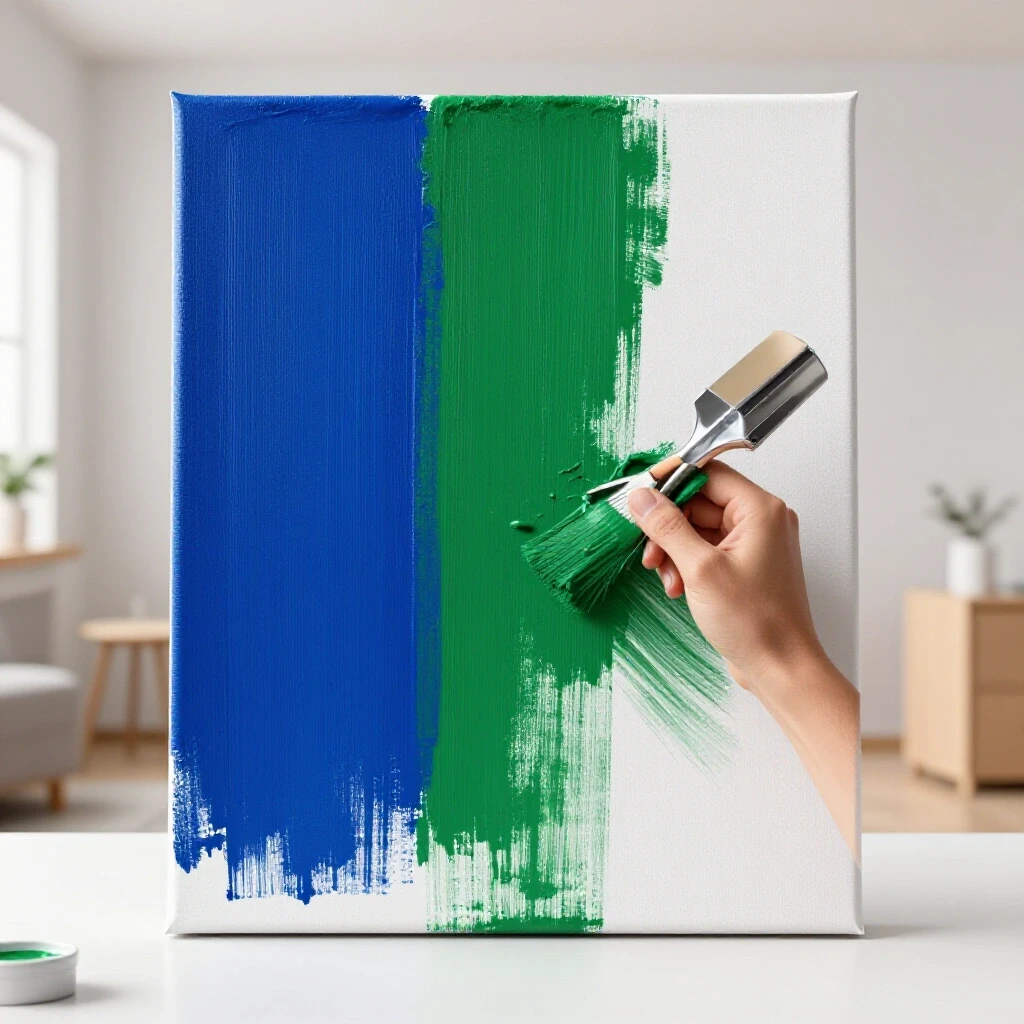
Integrating Visual Testing into Your Remodel Scope
Integrating finishing touches into the initial planning phase ensures that your visual goals align with your budget and timeline. When we talk about the scope of work—the detailed list of tasks a contractor must perform—we often focus on plumbing or electrical. However, the process of verifying your color choices must be written into that scope to avoid delays.
Why Tiny Paper Swatches Fail the Reality Test
Relying on tiny paper chips is a common error that fails to account for how light interacts with large surface areas. These chips are printed with ink, not actual paint, and they lack the texture of your specific walls. In a renovation, your wall’s texture—whether it is smooth new drywall or older plaster—will change how light bounces off the surface.
In my professional coordination work, I always insisted that clients move beyond the paper phase. We would use 12-inch by 12-inch adhesive samples or, preferably, actual liquid samples applied directly to the substrate. This transition from “idea” to “physical reality” is where most design errors are caught.
Understanding Light Reflectance Value (LRV)
Light Reflectance Value, or LRV, is a scale from 0 to 100 that measures the percentage of light a color reflects. A value of 0 is absolute black, and 100 is pure white. Most residential paints fall between 10 and 85.
Why does this matter for your budget? If you choose a color with a low LRV (a dark color) for a room with minimal natural light, you will likely need to increase your electrical budget for additional recessed lighting. Conversely, a high LRV paint can help a small bathroom feel larger without moving any walls. I always recommend checking the LRV on the back of the paint chip before buying a liquid sample.
The Technical Logic of On-Wall Color Evaluation
A structured approach to testing involves applying multiple shades to different walls to observe changes throughout the day. You cannot simply look at a color at noon and assume it will look the same at 6:00 PM. This is a process of elimination that saves you from the “color shock” that occurs when a project is 95% complete.
The Impact of Lighting on Visual Outcomes
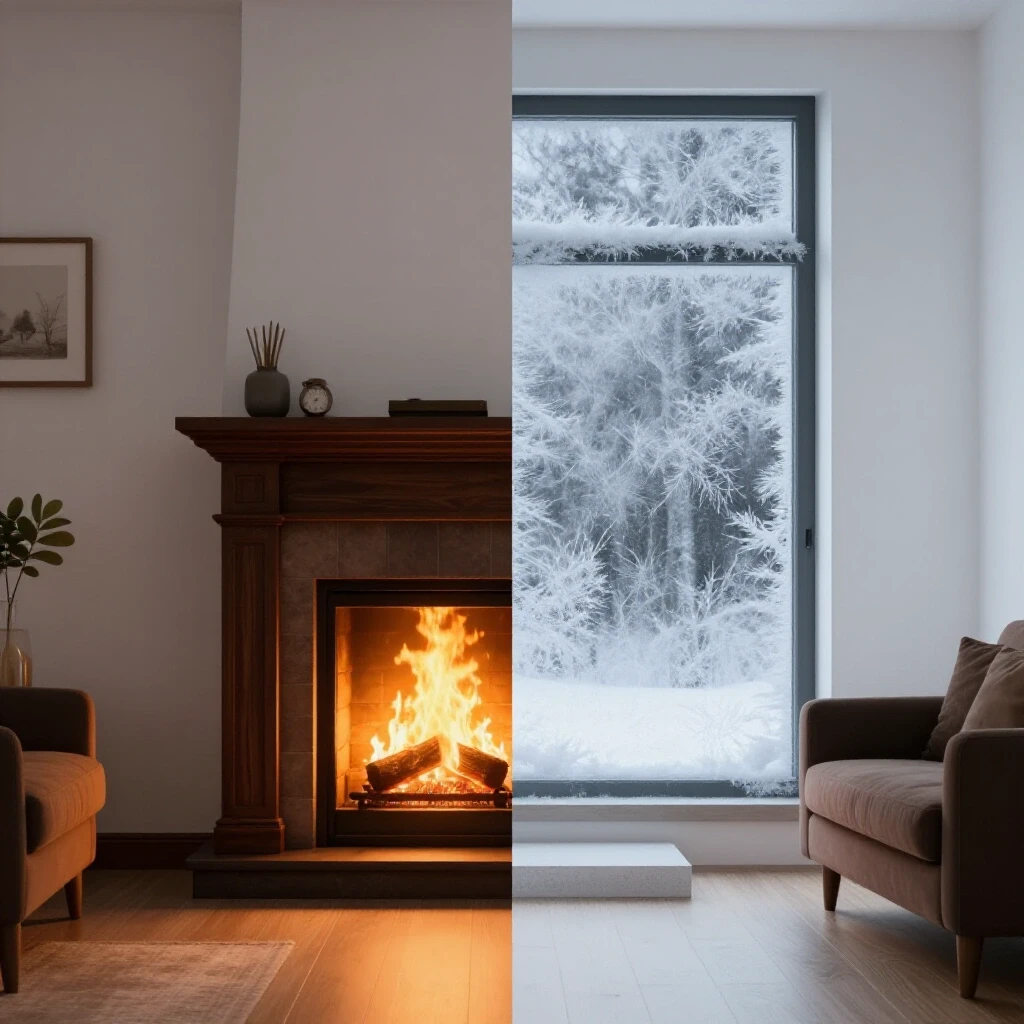
Natural and artificial light sources can drastically alter how a pigment appears, requiring observation across various timeframes. This is known as metamerism—the way a color looks different under different light sources. Your new LED recessed lights have a “color temperature” measured in Kelvins (K). A 2700K bulb produces warm, yellow light, while a 5000K bulb mimics bright daylight.
During a whole-house remodel I managed in 2019, the homeowner picked a beautiful sage green. Under the construction work lights, it looked perfect. But once the 3000K permanent fixtures were installed, the walls looked muddy and brown. We learned to always test colors under the final light bulbs intended for the space.
| Lighting Source | Effect on Paint Color | Recommended Action |
|---|---|---|
| North-Facing Windows | Cool, bluish tint; flattens colors. | Use warmer tones to balance the blue. |
| South-Facing Windows | Intense, warm light; can wash out pale colors. | Use cooler or more saturated hues. |
| 2700K LED Bulbs | Warm, yellow glow; enhances reds/yellows. | Test to ensure whites don’t look yellow. |
| 4000K LED Bulbs | Neutral, crisp light; most accurate color. | Best for kitchens and workspaces. |
Surface Preparation and Its Role in Color Accuracy
Proper wall prep, including cleaning and priming, ensures that the new pigment bonds correctly and reflects the intended hue. If you are painting over a dark navy wall with a light cream, the old color will “bleed” through and change the appearance of your sample.
I once saw a project where a contractor applied samples over dusty, unprimed drywall. The dust mixed with the wet paint, creating a gritty texture and a duller color. To get an accurate read, you must apply a primer first. This creates a “neutral ground” so the new color can show its true personality.
Scheduling and Sequencing the Testing Phase
Clear communication regarding the timeline for testing and final selection prevents delays and ensures the painting crew stays on track. Most homeowners wait too long to start this process. In a standard construction sequence, painting happens after the “rough-in” (plumbing and electrical inside walls) and drywall finishing are complete.
The Critical Path of Interior Finishes
The “critical path” is the sequence of project tasks that must be completed on time to prevent the finish date from sliding. If you haven’t finalized your colors by the time the drywallers are sanding their final coat, you are officially behind.
- Drywall Prime Coat: The entire room is primed.
- Sample Application: Apply your 2′ x 2′ test squares.
- Observation Period: 24 to 48 hours of viewing in different lights.
- Final Selection: Notify the contractor of the specific product and sheen.
- Procurement: Contractor orders the full volume of paint.
- Full Application: Two coats of the final color.
Avoiding Change Orders During the Finish Phase
Making final decisions before the crew arrives reduces the risk of expensive mid-project adjustments and labor disputes. A change order is a formal amendment to your contract that usually costs extra money. If the crew starts painting the “Living Room Blue” and you change your mind halfway through, you will likely pay for the wasted material and the additional labor hours.
According to RSMeans construction data, interior painting labor can range from $0.80 to $1.20 per square foot per coat. If you change your mind on a 1,500-square-foot area, that mistake could cost you over $1,500 in labor alone, plus the cost of new materials.
Estimating Costs and Allocating Contingencies
Budgeting for a remodel requires more than just looking at a contractor’s bid. You need to understand the underlying costs of materials and the “buffer” required for unexpected shifts. For interior painting, I recommend a 15% contingency fund specifically for finishing materials.
RSMeans-Derived Cost Estimations vs. Real-World Bids
RSMeans is the industry standard for estimating, but local market conditions vary. In my experience, homeowners often underestimate the cost of high-quality finishes.
- Sample Pints: $10–$25 each.
- Professional Labor: $2.50–$4.50 per square foot (includes prep and two coats).
- High-Quality Paint: $60–$90 per gallon (covers approx. 350 sq. ft.).
If you are doing a 12′ x 15′ bedroom with 8′ ceilings, you have roughly 432 square feet of wall space. A professional bid should fall between $1,080 and $1,944. If a bid is significantly lower, they may be skipping the essential prep work or using low-grade paint that requires more coats to achieve the desired look.
Managing Scope Creep in the Final Stages
Scope creep happens when small, “while you’re at it” requests add up to big budget overruns. “Can we just try this color on the ceiling too?” sounds simple, but it adds labor and material costs. To keep your budget under control, define exactly which surfaces are being tested and painted in your initial contract.
Practical Steps for Effective On-Site Testing
When you are ready to put brush to wall, don’t just slap paint anywhere. There is a strategy to where and how you apply your samples to get the most accurate results.
- Test Near Trim: Paint your sample right up against your baseboards or window casing. The contrast between the wall color and the trim color (usually white) is vital.
- Use Two Coats: One coat of paint is almost never the true color. Always apply two coats to your sample area, allowing proper drying time in between.
- Check the Corners: Paint a sample in a corner where two walls meet. This shows you how the color intensifies when it reflects off itself—a phenomenon called “color doubling.”
- Avoid “The Grid”: Don’t paint five different colors right next to each other. Your eyes will compare the colors to each other rather than the room’s environment. Space them out.
Lessons from the Field: Structural Surprises and Paint
Sometimes, the process of testing colors reveals deeper issues. During a bathroom remodel I oversaw, we applied a sample to a wall near the shower. As the paint dried, we noticed a strange bubbling.
Upon further investigation, we found hidden moisture behind the drywall caused by a slow leak in the mixing valve. If we hadn’t been paying close attention to that specific wall during the sampling phase, we might have painted over the problem, only to have mold grow six months later. Always use your sampling time to inspect the integrity of the wall surface.
Finalizing Your Decision with Confidence
Once you have narrowed it down to “the one,” verify the sheen. Flat paint hides imperfections but is hard to clean. Eggshell or satin is the standard for living areas, while semi-gloss is reserved for trim and bathrooms.
I recommend keeping a “Project Bible”—a binder or digital folder containing: 1. The exact paint brand and color name. 2. The product number and sheen level. 3. A photo of the mixing lid (which has the tint formula). 4. The date the final coat was applied.
This documentation is your best defense against future maintenance headaches. If you need a touch-up in two years, you won’t be guessing which “gray” you used.
Conclusion and Next Steps
The process of selecting and verifying interior colors is a small but mighty part of a successful remodel. It bridges the gap between your vision and the technical reality of your home’s lighting and structure. By treating this phase with the same rigor as your plumbing or electrical plans, you protect your investment and ensure a result you can live with for years.
To move forward with your project, start by identifying the primary light source in each room you plan to renovate. Purchase three liquid samples that vary slightly in LRV and tone. Apply them in 2-foot squares on at least two different walls in each room. Observe them over a full weekend before giving your contractor the green light. This simple discipline is the most effective way to avoid the stress of a mid-project color crisis.
Frequently Asked Questions
Why does the paint look different on the wall than on the store’s color card? Store cards are printed with ink on white paper, which has a different texture and “ground” than your walls. Additionally, the fluorescent lighting in big-box stores is much cooler and harsher than the lighting in a typical home, causing the pigments to shift visually.
How long should I let a sample dry before making a decision? Paint typically “cures” and reaches its true color after 24 to 48 hours. Many paints look darker when wet and shift as the moisture evaporates. Never judge a color until it is completely dry to the touch.
Should I paint my samples directly on the wall or on a board? Painting directly on the wall is best because it accounts for the wall’s actual texture. However, if you are testing many colors, using large foam-core boards allows you to move the sample around the room to see it in different corners without creating a “patchwork” of colors on your walls.
How much do professional paint samples usually cost? Most manufacturers sell small “sample pots” for between $10 and $25. While it feels like an extra expense, spending $60 on three samples is much cheaper than spending $1,500 to repaint a room because the first choice was wrong.
What is the best sheen for a kitchen or bathroom? Satin or semi-gloss is usually recommended for high-moisture areas. These sheens have a higher resin content, making them more resistant to water and easier to scrub without damaging the finish.
Can I skip priming if I’m using a “Paint + Primer” product? In a major remodel with new drywall or significant repairs, I always recommend a dedicated high-build primer. “Paint + Primer” products are fine for simple color changes on existing walls, but they don’t seal new drywall or block stains as effectively as a standalone primer.
How do I know if a color will make a room feel too small? Check the LRV (Light Reflectance Value). If the LRV is below 50, the color will absorb more light than it reflects, which can make a space feel “cozy” or “enclosed.” If you want a spacious feel, look for colors with an LRV of 60 or higher.
Does the color of my floor affect how the wall paint looks? Absolutely. Light reflects off the floor and onto the walls. If you have warm oak floors, they will “bounce” yellow light onto your walls. This is why you should always test your paint samples after your flooring is installed or while holding a large sample of your flooring next to the wall.
What should I do if I hate all the samples I’ve tried? Don’t panic. It usually means you are looking at the wrong “undertone.” If all your grays look blue, you need a gray with a yellow or brown base. Ask the paint store consultant for colors with “warm undertones” to counter the coolness of your room’s natural light.
How can I prevent my contractor from using a cheaper paint brand than we agreed on? Specify the exact brand and product line (e.g., “Sherwin-Williams Emerald” or “Benjamin Moore Aura”) in your written contract. Ask to see the empty cans at the end of the project to verify that the agreed-upon material was used.
(This article was written by one of our staff writers, David Langford. Visit our Meet the Team page to learn more about the author and their expertise.)