Heated Floor Installation Costs & Value: What Homeowners Should Know (Guide)

Imagine walking into your bathroom on a crisp October morning. Instead of the usual shock of cold tile under your bare feet, you feel a gentle, consistent warmth rising from the ground. It changes the way you start your day. However, as a project coordinator who has overseen dozens of these installations, I know that this comfort comes with a complex set of financial and logistical decisions.
In my eighteen years of residential renovation planning, I have seen homeowners face significant stress when they treat floor warming as an afterthought. It is not just a line item in a budget; it is a structural and electrical integration that requires precise timing. My goal is to help you navigate the costs and coordination required to bring this feature into your home without the typical budget-blowing surprises.
Evaluating the Financial Commitment for Radiant Floor Systems
Understanding the total financial outlay for underfloor warming involves calculating material costs, specialized labor, and the necessary subfloor preparation required for a successful installation. It is rarely as simple as the price tag on a box of heating mats.
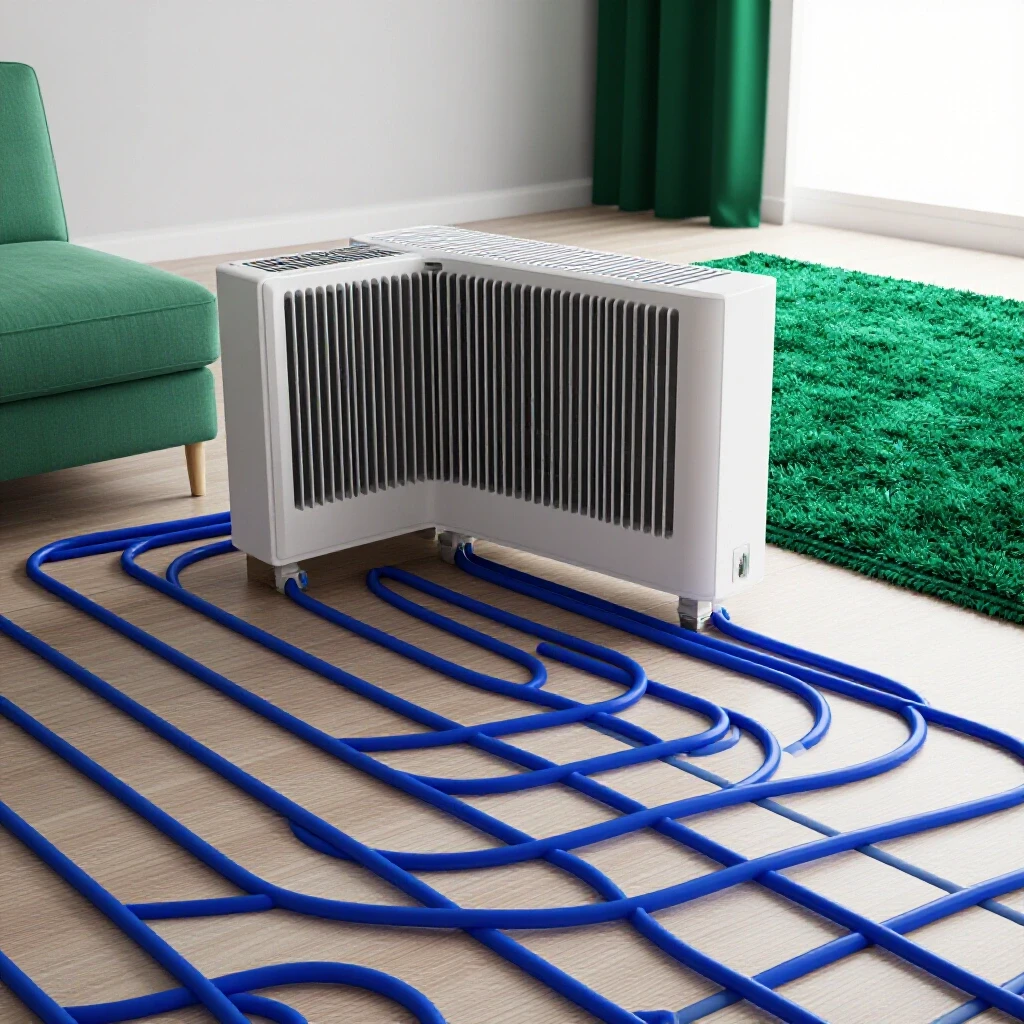
When I renovated my own kitchen five years ago, I used RSMeans data to estimate my costs, but I still encountered variations based on my local labor market. Generally, you should expect a wide range of pricing depending on whether you choose electric or hydronic systems. Electric systems are common for single-room remodels, while hydronic systems, which use heated water, are often reserved for whole-house projects due to the need for a boiler or water heater.
| Component | Estimated Cost (Per Sq. Ft.) | Real-World Bid Variance |
|---|---|---|
| Electric Heating Mats | $8.00 – $15.00 | +10% for custom shapes |
| Hydronic Tubing | $6.00 – $12.00 | Higher initial equipment cost |
| Professional Labor | $3.50 – $7.00 | Varies by region and complexity |
| Self-Leveling Underlayment | $2.00 – $4.00 | Essential for protecting wires |
| Digital Thermostats | $150 – $300 each | One per zone required |
In my experience, the biggest mistake homeowners make is forgetting the “hidden” costs of floor prep. If your subfloor is not perfectly level, the heating elements can fail or create hot spots. This preparation can add $500 to $1,500 to a standard bathroom remodel budget.
- Always include a 15–20% contingency fund specifically for subfloor repairs.
- Verify if your electrical panel can handle the additional load, as an upgrade can cost $2,000 or more.
- Factor in the cost of a dedicated circuit for each heated zone.
Strategic Construction Sequencing for Flooring Upgrades
Timing the installation of heating elements is critical; it must occur after structural changes are complete but before the final floor covering is laid to prevent damage to the sensitive components. This phase is often where projects stall due to poor contractor management.
In the world of construction sequencing, floor heating sits in a delicate spot. It happens after the “rough-in” phase—where pipes and wires are hidden in the walls—but before the finish phase. I once managed a project where the tile installer arrived two days early and began laying thin-set over the heating wires before the electrician had finished the final testing. We had to stop the work, which delayed the entire kitchen remodel by a week.
- Structural Inspection: Ensure the floor joists are rigid enough to prevent tile cracking.
- Electrical Rough-in: Run dedicated lines from the breaker panel to the thermostat location.
- Subfloor Prep: Clean, level, and prime the surface.
- Element Layout: Lay the mats or tubing, ensuring they do not overlap.
- Resistance Testing: Use a multimeter to check for breaks in the circuit before covering.
- Embedding: Apply self-leveling compound or thin-set over the elements.
- Final Flooring: Install tile, stone, or engineered wood.
By following this critical path, you minimize the risk of a “change order,” which is a formal document used to change the original scope of work and usually increases the price.
Why Subfloor Conditions Dictate Your Final Expenses
The state of your existing floor joists and plywood often determines if a heating system is feasible or if costly structural reinforcements are needed to support the extra weight and height. This is where many home remodeling tips fail to mention the “unseen” structural integrity.
During a master bath renovation I coordinated three years ago, we pulled up the old linoleum only to find significant water rot around the toilet flange. This discovery added four days to the schedule and $1,200 in unplanned structural repairs. If we had ignored the rot and installed the heating system over it, the floor would have eventually sagged, snapping the heating wires and ruining the entire investment.
- Deflection Limits: Tile and stone require a very stiff floor. If your joists bounce, the heating wires can break.
- Moisture Barriers: In basements, you must ensure no moisture is seeping through the slab, as this can damage electric components.
- Height Considerations: Adding heating elements and self-leveler can raise the floor height by 1/4 to 1/2 inch. This may require trimming doors or installing transition strips to adjacent rooms.
Navigating Contractor Agreements and Payment Milestones
A well-structured contract protects you from disputes by clearly defining the scope of work, material specifications, and a payment schedule tied to verified installation milestones. This is the cornerstone of any professional contractor management guide.
I always advise my clients to never pay more than 10% or $1,000 (whichever is less) as a down payment, depending on local laws. For a floor heating project, your payment schedule should be tied to “quality-control benchmarks.” For example, do not release the final payment for the flooring until you have seen the system powered on and verified with a thermal camera or a simple touch test.
- Milestone 1: 10% Deposit upon signing the contract.
- Milestone 2: 30% After subfloor prep and electrical rough-in are complete.
- Milestone 3: 30% After the heating elements are installed and resistance-tested.
- Milestone 4: 30% After the final flooring is laid, the system is operational, and a lien waiver is signed.
A lien waiver is a legal document where the contractor confirms they have been paid and waives their right to put a lien on your property. This is vital for protecting your financial interests.
Managing Change Orders and Budget-Blowing Surprises
A change order is a written agreement to modify the original construction contract, often resulting in a higher price or a longer timeline. Managing these effectively is the difference between a successful remodel and a financial disaster.
In residential renovation planning, the most common change order for floor heating involves “outdated wiring.” In older homes, we often find that the existing electrical panel is full. Adding a 15-amp or 20-amp circuit for a heated floor requires a new breaker. If the panel is obsolete, you are looking at a mandatory upgrade to meet modern building standards.
| Potential Surprise | Estimated Cost Impact | Action Plan |
|---|---|---|
| Electrical Panel Upgrade | $1,800 – $3,500 | Check panel capacity during the design phase. |
| Subfloor Leveling | $500 – $1,200 | Include a “leveling allowance” in the initial bid. |
| Mold or Rot Discovery | $1,000 – $5,000 | Use a structural inspection checklist before buying materials. |
| Lead Time Delays | $0 (Time cost) | Order thermostats and mats 4-6 weeks in advance. |
To stay on track, use a project management tool or a simple spreadsheet to track every dollar spent. If a contractor suggests a change, ask for the cost in writing before the work begins.
Real-World Lessons from Post-Occupancy Evaluations
A post-occupancy evaluation is a systematic process of evaluating a building after it has been occupied, focusing on how well it meets the needs of the users. Looking back at my own projects, the feedback is remarkably consistent.
Most homeowners report that they do not regret the financial investment, but they do regret skipping certain areas. For instance, I once had a client who only heated the center of their bathroom floor. They soon realized that the area in front of the vanity remained ice-cold, creating an uncomfortable “thermal bridge.”
- Map the Layout: Ensure the heating elements reach within 6 inches of all walls and fixtures.
- Programmable Controls: Use a thermostat that “learns” your schedule. It takes time for floors to heat up, so they should turn on an hour before you wake up.
- Sensor Placement: Ensure the floor sensor is placed exactly between two heating wires, not touching them, to get an accurate reading.
Interestingly, homeowners who invested in high-quality insulation beneath the heating elements reported much higher satisfaction levels. Without insulation, a significant portion of the heat can escape downward into the subfloor or crawlspace rather than rising to your feet.
Essential Tools for Tracking Your Renovation
Managing a remodel requires more than just a hammer and nails; it requires digital and organizational tools to keep the project on a “critical path.” This path is the sequence of stages that determines the minimum time needed to complete the project.
- HomeZada or CoConstruct: These apps help you track budgets, store receipts, and manage schedules.
- Digital Multimeter: A tool used to measure electrical resistance. Your contractor must use this to test the floor heating before, during, and after installation.
- Thermal Imaging Camera: You can rent these or buy a smartphone attachment. It allows you to see the heat patterns under your floor to ensure there are no “dead zones.”
- RSMeans Data Online: Use this to verify that your contractor’s quotes are within the national average for your zip code.
By using these tools, you move from being a passive observer to an active project manager of your own home.
Final Reflections on the Value of Floor Warmth
After eighteen years in this industry, I have seen many trends come and go. However, the move toward integrated floor warmth remains one of the most requested upgrades in high-end remodels. It is a feature that adds “perceived value” to a home, which can be a significant factor when it comes time to sell.
The key to a successful outcome is not just having the money to spend; it is having the discipline to plan. You must vet your contractors, insist on written contracts, and maintain a healthy contingency fund. When you finally step onto that warm floor, you want to feel the comfort of a job well done, not the stress of a budget that spiraled out of control.
FAQ: Common Questions About Floor Heating Investments
How long does it typically take to install a floor heating system during a bathroom remodel? The actual laying of the heating mats or tubing usually takes one day. However, the entire process—including electrical rough-in, self-leveling compound curing, and tile installation—adds about three to five days to a standard renovation schedule.
Can I install these systems under any type of flooring? While tile and stone are the most efficient conductors of heat, many modern systems are compatible with engineered wood, laminate, and even some luxury vinyl planks (LVP). Always check the manufacturer’s temperature limits for the specific flooring material you choose.
What is the most common reason these systems fail? The primary cause of failure is physical damage to the heating wire or tube during the installation of the final floor covering. Using a “LoudMouth” alarm or a multimeter during the tile-setting process can alert the installer immediately if a wire is nicked or cut.
Should I choose electric or hydronic heating for a single room? For a single room like a kitchen or bathroom, electric systems are almost always the better choice. They are easier to install in a localized area and do not require the complex plumbing and boiler integration that hydronic systems demand.
How do I know if my contractor is qualified to install this? Ask for references specifically for radiant floor projects. A qualified contractor should be familiar with resistance testing and should be willing to provide the “ohm readings” taken during the installation as part of the project documentation.
Does floor heating replace the need for a standard heater? In many cases, no. While it provides excellent supplemental warmth and comfort, it may not have the BTUs required to be the sole heat source in very cold climates or poorly insulated rooms. It is best viewed as a comfort upgrade rather than a primary heating solution.
What happens if the heating system breaks under the tile? This is every homeowner’s fear. If a break occurs, specialized thermal imaging can locate the exact spot of the failure. A single tile can be removed, the wire repaired with a splice kit, and the tile replaced. It is invasive but not a total loss.
Are there specific building codes I need to worry about? Yes, most regions require a dedicated circuit for the heating system and a GFCI (Ground Fault Circuit Interrupter) protected thermostat. Always ensure your electrician pulls the necessary permits for this work.
How much height will a heated floor add to my room? Expect an increase of 1/4 to 1/2 inch. This includes the heating element and the layer of thin-set or self-leveler used to cover it. This may require you to adjust the height of your baseboards and door casings.
Is it worth the cost for a guest bathroom? This depends on your budget, but most homeowners find the highest return on enjoyment in the master bathroom or kitchen—places where they spend the most time in the morning. For a guest bath, it may be an unnecessary expense unless you frequently host visitors.
What is the average lifespan of an electric floor heating system? Most high-quality systems are designed to last 20 to 30 years, often outlasting the flooring material itself. Because there are no moving parts, there is very little that can go wrong once the system is successfully embedded in the floor.
Can I use a smart home system to control my heated floors? Yes, most modern thermostats for these systems are Wi-Fi enabled and can be integrated with platforms like Alexa, Google Home, or dedicated smartphone apps, allowing you to adjust the temperature remotely.
(This article was written by one of our staff writers, David Langford. Visit our Meet the Team page to learn more about the author and their expertise.)