How to Set Up a Temporary Bathroom That Works (Step-by-Step)

During my eighteen years as a construction project coordinator, I have seen many homeowners reach a breaking point. It usually happens around day fourteen of a bathroom remodel. The excitement of the demolition has faded, and the reality of brushing your teeth in the kitchen sink over a pile of dirty dishes sets in. I learned this lesson the hard way during my own first home renovation. I underestimated the “rough-in” phase—the period when the walls are open and the pipes are being moved. We went three weeks without a functioning shower. That experience taught me that a successful renovation isn’t just about the final tile choice; it is about how you live while the work is happening.
Planning the Interim Sanitation Strategy for Your Home
A sanitation strategy is the logistical plan for maintaining hygiene and comfort when your primary facilities are offline. This involves identifying which rooms can serve as backup zones and determining how to handle water and waste without using permanent fixtures. It requires a clear timeline of when your main water lines will be capped.
In residential renovation planning, the biggest mistake is assuming the “outage” will only last a few days. According to data from project management logs, a standard bathroom gut-remodel often leaves a household without a toilet or shower for 10 to 21 days. This depends on the complexity of the plumbing rough-in and the speed of inspections. I always advise my clients to look at their construction sequencing. If the plumber is scheduled for Monday, do not assume you will have a working toilet by Wednesday.
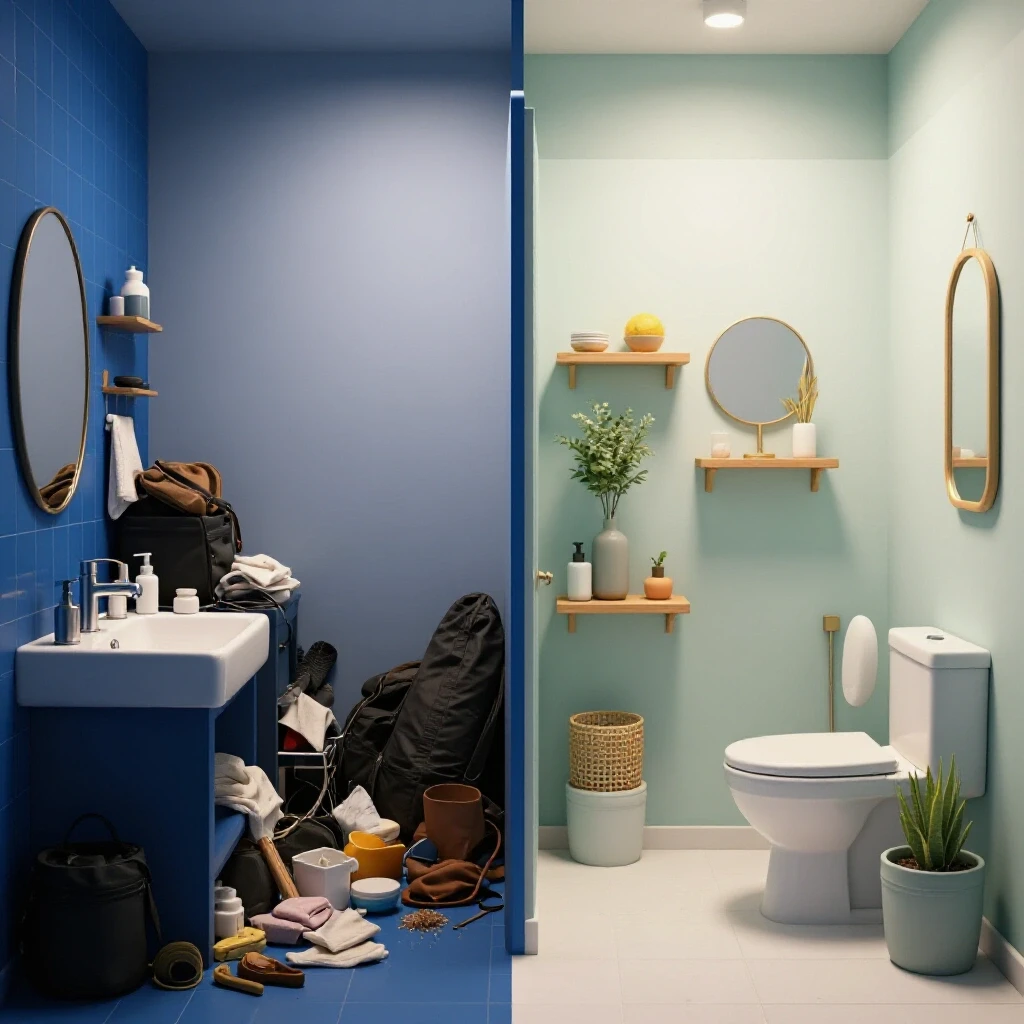
To avoid a crisis, you must designate a “clean zone” far from the dust of the construction site. This area should have easy access to a secondary water source, like a laundry tub or a kitchen sink. When I coordinated a whole-house remodel in a 1940s colonial, the owners set up a modular hygiene station in their finished basement. This kept them from having to walk through a construction zone in their bathrobes every morning.
- Identify the exact dates of the plumbing “cut-off.”
- Map out a path to the nearest functioning sink or toilet.
- Establish a “dust-free” perimeter around your backup hygiene area.
- Verify the lead times for subcontractors to ensure the outage does not stretch.
Budgeting for Non-Permanent Hygiene Facilities
Budgeting for interim facilities involves allocating funds for portable equipment and supplies that bridge the gap during construction. This includes the cost of portable toilets, temporary privacy screens, and modular storage for toiletries. These costs are often overlooked in initial estimates but are essential for preventing “renovation fatigue.”
When looking at a kitchen remodel budget or a bathroom estimate, homeowners often focus only on the materials and labor. However, based on RSMeans construction estimating resources, “General Conditions”—which include temporary facilities—can account for 5% to 10% of a total project budget. If you are doing the work yourself, you still need to account for these costs to avoid blowing your contingency fund.
I once managed a project where the homeowner spent their entire 15% contingency on a luxury vanity, only to realize they had no money left to rent a portable restroom when the main sewer line needed replacement. We had to pause the project for a week. Below is a breakdown of how these costs typically compare to other options.
| Option | Estimated Cost (2 Weeks) | Pros | Cons |
|---|---|---|---|
| Hotel Stay | $1,800 – $3,500 | Full amenities, no dust | Very expensive, commute |
| Portable Toilet Rental | $150 – $300 | Reliable waste management | Cold in winter, lacks privacy |
| DIY Interim Station | $200 – $500 | Privacy, cost-effective | Requires manual setup/cleanup |
| Gym Membership | $50 – $100 | High-end showers | Inconvenient for night use |
Essential Components for a Functional Makeshift Wash Zone
A makeshift wash zone is a temporary area equipped with portable fixtures that mimic the utility of a standard bathroom. It uses non-permanent solutions like gravity-fed water jugs, basin-style sinks, and portable toilets. The goal is to provide a space for daily routines like washing your face, shaving, or using the restroom without needing fixed plumbing.
To make this work, you need three things: water access, waste disposal, and privacy. For water, I recommend using five-gallon jugs with a battery-operated pump. This provides a steady stream for washing hands or brushing teeth. For waste, a simple “dry” portable toilet used in camping can be a lifesaver. These units use chemicals or sawdust to manage odors, making them suitable for indoor use if placed in a well-ventilated area.
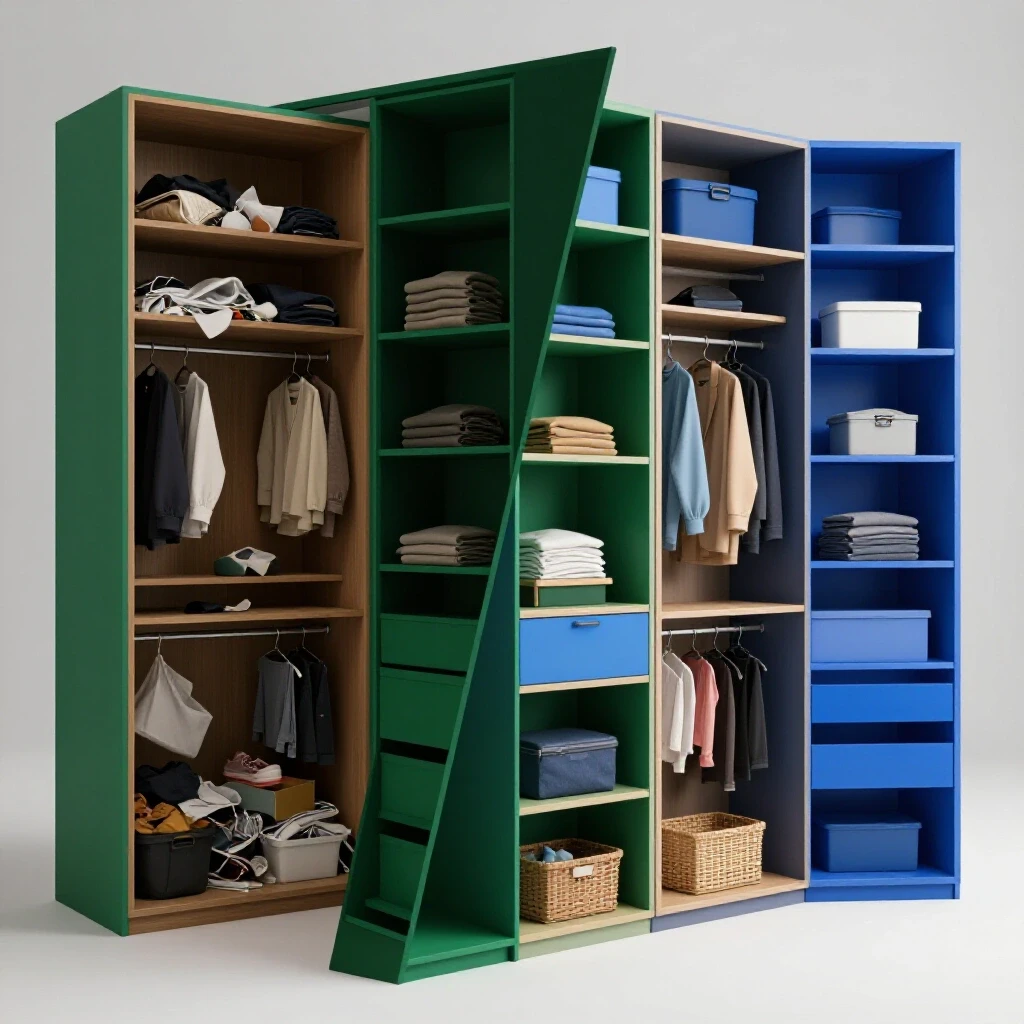
In my second personal renovation, I used modular shelving to create a temporary vanity. I placed a large plastic basin on the top shelf to catch water and used the lower shelves for towels and toiletries. This kept our daily items organized and off the floor. It is important to remember that this is about function, not aesthetics.
- Use a sturdy table or modular shelf as a temporary vanity.
- Incorporate a battery-powered faucet for hands-free water flow.
- Place a large bucket under the basin to collect “gray water” for disposal.
- Keep a dedicated stock of biodegradable wipes and dry shampoo.
Maintaining Privacy and Comfort During the “Rough-In” Phase
Privacy management involves using temporary barriers to create a secluded space for hygiene within an open area of the home. This often uses tension rods, heavy curtains, or folding screens to block sightlines. Comfort is maintained through portable lighting and climate control, ensuring the space remains usable regardless of the construction environment.
The “rough-in” phase is when the structural inspection checklists are most active. Contractors will be moving in and out of your home. If your backup wash zone is in a hallway or a corner of the bedroom, you need a way to shut out the world. I have found that heavy, floor-to-ceiling curtains are better than folding screens. They block more light and provide a psychological sense of being in a “real” room.
Lighting is another critical factor that people forget. Construction zones are often dark because the power is cut to certain circuits. I suggest using rechargeable LED work lights or motion-sensor puck lights. They are inexpensive and can be moved wherever you need them. During a project I coordinated in a high-rise condo, we used these lights to guide the family to their makeshift station at night, preventing trips and falls over construction debris.
- Install tension rods in doorways to hang heavy, opaque curtains.
- Use a white noise machine to drown out the sound of power tools.
- Place a small space heater or fan in the zone to maintain temperature.
- Set up a mirror with an adhesive backing at eye level.
Coordinating with Contractors to Minimize Service Gaps
Contractor coordination is the process of scheduling trades like plumbers and electricians to ensure that essential services are restored as quickly as possible. This involves clear communication about “critical path” milestones—the specific tasks that must be finished before the water can be turned back on. It helps prevent unexpected delays that extend the time you rely on temporary setups.
A common “rookie mistake” is not asking the plumber for a specific window of time for the water shut-off. I always tell homeowners to get a written schedule. If the plumber says the water will be off for two days, plan for four. This is called “project schedule float time.” It acts as a buffer for the unexpected structural surprises, like finding rotted floor joists once the tub is pulled.
During a master bath remodel I oversaw, we discovered outdated wiring that didn’t meet modern residential building codes. This added three days to the timeline. Because the homeowners had a robust interim hygiene plan, the delay was a minor annoyance rather than a household emergency. They didn’t have to scramble for a hotel because their makeshift station was already prepared for a long-term stay.
- Request a “critical path” schedule from your general contractor.
- Ask for a 24-hour notice before any total water shut-off.
- Verify that all materials (tile, fixtures, valves) are on-site before demolition begins.
- Establish a daily “check-in” to confirm the timeline for service restoration.
Managing Waste and Gray Water Disposal Safely
Waste management in a temporary context refers to the safe and sanitary disposal of both human waste and “gray water” (used soapy water). This requires following basic hygiene protocols to prevent odors and bacterial growth inside the home. It is a vital part of site management that keeps the living environment healthy during a messy renovation.
Gray water from washing your face or hands should not be poured down a toilet that is out of commission. Instead, I recommend dumping it into a utility sink or an outdoor drain. If you are using a chemical portable toilet, you must follow the manufacturer’s instructions for emptying it. Usually, this means taking the waste tank to a designated dump station or a functioning toilet in another part of the house.
In my 18 years of oversight, I have seen how quickly a renovation site can become unsanitary. I recommend a strict “daily clear” rule. Empty all waste buckets and refresh your water jugs every evening. This prevents the “construction smell” from taking over your living quarters. It also gives you a sense of control over a chaotic environment.
- Label buckets clearly as “Clean Water” and “Waste Water.”
- Use tight-fitting lids on all waste containers to prevent spills.
- Empty chemical toilets every 2 to 3 days, regardless of use level.
- Keep a spray bottle of disinfectant and a roll of paper towels at the station.
Post-Occupancy Evaluation: What Worked and What Didn’t
A post-occupancy evaluation is a review of how well your temporary solutions served your needs during the renovation. It helps you identify which parts of your plan were successful and which caused unnecessary stress. This reflection is valuable if you plan to tackle more projects in the future, such as a kitchen or a second bathroom.
After my own home was finished, I sat down and looked at my notes. The portable shower bag I bought was a failure—it was too heavy to hang safely and didn’t hold enough heat. However, the modular shelving vanity was a huge success. We ended up moving those shelves to the garage afterward, so the investment wasn’t wasted.
Most homeowners find that they can handle a lot of dust and noise if their basic hygiene needs are met. The stress of a remodel often comes from the loss of routine. By creating a functional, non-permanent space for your morning and evening rituals, you protect your mental health and your relationships with the people you live with.
- Review your “General Conditions” spending to see if you stayed on budget.
- Note which portable fixtures were worth the money and which were not.
- Assess if the location of your makeshift station was convenient.
- Share your findings with friends or neighbors who are planning their own remodels.
Frequently Asked Questions About Interim Hygiene Setups
How long can I realistically live with a makeshift wash zone? Most people can comfortably manage for 10 to 14 days. Beyond two weeks, the lack of a full shower or a standard toilet begins to cause significant “renovation fatigue.” If your project is scheduled for longer, consider a hybrid approach where you stay with family or in a hotel for the most intensive “rough-in” days.
Is it safe to use a portable camping toilet inside my bedroom? Yes, if you use a high-quality chemical toilet or a composting model. These are designed to be leak-proof and odor-resistant. However, you must ensure the room is ventilated and that you empty the waste tank frequently. I recommend placing the unit on a waterproof mat to protect your flooring.
How do I handle showering if my only bathroom is being gutted? The most effective solutions are a gym membership, a portable outdoor shower (if weather permits), or a “sponge bath” station at your makeshift vanity. Some homeowners also rent “shower trailers,” though these can be expensive and require a flat parking space and a water hookup.
What is the best way to keep construction dust out of my temporary hygiene area? Use heavy-duty plastic sheeting with “zip” entries to seal off the construction zone. Also, change your HVAC filters weekly during the project. I suggest placing a damp “tacky mat” at the entrance of your hygiene zone to catch dust from the bottom of your shoes.
How much water should I store for a daily routine? A typical adult uses about 1 to 2 gallons of water per day for basic hygiene (not including showering). For a family of four, I suggest keeping at least four 5-gallon jugs on hand. This ensures you have a two-day supply in case you cannot refill them immediately.
Can I use my kitchen sink for all my bathroom needs? While possible, it is not ideal for hygiene or sanitation reasons. If you must use the kitchen sink, ensure you disinfect it thoroughly between “bathroom” use and food preparation. It is better to set up a separate, dedicated basin in a different area of the house.
What should I do if my contractor hits a major delay? First, refer to your contract regarding “liquidated damages” or schedule guarantees. Then, assess your interim setup. If the delay is more than a week, you may need to upgrade your temporary facilities, such as renting a high-end portable restroom or booking a short-term rental.
How do I manage the cost of these temporary items? Look for items that have a “second life.” For example, modular shelving can go into a closet later, and a portable power station can be used for camping or emergency kits. This prevents the money spent on the interim phase from being a total loss.
Are there any “hidden” costs I should watch out for? The biggest hidden cost is the disposal of waste and the purchase of specialized chemicals or liners for portable toilets. Also, factor in the cost of extra laundry if you are using more towels for sponge baths than you would for a standard shower.
How do I explain the setup to my kids or elderly family members? Be honest and frame it as a “home camping” adventure. For elderly family members, ensure the temporary station is well-lit and has stable seating. Avoid any setup that requires stepping over high barriers or walking long distances at night.
What is the “one thing” most people forget in a temporary setup? A place to hang wet towels. Without a proper towel bar, wet towels end up on chairs or beds, leading to dampness and odors. A simple over-the-door hook or a portable drying rack is a small but vital addition to your plan.
(This article was written by one of our staff writers, David Langford. Visit our Meet the Team page to learn more about the author and their expertise.)