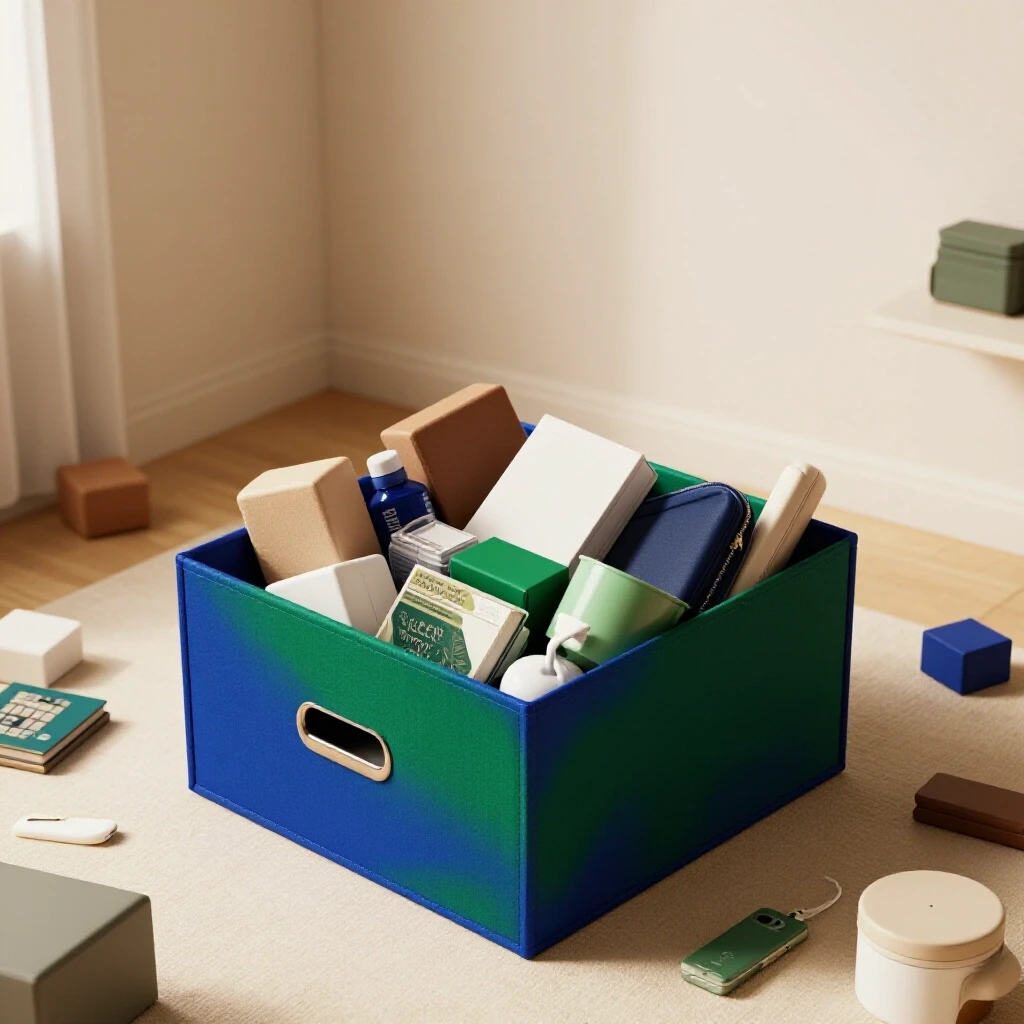
How to Organize Toys and Storage for Kids at Home All Summer (Guide)

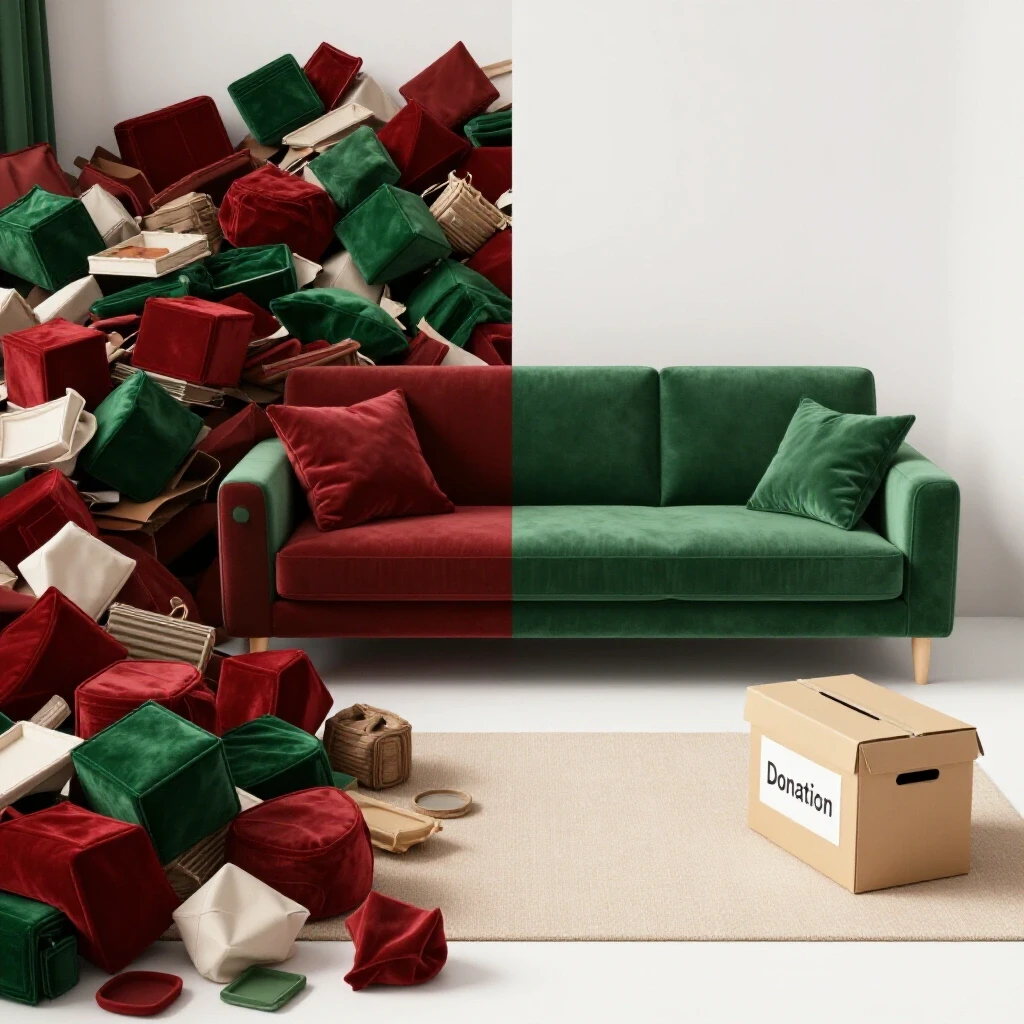
It is a strange law of physics that a single plastic brick left on a living room rug has the gravitational pull of a small planet. Within twenty minutes, that one brick will attract three more, a stray sock, and a half-finished puzzle. When the whole family is home for long stretches during the warmer months, this “clutter gravity” accelerates until every flat surface is buried.
I have spent over a decade managing logistics and operations, but my biggest professional challenge happened in my own living room. I realized that my home was failing not because we were messy, but because our home organization systems were designed for a museum, not a family. We had beautiful, lidded boxes tucked inside cabinets that looked great for photos but were impossible to maintain when the kids were home all day. Every time a child wanted to play, they had to move three boxes to find one toy. When it was time to clean up, the “retrieval friction” was so high that the items just stayed on the floor.
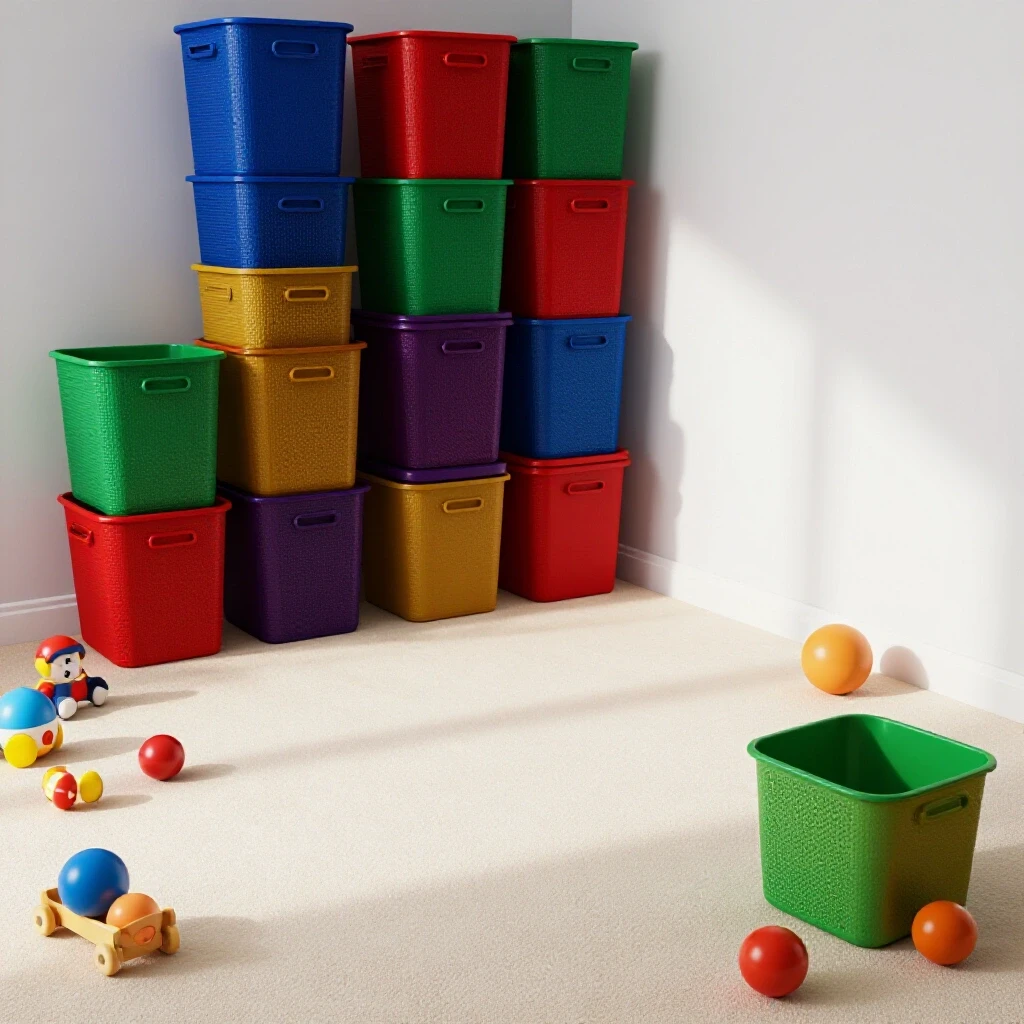
Sustainable decluttering isn’t about having fewer things; it is about managing the flow of those things. In logistics, we look at “throughput”—how fast an item moves from arrival to storage to use. When kids are home 24/7, your home’s throughput triples. If your storage solutions for families aren’t built for speed, the system collapses. My family’s turning point came when we stopped trying to be “neat” and started trying to be “efficient.” We redesigned our space to reduce the number of steps it took to put something away, and the mental fatigue finally began to lift.
The Psychology of Spatial Chaos and Visual Overload
Visual complexity refers to the number of individual elements a person perceives in their environment at once. High visual complexity in a home can lead to increased cortisol levels and reduced focus, particularly when a space serves multiple purposes like a living room that doubles as a playroom during long indoor days.
When our eyes scan a room filled with scattered items, our brains are forced to process each object as a “task” that needs completing. This is why you feel tired just looking at a messy room. Research in environmental psychology suggests that “visual noise” competes for our cognitive resources. For a parent trying to work from home while kids are playing nearby, this noise makes it harder to concentrate and easier to feel frustrated.
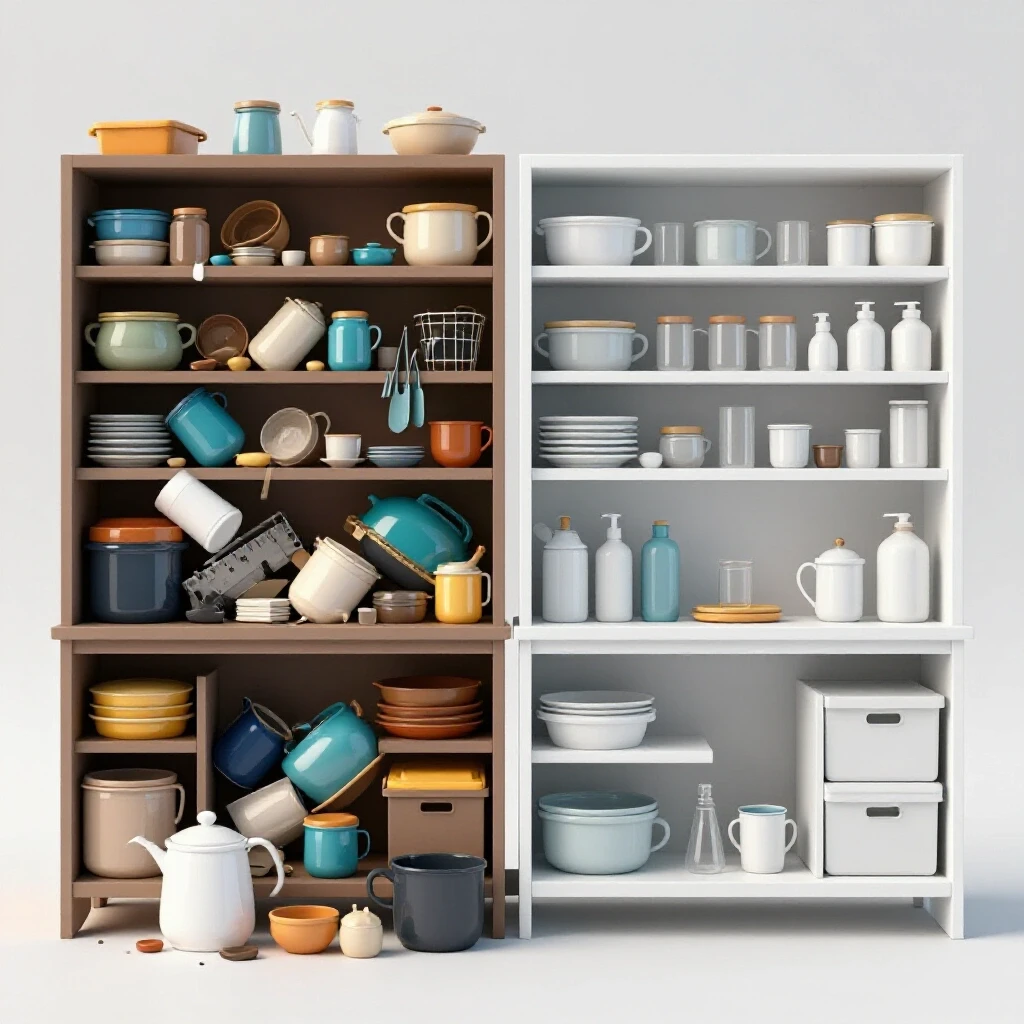
In my own home, I noticed that my stress levels peaked around 3:00 PM. This wasn’t a coincidence; it was the point in the day where the “item density” exceeded our home’s storage capacity. We were experiencing a “spatial bottleneck.” To fix this, we had to understand the difference between visual organization (making things look pretty) and functional organization (making things easy to use).
Why High-Friction Systems Fail During High-Occupancy Periods
Retrieval friction is the amount of physical and mental effort required to get an item out or put it away. High-friction systems involve lids, stacked boxes, or items stored behind other items. During seasons of heavy indoor use, these systems are the first to break because they require too many “touches” to maintain.
I once installed a beautiful set of matching bins with tight-fitting lids on a high shelf. It looked like a magazine cover. Within four days, the floor was covered in toys again. Why? Because my five-year-old couldn’t reach the shelf, and even if he could, he couldn’t get the lids off easily. The friction was too high. We had built a system that ignored the “user’s” physical capabilities.
In logistics, we try to minimize “touches.” Every time someone has to move an object to get to another object, that is a touch. For a functional home storage setup, you want a “one-touch” or “two-touch” system. If it takes five touches to put a toy away, it will stay on the rug.
| Storage Type | Friction Level | Steps to Store | Sustainability Score |
|---|---|---|---|
| Open Bins (Floor Level) | Low | 1 (Drop) | 95% |
| Clear Bins (No Lids) | Low | 1 (Drop) | 90% |
| Lidded Totes (Stacked) | High | 4 (Unstack, Open, Place, Restack) | 20% |
| Behind Cabinet Doors | Medium | 2 (Open Door, Place) | 60% |
| High Shelves | Very High | 3+ (Get Stepstool, Reach, Place) | 10% |
Mapping Your Home: The Hub and Spoke Model
Zoning is a spatial management strategy that assigns specific functions to different areas of a home to prevent “category drift.” By creating a central “Hub” for main storage and “Spokes” for active play, families can contain the mess to predictable zones rather than letting it spread.
When kids are home all day, the entire house can feel like one big toy box. To stop this, I applied a “Hub and Spoke” logistics model. The “Hub” is where the bulk of the items live—perhaps a dedicated shelving unit in a playroom or a specific closet. The “Spokes” are the areas where the items are actually used, like the living room rug or the kitchen table.
The key to reducing household clutter is ensuring that the “Spokes” only hold what is currently being used. We use small, portable “activity kits” that move from the Hub to the Spoke and back. This prevents the “inventory” from piling up in the wrong location.
Creating High-Efficiency Activity Zones
Zoning principles require looking at the “Prime Real Estate” of your home—the area between a child’s waist and eye level. Items placed in this zone are used most frequently, while items placed above or below are used less often. This is a standard ergonomic principle used in warehouses to speed up picking times.
In our home, we mapped out our main living area into three distinct zones: 1. The Active Zone: Floor-level open bins for daily-use items. 2. The Secondary Zone: Shelves for items that require adult supervision or are used less often. 3. The Deep Storage Zone: High shelves or closets for seasonal items or toy rotations.
By aligning the height of the storage with the height of the user, we reduced the “sorting time” for our kids. They no longer needed to ask for help to find things, and they didn’t need help putting them back. This simple shift in spatial ergonomics cut our daily cleanup time by 15 minutes.
The Inflow and Outflow Sorting Framework
Inflow/Outflow control is a method of managing the total volume of items in a home by ensuring that for every new item that enters a space, an old item must leave. This prevents “volume creep,” where the amount of stuff slowly exceeds the available storage capacity of the room.
We often think that more storage bins will solve our clutter problem. In reality, more bins usually just lead to more stuff. During the summer, when kids are home and active, the “inflow” of items—crafts, new toys, random rocks from the yard—increases. If you don’t have an “outflow” system, the home will revert to chaos regardless of how many bins you buy.
I use a “Decluttering Sorting Log” to track our progress. We don’t aim for a massive overhaul every weekend. Instead, we do “micro-sorts.” If a bin is getting too full to easily see what’s inside, it has reached its “spatial capacity limit.” This is the signal that it’s time to trigger an outflow event.
Decluttering Sorting Log: A Practical Metric
| Category | Initial Volume (Bins) | Sorting Time (Mins) | Items Removed | Final Space Utilization |
|---|---|---|---|---|
| Building Blocks | 3 | 10 | 15% (Broken/Unused) | 80% |
| Art Supplies | 2 | 15 | 40% (Dried markers/Scraps) | 50% |
| Action Figures | 4 | 12 | 20% (Donated) | 75% |
| Puzzles/Games | 5 | 20 | 10% (Missing pieces) | 90% |
The goal is to keep space utilization around 75-80%. Once a bin is 100% full, the friction to put things away becomes too high. You have to “stuff” things in, which leads to frustration and eventually, items being left on the floor.
Selecting Sustainable Storage Solutions for Families
Functional home storage depends on choosing hardware that matches the behavior of the people living in the house. This means prioritizing visibility, durability, and ease of access over aesthetic trends. Low-maintenance systems use containers that allow users to see contents at a glance and reach them without moving other objects.
In my 11 years of spatial management, I’ve seen many families fail because they chose “opaque” storage. Opaque bins are “out of sight, out of mind.” For kids, if they can’t see it, it doesn’t exist. This leads to them dumping out every bin just to find one specific toy.
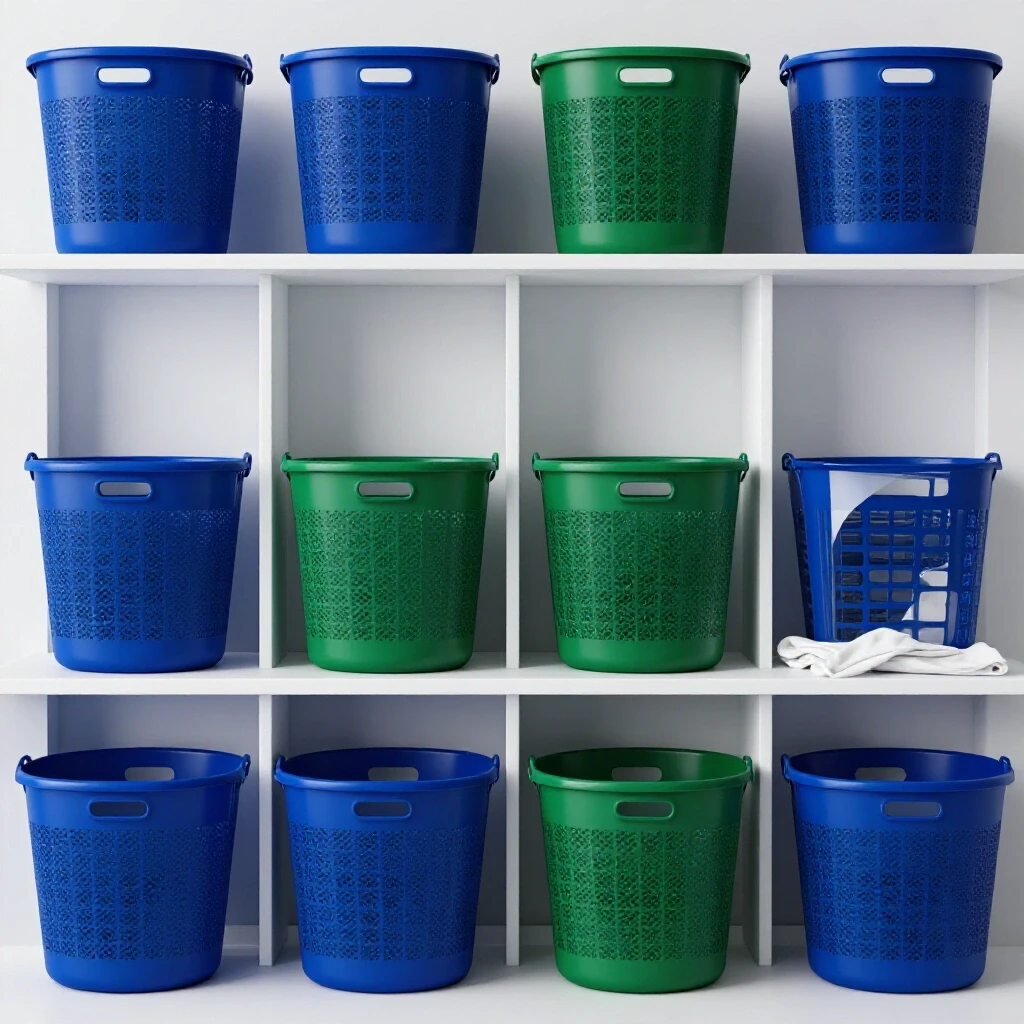
We switched to clear, heavy-duty plastic bins and open-top baskets. The difference was immediate. The “searching time” dropped, and because the bins were open, the “putting away” motion was a simple drop rather than a complex sequence of opening and closing.
Reducing Retrieval Friction with Smart Labeling
Labeling is a communication tool that tells the brain where an object belongs before the hand even moves. For pre-readers, visual labels (pictures) are essential. For adults, labels prevent the “decision fatigue” of wondering which bin a specific item belongs in.
- Visual Labels: Use a small photo or icon of the item (e.g., a picture of a car for the car bin).
- Color-Coding: Assign a color to each child or each category of item.
- Digital Inventory: For deep storage items, use a simple QR code on the box that links to a list of contents on your phone.
- Zone Mapping: Post a small “map” of the playroom on the back of the door so everyone knows where the “lego zone” ends and the “reading zone” begins.
By using these methods, we reduced our “sorting speed”—the time it takes to identify where an item goes—from 5 seconds per item to under 2 seconds. Over a whole room, that adds up to a significant reduction in mental fatigue.
Building Systematic Habit Loops for Daily Maintenance
A habit loop is a three-part process: a cue, a routine, and a reward. In a home setting, creating “Maintenance Loops” ensures that the home organization systems stay functional over time without requiring a massive “reset” every few days.
The reason most homes revert to clutter is that the “cleanup” is viewed as a giant project rather than a series of small, automated habits. In logistics, we call this “continuous improvement.” We don’t wait for the warehouse to be a mess; we clean as we go.
In our family, we established the “5-Minute Reset.” This is a timed interval before transitions—like before lunch or before bed. Because our storage solutions for families are low-friction, a lot can be accomplished in five minutes. We aren’t aiming for a “perfectly organized” space; we are just returning the items to their designated zones.
The 5-Minute Reset: Daily Maintenance Timeline
- 0:00 – 1:00: Scan the floor for “High-Traffic Obstacles” (anything that can be tripped on).
- 1:00 – 3:00: “Zone Sort”—toss items into their respective bins (not worried about neatness yet).
- 3:00 – 4:30: Surface Clear—wipe down tables and return “stray” items to the Hub.
- 4:30 – 5:00: Final check of the “Outflow Bin” for any broken items found during the reset.
This routine works because it is “time-boxed.” It has a clear beginning and end. When kids know the “work” only lasts five minutes, they are more likely to participate without resistance.
Managing the Flow: Toy Rotation and Capacity Limits
Toy rotation is a logistical strategy that limits the number of items available in the “Active Zone” at any given time. By rotating a portion of the inventory into “Deep Storage,” you reduce the total visual complexity of the room and increase the “play value” of the items that remain.
When all the toys are out at once, children often suffer from “choice paralysis.” They have so much to choose from that they end up playing with nothing, or worse, dumping everything out. By limiting the “item density,” you make the space more functional.
I recommend a 50/50 rotation. Half of the toys are in the Hub (accessible), and half are in Deep Storage (hidden). Every two weeks, we swap them. This makes “old” toys feel “new” again and drastically reduces the amount of clutter that can possibly end up on the floor at any one time.
Item-Density Guidelines for Common Spaces
- Living Room: No more than 2 bins of active toys per child.
- Playroom Shelves: 75% occupancy (leave “white space” so items are easy to grab).
- Floor Space: At least 60% of the floor should be clear of permanent storage to allow for movement.
- Desktop/Tabletops: Should be 90% clear when not in use to reduce visual noise.
By following these density guidelines, we ensured our home never felt “cramped,” even when we were all indoors for twelve hours a day. The “spatial capacity” was never exceeded, which meant the system never broke.
Transitioning to a Low-Maintenance Lifestyle
The goal of sustainable decluttering is to create a home that supports your life rather than a home that demands all your time. When you focus on logistics—flow, friction, and capacity—you move away from the frustration of constant cleaning and toward a functional, calm environment.
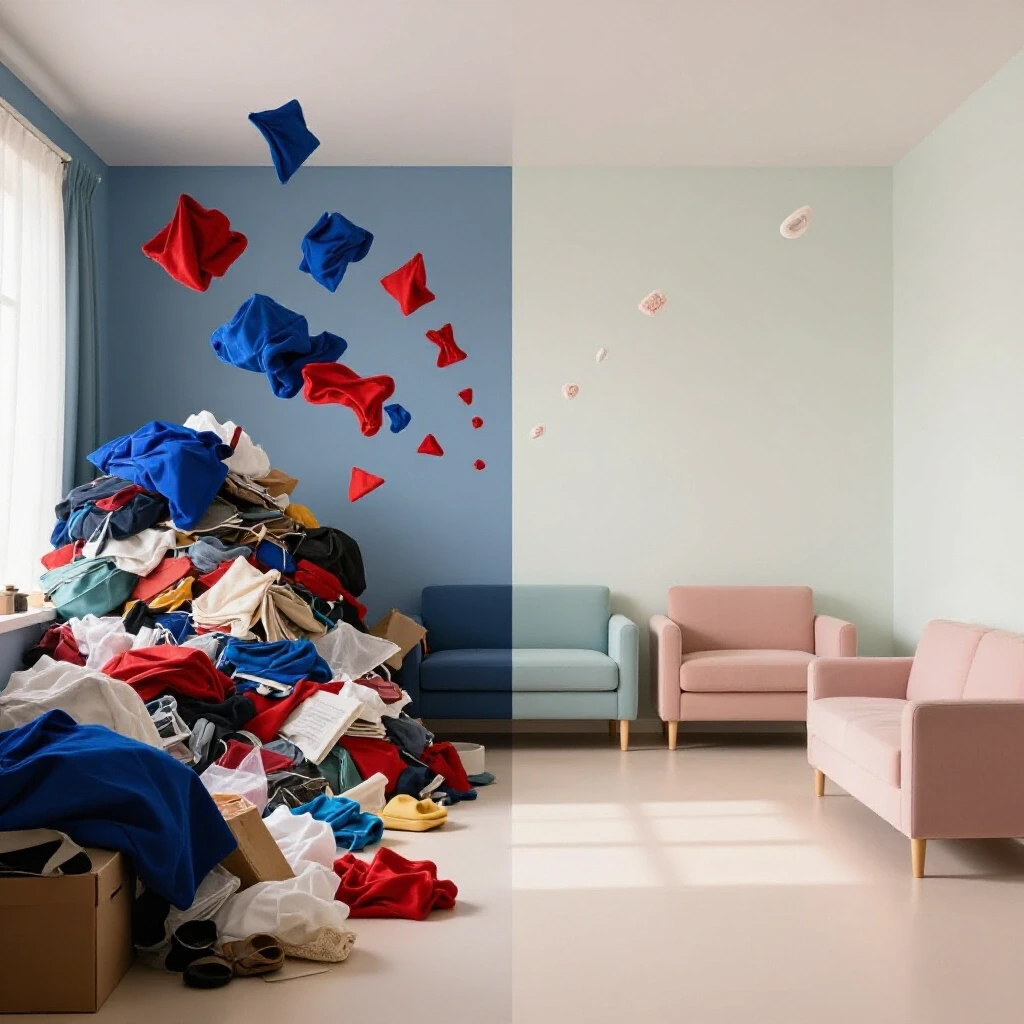
I’ve learned that a “lived-in” home will never be a “spotless” home, and that’s okay. The success of our home organization systems is measured by how quickly we can recover from a mess, not by the absence of one. If we can go from “total chaos” to “functional order” in ten minutes, the system is working.
As you prepare for long days with the family at home, remember to be kind to yourself. Start small. Choose one “Spoke” in your home and reduce the friction there. Watch how the family interacts with the new system. Adjust based on their behavior, not your expectations. Over time, these small logistical shifts will add up to a much more peaceful, manageable home.
Key Takeaways for Sustainable Home Management
- Reduce Friction: Swap lidded boxes for open bins to make putting things away a “one-touch” task.
- Limit Density: Keep storage units at 75-80% capacity to avoid the “stuffing” effect.
- Zone Your Space: Use the Hub and Spoke model to contain items to specific areas.
- Prioritize Visibility: Use clear containers so kids (and adults) can find what they need without dumping.
- Automate Maintenance: Implement a “5-Minute Reset” to prevent clutter from accumulating.
- Manage Inflow: Use a “one-in, one-out” rule to keep the total volume of items stable.
Frequently Asked Questions
How do I stop my kids from dumping out every bin?
Dumping often happens because of “retrieval friction” or “visual opacity.” If a child can’t see what’s at the bottom of a bin, they will dump it to find the one item they want. Use shallower, clear bins so the contents are visible. Also, reduce the number of items in each bin; if a bin is too heavy or too full, dumping becomes the only way to “search.”
What is the best way to handle “sentimental” clutter that kids create?
Create a “Work-in-Progress” zone. Use a single, designated bin or a display wire for current creations. Once the zone is full, it’s time for an “outflow” decision. Let the child pick their top three items to keep or photograph, and the rest can be recycled. This teaches them about “spatial capacity limits” early on.
My partner doesn’t follow the system. What should I do?
Systems fail when they are too complex. If a family member isn’t using a system, it usually means the “friction” is too high for them. Ask where the bottleneck is. Is the bin too hard to reach? Is the label confusing? Simplify the system until it requires almost zero effort to maintain.
How often should I do a “Deep Declutter”?
If you manage your “inflow and outflow” daily, you should only need a deep sort once every three to four months. Use the change of seasons as a natural trigger to rotate items and check for broken or outgrown toys.
Are expensive storage units necessary for a functional home?
Not at all. Functionality is about “layout and logic,” not “luxury.” You can use simple wooden crates, clear plastic shoeboxes, or even sturdy cardboard boxes with the tops cut off. The key is the “open-top” and “easy-access” design, not the price tag.
How do I manage toys with many small pieces?
Use “Activity Kits.” Store all pieces for a specific set (like building logs or marble runs) in a single, clear, zippered pouch or a bin with a very easy-to-use latch. These kits should only be “checked out” one at a time to prevent pieces from mixing on the floor.
What if I have a very small home with no “Hub” space?
In small spaces, “Vertical Real Estate” is your best friend. Use tall shelving units, but keep the “Active Zone” (waist to eye level) for the kids’ daily items. Use the very top and very bottom for things you only need occasionally. Rotation is even more critical in small homes to keep the “item density” low.
How do I know if my organization system is “sustainable”?
A system is sustainable if it can be maintained during your busiest, most stressful week. If the system only works when you have hours of free time to “tidy up,” it’s too complex. A sustainable system relies on low-friction habits that take minutes, not hours.
Should I label everything?
Labeling is most important for “shared spaces” where multiple people need to know where things go. Start with the categories that cause the most confusion. You don’t need to label every single item, but labeling the “bins” or “zones” provides a necessary visual cue for the whole family.
How do I get my kids to participate in the “5-Minute Reset”?
Make it a transition ritual. Use a specific song or a timer to signal the start. Focus on the “effort” rather than “perfection.” When the timer goes off, the work is done, even if it’s not “spotless.” This builds a positive association with tidying rather than seeing it as a chore or a punishment.
(This article was written by one of our staff writers, Christopher Bennett. Visit our Meet the Team page to learn more about the author and their expertise.)