How to Build a Radiator Cover: Lessons & Tips (DIY Guide)

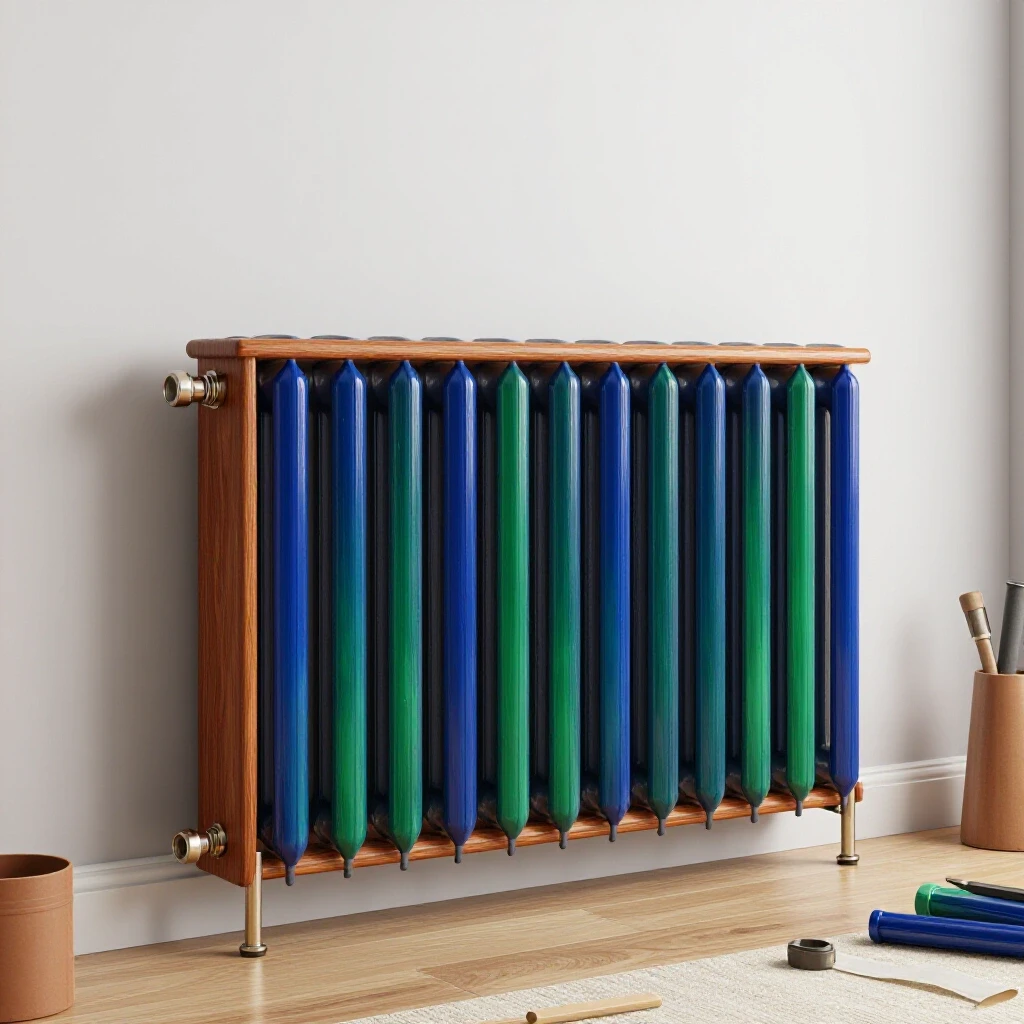
On a cold Saturday morning, the rhythmic clanking of steam pipes often signals the start of the day in an older home. During my first full-home renovation, those cast-iron radiators were both a source of warmth and a design challenge. They were sturdy and functional, but their chipped paint and industrial look didn’t fit the vision I had for a polished living space. I decided to design and assemble custom enclosures to hide the units while maintaining their heating power. This project taught me more about airflow, material behavior, and project sequencing than many of my larger structural jobs.
Setting the Foundation for Custom Enclosure Projects
A custom enclosure project involves creating a functional piece of furniture that surrounds a heating unit to improve a room’s look. It requires balancing the need for beauty with the physical laws of heat transfer to ensure the room stays warm.
When I oversaw a major residential renovation for a client in a 1920s Tudor, we realized that the heating units were the biggest hurdle to an open-concept feel. Before picking up a saw, we had to define the scope of work. This document is a detailed list of every task, material, and expectation for a project. In this case, it meant measuring every radiator with a half-inch of “float” or extra space. This prevents the wood from touching the hot metal, which can cause scorching or smells.
Residential renovation planning starts with these small details. If you are planning a kitchen remodel budget or a whole-house update, you must account for these “finish” items early. I’ve seen homeowners wait until the end of a project to think about their radiators, only to find that new flooring or baseboards have changed the clearances.
Selecting Materials for Durability and Heat Resistance
Material selection is the process of choosing wood, metal, and finishes that can withstand constant temperature changes without failing. It involves understanding how heat affects moisture content in wood, which leads to warping or cracking.
In my experience, medium-density fiberboard (MDF) is a popular choice because it is stable and paints well. However, for my own home, I chose poplar for the frames. Poplar is a hardwood that is relatively affordable and handles heat better than pine, which can bleed resin when warm. For the front panels, I used decorative metal grilles. These allow for maximum airflow, which is the “why” behind the design. If you use solid wood panels, the heat stays trapped, and your boiler will run much longer than it should.
Building on this, the finish you choose matters. I learned the hard way that standard interior latex paint can sometimes stay “tacky” or soft when heated. Using a high-quality alkyd-member or heat-resistant trim paint ensures the surface stays hard and easy to clean. As a result, the enclosures I built ten years ago still look fresh today.
Managing Airflow and Thermal Efficiency Standards
Thermal efficiency is the measure of how well heat moves from the radiator into the living space. An enclosure must act like a chimney, pulling cool air in from the bottom and venting hot air out through the top and front.
Interestingly, many people make the mistake of closing off the top of the unit to use it as a shelf. While this is handy for books or plants, it kills the convection cycle. Convection is the natural movement of air where hot air rises and cool air sinks. To solve this, I installed a reflective foil backing on the wall behind the radiator. This reflects heat back into the room rather than letting it soak into the exterior wall.
During a structural inspection checklist phase of a remodel, I always check the area around radiators for signs of past leaks. In one project, we found significant mold behind an old, poorly vented cover. The trapped moisture from a tiny valve hiss had nowhere to go. This is why proper ventilation isn’t just about heat; it’s about protecting the structure of your home.
Sequencing the Build Within a Larger Remodel Timeline
Construction sequencing is the logical order in which tasks are performed to prevent damage to finished work. It ensures that “wet” trades like painting or plastering happen before “dry” trades like finish carpentry.
In a whole-house remodel, you should never install custom enclosures until the floors are finished. I once saw a project where the enclosures were built first, and when the floor sanders arrived, they couldn’t get their machines close enough to the radiators. The enclosures had to be removed, which led to scratched paint and extra labor costs.
| Renovation Phase | Activity | Impact on Enclosures |
|---|---|---|
| Demolition | Remove old covers | Check for leaks or mold |
| Rough-in | Pipe maintenance | Ensure valves are accessible |
| Flooring | Sanding/Staining | Final height for the enclosure |
| Finishes | Painting walls | Enclosures installed last |
As a result of following this sequence, you avoid the “double work” that often blows a kitchen remodel budget. I recommend keeping a 15% to 25% contingency buffer in your finances, especially for older homes where opening a wall to check a radiator pipe might reveal outdated wiring.
Lessons from the Assembly and Joinery Process
Joinery is the method used to connect two pieces of wood together. In a high-heat environment, these joints must be strong enough to handle the wood expanding and contracting as the seasons change.
I prefer using pocket-hole joinery or “biscuits” for these builds. These methods provide a mechanical bond that is stronger than just glue and nails. When I built the units for my second home, I didn’t account for the unevenness of the old hardwood floors. I learned that adding small, adjustable “leveling feet” to the bottom of the enclosure saves hours of frustration. It allows the unit to sit perfectly level even if the house has settled over the last century.
Another practical lesson involves the “mesh” or grille. Always paint the grille before you attach it to the wood frame. If you try to paint it afterward, you will likely get drips on the metal or missed spots in the corners of the wood. This small step in your home remodeling tips list will lead to a much more professional look.
Preventing Contractor Disputes Through Quality Benchmarks
Quality-control benchmarks are specific, measurable standards that a finished product must meet. They serve as a “pass/fail” guide for the work performed on your home.
Even if you are doing the assembly yourself, you may have a contractor handling the surrounding drywall or flooring. To avoid disputes, create a clear “scope of work” document. This should include how much access is needed for the radiator valves. I once managed a project where the homeowner couldn’t turn off their heat because the new enclosure didn’t have an access door for the valve. We had to cut into the finished wood, which caused a heated argument over who was responsible for the design flaw.
| Property Age | Contingency Buffer | Common Hidden Issues |
|---|---|---|
| 0-10 Years | 5-10% | Minor settling, paint matching |
| 10-30 Years | 10-15% | Outdated fixtures, wear and tear |
| 30-70 Years | 15-25% | Lead paint, old wiring, pipe corrosion |
| 70+ Years | 25%+ | Structural rot, mold, uneven framing |
Using Modern Tools to Plan Your Project
Residential renovation planning has changed significantly with digital tools. You no longer need to rely on hand-drawn sketches that might be misread.
- Digital Calipers: Use these for precise measurements of pipe diameters and clearances.
- SketchUp or RoomSketcher: These apps let you build a 3D model of your enclosure to see how it fits the room’s scale.
- Moisture Meters: Use these to check the wood you buy. If the wood is too “green” or wet, it will shrink and crack once it sits next to a hot radiator.
- Infrared Thermometers: These are great for checking the heat output before and after you install the cover to ensure you aren’t losing too much efficiency.
By using these tools, you move from guessing to knowing. This data-driven approach is what I used throughout my 18-year career to keep projects on track and under budget.
Final Inspection and Post-Occupancy Evaluation
A post-occupancy evaluation is a check-up performed a few months after the project is done. It helps you see if the design is actually working in daily life.
After my first winter with the new enclosures, I noticed that one room was consistently colder than the others. I used an infrared camera and found that the top vent was too small, trapping the heat inside the box. I widened the opening by an inch, and the room temperature stabilized. This is a reminder that even with the best contractor management guide, real-world testing is the final word on success.
Check your enclosures for “chatter” or vibrating noises when the heat kicks on. This usually means a screw has loosened or the metal grille is vibrating against the wood. A small piece of felt or silicone tape between the metal and wood usually solves this. These small fixes are part of the “punch-list” phase, which is the final list of tiny repairs needed to officially finish a job.
Strategies for Long-Term Maintenance
Once the project is complete, the work doesn’t entirely stop. Dust is the enemy of heat efficiency. Because the enclosure acts like a vacuum, it will pull dust and pet hair toward the radiator fins.
I recommend designing your enclosures so the front panel or the entire unit can be easily removed. In my home, I used “cleats” on the wall. The enclosure simply lifts up and off the wall, allowing me to vacuum the radiator coils every autumn. If you nail the enclosure to the baseboards, you’ll never clean it, and eventually, the smell of burnt dust will fill your home.
Maintaining a clear path for air and keeping the wood finished will ensure your custom work lasts as long as the house itself. This systematic approach—from planning and material choice to sequencing and maintenance—is the key to a renovation that adds value without adding stress.
Frequently Asked Questions
How much space should I leave between the radiator and the enclosure? You should aim for at least 1 to 2 inches of clearance on all sides. This “air gap” prevents the wood from overheating and allows air to circulate freely. If the enclosure is too tight, it can lead to scorched wood or a significant drop in heating efficiency.
Will putting a cover over my radiator make my heating bill go up? If designed correctly with a large open grille and a top vent, the impact is minimal. However, a poorly designed cover with no top ventilation can trap heat, forcing your boiler to run longer. Adding a reflective heat shield behind the radiator can actually help lower bills by pushing more heat into the room.
What is the best wood to use for this type of project? Hardwoods like poplar, oak, or maple are excellent choices because they are stable. MDF is also a great option for painted finishes because it does not expand and contract as much as solid wood. Avoid softwoods like pine or cedar if they have a lot of sap, as the heat can cause the sap to “bleed” through the paint.
Can I use fabric or plastic mesh for the front panels? Plastic can melt or off-gas chemicals when heated, and fabric can be a fire hazard if it gets too hot or dusty. It is always best to use decorative metal grilles, such as aluminum or steel. They are durable, safe, and help conduct heat into the room.
Should I paint the inside of the enclosure? It is not strictly necessary, but applying a coat of primer or heat-resistant paint to the interior can help seal the wood and prevent it from drying out too quickly. It also makes the unit look more finished if you can see through the grille.
How do I handle the radiator’s control valve? You must include an access point. This can be a small hinged door on the side or a removable panel. If you have a leak or need to bleed the air out of the system, you need to reach the valve quickly without dismantling the entire unit.
Will an enclosure protect my children or pets from burns? Yes, this is one of the primary benefits. A well-built enclosure stays warm to the touch but will not cause the instant burns that bare cast iron can. It provides a safe barrier while still allowing the room to reach a comfortable temperature.
Do I need to worry about the enclosure catching fire? Steam and hot water radiators typically reach temperatures between 180 and 215 degrees Fahrenheit. Wood’s ignition temperature is much higher, usually above 400 degrees. As long as there is an air gap and the wood is not in direct, constant contact with the steam pipe, the risk of fire is extremely low.
How do I stop the enclosure from rattling? Rattling is usually caused by the metal grille vibrating against the wood frame. You can solve this by applying a thin bead of clear silicone or using small adhesive felt pads where the metal meets the wood. Ensure all screws and fasteners are tight.
Can I build an enclosure for an electric baseboard heater? No, you should be very careful with electric heaters. They operate at much higher temperatures and rely on very specific airflow patterns to prevent overheating and fires. Most manufacturers advise against covering electric baseboard units with wooden enclosures. Stick to steam or hot water systems for this type of project.
(This article was written by one of our staff writers, David Langford. Visit our Meet the Team page to learn more about the author and their expertise.)